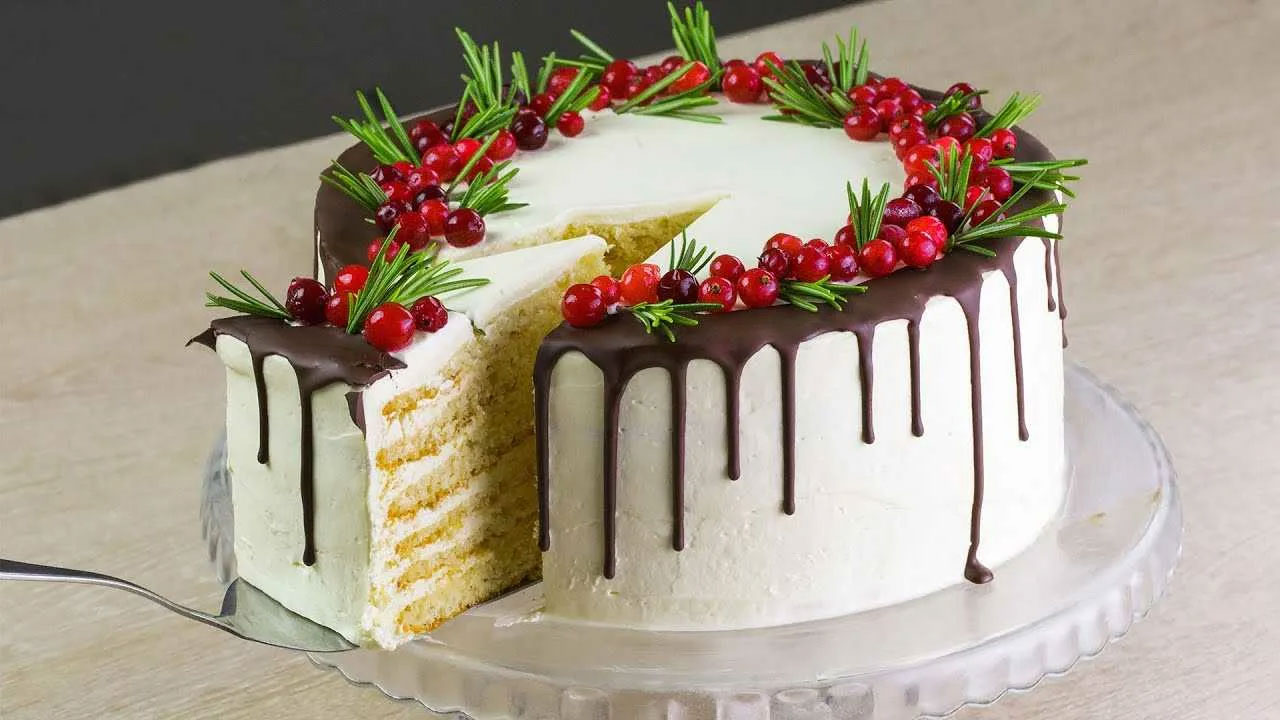
Can you freeze a cake and how do you do it correctly?

Content
Sooner or later, every homemaker and pastry chef faces the question of whether it's possible to freeze a cake and how to do so without ruining the dessert. In this article, we'll take a detailed look at which desserts can be frozen and which are best not stored for long periods of time. We'll also explain how to properly freeze and defrost a cake to preserve its texture and flavor.
When is freezing relevant?
The main parameters are given in the table:
| Cakes by cream type | Best before date |
| On protein cream (meringue) | 72 hours |
| With cream cheese (on cream cheese) or on yogurt cream | 36 hours |
| On butter cream | 24 hours |
| With custard or cream cheese (on cottage cheese) | 6 p.m. |
| With cream or sour cream | 6 hours |
When and why do you freeze cakes?
- If you have some dessert left and you want to keep it a little longer than usual.
- In industrial production of desserts, when the speed of order fulfillment is important.
If you're wondering for the first time whether you can freeze a cream cake in your freezer and then simply defrost it and eat it, it's worth taking a closer look at the ingredients of the dessert you'd like to preserve this way.
Basic rules for freezing confectionery products
Experienced confectioners are guided by the following basic rules in their practice:
- Desserts should be frozen in a separate freezer. Do not store cakes with other foods, especially meat or fish.
- Whenever possible, it is the prepared dessert that is frozen, not the finished dessert.
- If necessary, ready-made cakes are frozen without decoration, and decorated before they are purchased (delivered to the client).
- Before placing the cake in the freezer, it is hermetically sealed.
- All frozen items are labeled with the date they were placed in the freezer (this is important to know in the future how long the product can be stored).
What cakes can be frozen in the freezer?
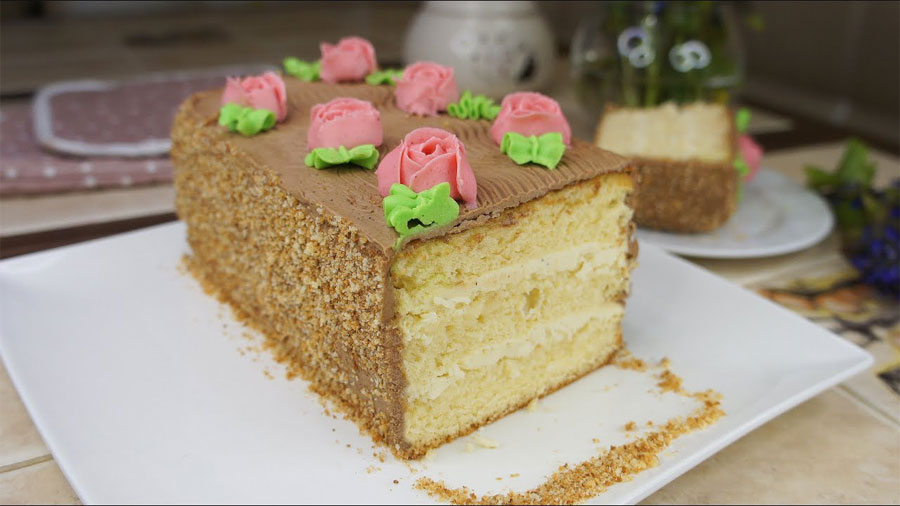
Sponge cake with butter cream
Perhaps an ideal candidate for freezing, given the reviews of experienced pastry chefs. The sponge cake layer tolerates low temperatures well, and the rich cream made with natural butter retains its texture and flavor after defrosting.
In general, if you have a cake with buttercream, you can definitely freeze it in the freezer without worrying about the taste and aesthetics of the dessert in the future.
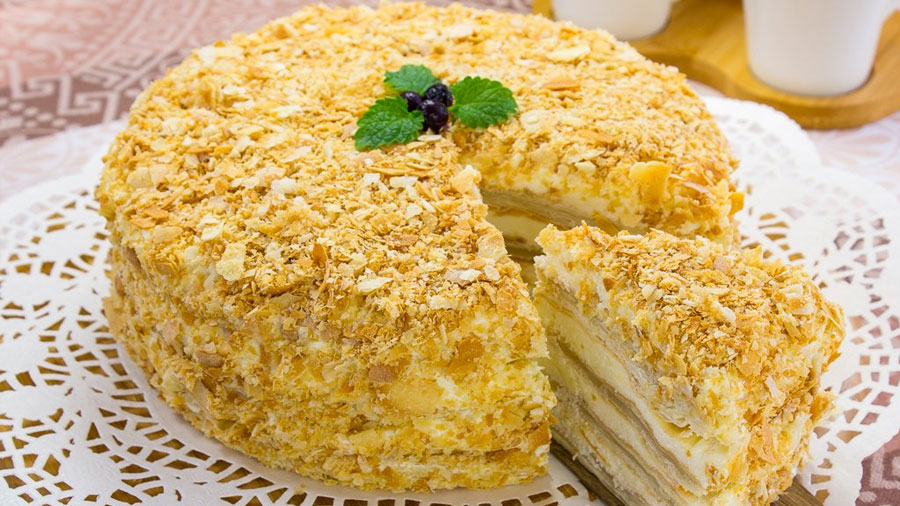
Napoleon
A classic Napoleon cake is frozen whole (after re-skinning). Generally, the cake tolerates low temperatures well, and its flavor won't change after defrosting, but the skins will definitely not be crispy.
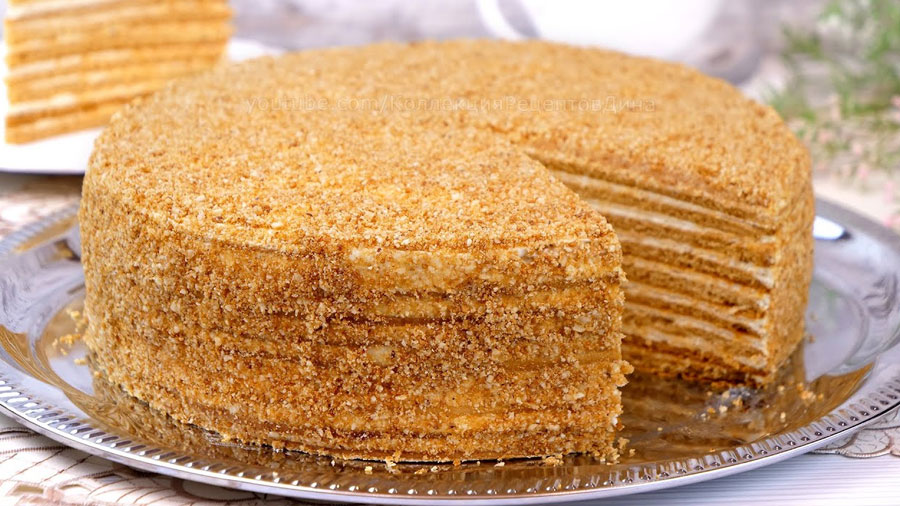
Honey cake
Honey cake is another excellent option for long-term storage. The layers and cream retain their texture, and the dessert itself will become even softer and melt-in-your-mouth delicious after proper defrosting.
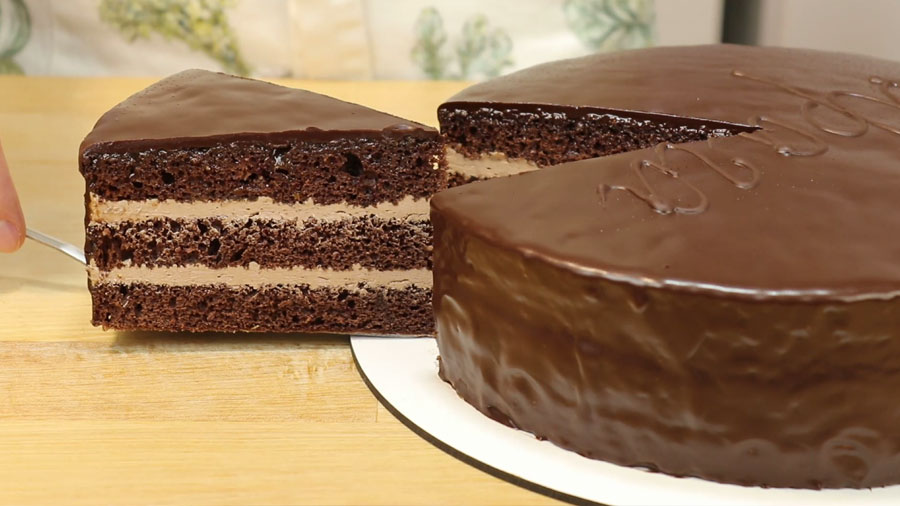
Prague
You can safely freeze it if your recipe calls for the classic butter and condensed milk cream used for this cake. However, before freezing the cake, you need to let the cream stabilize in the refrigerator.
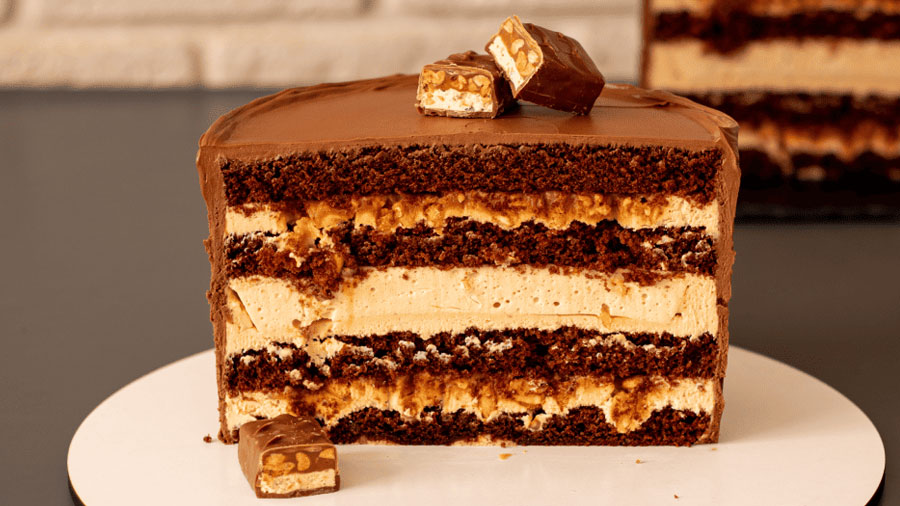
Snickers
This cake with butter-caramel cream and nuts is safe to freeze. It will perfectly retain its flavor and texture.
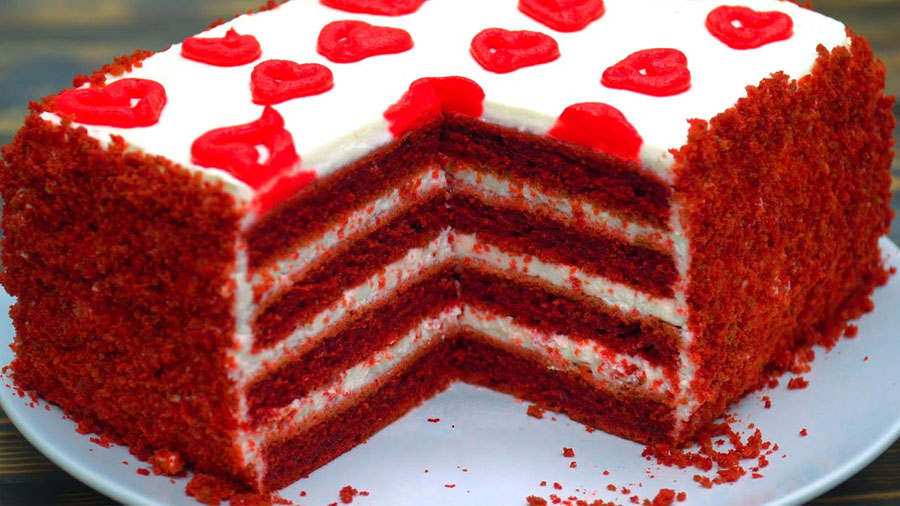
Red velvet
This cream cheese-based recipe stores well at low temperatures. The key is to follow freezing procedures and pack the product airtight to prevent unwanted odors.
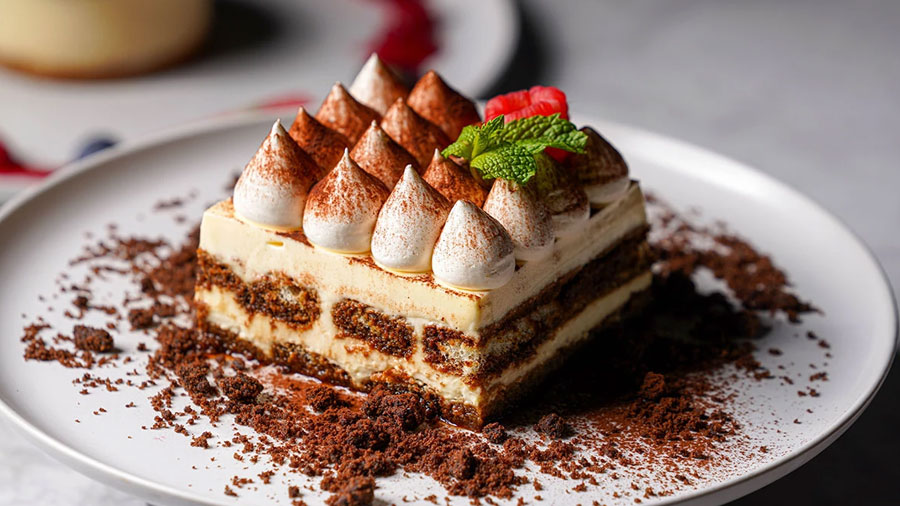
Tiramisu
Both the cake and dessert prepared using a similar recipe freeze well. However, if improperly packaged, they may acquire off-flavors.
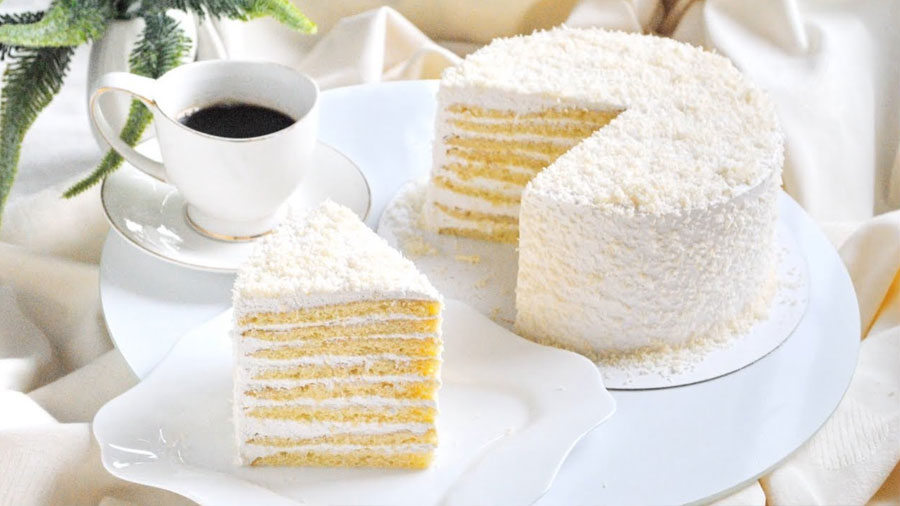
Milk girl
Recipes based on light buttercream with condensed milk are suitable for freezing. These cakes must be frozen in stages and defrosted only in the refrigerator, otherwise the dessert may lose its shape.
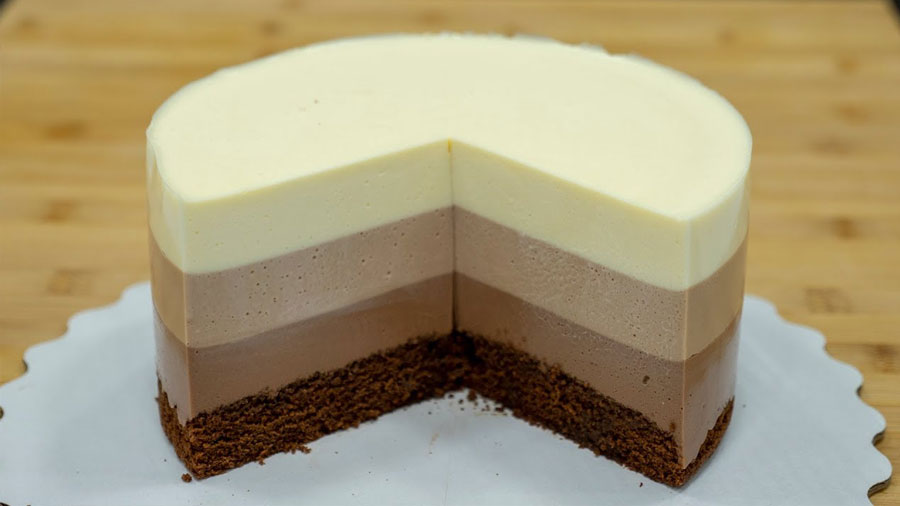
Mousse cake
Freezing is possible, but mousse layers are typically placed in a freezer ring mold. Once the mousse has completely hardened, it is removed from the ring and sealed tightly in cling film.
Bird's milk
We have already told you in detail, Can you freeze Bird's Milk cake? And how to do it right. Soufflés have a different texture than mousses, so not all recipes are suitable for freezing. The best option is to use agar-agar or pectin in soufflé recipes. Gelatin-based cakes don't freeze well and lose their shape after defrosting.
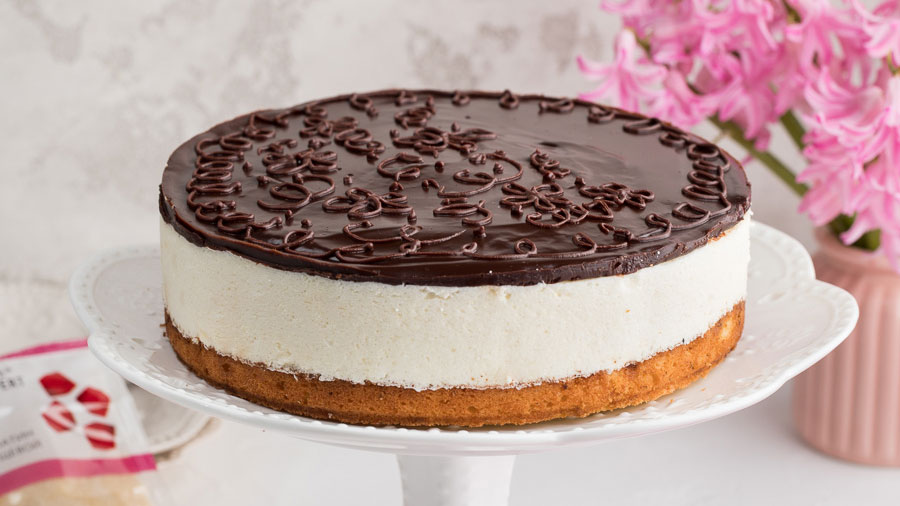
Cheesecake
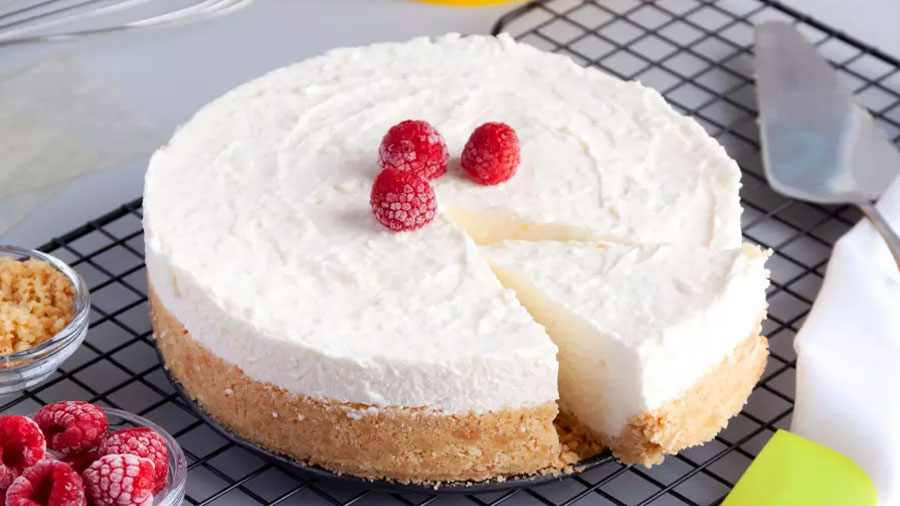
If the dessert is made without baking, pay attention to the gelling agent. As with the bird's milk version, gelatin-based recipes may change the texture and become runny after defrosting.
Jelly cakes
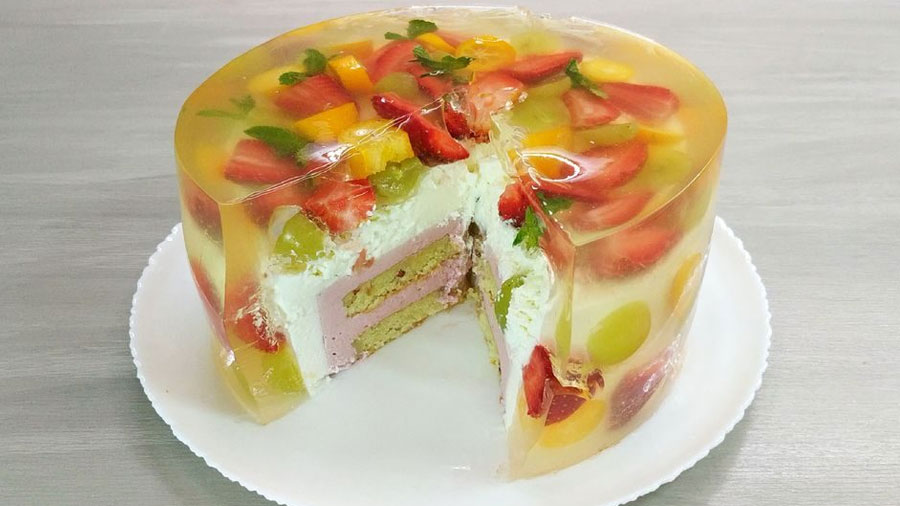
This type of dessert, like any jelly, cannot be frozen. Gelatin does not thaw well because it contains a lot of water, which crystallizes at low temperatures.
Cakes with fresh fruits and berries
This type of cake also shouldn't be frozen. Any berries, fruits, or citrus fruits lose their original texture when frozen, and when defrosted, they release a lot of juice, which means they're guaranteed to ruin the cake.

How to Freeze Cakes
Algorithm of actions:
- If the cake is freshly baked, allow it to cool completely to room temperature naturally. Do not freeze a warm cake, as condensation will form on the surface of the packaging and ruin the cake.
- Place the cooled cake on a plate and refrigerate for at least 2 hours to allow the temperature to cool gradually and the cream and glaze to set. It's a good idea to use a plastic lid at this stage.
- Once the cake has cooled thoroughly, transfer it to the freezer (while still under the lid). This step is essential for desserts with chocolate or icing coatings, so the outer layer hardens and doesn't deteriorate when wrapped in plastic wrap.
- After a few hours, remove the frozen cake and wrap it tightly in plastic wrap. Airtight packaging will preserve the natural flavors of the ingredients and prevent the dessert from absorbing freezer odors.
- It is advisable to additionally place the packaged cake in a plastic container and seal it.
How to properly defrost a frozen cake
To ensure frozen cakes retain their original appearance and taste, it is important to know how to defrost desserts.
The step-by-step algorithm for defrosting a cake includes the following stages:
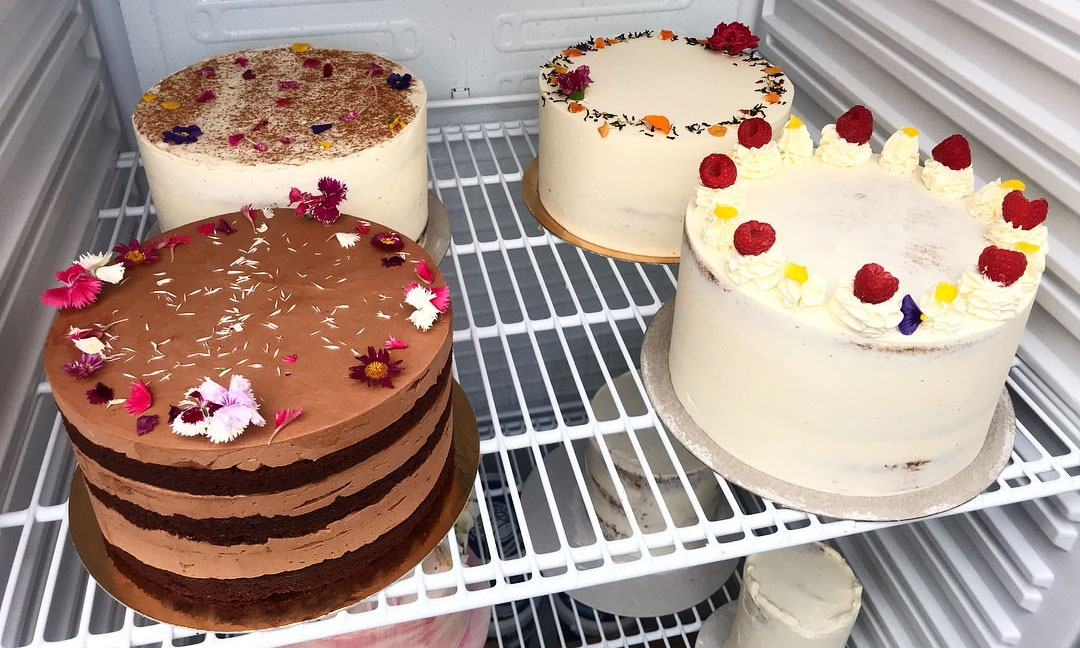
- Transfer the cake from the freezer to the refrigerator, wrapped in plastic wrap and a container, for 6 hours.
- Remove the packaging and make sure there are no frozen areas left.
- 1-2 hours before serving, remove the dessert from the refrigerator to warm it to room temperature and decorate it further (unless the recipe calls for serving the cake chilled).