Can you replace sugar with powdered sugar in baking?

Content
Beginning pastry chefs often wonder whether powdered sugar can be substituted for sugar in baked goods, creams, and desserts. In this article, we'll explore the differences between the two products, which is sweeter (sugar or powdered sugar), the correct substitution proportions based on the recipe's specifications, and when powdered sugar should not be used in place of regular sugar.
What is the difference between powdered sugar and sugar?
- Sugar – is pure sucrose obtained from sugar beet or cane in the process of crystallization of concentrated sugar juice.
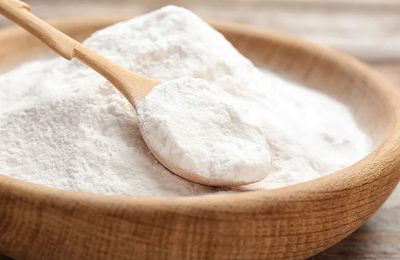
- Powdered sugar – a product of additional sugar processing (crystals crushed to a size of less than 0.2 mm).

Fine powder dissolves faster in any environment, so it is preferable when working with:
- protein masses and recipes based on them;
- creams based on heavy cream or sour cream;
- thick masses: cheese, curd cream.
In liquid media (syrup or custard for cake), you can safely use either regular sugar, which you put in tea, or finely dispersed sugar powder.
What is sweeter: sugar or powdered sugar?
The sweetness of sugar, or more precisely the sweet taste we experience when consuming the product, depends on many factors:
- type of raw material (there is cane and beet sugar);
- production technologies;
- size of crystals.

The finer the crystals, the faster they disintegrate in your mouth, and the faster you experience the sweetness. This is why many people find powdered sugar sweeter than regular sugar.
Correct ratio when replacing
It's important to understand that the bulk density of different foods varies. On average, sugar is 1.4 times denser than powdered sugar. Therefore, if you plan to use finely ground sugar instead of powdered sugar, it's best to measure the amount using a kitchen scale.

But what if you need to measure out the required amount of powder and don’t have scales at hand?
Experienced confectioners have long calculated the correct proportions for using powdered sugar instead of sugar. But keep in mind that this calculation is an average, as the bulk density of powdered sugar varies greatly depending on the degree of grinding.
For 100 grams of products, the following table will be relevant:
| Product | In glasses | In tablespoons |
| Granulated sugar | 0.5 | 8 |
| Powdered sugar | 0.75 | 12 |
How does the substitution affect the taste and consistency of the product?
In many cases, substitution is not only possible, but also desirable, since a finer fraction allows for a more delicate texture and dissolves better.
In the test
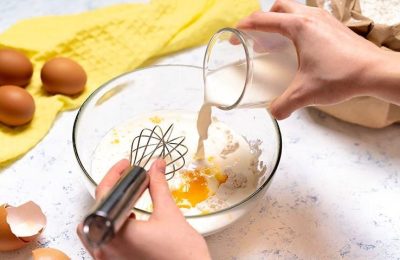
Can I substitute powdered sugar for sugar in baking? Of course, you can, as long as you follow the proportion recommendations above.
Result:
- more airy dough, because, like flour, powdered sugar is saturated with air;
- homogeneous and elastic texture;
- better distribution of ingredients.

This substitution does not affect the taste of the dish in any way.
In biscuits
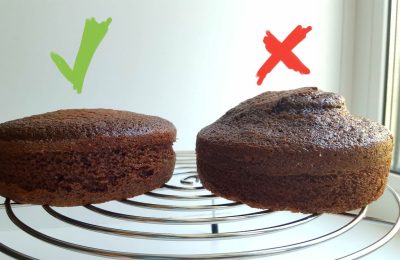
Unlike other types of baking, sponge cake batter is made by whipping a fluffy egg mixture, preferably using granulated sugar. Regular sugar dissolves gradually, creating the densest texture necessary to achieve the right dough consistency.

In creams
Can powdered sugar be used instead of sugar when making creams for cakes, various pastries and desserts?
Confectioners use powdered sugar to prepare any creams:
- custard;
- oily;
- sour cream;
- on cream;
- cream cheese.

In the meringue
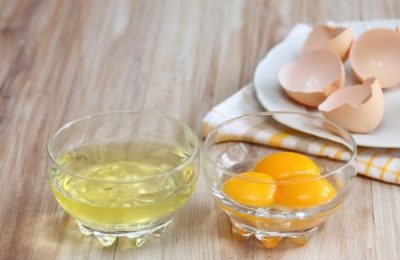
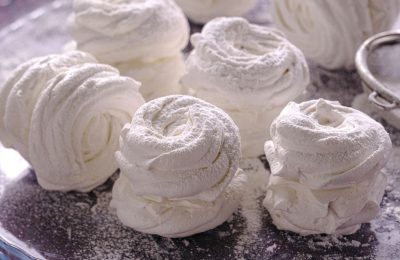
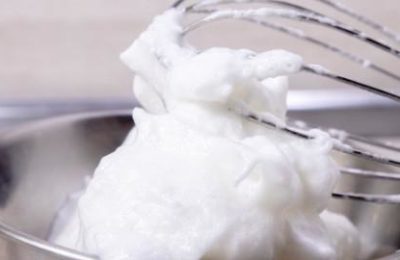
Please note that all recipes calling for whipping egg whites to stiff peaks call for the use of regular granulated sugar. Powdered sugar dissolves too quickly when added to the egg white foam, preventing the desired stiff consistency.

How to make powdered sugar
In other cases, you can make powder from sugar you have at home using a coffee grinder or blender.