What can replace gelatin?

Content
Have you found an interesting dessert recipe online but don't have any gelatin at home? A novice pastry chef might wonder what can be used as a substitute for gelatin at home, but experienced professionals know that replacing the gelling agent in dessert recipes is highly undesirable, as each product has its own specific application requirements.
We suggest taking a closer look at what gelatin is, what other thickeners can be found in stores, and why using an alternative can produce completely unexpected results.
Gelatin and its properties
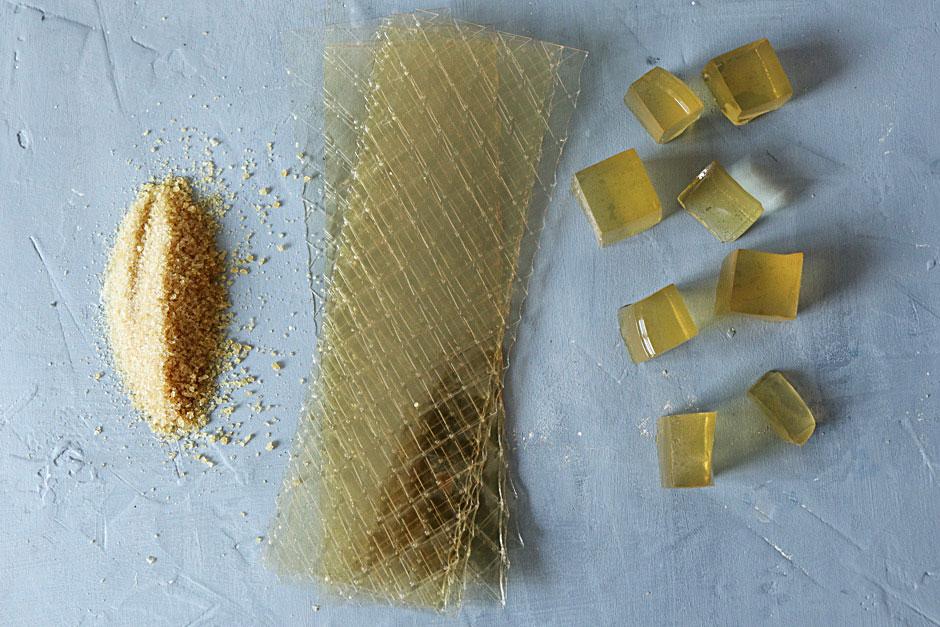
Edible gelatin is 87-92% protein (with less than 1% fat and carbohydrates). The caloric content of the product is 355 kcal per 100 grams, but it's important to note that small doses are used in cooking for gelling foods.
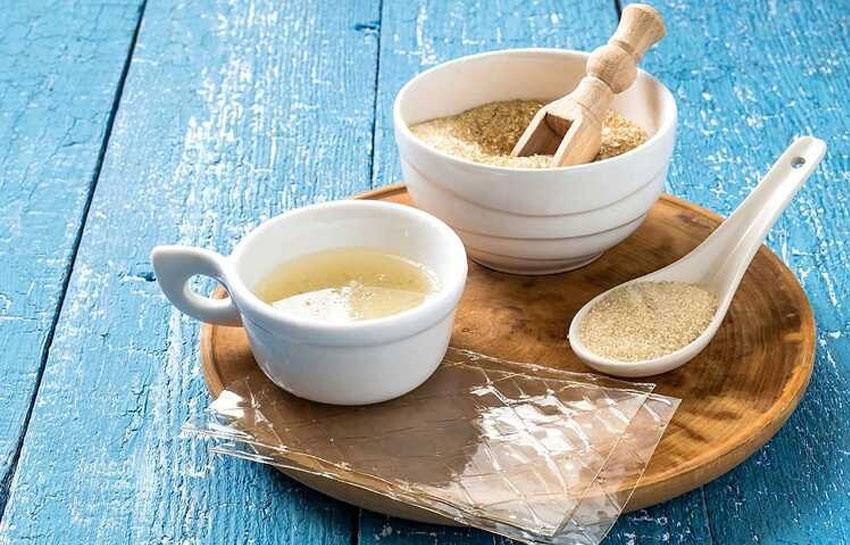
Food grade gelatin is available commercially in three forms:
- granulated (before use, it must be soaked in liquid, maintaining a ratio of 1:5);
- soluble (no need to pre-soak);
- leafy (must be soaked and squeezed).
The higher the number, the faster the mass will harden and the denser the jelly will be.
If the gelatin strength indicated in the recipe and on the package you have at home differs, you need to recalculate the amount of gelling agent by multiplying the figure indicated in the recipe by the appropriate coefficient.
| Strength by prescription | The power of available gelatin | ||||
| 160 bloom | 180 bloom | 200 bloom | 220 bloom | 240 bloom | |
| 240 bloom | 1.23 | 1.15 | 1.1 | 1.04 | - |
| 220 bloom | 1.18 | 1.1 | 1.04 | - | 0.95 |
| 200 bloom | 1.12 | 1.06 | - | 0.95 | 0.91 |
| 180 bloom | 1.07 | - | 0.94 | 0.90 | 0.84 |
| 160 bloom | - | 0.95 | 0.89 | 0.85 | 0.81 |
The main properties of gelatin:
- transparency and elasticity of jelly;
- solidification at a temperature below 15℃;
- thermal reversibility.
Gelling agents
As you can see, you can't even substitute one type of gelatin for another without adjusting the recipe.
But what if you don't have any gelatin at home and need a substitute? Let's figure out what can be used instead of gelatin and how each alternative will perform in a dessert recipe.
Agar-agar (E406)
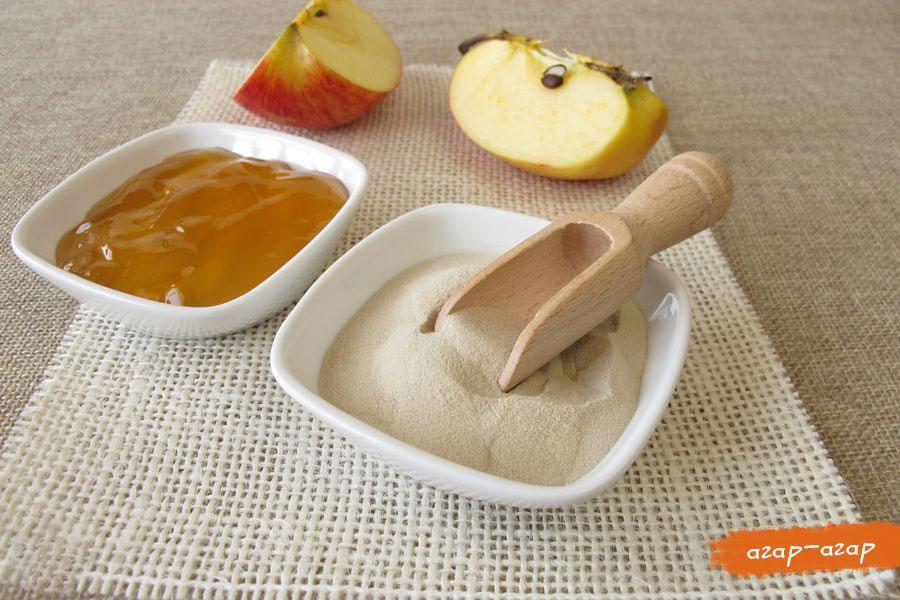
Agar-agar can be used as a substitute for gelatin in many recipes. In particular, it has proven itself in jellies, marmalades, marshmallows, jams, and various fillings for cakes and desserts.
Benefits of agar-agar:
- solidification temperature of 40℃ (much higher than that of gelatin, due to which agar jelly does not melt without refrigeration);
- high efficiency in acidic environments;
- thermoreversibility;
It is important to keep in mind that the plant-based version of gelatin is extremely poorly absorbed by the body and may cause stomach upset in some people.
Pectin (E440)
The product has strong gelling properties, does not alter the color or taste of the mass, and also allows the jelly to maintain a dense texture at room temperature.
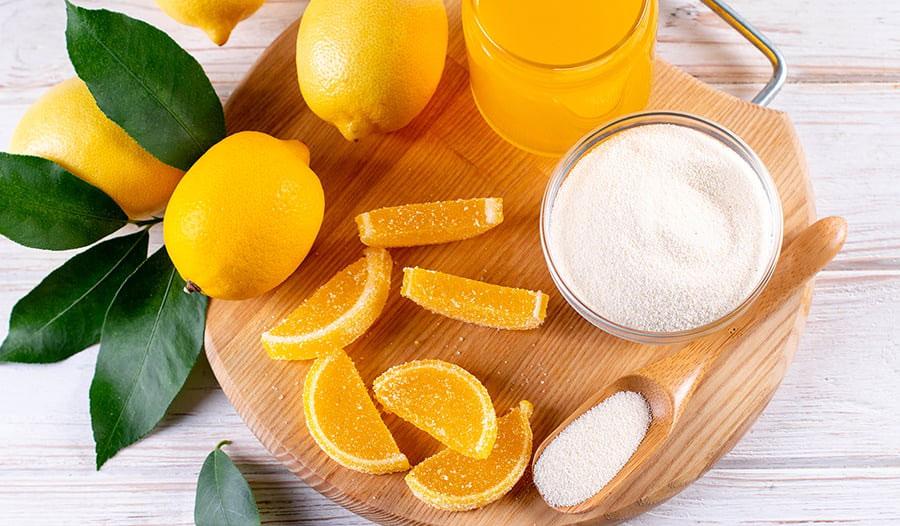
In the industrial preparation of desserts the following are used:
- nisoesterified pectin NH, operating in environments of any acidity with a low dry matter content;
- highly esterified pectin HM, optimal for environments with high acidity and high dry matter content;
- amidated pectin LMA, effective in gelling mixtures with high calcium content and neutral pH.
The scope of application of pectins is very wide, but the choice must be made taking into account the following characteristics of each gelling agent:
| Parameter | NH | HM | LMA |
| pH range | any | < 5.5 | 7 |
| Gelling speed | slowly | fast | slowly |
| Gelling temperature | 62-70°C | 75-85°C | 45-60°C |
| Thermal stability | + | - | + |
| Use with dairy products | + | - | + |
| With a small amount of sugar | + | - | + |
| When adding alcohol | + | - | + |
When making homemade desserts, home cooks most often use Zhelfix, a ready-made mixture based on pectin, citric acid, and sorbic acid. This product has proven itself to be excellent in jellies, marmalades, various jam recipes, and fruit fillings for cakes.
Guar gum (E412)
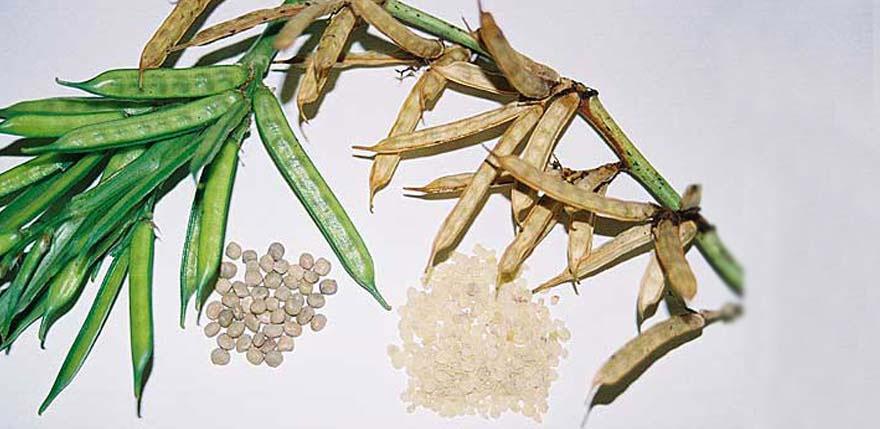
In the food industry, thickeners are widely used in the production of sauces, jams, yogurts, and ice cream. Key benefits include:
- dissolution in cold and hot water;
- resistance to fats and oils;
- formation of a jelly that is resistant to temperature fluctuations.
To obtain a freeze-resistant jelly, 8 grams of guar gum per 1 liter of liquid mass is sufficient.
For more information on how to make jelly using guar gum, watch the video:
Xanthan gum (E415)
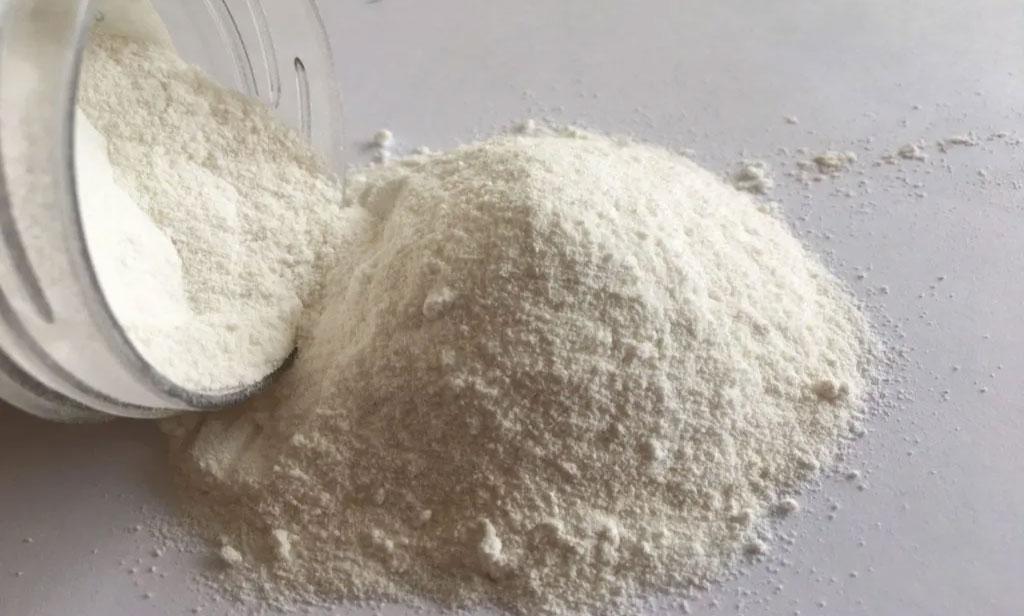
Its use in cooking is due to properties such as:
- resistance to acids, alkalis, alcohols and enzymes;
- the temperature range for maintaining the jelly structure is from -18 to +120℃;
- high viscosity in the range of 2-12 pH.
For more information on the use of xanthan gum, watch this video:
Carob gum (E410)
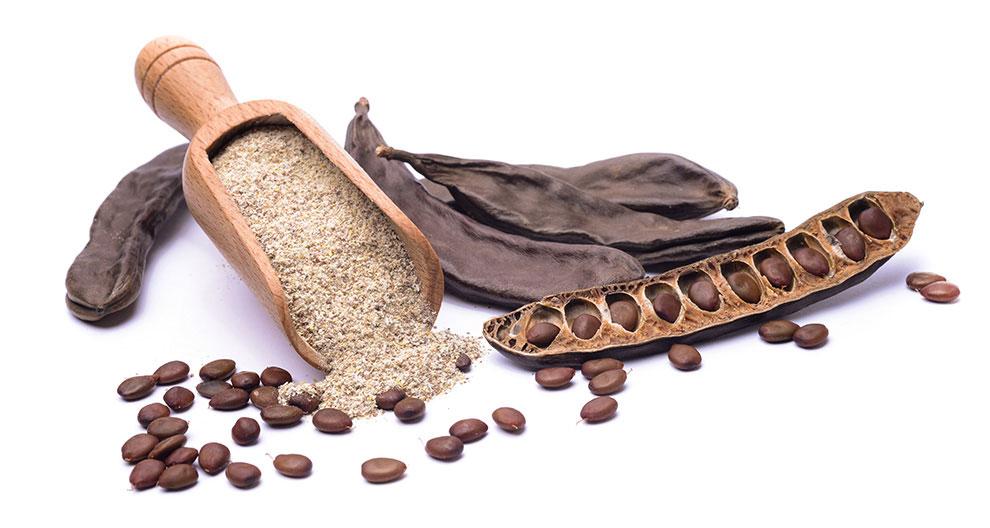
The powder is similar in properties to guar gum, but 16 grams of locust bean gum must be added to 1 liter of liquid mass.
In the industrial preparation of desserts, the product has found wide application due to the high stability of the resulting jelly to any temperature fluctuations, as well as its high effectiveness in acidic and salty environments.
Starch
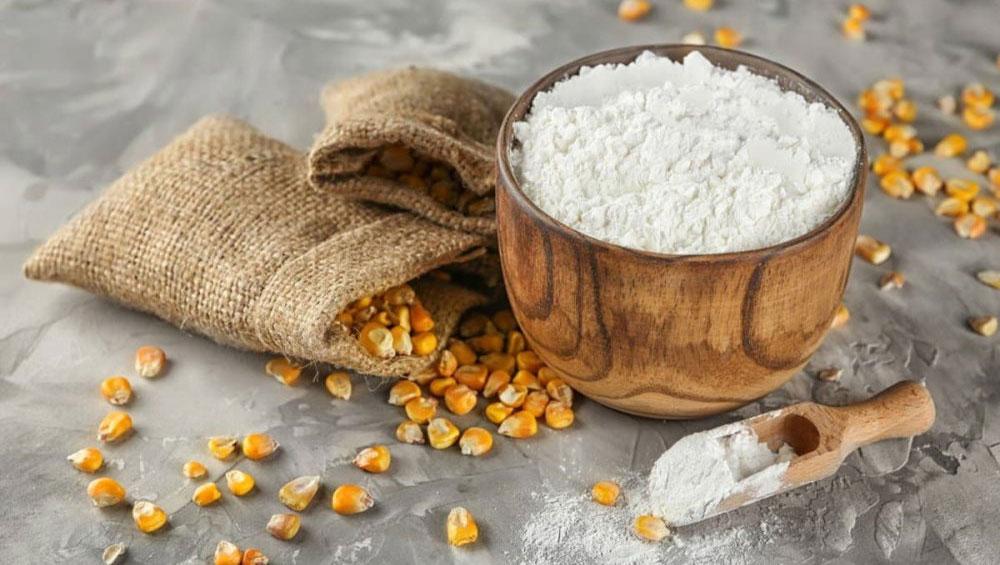
In general, starch is rarely considered a substitute for gelatin in cooking due to the significant differences in how these two gelling agents work. Replacing starch with gelatin in aspic or jelly is impossible, as their physicochemical properties differ significantly, and the product will not achieve the desired density and transparency.
However, it is still possible to replace gelatin with cornstarch in some recipes for fruit layers for cakes, mousses, berry curds, and also jam recipes.
Conclusion
Now you know what you can substitute for gelatin in a dessert recipe, if necessary, and you also understand that when using a different gelling agent instead of the thickener specified in the recipe, you need to take into account a lot of different factors.
Watch this video to learn how to make jelly using a particular product, as well as why replacing one thickener with another isn't always possible: