Top 6 Cream Cheese Mistakes and How to Fix Them

Content
Cream cheese is one of the most popular recipes among pastry chefs, loved by both professionals and novices. This is due to its excellent taste and versatility in cakes, cupcakes, and other baked goods. Furthermore, making cream cheese is quite simple, but even then, mistakes can sometimes happen.
6 Common Mistakes That Prevent Cream Cheese From Working
Making cream, like other confectionery ingredients, involves nuances related to the process and cooking technology. To achieve the right consistency, it's important to select the right ingredients, mix them in the right order, and follow the proper instructions. There are several common mistakes when making cream.
Incorrectly selected cream
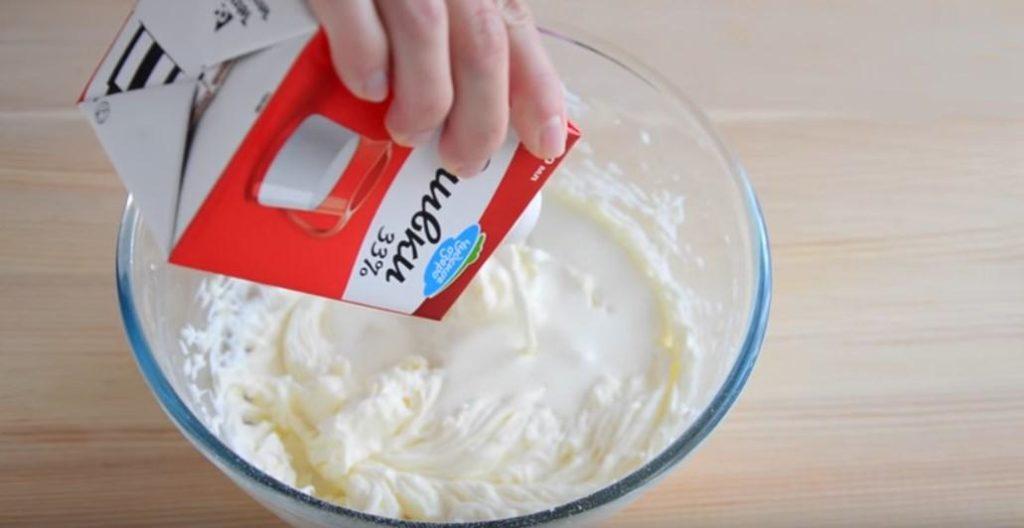
Cream cheese has a fairly simple composition. There's a basic recipe, which is supplemented with certain ingredients at the pastry chef's discretion. However, even one incorrectly chosen ingredient can ruin the entire structure. For cream cheese with whipped cream, only use a product with 33-35% fat content. Less fat will result in the cream cheese not holding its shape, as the cream simply won't whip. A runny cream cheese is produced by using Shantipak. For this type of cream cheese, it's best to choose cream cheese such as Parmalat or Petmol.
Incorrectly selected oil
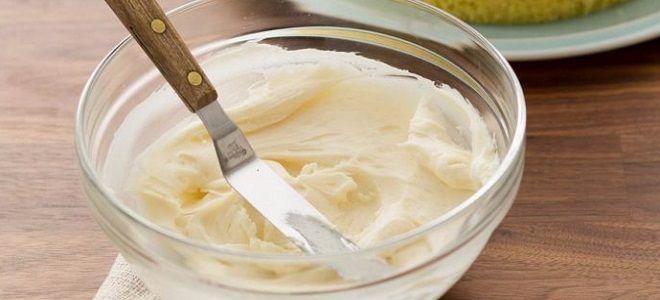
To make cream cheese with butter, choose a high-quality product with 82.5% fat content, which is considered the typical fat content for butter. This is an indicator of a natural product, as butter with a lower fat content contains a significant amount of water. If you use low-fat butter, the final product will be less fluffy, less airy, or won't hold the desired consistency at all, and the cream cheese will separate, requiring immediate thickening.
Wrong cream cheese
Cream cheese is the basis of this recipe. It's a versatile choice for cream filling, smoothing, and cheesecake. The taste of the cheesecake itself depends largely on this choice. Therefore, the cream cheese should have a good composition, made from animal products. The dry matter should be around 60% fat, and the finished product should have at least 28%.
The cream cheese itself should have a thick, smooth, and lump-free consistency. This product will later produce a well-whipping cream cheese with the desired texture. The cream cheese should only be natural; it cannot be substituted with a cheese product.
Long whisking
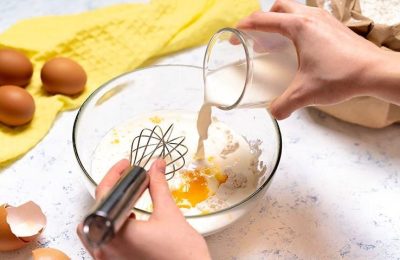
This is a common mistake among beginning pastry chefs, who believe that longer whipping will result in a better cream cheese consistency. In reality, this principle doesn't work when making cream cheese frosting. It's easy to overbeat cream cheese, which causes its structure to become unstable and its shape to fail to hold. Overbeating results in a runny consistency or a product that separates.
Difference in temperature of ingredients
This problem is typical when cream cheese with butter bubbles or separates. When it's mixed with excessively cold cheese, the consistency of the product can be affected, causing bubbles and lumps to form, and the cream to separate.
Incorrectly selected recipe
There are numerous recipes for making cream cheese frosting: using butter, cream, for decoration, for smoothing, and so on. Differences in recipes require different proportions of ingredients. To avoid choosing the wrong recipe, it's best to use reputable sources that provide recipes. It's also a good idea to watch videos of cream cheese frosting to get a visual and visual understanding of the recipe's specifics.
What to do if the cream cheese turns out runny
Sometimes, cream cheese doesn't thicken, and its consistency remains runny. In this case, you should try to salvage the cream using thickening options. The following factors can cause the cream cheese to fail to thicken properly:
- selection of low-quality ingredients;
- long-whipped cream (typical for those situations when the recipe is prepared with cream).
To achieve a stable cream cheese, you should initially choose a high-fat cream cheese. Beginners should whip the cream using a mixer at low speed for short periods of time. However, if problems have already occurred, you can try to thicken the cream using the following methods:
- Using gelatin. This will help make the cream significantly thicker. To do this, soak the gelatin in a small amount of water. Then, dissolve it and mix it with a small amount of cream, then add it to the base. Next, beat the cream at minimum speed with a mixer and refrigerate the resulting consistency for half an hour.
- Using corn starch. To do this, dissolve one heaping tablespoon in water. Next, begin whipping the cream at low speed with a mixer and pour in the prepared starch diluted with water. Beat the resulting consistency for 2-3 minutes. Afterward, cool the cream slightly, then use it for cakes or cupcakes.
- Using a cream thickener. It can be purchased at a regular grocery store. The instructions for use detail how to dilute the thickener to correct the liquid consistency of the frosting. This thickener works quickly. The frosting is suitable for both subsequent leveling and assembly of the cake and for creating cupcake toppings.
Using these methods, you can try to thicken the cream cheese, while saving it from being too runny.
If the cream cheese has separated
Cream of the wrong consistency can separate if the proper preparation techniques are not followed. Cream itself forms as an emulsion. When it separates, the water and fats separate, and the emulsion is destroyed. As a result, using such cream is dangerous, as the released water becomes a breeding ground for bacteria. The solution to this problem is to restore the emulsion. Each type of cream cheese, whether made with butter or cream, has its own specific rules for correcting this.
On oil
Cream cheese separation during whipping occurs due to temperature differences between the ingredients or excessive beating. To save the separated cream, warm the bowl of the mixer with a hair dryer. Then, whisk the resulting mixture at low speed until it forms a smooth paste. However, if whey begins to form, the cream cheese will no longer be able to be restored.
On cream
Cream can be reconstituted using starch. To do this, add a small amount of water and stir in the powder. Then, pour the prepared starch into the cream and continue whisking for a couple of minutes until the mixture reaches a uniform consistency.
Other problems with cream cheese
In addition to the problems described above, there are several other complications that can arise when making cream cheese. The main challenges include the following.
It tastes bitter
Cream cheese can taste bitter if too much vanillin is used. Vanilla sugar is usually used instead, as it can easily ruin the sweet taste of cream cheese. You can try to remedy this by adding powdered sugar or sweet fruits like strawberries or bananas. However, if you use too much vanillin, the bitter taste of the cream cheese won't be corrected.
It's bubbling
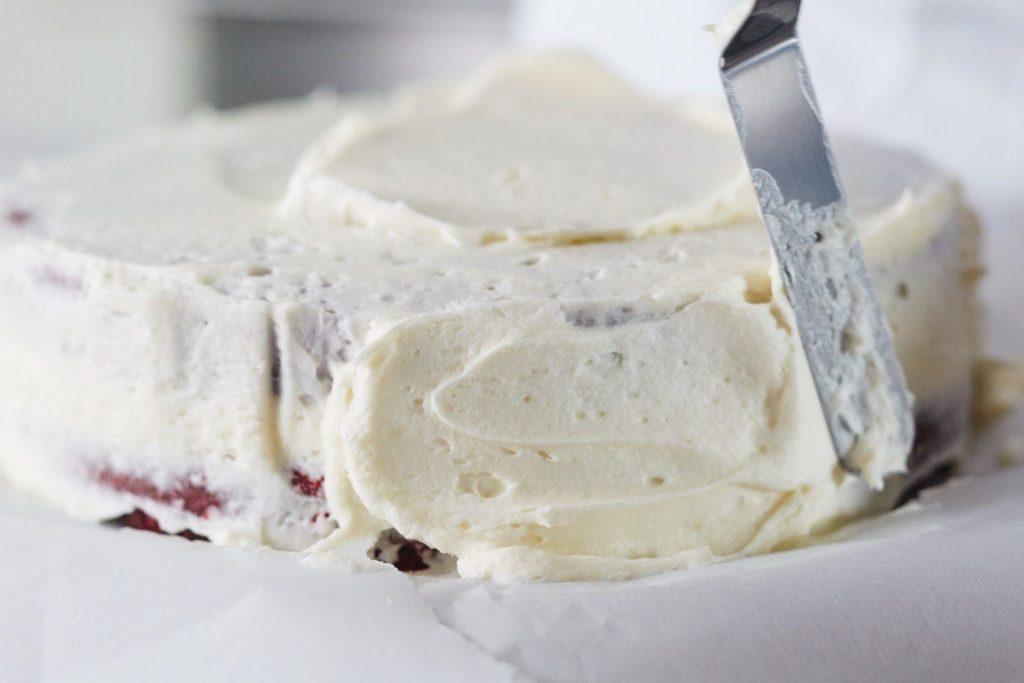
If your cream cheese starts to bubble, it may be because air has been introduced during mixing. This can be resolved by stirring the cream cheese more slowly and smoothly. You can also try smoothing out the finished cream cheese that's bubbling with a spatula. To do this, add a little cream cheese into the resulting cavity and then smooth it out with a spatula.
Lumps
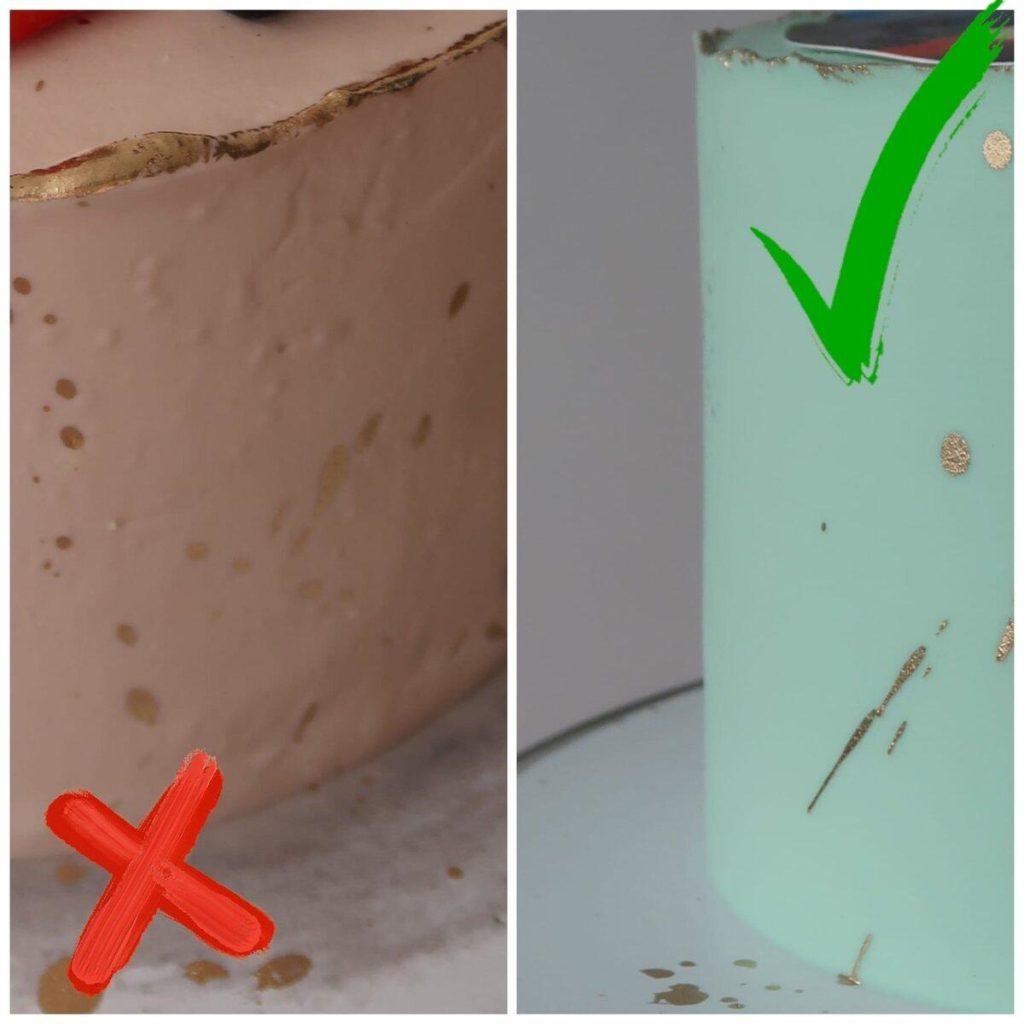
Lumps are another common problem when making cream cheese. They can seriously spoil the appearance of the finished dish, so their formation should be prevented during cooking. Lumps can form due to large temperature differences between the ingredients, poor quality butter, or poor quality cheese. Lumps can also form during smoothing if the consistency isn't mixed thoroughly enough.
Conclusion
Cream cheese frosting is a sophisticated way to decorate desserts. It's fairly easy to make if you follow the proper technique and proportions. It's also important to choose the right recipe, one in which the ingredients complement each other well and mix in the right proportions. Even if the cream's consistency is off, you can always try to improve it with various life hacks, suitable for both butter and cream-based frostings.
Beginners should try working with butter cream first, as it's considered simpler and easier to prepare. More experienced pastry chefs can create desserts with cream, creating a truly rich flavor for their dishes.