7 mistakes that prevent egg whites and sugar from whipping

Content
Many inexperienced cooks encounter certain problems when whipping egg whites. To achieve a fluffy and stable foam, it's essential to strictly follow the proportions, use the right utensils, tools, and high-quality ingredients, and consider all the nuances of the preparation process. This article will discuss the factors that can ruin your egg white cream.
7 Common Mistakes That Prevent You From Getting Protein Foam
There are several common mistakes beginner cooks make when whipping egg whites: poor egg quality and temperature, inaccurately separating the whites from the yolk, using unsuitable utensils, beating the ingredients in the wrong order, and using different temperatures. Below, we'll examine each of these mistakes in more detail.
Egg quality
If you want a fluffy and stable foam, avoid using eggs that are too fresh. The optimal age for whipping is 5 to 7 days. If you use eggs straight from the chicken, you won't achieve the desired cream consistency; it will remain runny.
When purchasing, I recommend checking the freshness of the egg by gently shaking it. If it's too light and/or makes a bubbling sound, I don't recommend buying it. Also, pay attention to its appearance—it shouldn't have any cracks or damage.
Protein temperature
If your egg whites aren't whipping, you may have used a very cold egg white. Cold egg whites are easier to separate from the yolk, but they have a harder time oxygenating them. Therefore, if you want to achieve a perfect foam, you need to prepare your eggs at room temperature. To do this, remove them from the refrigerator ahead of time or separate the whites from the yolks, then let the mixture cool.
Unclear separation from the yolk
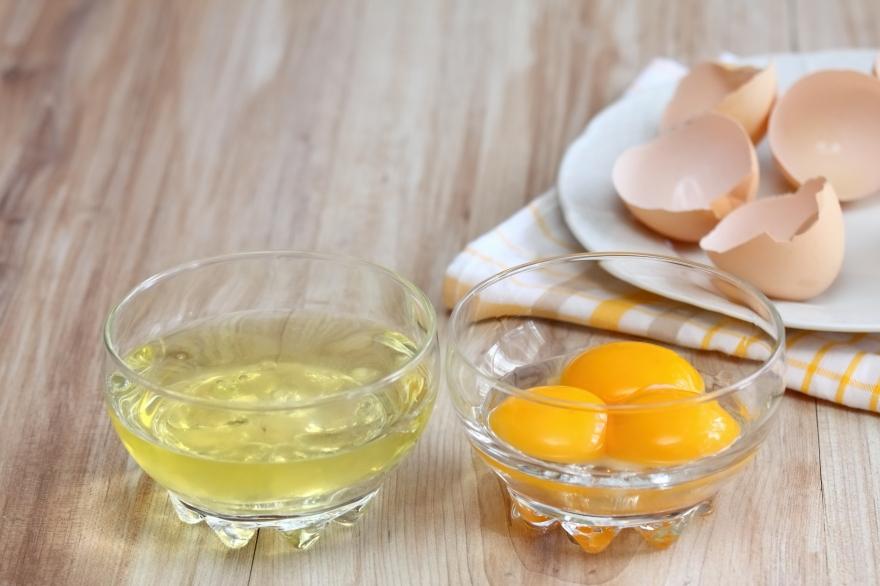
Another reason why the whites don't whip to peaks is careless separation from the yolk. During this process, be careful not to let any of the yolks fall into the foam-making bowl. I recommend doing this in a separate bowl to avoid damaging the entire white mixture. Be careful when breaking the shells to avoid damaging the yolk. If the yolk is intact, it's much easier to transfer it to another bowl.
Inappropriate or wet dishes
The first thing to consider when choosing a bowl for whisking eggs and sugar is the material it's made of. Glass, copper, metal, or ceramic bowls are best. I strongly advise against whisking egg whites in a plastic bowl, as this material absorbs fat well and can stain the whites grayish.
Before whisking, thoroughly wash and dry the bowl. If there's even a drop of water in the container, the eggs won't whip into a foam. It's a good idea to degrease the bowl first by wiping it with a cloth soaked in lemon juice, vodka, or an alcohol solution.
I also recommend choosing a deep bowl, as the egg whites expand several times in volume when whipped. The shape of the bowl is also important – it's best to mix the egg whites and sugar in a round bowl so the ingredients are evenly aerated and don't accumulate in the corners.
The mixer is not powerful enough
When making egg white foam, don't use a mixer at maximum speed, but insufficient power can also be a problem. As a last resort, you can try whisking the eggs with an immersion blender using a narrow bowl. However, this will take significantly longer.
Incorrect order of beating eggs
To obtain airy and stable foam, it is necessary to strictly adhere to the proportions and order of adding the ingredients.
- First of all, you need to beat the whites well, adding a small pinch of salt, until the mixture turns white.
- Then gradually add half of the prepared sugar or powdered sugar in small portions, without turning off the mixer.
- Beat the remaining sand with the yolks and combine both mixtures.
- If a recipe calls for additional ingredients, use them at the last stage of preparation.
Different temperatures of ingredients
Even air distribution is the key to a fluffy and stable egg white foam. To achieve this, it's important to use products at a uniform temperature (room temperature). This rule is especially important when making egg white buttercream. In this case, the butter, like the eggs, should be removed from the refrigerator beforehand and left in the kitchen for a while.
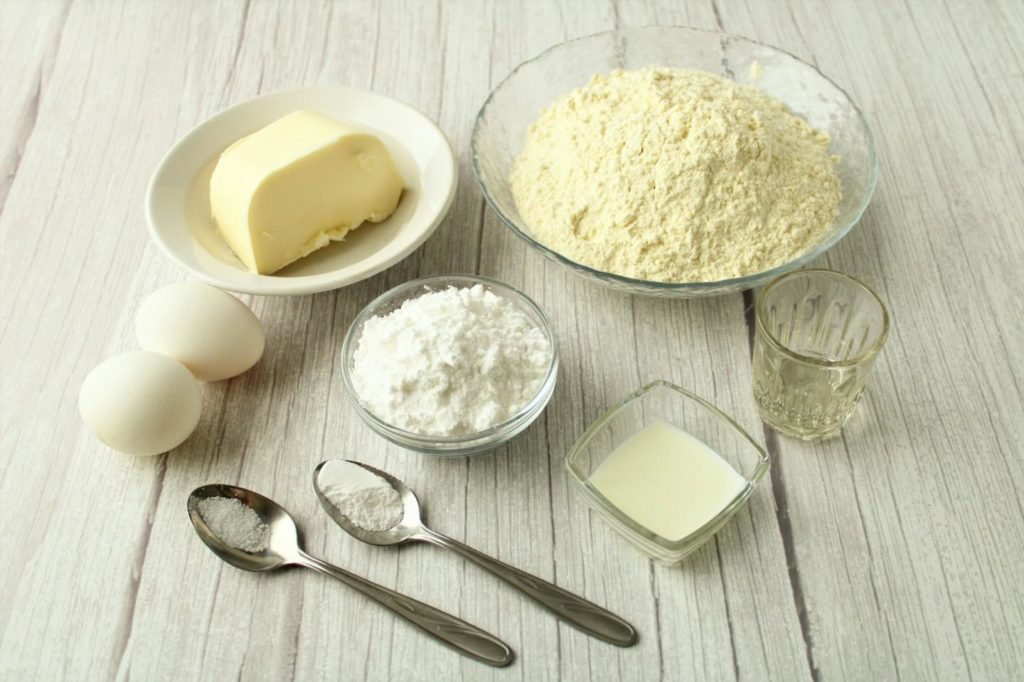
How to properly beat egg whites with sugar
To obtain the perfect protein cream, you must follow the following preparation rules:
- First, carefully separate the whites from the yolks. Be careful not to let any of the other ingredients fall into the mixing bowl.
- Then turn the mixer to low speed and begin whisking the egg whites. Once the mixture becomes lightly foamy and pale, reduce the mixer speed to medium.
- After 5-7 minutes, gradually add granulated sugar (preferably fine-grained) or powdered sugar using a teaspoon, whisking continuously. Be careful not to use the mixer on high power.
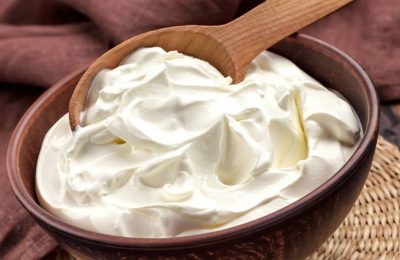
- Continue whisking until the sugar is completely dissolved. You can check the thick cream's readiness by tilting the bowl sideways. If the foam doesn't overflow, turn off the mixer.
It's important not to overbeat the egg whites, otherwise the mixture will become too thick and dry. In this case, I recommend adding fresh egg whites and whisking until the mixture reaches the desired consistency.
How to easily separate egg whites from yolks
There are several ways to separate the white from the yolk:
- Prepare two clean, completely dry glasses and a funnel. Carefully break the eggshells into two equal pieces with a sharp knife and, if possible, pour the whites into one of the glasses. Place the yolk and remaining liquid into the funnel, which should be positioned over the other container. This will ensure that the yolk remains in the funnel, while the whites flow into the glass. Finally, pour the egg white mixture into a mixing bowl.
- Carefully crack the egg with a fork or knife and pour the contents into the palm of your hand. Make sure the yolk remains intact. Pass the white through the bowl, squeezing your fingers loosely, like a sieve. Transfer the yolk to another container. You can use plastic gloves for this.
- Crack the shell in the center and separate the halves so that the yolk is in one half and remains intact. Carefully pour it from one half of the shell to the other, pouring the white into a container.
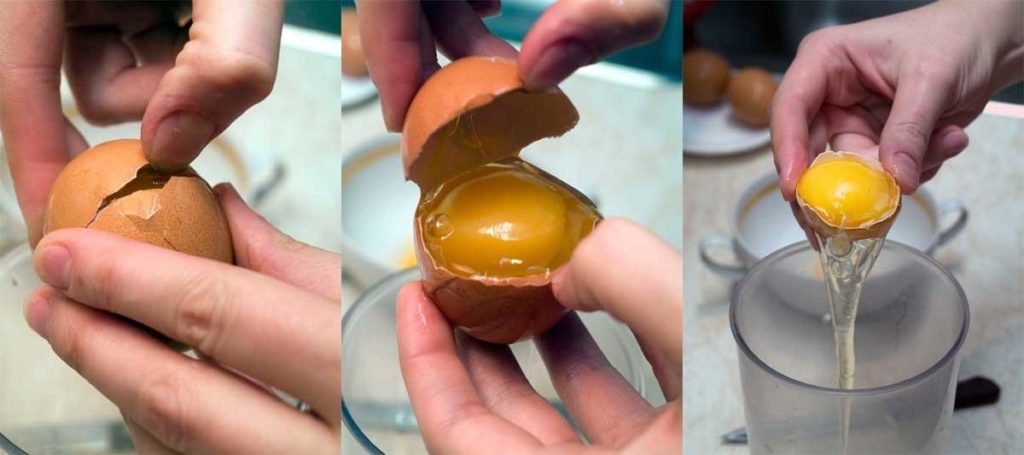
- Crack the egg and pour the contents into a bowl. It's very important not to break the yolk. Then, scoop it out with your hands, a spoon, or a plastic bottle, squeezing the sides.
- Make a hole in the top of the egg with the tip of a knife or a toothpick and pour the egg white through it into a dry bowl. If necessary, you can widen the hole or make another one on the opposite side.
I recommend separating the white from the yolk over a separate bowl so that you can discard the spoiled mass from one egg, rather than all the protein liquid.
Is it possible to save protein cream?
If you see any shell particles or yolk droplets after separating the whites from the yolks, carefully remove them with the shell or a clean spoon. I don't recommend using your fingers, as your hands always have some oil on them, which can prevent the whites from forming a fluffy foam. If you can't remove the yolk completely, I recommend preparing the whites again.
To create airy and stable egg white foam, you need to practice regularly and pay attention to all the nuances of preparation. It's crucial to select high-quality ingredients, maintain proper proportions, and follow the correct order when adding ingredients. If the cream is thick and dry, add fresh egg whites and beat until the mixture reaches the desired consistency.