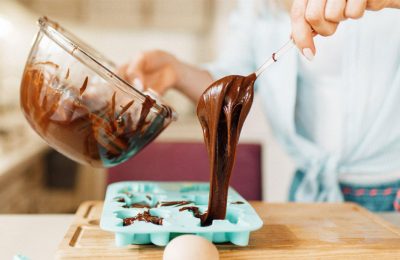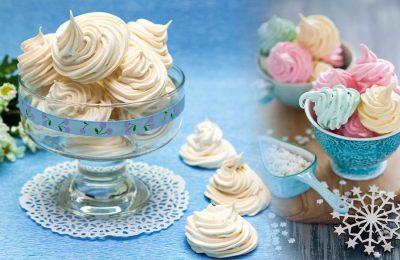
What to do if the cream separates while whipping

Content
Continuing with the subtleties of confectionery, we'll discuss why cream curdles and separates when whipped, and share professional recommendations on what to do if the cream separates during whipping.
How to choose the right whipping cream
Cream is a natural dairy product produced by separating whole cow's milk. The process involves separating the fat fraction from the milk plasma heated to 45°C.
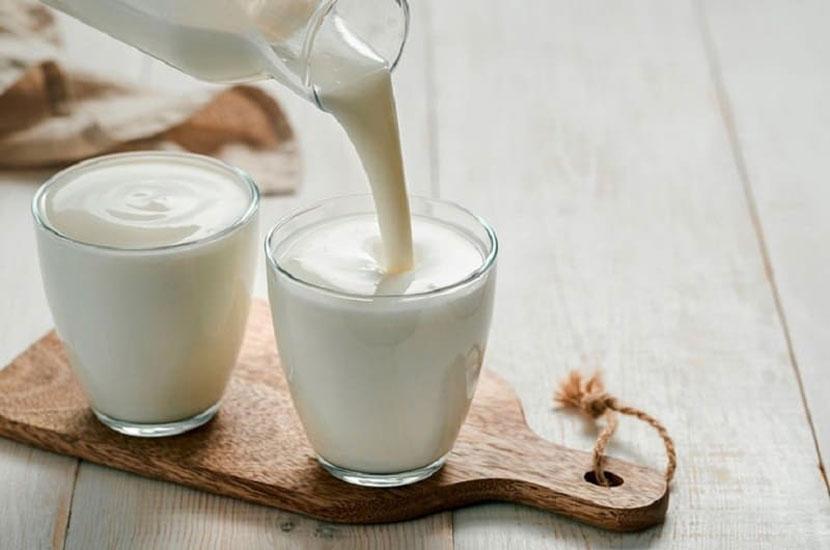
In cooking, natural cream is widely used in recipes:
- creams for layering cakes and decorating desserts;
- baking dough;
- sweet and savory sauces.
Alternatively, dairy cream in recipes can be replaced with a similar plant-based product. However, it's important to remember that plant-based cream whips less easily and curdles more rapidly when heated.
Top 5 mistakes when working with cream
To understand why beginning cooks and pastry chefs experience cream curdling and separating while preparing various dishes, let's look at the main mistakes.
Mistake #1 – Low fat
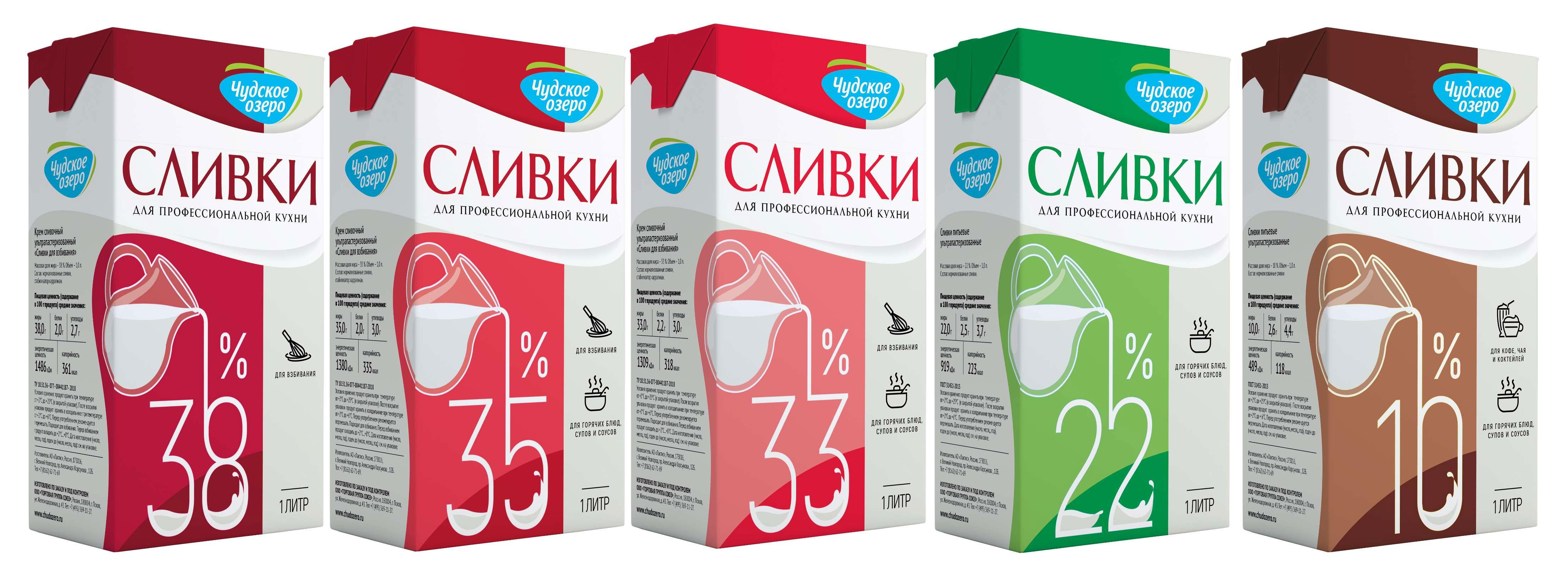
What is the difference between low fat and high fat products?
| Fat content | Protein | Milk sugar | Liquid (water) | Caloric content |
| 10% | 2.8 | 4.4 | 81.9 | 124 kcal |
| 20% | 2.6 | 3.8 | 72.8 | 213 kcal |
| 35% | 2.0 | 3.2 | 58.9 | 348 kcal |
Pay attention to the water content of different types of cream. It's precisely because of the high water content that you might see the cream separate when whipping low-fat varieties (the water separates, and the fat forms unsightly lumps). Low-fat cream will also remain runny when whipped. It's impossible to achieve a dense, elastic mixture with 10% or 20% cream without adding gelling agents.
Mistake #2 – Violation of storage terms and conditions
Herbal analogues have a longer shelf life – 9 months in sealed factory packaging (and 7 days after opening).
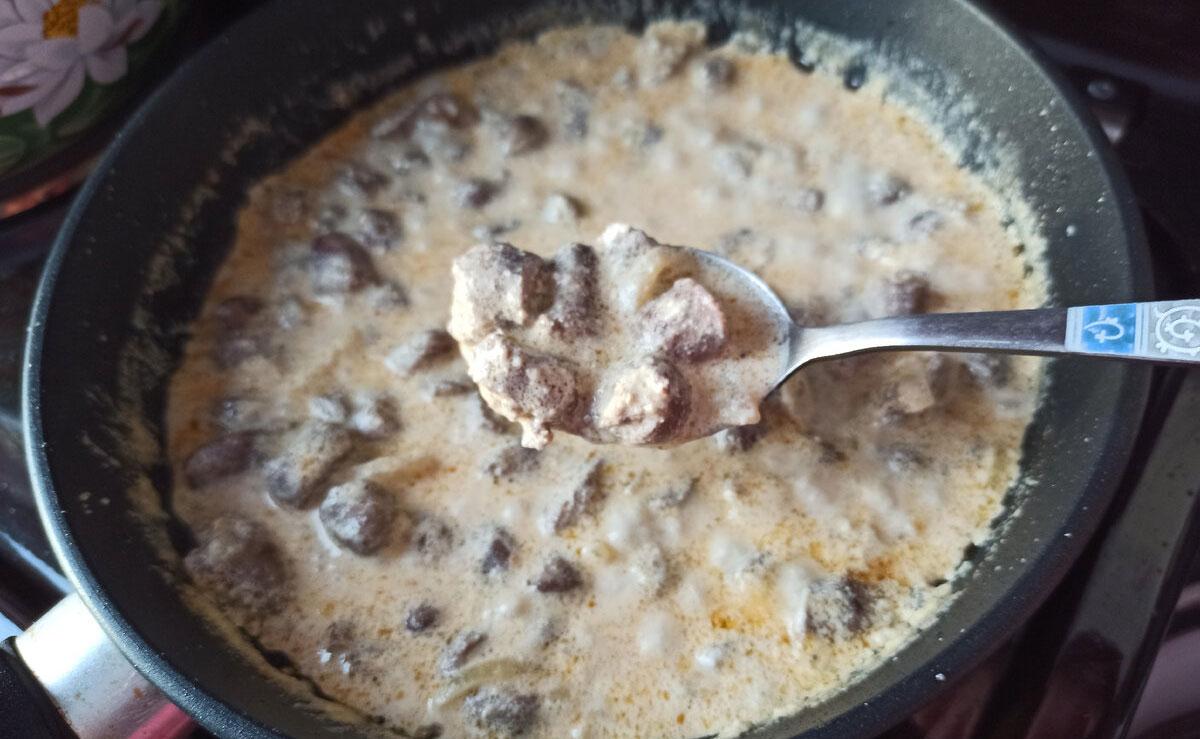
Under the influence of temperature and external factors, fermentation processes quickly begin in dairy cream. During the initial stage of lactic acid bacteria growth, you may not notice the characteristic sour odor, but when heated, the product will immediately curdle, forming unsightly flakes.
Mistake #3 – Not following the recipe
In a sauce or soup, or when stewing meat or vegetables in a frying pan, you may notice that the cream has curdled unattractively if:
- cream contains vegetable fats;
- acidic products were added to the recipe;
- the cream was not preheated to room temperature;
- the cooking temperature of the dish was exceeded (the cream should not be brought to a boil).

If you're planning to make a creamy sauce for pasta carbonara, follow these tips from experienced cooks:
- add heated high-fat cream to the pan;
- whisk the sauce constantly;
- Use a little flour or starch when cooking to prevent potential problems.
Mistake #4 – Violating the whipping technique
To understand why the cream curdles when whipping, it's worth analyzing your actions and possible mistakes during the whipping process.
Most often, problems arise due to two main errors:
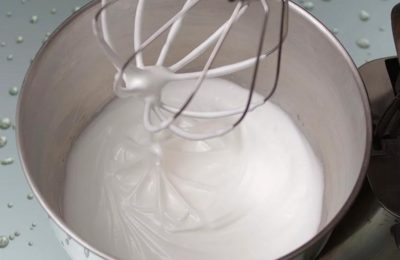
- The whisking speed is too highThat's why it's best to make whipped cream cake frosting in a professional stand mixer.
- Beating too longIn this case, the cream is said to be "overwhipped," which visually appears as the liquid fraction separating and forming unsightly lumps of butter.
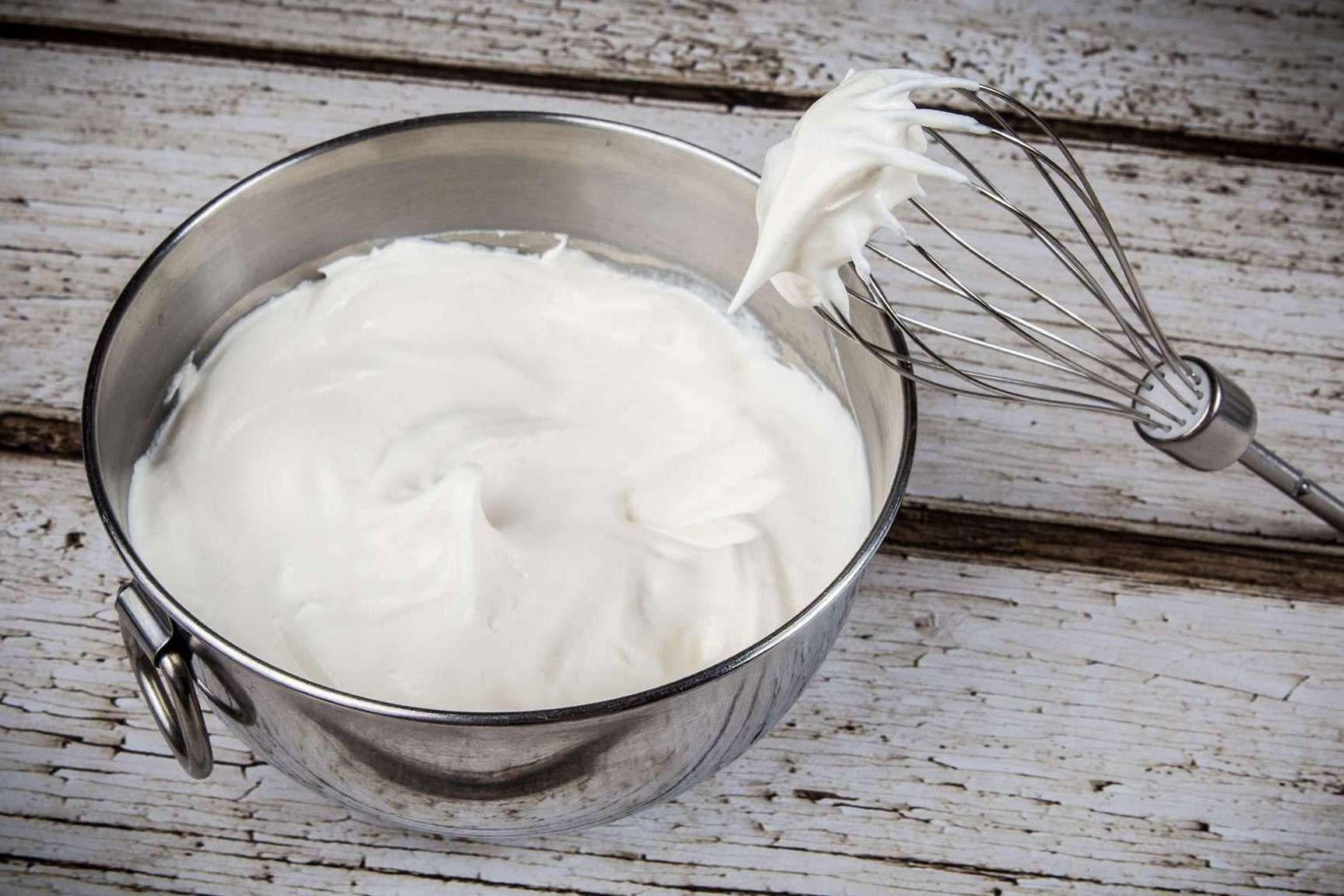
From experience, it's worth adding that cream most often curdles when whipped with condensed milk and chocolate, so such recipes should be mixed especially gently at the lowest speed.
Mistake #5 – Whipping cream that isn’t chilled enough
Another reason why the cream curdles and does not thicken is the wrong temperature.
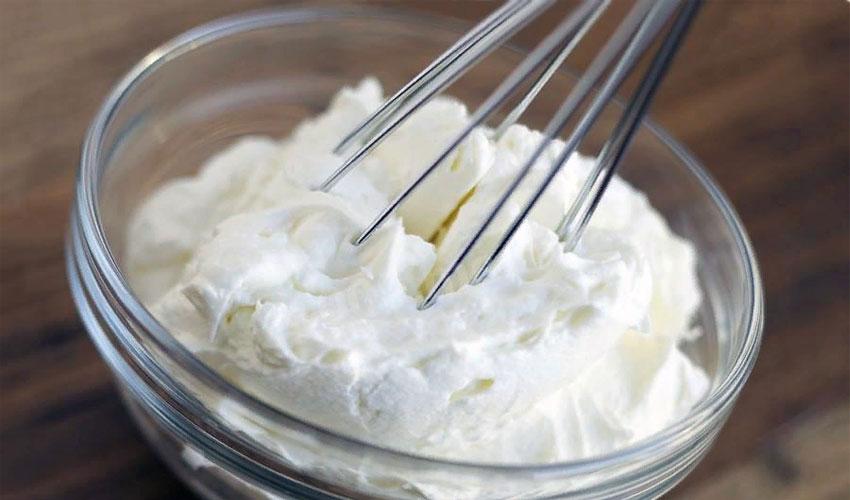
If you don't have time for this, you can prevent defects during whipping by placing the whipping bowl and whisk in the freezer (for a maximum of 15 minutes).
What to do if the cream separates while whipping?
A double boiler can help remedy the situation. Heat the mixture while stirring constantly until the lumps of butter begin to melt. Then, whisk until smooth and refrigerate. Once the cream has cooled well, you can try whipping it again.
To eliminate the "curd" effect of over-whipped cream, you can simply add a little fresh liquid cream to the mixture and mix until smooth without using a mixer.
Advice from confectioners
For more information on how to prevent cream from curdling and how to properly whip crepe to stiff peaks, watch these videos: