Invert syrup: what is it and what is it used for?

Content
Invert syrup is a common ingredient in confectionery. In this article, we'll explore in detail what it is (how it differs from glucose, maple, and corn syrups) and why it's important in sweet recipes. This page also includes a simple step-by-step recipe for making invert syrup at home and storage recommendations.
Features of invert syrup
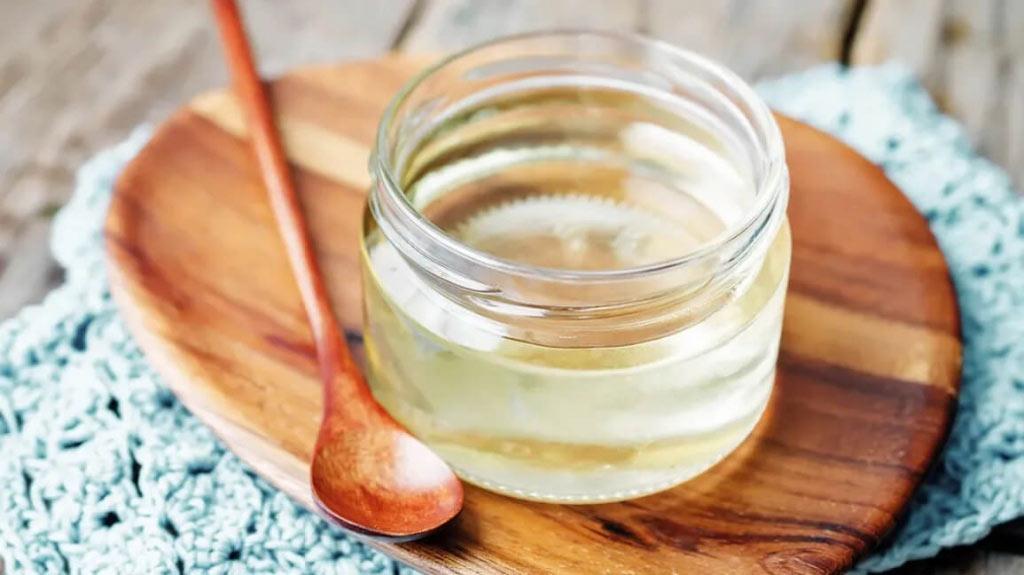
The main advantages of this product include:
- preventing crystallization;
- reduction in ice formation temperature;
- the ability to retain moisture and prevent desserts from drying out and cracking quickly;
- increasing the plasticity of the dough;
- absolute transparency;
- the presence of a pleasant aroma without harsh notes;
- higher level of sweetness (syrup is 20% sweeter than sugar).
To give the dessert a sweet taste, significantly less syrup is needed than sugar. As a result, the dish will contain less glucose and be lower in calories.
Areas of application
Using this component you can prepare:
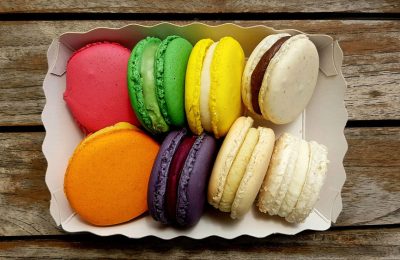
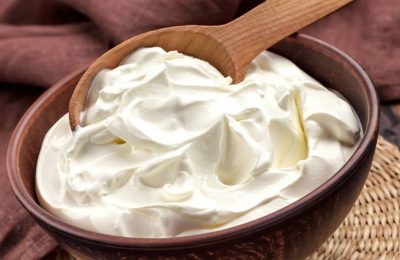
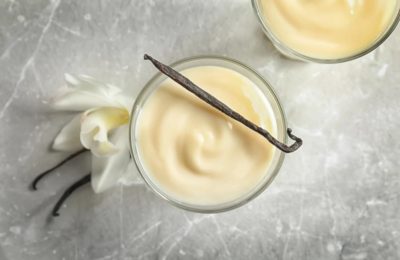
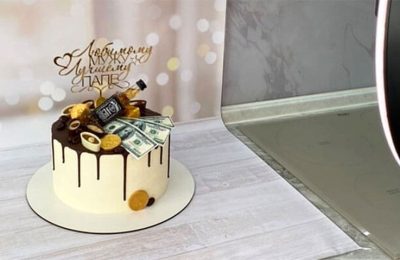
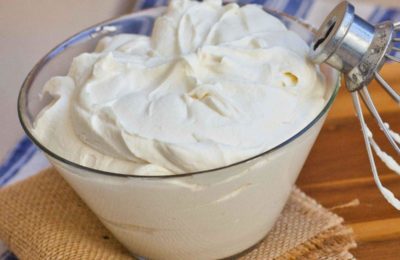
- creams and mirror glaze for cake;
- mousses;
- ice cream;
- meringue;
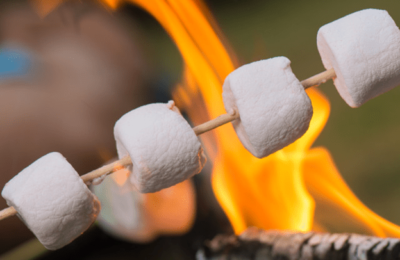
- marshmallows and marshmallows;
- marmalade;
- isomalt;
- marshmallows;
- artificial honey;
- jam;
- candy;
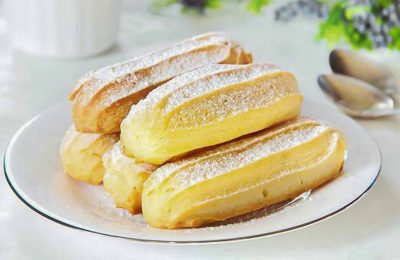
- sweet pastries;
- gingerbread;
- juices and soft drinks;
- alcoholic beverages (beer, whiskey, gin, sparkling wines, etc.).
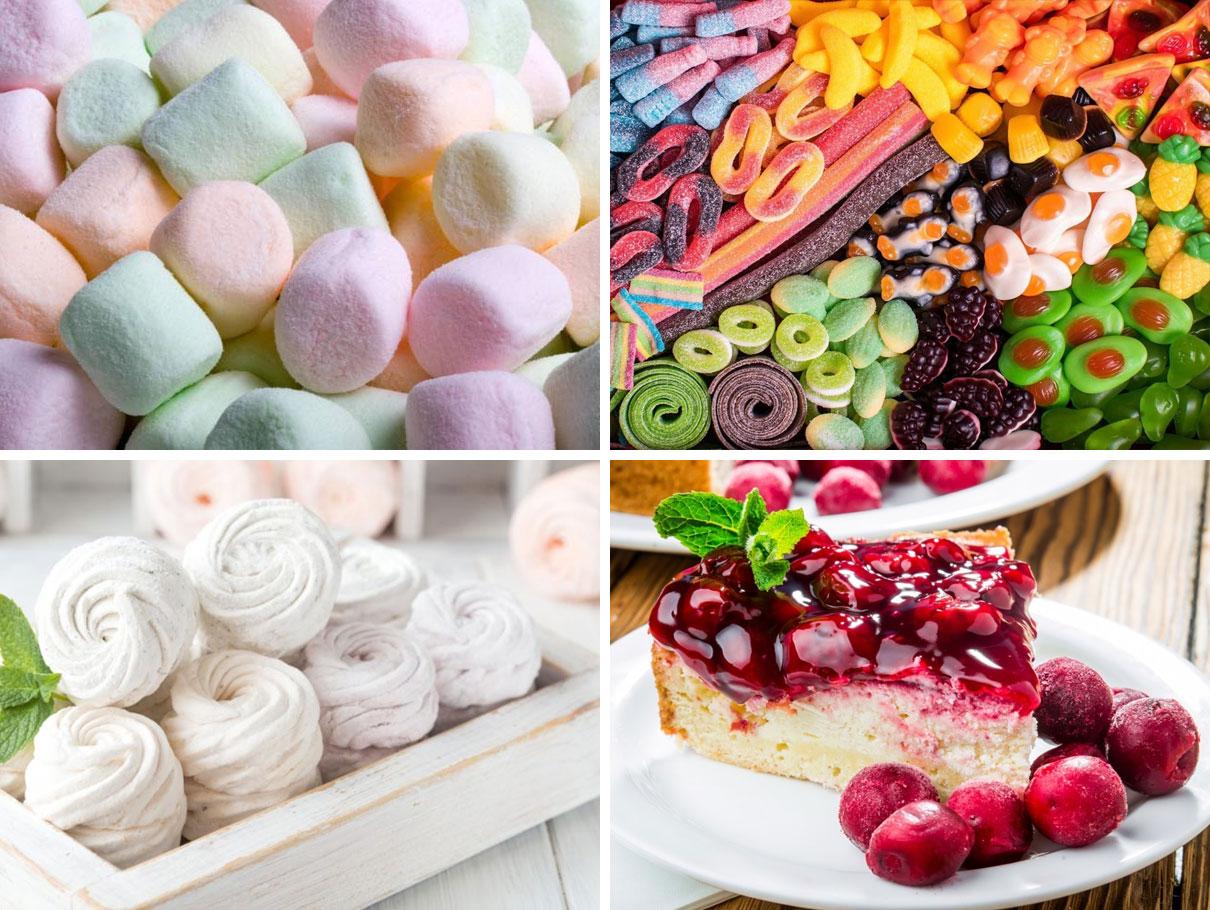
Invert syrup and other sweeteners (differences, can they be substituted)
Let's figure out what the difference is between them:
- invert syrup prevents crystallization and drying out (cracking) of the mass to which it is added;
- glucose syrup reduces the freezing temperature of solutions and creams (produced in industrial conditions, completely transparent);
- corn syrup its composition is closer to molasses (it contains a lot of glucose), it has a specific taste and color, which in turn can affect the properties of the product;
- molasses – another type of molasses, which is obtained during the sugar refining process as a by-product (it has a pronounced caramel flavor and aroma);
- maple syrup Its properties are similar to those of invert syrup, but its price is significantly higher, since to prepare 4 liters of syrup, it is necessary to boil down 150 liters of sugar maple sap.
This is why it is not always possible to replace the inert syrup in a recipe with another sweetener.
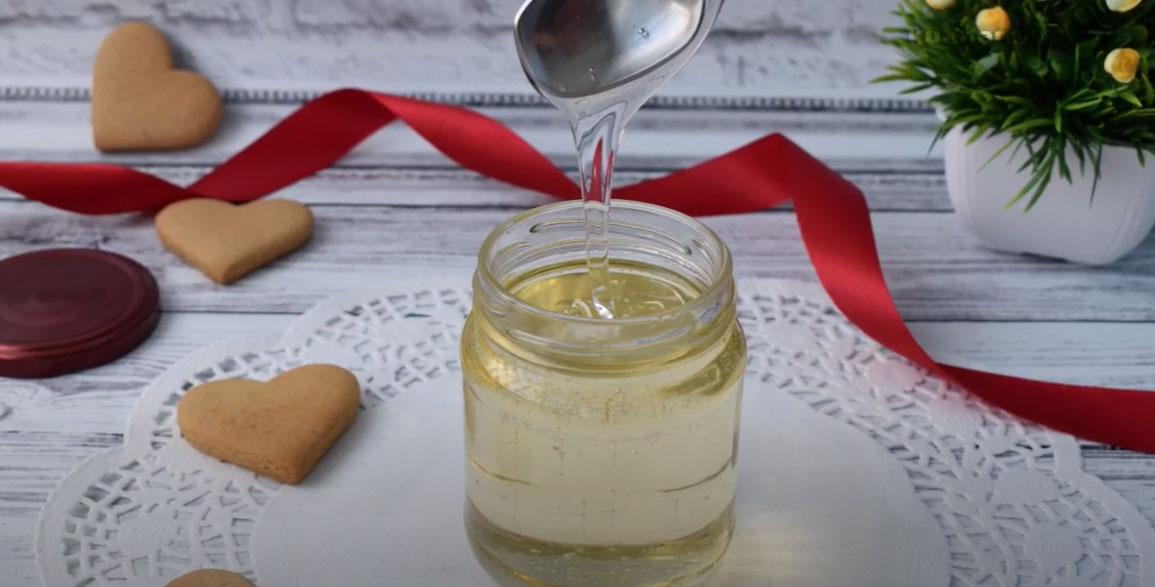
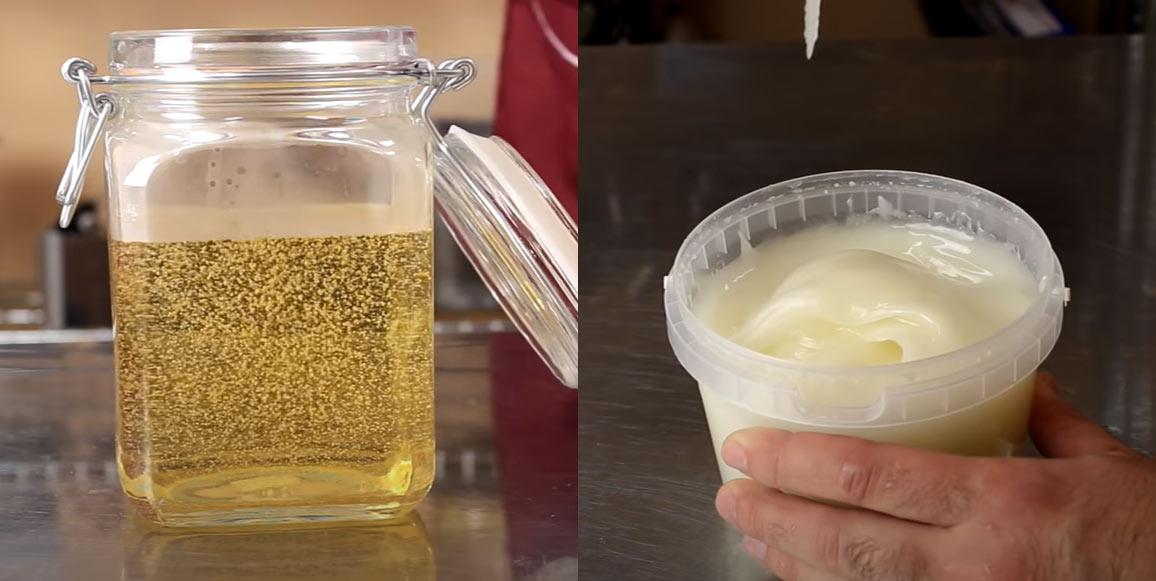
Beginning confectioners often wonder what the difference is between ingredients like "invert sugar" and "invert syrup." The main difference is the ratio of sucrose, but there are also differences in the consistency and color of the solution:
- Name Invert syrup It's commonly used to make so-called full syrup, which contains little sucrose. It's a clear, fairly liquid substance. It's most often used in baking.
- Name Invert sugar The term "medium invert syrup" is used to describe a medium invert syrup, also known as Trimolin (the company that marketed it). Because the syrup is mixed with sugar in a 1:1 ratio, it is white and has a thicker consistency. It has proven to be much more effective in frozen desserts, creams, and mousses.
Knowing this feature and the differences between existing sweeteners, it becomes clear that no matter what you try to replace invert sugar with, you will not be able to achieve the same physical and chemical properties of the final product.
Invert Syrup: A Classic Step-by-Step Recipe
- Proteins: 0 g
- Fats: 0 g
- Carbohydrates: 69.6 g
- Total time:
- Time in the kitchen:
-
Complexity:
It's easy and straightforward to prepare, but it does require some experience. Not everyone can do it right the first time.
- Number of servings: 1
Ingredients
-
Sugar360 G
-
Water160 G
-
Soda1 G
-
Citric acid1.5 G
Preparation

Also, prepare some boiled water at room temperature to make a baking soda solution (the baking soda must be diluted). Dissolve the baking soda in the water and set it aside for now.

Pour 360 grams of sugar into a saucepan and add 160 grams of hot boiled water (this will help the sugar dissolve faster).

Place the sugar solution on low heat and, gradually stirring, bring to a boil.

Add citric acid to the boiling sugar solution.
After adding the acid, the mixture will turn white and begin to foam, but when stirred, the foam will quickly subside.

Once the foam subsides, stop stirring the syrup. Cover the saucepan with a lid and simmer for about 20 minutes over low heat until the temperature reaches 100°C.

After 20 minutes, check the syrup's temperature and assess its quality. The mixture should be clear, as shown in the photo.

Remove the saucepan from the stove, let the mixture cool to 80 ℃ and add the soda solution to the hot syrup.
The solution will foam as the acid neutralizes. To speed up the process, stir the syrup slowly with a silicone spatula.

We can say that the acid neutralization process is complete if no new air bubbles form when stirring the syrup.

Pour the finished syrup into a storage container. Let it cool completely and remove any air bubbles, uncovered.

After 3 hours the syrup will become clear and transparent.
Pastry Chef's Advice
For more information on how to make sugar syrup for confectionery, watch this video: