How to quickly defrost dough

Content
Housewives often need to quickly defrost store-bought dough. The key is to do so without spoiling the product. To ensure successful defrosting, it's important to consider the type of dough and its properties.
If you follow the rules, homemade baked goods will certainly turn out golden brown and delicious.
How to quickly defrost dough: 5 effective methods
There are several methods for making homemade baked goods using store-bought dough. To delight guests with pies, it's not recommended to microwave frozen dough.
It is believed that in a microwave oven:
- the structure of the product is damaged;
- its taste qualities change;
- beneficial properties are reduced;
- the temperature increase occurs unevenly.
If time is limited, a microwave can be used. If time allows, other effective methods are recommended.
Below are some effective methods:
| Defrosting options | Step-by-step instructions |
| Natural conditions | 1. Remove from the freezer and leave in the kitchen for 3 hours at room temperature. 2. Cover with a towel. 3. After 1.5 hours, the layer needs to be turned over. |
| Oven | 1. Preheat oven to 90 degrees. 2. Place the product on a baking sheet lined with parchment paper. 3. Hold for exactly 3 minutes |
| Battery (in winter, when the heating is on) | 1. Place the dish on the radiator for 2 hours. 2. Turn over every half hour |
| microwave oven | 1. Keep the frozen layer in the refrigerator for 45 minutes. 2. Place in the microwave for 10-15 minutes. 3. Every 30 seconds, take the dough out and turn it over. |
| Water | 1. Fill a saucepan with cold water. 2. Place the semi-finished product tightly in a bag. Pack it so that no air can get through. 3. After 20 minutes, place the product in warm water. The water method is the most gentle. |
Experienced housewives claim that the best (but also the longest) method is natural conditions.
7 defrosting options
Use a microwave for defrosting only if the pre-cooked product does not contain yeast. Heat it on minimum power for 1-2 minutes, turning occasionally to ensure even defrosting. Yeast or yeast-free dough can be prepared using other methods.
Using a towel
To thaw a commercial product for a few hours, remove it from its packaging, place it on a cutting board, and lightly dust it with flour. Cover it with a thick terry towel and let it rest until the dough becomes soft. If you don't have a suitable towel on hand, use plastic wrap instead.
You can increase the defrosting speed by 2-3 times by placing the frozen food near a heating element or on a saucepan or frying pan lid. Turn it periodically to ensure even defrosting.
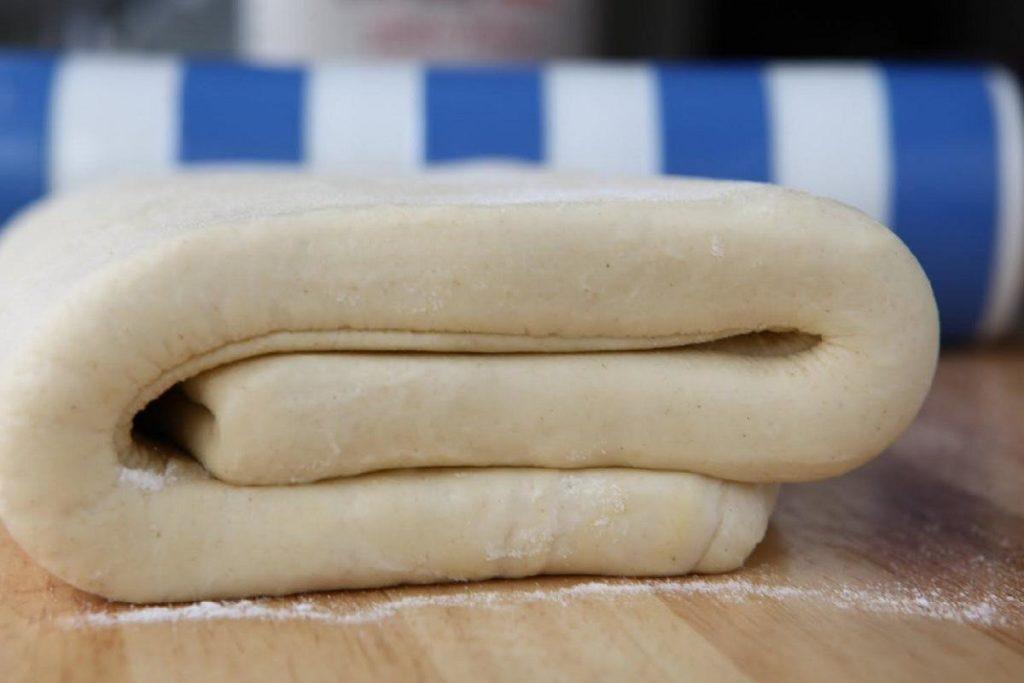
Don't separate the puff pastry sheets beforehand, as this will disrupt their structure. Do this only after they have become soft and elastic.
In the refrigerator
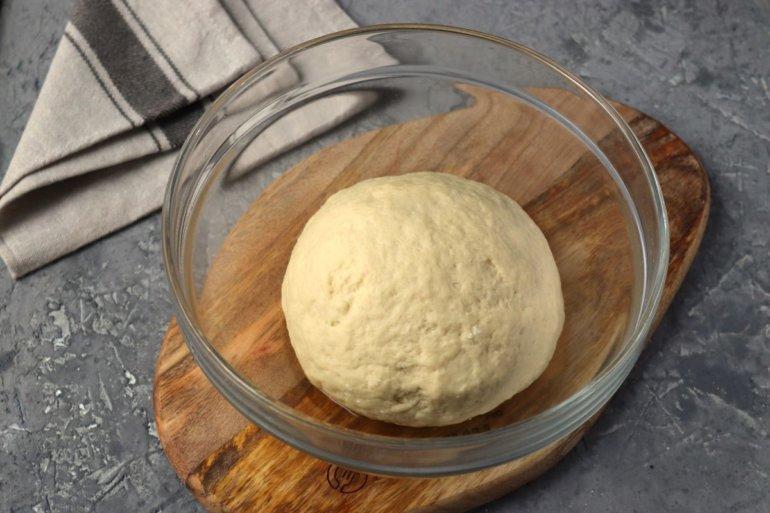
Experienced cooks recommend defrosting the dough slowly in the refrigerator. This helps preserve the chemical composition and the flour gluten. Transfer the frozen dough to a refrigerator shelf where the temperature remains between 3 and 5 degrees Celsius. It will be ready to use in 8-12 hours.
You can also thaw it at room temperature, but there's a risk of it drying out. To prevent this, brush the baked goods with water or a few drops of vegetable oil. It should defrost in 3-5 hours.
In a water bath
You can defrost the dough in a double boiler for 30-40 minutes. Fill a large saucepan with water and place the medium saucepan with the frozen dough inside. Place over low heat and heat until completely thawed. The dough may stick to the sides of the pan during heating. To prevent this, grease the sides with vegetable oil or butter beforehand.
With hot water
Remove the frozen product from the freezer and remove it from the original packaging. Wrap it in 4-5 layers of heavy-duty plastic wrap, making sure there are no open spaces. Submerge it in hot water, preferably pre-boiled, and let it sit for 1 hour, uncovered. This time is enough for it to defrost completely.
Homemade baked goods are always delicious, filling, and very healthy. But often, every homemaker is faced with a variety of options... A universal mayonnaise dough for any baked good—a recipe worth remembering.
On the battery
During the heating season, you can thaw the food on a radiator for 1 hour. Place a mat on the radiator, place the food on it, and cover it with a terry towel or cling film. Turn it every 20 minutes until it softens. This should only be done on a radiator; never attempt it on a space heater.
In the oven
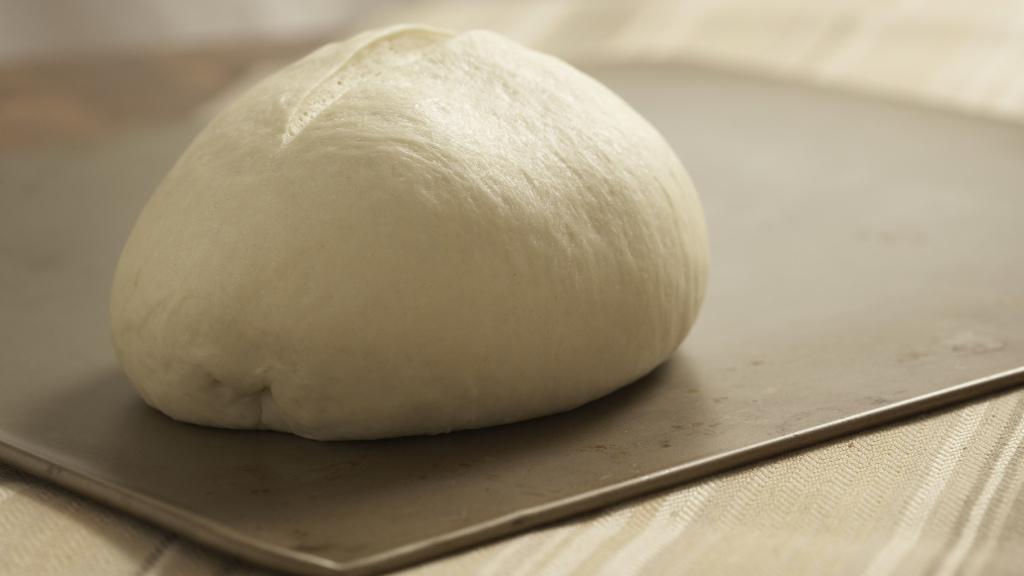
Unleavened dough can be quickly defrosted in the oven. Frozen yeast-based dough should not be reheated, as this will alter its properties. Line a baking pan with parchment paper or foil, place the dough on top, and bake in a preheated oven at 70°C (168°F). 2-3 minutes is enough to prepare the semi-finished product for cooking. Caution!
Do not reheat the product in the oven for more than 3 minutes. Over this time, it will dry out considerably and become unsuitable for cooking.
On the plate
You can completely defrost the food in 3-4 hours by transferring it to a regular glass dish and placing it near a hot burner. When preparing other dishes, place the dish near a hot kettle, frying pan, or saucepan.
VIDEO: How to properly defrost dough?
Slow defrosting
When there is enough time, it is better to use gentle methods for defrosting.
1. Remove the dough from its packaging—this could be film, foil, or a bag. Place it on a board or a prepared rolling mat and let it rest. Don't unwrap or separate the layers until completely thawed, as they may crumble or break, making it difficult to roll out. At room temperature, five hours is sufficient. Only after the dough has completely thawed can you safely unwrap it.
2. Leave the dough on the bottom shelf of the refrigerator overnight, without unwrapping it. It will thaw in about 10 hours. Even if your plans change and you decide not to bake, the dough can easily sit in the refrigerator for a little longer – the layers will not stick together.
Features of defrosting different types of dough
It would seem that defrosting dough couldn't be simpler—just take it out and let it thaw completely. But this process has its challenges. Firstly, it can take a long time, and secondly, mistakes can be made during defrosting. If defrosted incorrectly, the dough may develop a dry crust or become watery, which will affect the taste of the finished dish. There's also a risk that the baked goods won't rise or will develop an off-flavor.
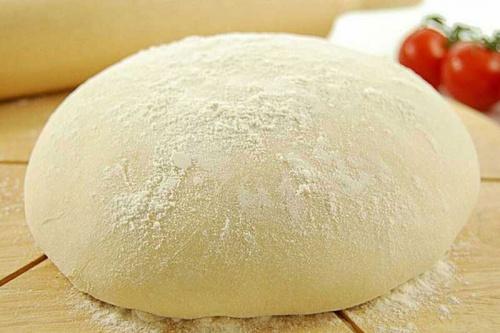
That's why it's important to ensure the dough's structure remains intact after defrosting, preserving its flavor and nutritional value. Let's look at how to properly defrost each type of dough.
Puff pastry
This puff pastry pairs well with meat, fruit, sugar, chocolate, and cheese. Whatever filling you choose, the dish is delicious and filling. It's best to work with the puff pastry when it's slightly firm and not allow it to thaw completely.
- Remove the dough from its packaging.
- Place the layers close to a heat source (oven, radiator or gas).
- When the dough has softened slightly, separate the layers. If it's rolled, unroll it.
- To prevent a dry crust from forming, cover with a towel or parchment paper.
- Leave it and check it periodically. Make sure no water forms.
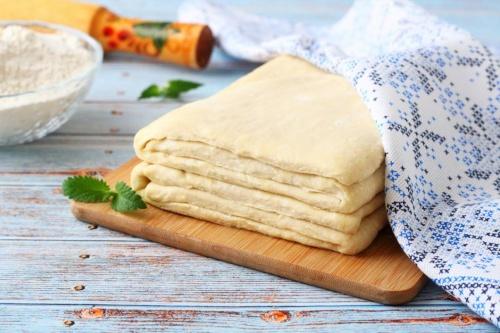
An alternative to this method is defrosting in warm water. Place the item in its packaging in warm water and wait for it to thaw.
Yeast
Yeast dough is unique in that it may not rise during baking. If left in a draft, it will collapse, and if too close to heat, it won't rise. Working with yeast dough is more difficult than with unleavened dough. It's important to maintain a gradual increase in temperature. The following steps will help you defrost it properly:
- Remove the product from the freezer and place it in a plastic bag.
- Place in the refrigerator for 2 hours.
- Remove and leave at room temperature away from heat and drafts.
If you need to defrost the mixture quickly, you can place it in a slow cooker and leave it at 40°C for 30 minutes. If you have a ready-made product, such as buns or pies, you should place them frozen in the oven at the lowest temperature, then gradually increase the temperature.
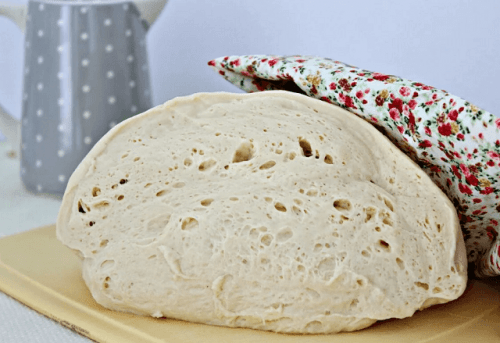
Yeast dough cannot be re-frozen.
Yeast-free
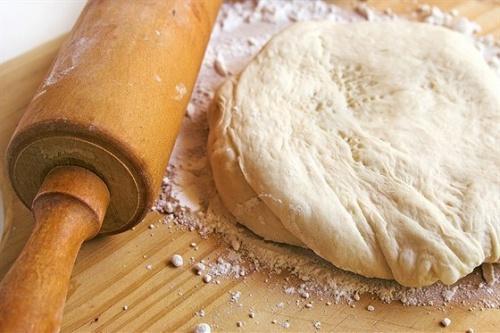
Homemakers love working with yeast-free dough, as it makes wonderful cakes, pies, pastries, cookies, and more. You can thaw the dough either at room temperature or in the refrigerator. But if you don't have time to wait, you can defrost it in a water bath:
- Pour water into a saucepan and put it on the fire.
- Place a smaller bowl on top.
- Place the frozen mixture into two plastic bags.
- When the water boils, place the dough in the bowl and cover with a lid, reduce the heat to low.
- Wait until it thaws completely.
You can also defrost the dough in hot water. To do this, pour hot water into a bowl, wrap the frozen dough in plastic wrap or foil, and place it in the water. When the water cools, replace it with hot water.
Shortbread
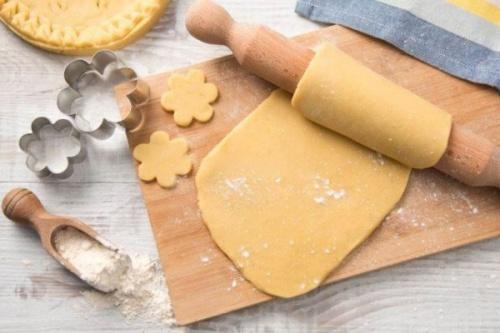
Baking is incomplete without shortcrust pastry, renowned for its crispy crust. It's perfect for pies, cookies, tartlets, and other dishes. To avoid hassle with defrosting, freeze it in small portions. It's best to roll the dough into balls, wrap them in cellophane, and freeze them; they'll keep for up to 2 months.
Shortcrust pastry should only be defrosted at room temperature. A water bath or hot water is not suitable due to the composition of the dough, specifically butter, which is sensitive to high temperatures.
For pizza
Pizza is a favorite treat for both adults and children. Frozen pizza is often found on store shelves, and manufacturers make frozen pizzas with toppings that can be placed in the oven without thawing.
Pizza crusts are easy to defrost, so you can defrost them any way you like. We'll tell you about the best method:
- Take out the dough and remove it from the packaging.
- Place in a bowl and cover with a towel.
- You can additionally sprinkle with water to prevent a dry crust from forming.
- After 1.5 hours, check the readiness.
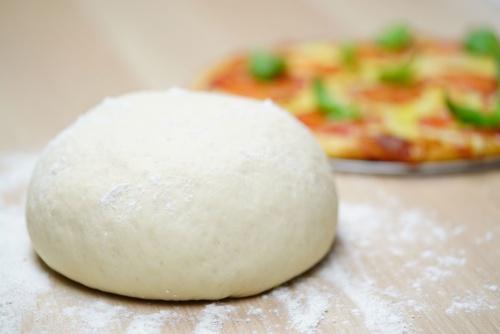
For ease of defrosting, place the semi-finished product in the freezer as a ready-made pizza base.
Pelmennoye
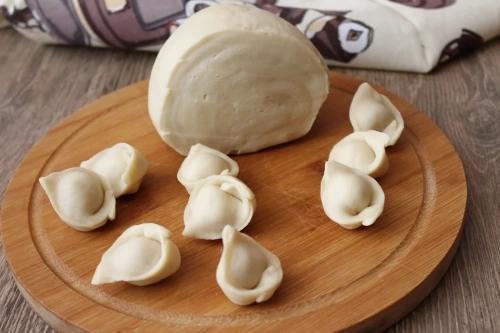
It's best to defrost the dumpling dough in advance. Ideally, refrigerate it overnight and then let it sit at room temperature for 1 hour. However, if you need the dough urgently, you can defrost it in hot water or a double boiler. However, you should periodically knead the dough with flour.
Filo dough
Phyllo is a very thinly rolled dough used for savory and sweet baked goods. Frozen phyllo doesn't like to be defrosted too quickly. But if you're stuck, you can use a water bath.
- Pour water into a saucepan and bring to a boil.
- Line the bottom of the second, smaller pan with parchment paper.
- When the water boils, lower the dough to the bottom.
- Defrost for 30 minutes.
- The finished dough should easily come off the paper.
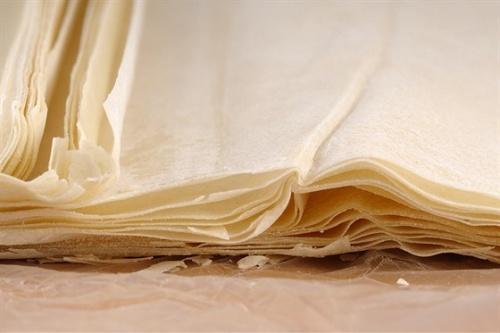
Filo dough is famous for its elasticity, so it is important not to overheat it so that it does not lose its properties.
Helpful Tips
To ensure that your homemade baked goods turn out truly delicious, take note of the simple tips below.
- Thawed dough of any type stays fresh for a couple of days if stored in the refrigerator at a temperature of 0 to +5 °C.
- When defrosting the semi-finished product in the air, cover it with a paper towel to prevent it from drying out.
- Puff pastry will become even fluffier if you put it in the refrigerator for half an hour after defrosting and kneading.
Features of choosing a test when purchasing
- The packaging must be airtight.
- The freezing method should be indicated on the packaging.
- Look for the number of layers on the packaging. The more layers, the tastier the baked goods will be. For yeast dough, this figure should ideally be 35 layers, and for unleavened dough, 225.
- Pay attention to expiration dates.
- Study the composition and make sure the product is natural.
- Price. Even the cheapest frozen dough can't boast quality or good taste. Choose dough in the mid-price range.
- Avoid buying dough that contains foreign particles. Also, avoid dough that sticks to the packaging.
Is it possible to refreeze yeast and unleavened dough?
The technology does not allow for refreezing the product. It is believed that this reduces the quality of the confectionery.
Sometimes housewives refreeze dumpling dough, but they advise against freezing yeast dough. Most of the yeast dies, and the dough doesn't rise well.
It's best to use all the dough from the freezer at once, and freeze the finished products if needed. You can bake pies, buns, or pre-made items (pizza bases, crusts, tartlets). These can then be reheated in the microwave or oven.
Sources:
- https://uborka-v-dome.ru/kulinariya/kak-byistro-razmorozit-testo.html
- https://Otbelim.com/hranenie/drugaya-produktsiya/kak-bystro-razmorozit-testo.html
- https://sgushhenka.ru/poleznye-sovety/bystro-razmorozit-testo.html
- https://heaclub.ru/kak-bystro-i-pravilno-razmorozit-testo
- https://OptTorgSar.ru/produkty-i-napitki/skolko-razmorazhivat-sloenoe-testo.html
- https://veve.ru/life/styl/kak-razmorozit-testo-8169/
- https://mikrovolnovochki.ru/poleznye-sovety/kak-razmorozit-testo-v-mikrovolnovoy-pechi/