How to store yeast and its shelf life

Content
Yeast dough is the basis for a wide variety of delicious homemade baked goods. If you plan to frequently delight friends and family with homemade baked goods, it's important to know how to store different types of yeast, the GOST shelf life for each product, and how storage conditions can affect this shelf life.
How does yeast work?
Various forms of yeast are widely used for dough preparation:
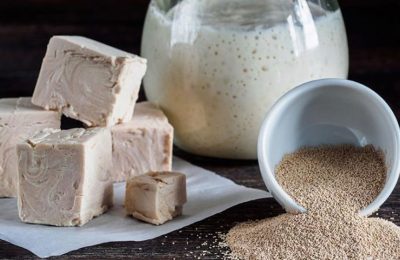
- raw, live or pressed – sold in briquettes;
- dried – are balls of different diameters (produced from pure yeast culture by drying to 8-10%);
- Instant (fast-acting) - these are special mushroom strains that have the highest possible effectiveness.
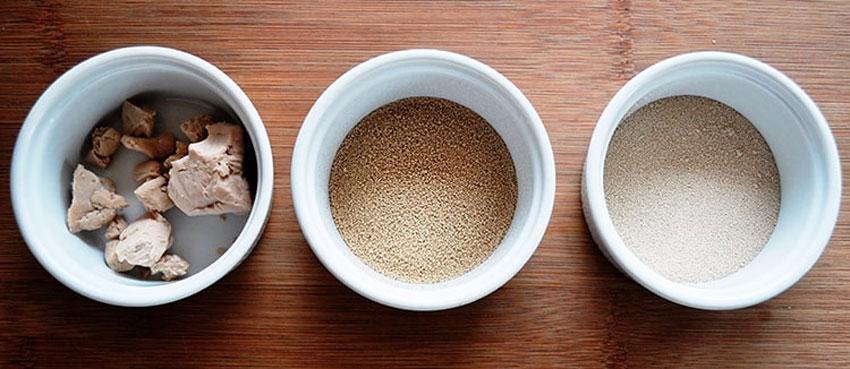
All three types of yeast are used to raise the dough and create a fluffy, porous texture, which is formed as microorganisms process sugars and release carbon dioxide, alcohol, and flavor components.
If the yeast has expired, there's a high risk of the mushrooms dying. Yeast can also spoil (die) if the recommended storage conditions aren't met. Such a product won't produce the expected rise, so don't use expired yeast.
How and how long can you store yeast?
Shelf life and storage conditions vary for different types of yeast.
Yeast in briquettes
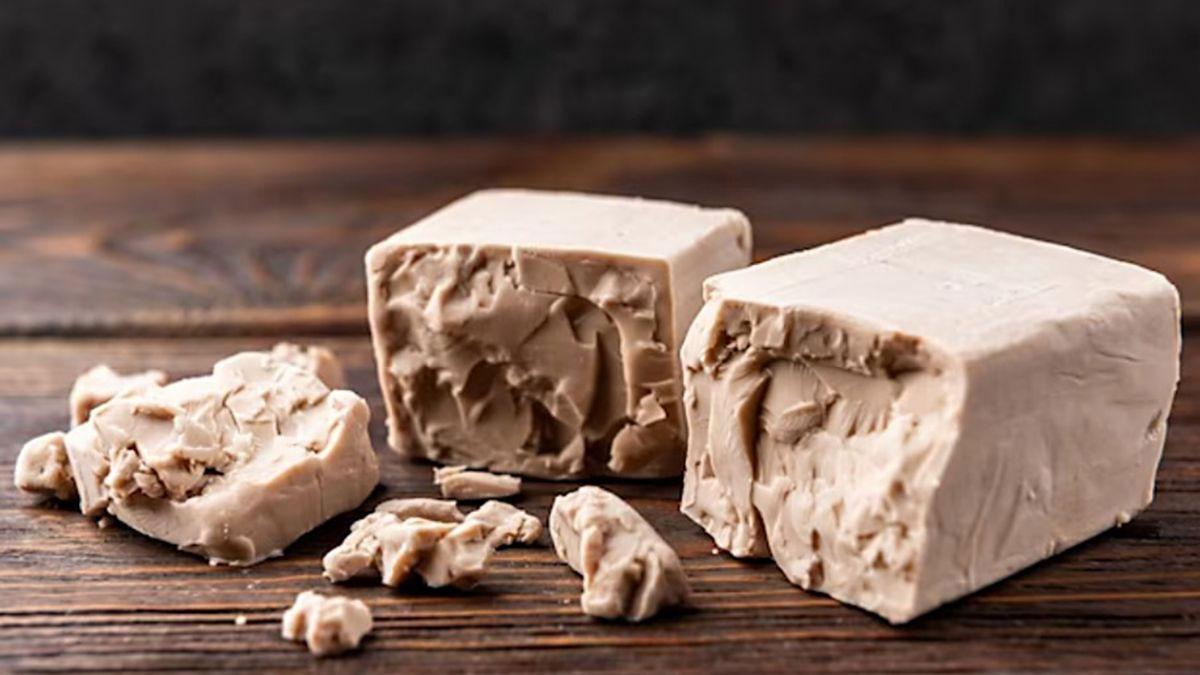
Without a nutrient medium, the mushrooms will self-destruct, significantly reducing their raising power within a short period of time. This is why the shelf life of pressed yeast depends heavily on temperature:
| Storage conditions | Temperature | What is the shelf life of marshmallows? |
| Room | +15..+21℃ | 1 day |
| Fridge | +4..+6℃ | 14-30 days* |
| Freezer | -18..-24°С | up to 3 months |
*depending on the manufacturer
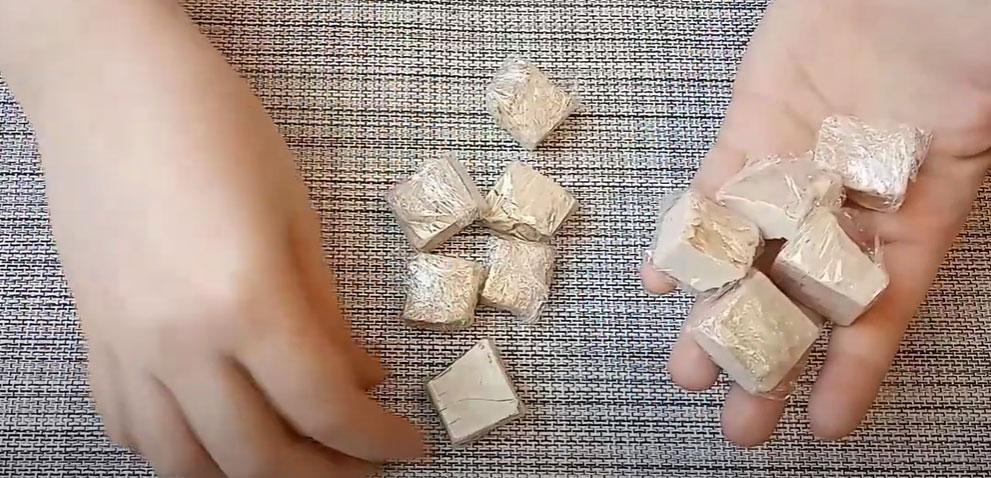
Pressed yeast can be easily stored at home by dividing it into portioned briquettes of 10, 20, 50, or 100 grams, wrapping it in cling film, and freezing it in a regular freezer.
Dry yeast (dried and instant)
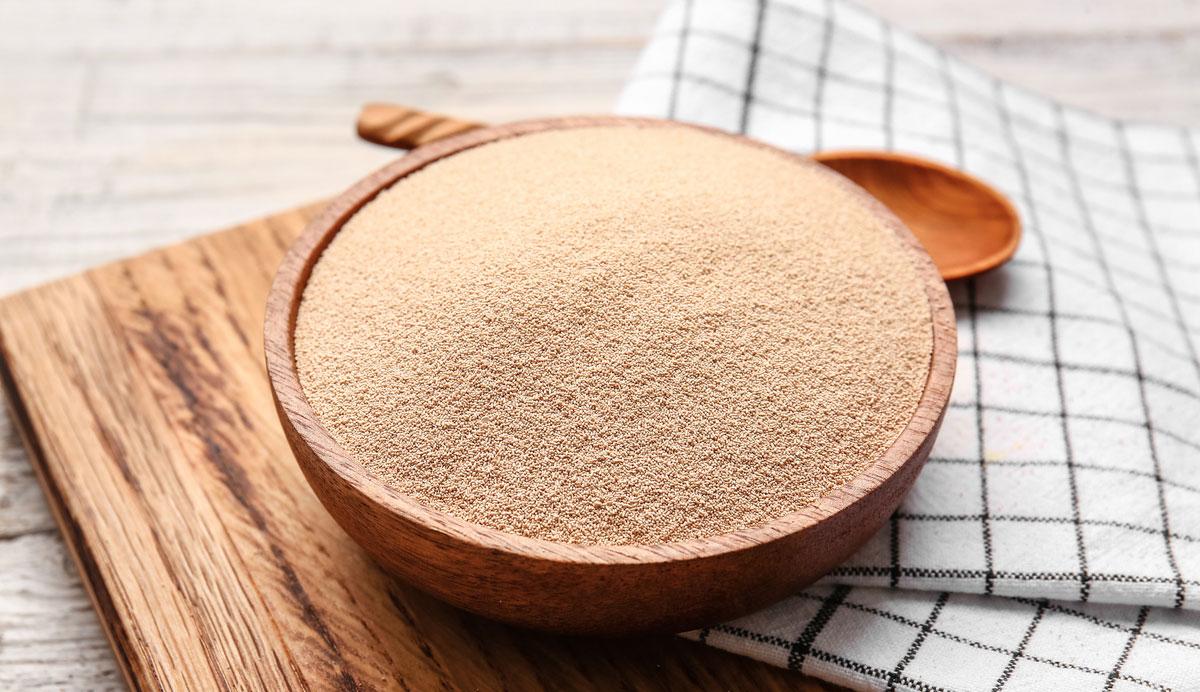
Once the factory packaging is opened, such yeast does not last long:
| Storage conditions | Temperature | What is the shelf life of marshmallows? |
| Room | +15..+21℃ | 1 day |
| Fridge | +4..+6℃ | 7 days |
| Freezer | -18..-24°С | up to 3 months |
Once opened, dry yeast is exposed to external factors (air, humidity), which activates the autolysis process. Opened yeast should be stored in the refrigerator in an airtight container (preferably a glass jar).
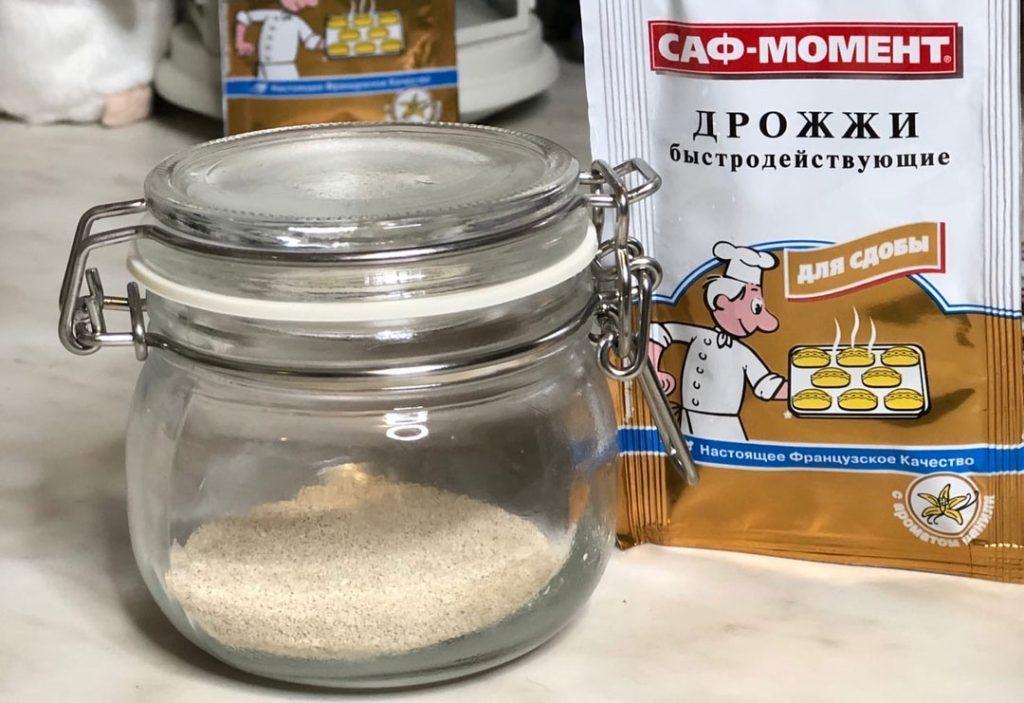
You can use airtight bags for freezing, but as with briquettes, it's best to divide the product into portions immediately, as refreezing opened yeast is not recommended.
Frequently asked questions
How do you know if dry yeast has gone bad?
Fresh dry yeast is a light yellow ball with a pleasant bread aroma.
Violation of storage conditions may be indicated by:
- darkening of granules;
- presence of lumps;
- presence of mold.
Is expired yeast dangerous?
Given the small amount of yeast added to the dough and the subsequent high-temperature baking process, the "dead" yeast cells themselves pose no danger. Even after the expiration date, the product is not recommended for use primarily due to its significantly reduced rising power (the dough will not rise, or will rise very little).
What kind of tremors can be dangerous?
Yeast that has developed mold due to improper storage practices can pose a potential hazard. Toxins can penetrate deep into the product, and even if the moldy area is removed, the hazard from using such a briquette remains.
Can you use expired yeast?
If the product's appearance and smell are normal, you can try activating the yeast by mixing the dough with warm water or milk (any type of yeast, including fast-acting yeast, can be activated). If the product is not spoiled, active growth should occur within 10-15 minutes. If there is no yeast activity within 20 minutes or the growth is insufficient, do not use the yeast for dough mixing.
In practice, expired yeast often retains its raising power. However, if possible, it's best to use fresh yeast for baking, and use previously opened yeast for recipes involving liquid dough.
Expert advice
We invite you to share information about how you personally prefer to store yeast (dry and in briquettes) and which ones you prefer to use for baking.