How to isolate fondant from cream cheese and other creams – tips for beginning pastry chefs

Content
Pastry chefs often use fondant to decorate various desserts and cakes. Despite the many decorations that can be made from the sugar paste, it tends to melt after prolonged contact with wet cream. Therefore, fondant decorations require insulation. This article will take a closer look at how to avoid potential mistakes when working with fondant and cream cheese.
How to isolate mastic from cream
A wet coating can ruin fondant decorations, as fondant begins to flow after prolonged contact with the surface due to its high sugar content. Therefore, if you want to attach fondant figures to cream cheese frosting, you need to isolate them by coating the entire cake surface with melted chocolate or cocoa butter, or just the areas that come into contact with the decorations. You can also use skewers, toothpicks, or a special confectioner's gel. However, this method is only suitable for "sticking" small details.
What kind of cream can I use to attach mastic?
Mastic can be applied to cream cheese frosting with butter. Even better, top it with melted chocolate, icing, ganache, custard with condensed milk, Charlotte crème, or marzipan.
I don't recommend decorating cakes with fondant using yogurt, sour cream, or whipped cream. This type of decoration will melt and warp upon contact with a damp surface. I recommend applying the decorations to a cool surface to ensure they stay in place.
How to properly attach mastic to cream
If necessary, spread the layer with frosting suitable for decorating. Avoid applying fondant to cream cheese frosting. Smooth the surface with a spatula. The cake should be perfectly smooth, without any bumps or lumps. I recommend performing this process in several stages:
- First, you should coat the surface with a thin layer of suitable cream, then put the cake in the refrigerator for 12 - 15 minutes.
- Then apply a thick layer of cream, smoothing the surface for decoration. Then, place the product back in the refrigerator for 10-12 minutes.
- The next step is to remove the cake and smooth the cream to perfection with a preheated long knife. Then, refrigerate the dessert for 20 minutes.
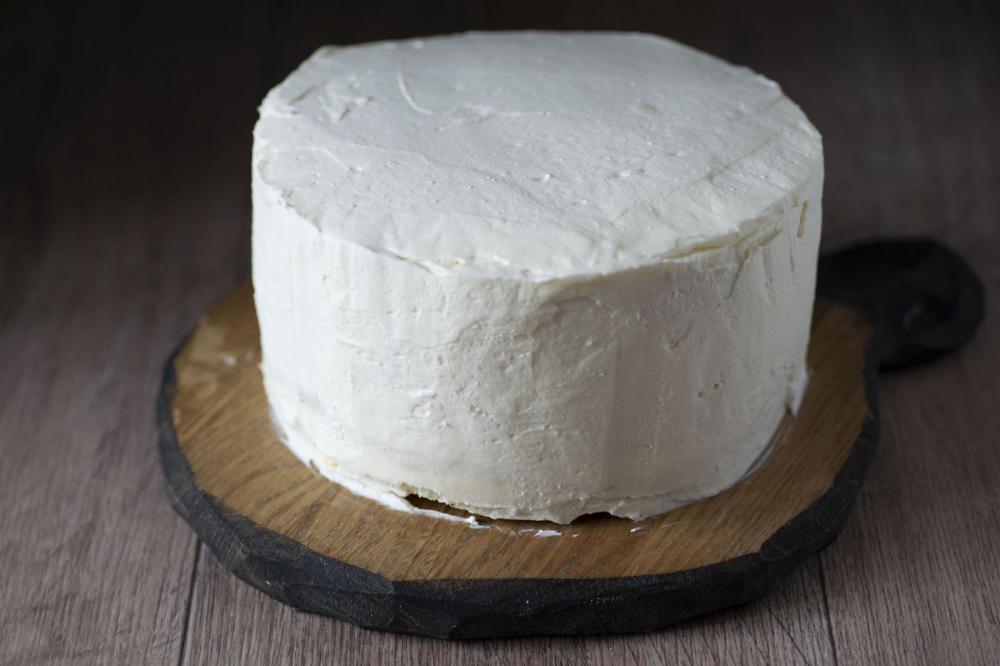
Once the frosting has cooled and hardened, you can begin decorating with fondant. Roll out the sugar layer, but not too thinly, and apply it first to the side of the cake, then to the surface. Roll the fondant away from you, using a rotating motion. If necessary, gently press the decoration with dry palms, being careful not to press too hard with your fingers to avoid dents or marks on the surface.
It's best to roll out the fondant with some extra dough to avoid creases on the sides of the cake. Any excess can be easily trimmed off.
Additional decorations in the form of figures and flowers made of mastic should be made in advance (1–1.5 days) so that they have time to dry.
If bubbles appear, carefully prick the area with a needle and smooth it out. The same procedure should be followed if a piece of fondant breaks. Store the decorated cake in the refrigerator, covered with a large box first to protect it from accidental moisture.
How to work with fondant and cream cheese
Before working with fondant and cream cheese, I recommend familiarizing yourself with a few rules that will help you avoid many of the mistakes that novice pastry chefs encounter and make a cake that is not only delicious but also beautiful.
Can you put mastic on cream cheese?
Fondant will bond well with cream cheese frosting only if the frosting contains a high butter content. This will help preserve the decoration's appearance for a long time. You can also additionally treat the areas where the fondant touches the frosting with melted icing or chocolate. This will ensure that the decoration retains its appearance.
What should cream cheese be like under mastic?
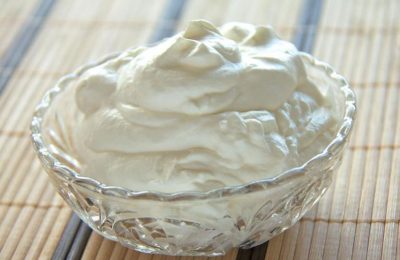
To prepare the cream for mastic decoration, you need to prepare:
- 110 g butter;
- 100 g powdered sugar;
- 240 g cream cheese (Mascarpone or Ricotta).
The butter should be taken out of the refrigerator ahead of time to allow it to soften. The cheese should be chilled.
Step by step process:
- First, beat the softened butter with a mixer for 5 minutes.
- Then add the sifted powdered sugar and combine the ingredients, beating them for another 3–5 minutes.
- Next, add the cream cheese to the airy mixture and mix with a mixer. This will take about 4-5 minutes.
To make it easier to spread the prepared cream cheese frosting onto the cake, I recommend placing it on a microwave-safe turntable. It's best to spoon the cream cheese mixture into a pastry bag, then spread it in a thick layer over the cake surface in a spiral pattern and smooth it out with a spatula or offset spatula.
How to Separate Fondant from Cream Cheese Frosting – Step-by-Step Instructions
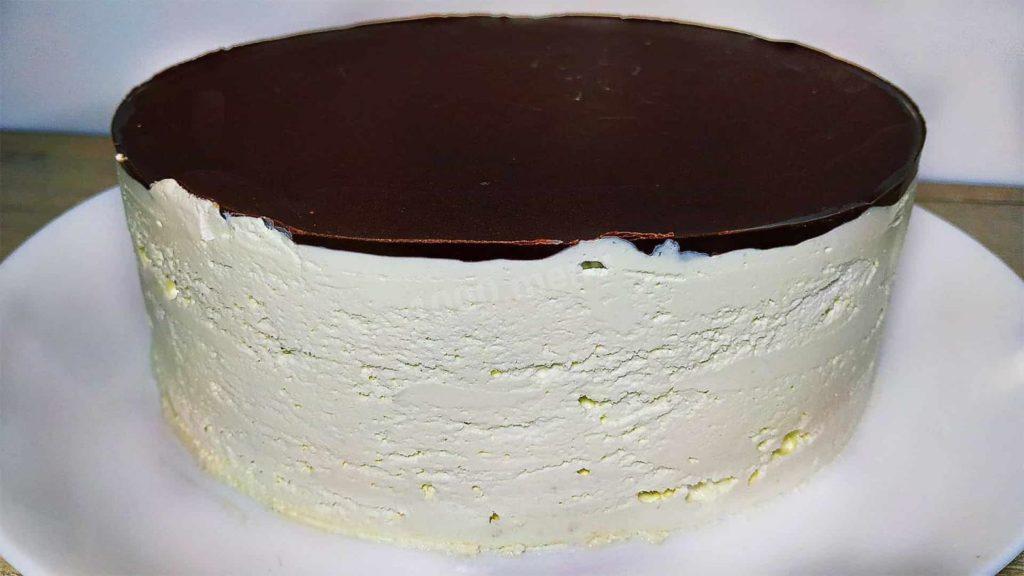
To isolate the mastic from the cream cheese with chocolate, you need to:
- Melt the glaze or confectioner's chocolate in a double boiler. To do this, pour the ingredients into a metal bowl and place it in a saucepan of water. Turn on the heat. You can also use chocolate bars, breaking them into small pieces.
- While melting, stir the mixture with a spatula, keeping the heat low.
- Then, coat the areas on the surface of the cake with the melted mixture using a silicone brush and apply the mastic, pressing lightly with your palm.
Before decorating, all decorative elements must be dried. You can also coat the decoration with confectionery varnish, which will help preserve its appearance in a humid environment. This will not affect the taste of the product. If you notice condensation on the decoration after a while, do not try to remove it with your hands, as this can leave stains on the decoration. I recommend waiting for it to evaporate.
How to apply fondant to cream cheese
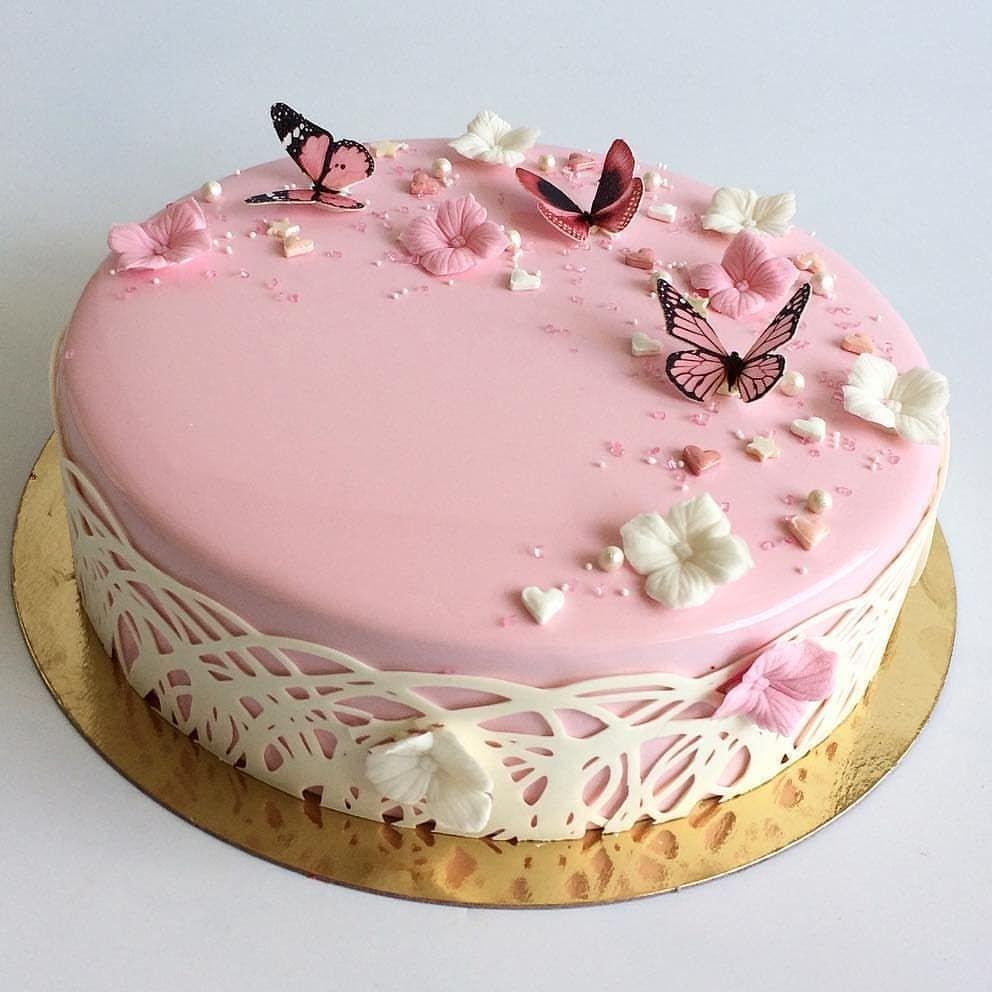
To decorate the cake, you can use a single sheet of fondant or individual decorations made from sugar paste, gluing them to the sides and top. To completely cover the cake with fondant, roll it out and apply it to the surface of the cake, starting from the side, smoothing it out carefully. It's recommended to use a rotating tray for this. If desired, you can arrange small decorative elements cut from fondant on top. These should be dry, so make them in advance (at least 24 hours).
If you're using individual decorations, insert skewers or toothpicks into them. Then, push the decorations into the desired areas of the cake. You can also brush a drop of pastry gel or melted chocolate onto the contact area for better adhesion.
What to do to prevent mastic from leaking on cream cheese
Fondant melts on cream cheese frosting because it's a wet coating, and the sugar paste begins to melt and deform after prolonged contact with such a product. To prevent this, prepare a surface that's ideal for decorating. To do this, you can coat the surface of the cake with buttercream frosting, ganache, marzipan, melted chocolate, or icing. Chill the dessert thoroughly beforehand.
Fondant is often used to decorate cakes and desserts. To ensure the decoration retains its appearance after contact with the frosting, it's important to carefully select the insulation method. Be sure to cool the cake thoroughly before decorating. Fondant decorations should be completely dry. Also, be sure to keep your hands completely dry when working with the sugar paste.