How to easily color chocolate for dessert

Content
Want to impress everyone with an original candy design? We'll tell you how to easily color chocolate for desserts at home, how to choose the best dyes, and what important aspects to consider during the coloring process.
Choosing a base for coloring
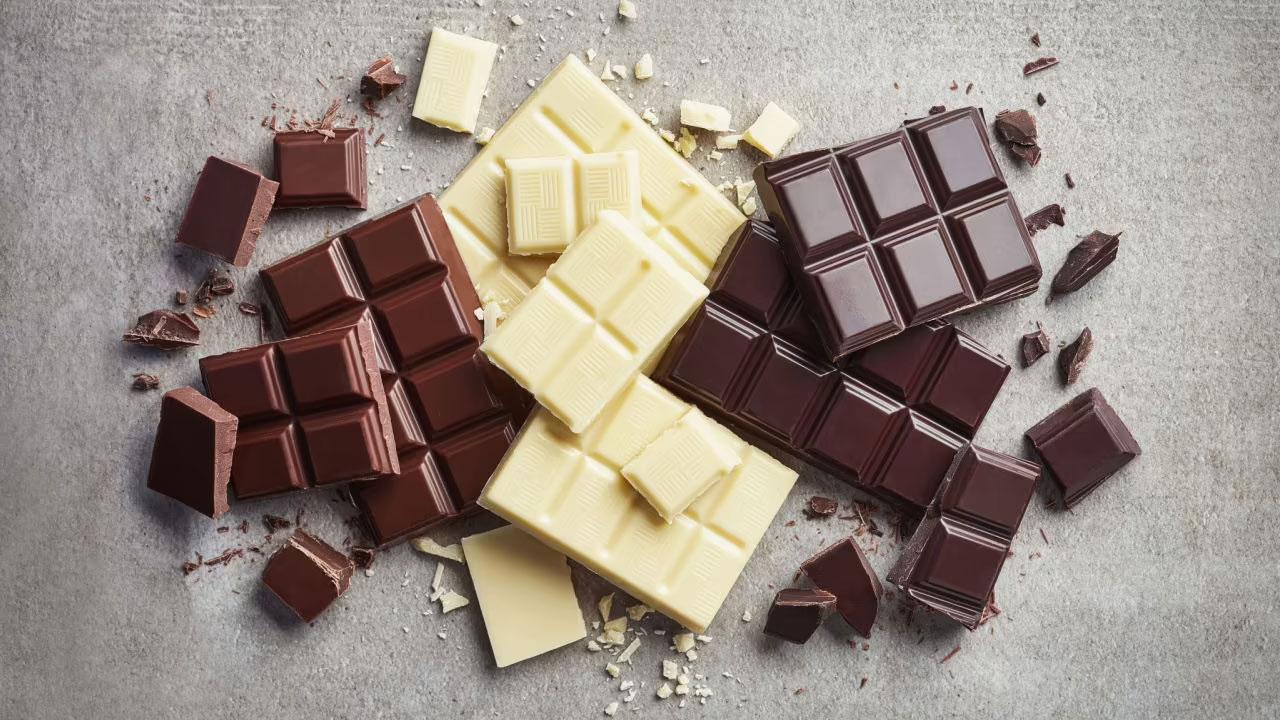
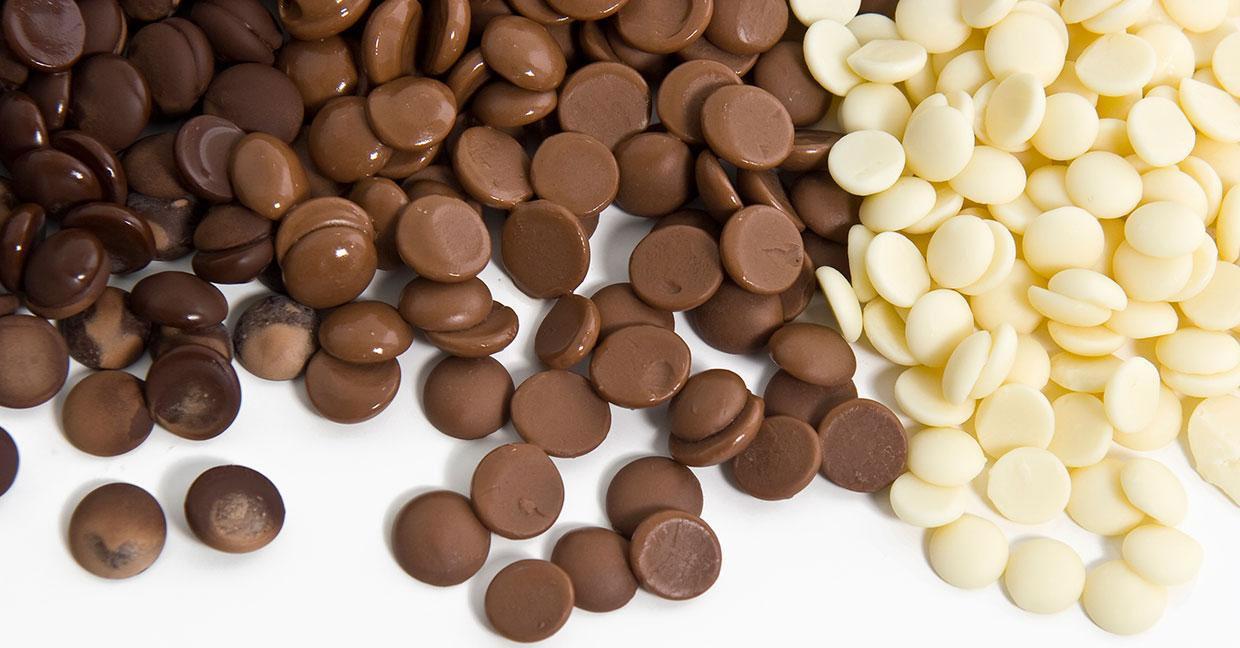
Light and dark chocolate, as well as chocolate glazes, can be dyed in a wide variety of colors. Depending on the desired color, white, milk, and dark types of natural chocolate, as well as coatings made with them, are suitable for dyeing:
- white chocolate is universal, it is recommended to use it to obtain white color, as well as bright or delicate shades (blue or light blue, red or pink), green or light green, etc.);
- milky or dark It is better to use if you want to get a rich black finish, as less dye will be needed to achieve a deep and rich color.
Natural chocolate should contain:
- cocoa butter;
- cocoa mass;
- sugar.
The content of cocoa products should not be lower than:
| Type of chocolate | Cocoa butter content |
| White chocolate | 20% |
| Milk chocolate | 25% |
| Dark chocolate | 76% |
How to color chocolate
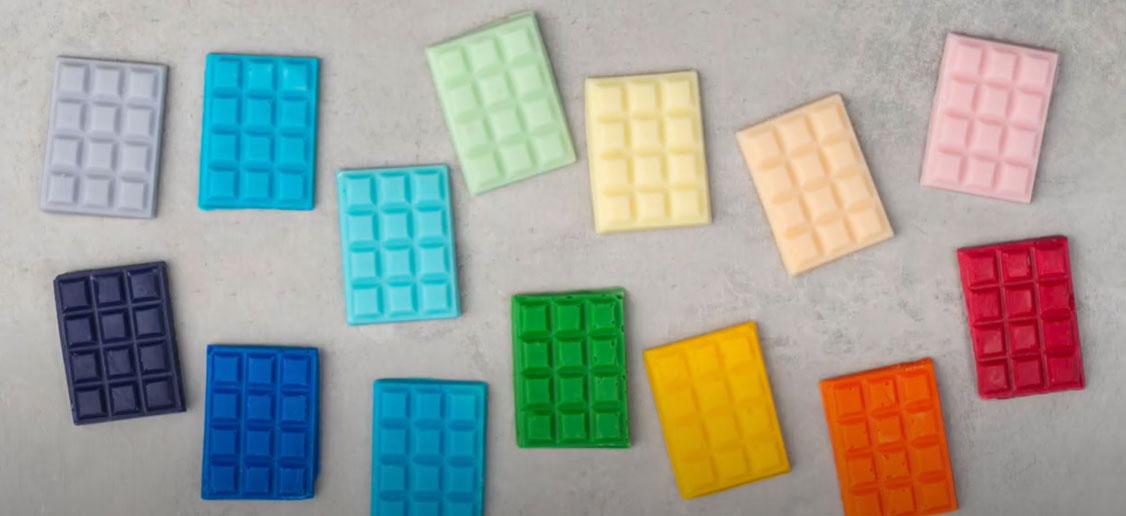
You can color tempered chocolate or chocolate glaze with special gel or dry coloring, natural colors, or even confectionery glitter (candurin). Below, we'll cover in detail and step-by-step how to color white chocolate during tempering with different types of coloring.
Gel dyes
Experienced confectioners most often use gel fat-soluble chocolate coloring in their work, because thanks to its optimal composition, it:
- dissolves well in chocolate mass;
- gives a uniform shade;
- does not change the taste and aroma of chocolate;
- allows you to create a bright color by adding a small amount of color;
- presented in a wide range of shades.
By varying the concentration of this dye from 1 to 12 drops per 100 grams of chocolate, you can obtain the following color solutions.
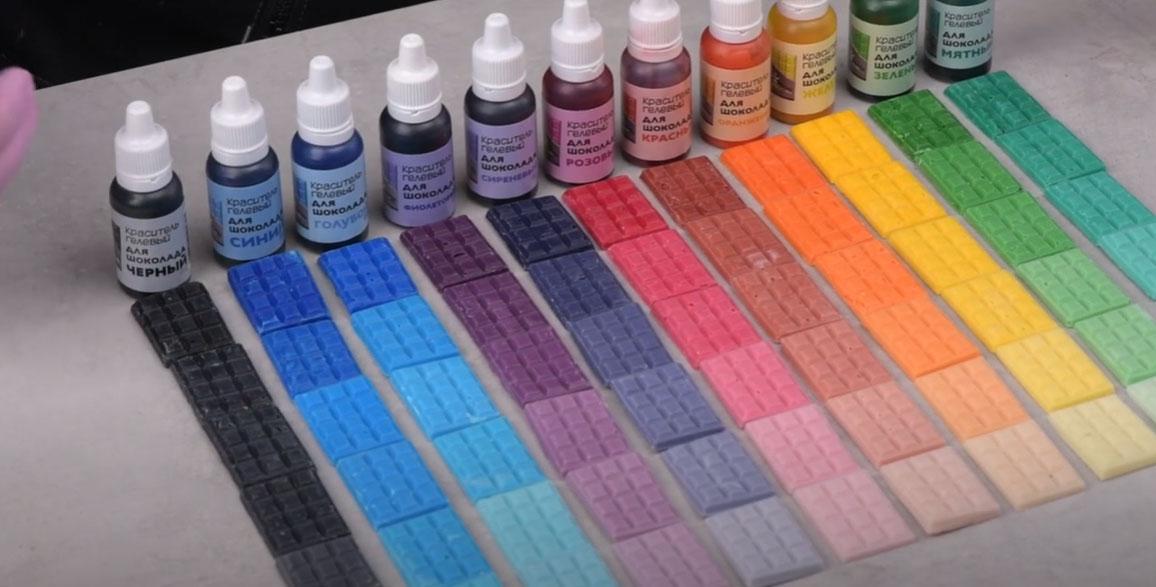
Now we'll tell you step by step how to color chocolate with fat-soluble gel dye to get the perfect result.
- Break the white chocolate into small pieces and place it in a bowl (or simply add the required amount of chocolate drops).
- Heat the chocolate to 35-38℃.
- Stir until smooth.
- Add a few drops of coloring (the amount depends on the manufacturer's recommendations and the saturation of the pigment); usually, add from 1 to 12 drops of coloring per 100 grams of chocolate.
- Mix the mixture thoroughly (if you need to prepare a lot of chocolate at once, it is better to beat the mixture with an immersion blender).
This video will help you understand the difference between water-soluble and fat-soluble dyes in more detail, as well as learn how to color chocolate:
Powder dyes (pollen)
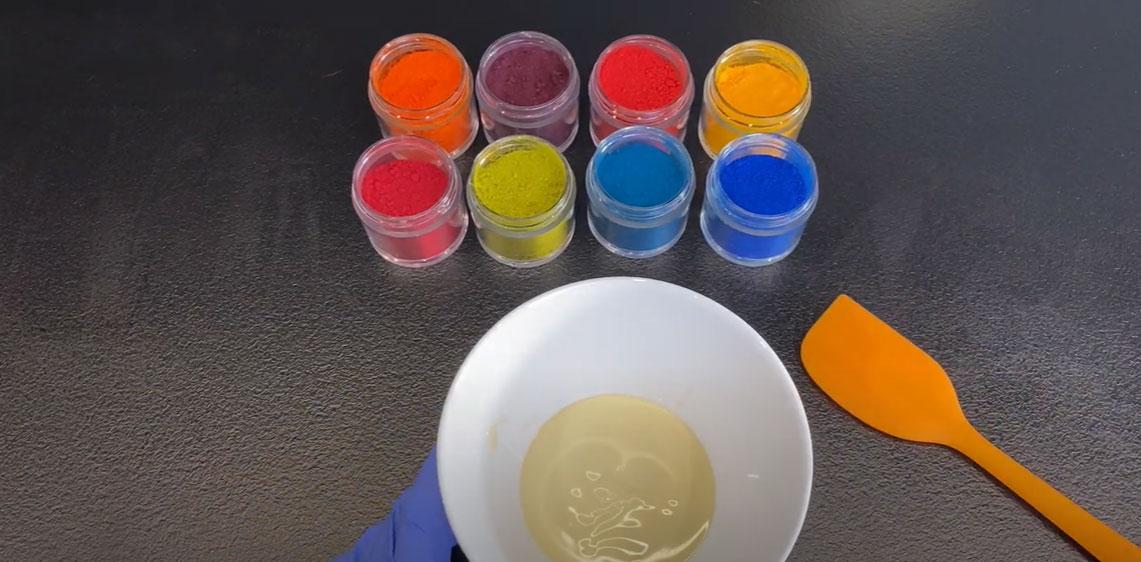
In this case, painting is as simple as possible.
- Heat the chocolate to tempering temperature (we previously described in detail what the heating temperature should be for different types of chocolate).
- Knead the mixture until it becomes a homogeneous liquid state.
- Add the required amount of color (according to the manufacturer’s instructions).
- We beat the mixture with an immersion blender (dry dye takes longer and is more difficult to dissolve in the chocolate mass, so mixing with a spatula is not very effective).
For more information on the coloring process, see this master class:
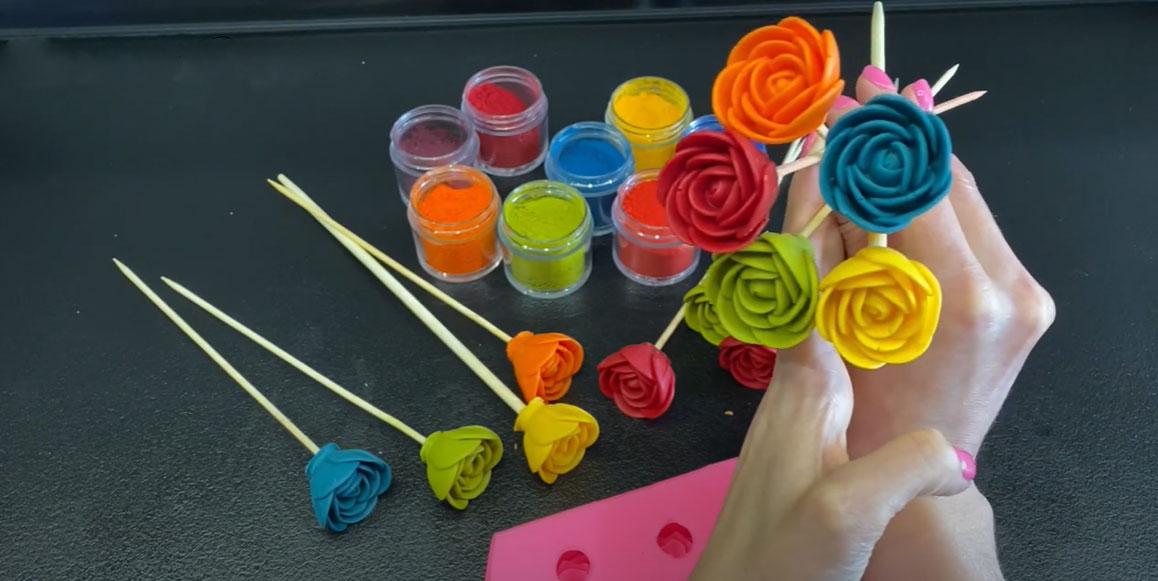
Using powder coating, you can make bright chocolate flowers like these to decorate your cake or dessert.
Titanium dioxide
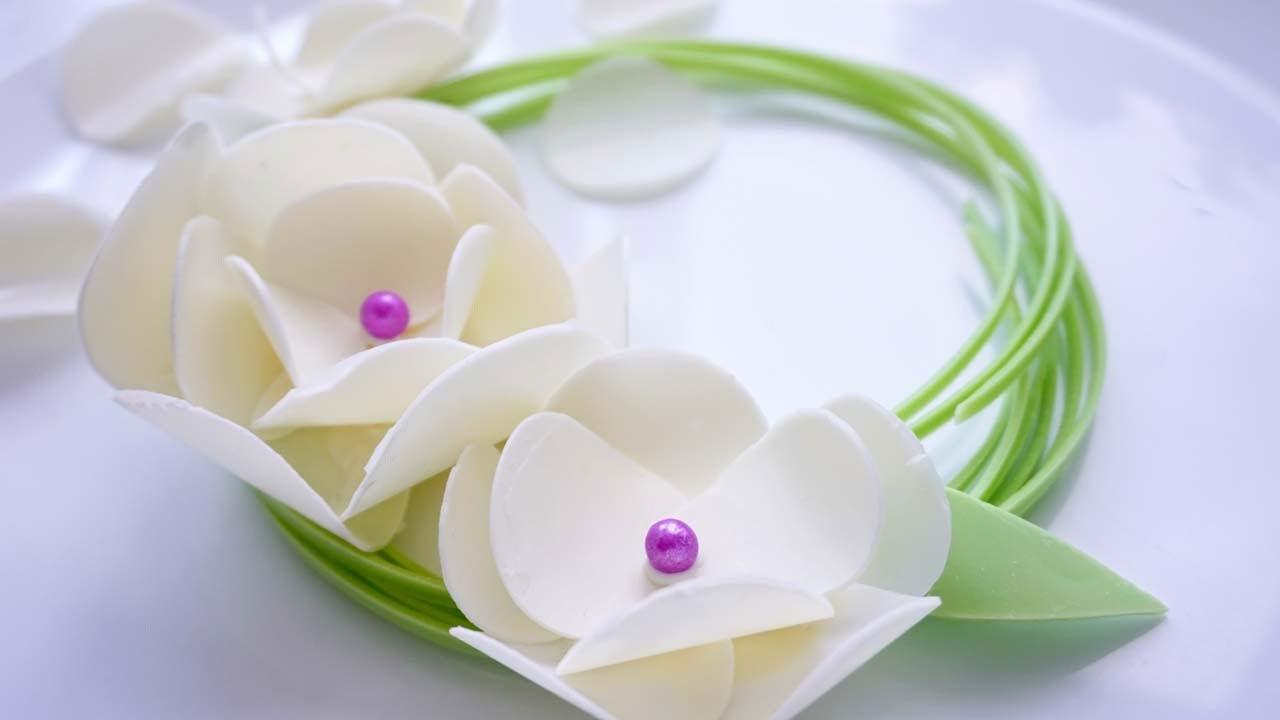
Typically, the dioxide is sold in the form of a white powder, which is added to tempered chocolate in the same way as any other powdered coloring, thoroughly mixing or blending until a homogeneous mass of the desired shade is obtained.
Kandurin
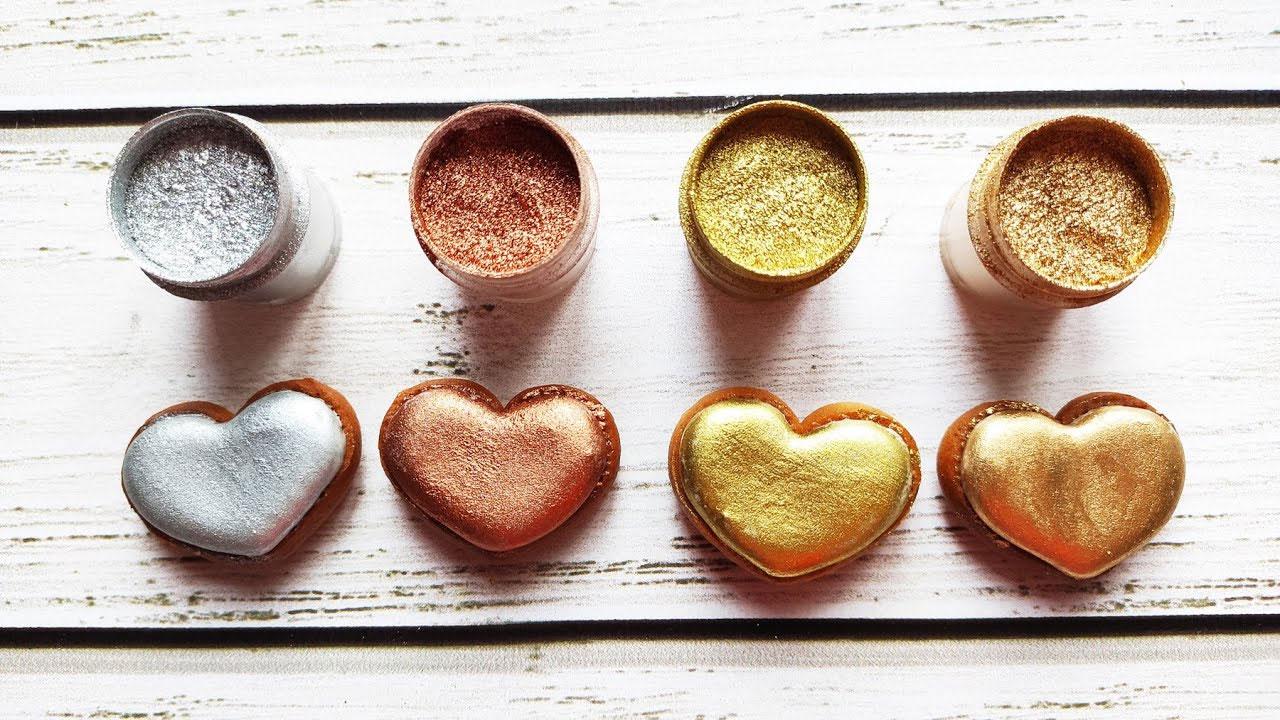
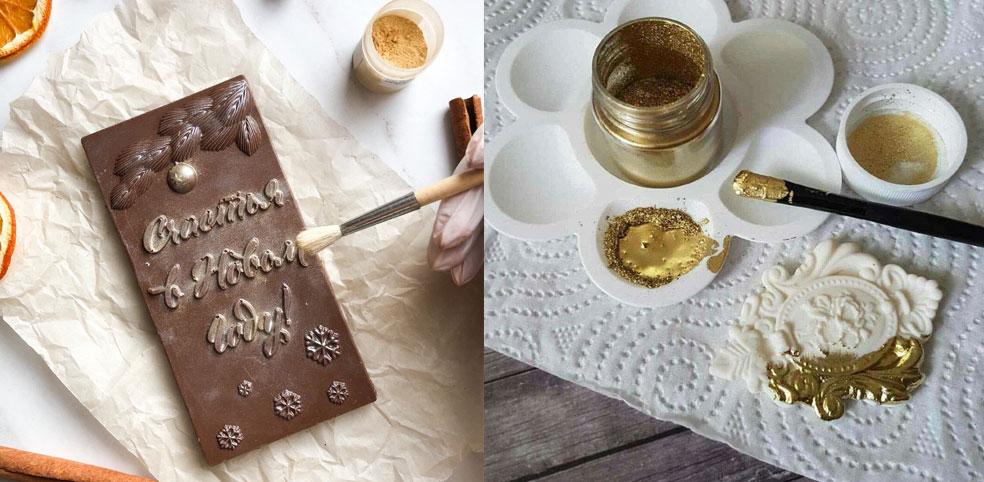
If you want to create a beautiful gold or silver decor, or paint cake decorations in a shimmering red, blue, or other shade, it's best to dilute candurin in a small amount of vodka and paint the figurine, applying the shimmering mixture with a brush.
The advantage of this method is that the dense, shiny mass perfectly covers any type of chocolate (even the darkest).
Natural colorings for chocolate
| Color | compound | amount of powder per 100 g of white chocolate |
| pink | pitahaya | 5.0 g |
| light yellow | pumpkin | 5.5 g |
| bright yellow | mango | 5.0 g |
| crimson | raspberry | 5.0 g |
| violet | sweet potato | 5.0 g |
| green | matcha tea | 3.5 g |
| blue | Anchana flowers | 4.0 g |
| black | bamboo charcoal | 4.5 g |
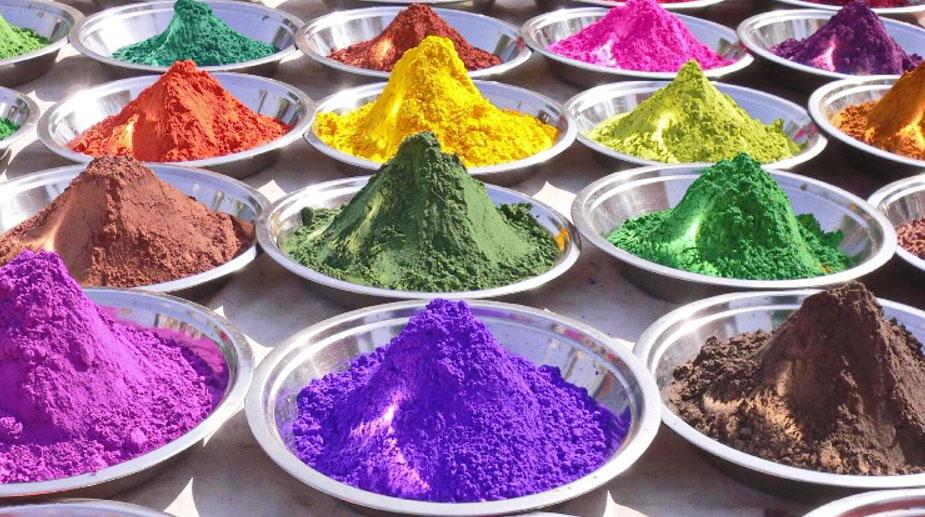
Although coloring chocolate with natural powder from a freeze-dried product seems like the ideal solution, there are a number of features to consider, as such colors:
- they dissolve poorly in chocolate, which is why the color may be uneven;
- do not produce very bright and saturated shades;
- have bright flavors and aromas that not everyone will like.
For more information on how chocolate is colored with natural powder dyes, watch this video: