Real cinnamon and fake cinnamon: how to distinguish cinnamon sticks from cassia?

Content
It's impossible to imagine any confectionery or bakery product without the vibrant spice of cinnamon. Its captivating aroma entices both adults and children, and its unique flavor reveals new sides to the finished product. Just imagine warm Cinnabon buns, Christmas cookies, Viennese apple strudel, autumnal pumpkin pie… how could anyone resist trying them and creating similar masterpieces with this spice?
When you visit a pastry shop, bakery, or coffee shop, it's all quite simple: you see the product you crave and can forget everything else while savoring it. When using cinnamon directly in homemade or commercial recipes, you first need to understand the intricacies of choosing it. Because on store shelves, you'll find two products that, at first glance, are indistinguishable in appearance and purpose:
- natural cinnamon
- Cassia is a cheap alternative to cinnamon.
Not everyone knows this fact, as the enticing name "Cinnamon" always appears on product packaging. Therefore, in this article, I'll try to explain as much as possible about the comparative characteristics of both spices, and teach you how to choose the cinnamon that's rich in flavor and, most importantly, safe for your health. As a bonus, I'll touch on the history of its origin. Well, that's where I'll start.
Historical data
The precise origins of natural cinnamon have not been reliably studied, but the first mentions were found in Chinese sources dating back to 2700 BC. Further evidence points to the high value, widespread distribution, and use of this spice:
- Ancient Egypt discovered cinnamon thanks to trade caravans coming from the East. Cinnamon was used in embalming bodies at that time.

- Ancient Rome consumed cinnamon not only as a spice, but also used it in various religious ceremonies.
- Ancient Greece used cinnamon as a spice, and created medicines, perfumes, and various paraphernalia.
- In the Middle Ages, cinnamon was worth its weight in gold due to its unknown nature: various legends about its origin, the lengthy transportation from the East, and the temporary monopoly of a number of countries.
The memorable arrival of spices in Europe dates back to the 16th century, when a Spanish crew of navigators, led by the expedition's admiral, the great Portuguese Ferdinand Magellan, set out on their first circumnavigation of the globe on five ships. One of their main goals was to find islands growing expensive spices, which had previously been imported to Europe only by Eastern merchants from overseas. Only two ships made it through the long, difficult journey to the East. Risking a return across the Pacific Ocean, one of the ships disappeared without a trace near Portuguese territory. The second ship, the Victoria, took a different route and successfully completed its voyage with a treasure considered "golden" by its time. A variety of spices were discovered in the ship's hold (according to various sources, between 24 and 26 tons). Among the goods brought back was cinnamon. The spices more than offset the entire cost of the circumnavigation.
After the great discoveries, the Portuguese discovered the island of Ceylon, where cinnamon plantations grew. Cinnamon cultivation then spread to various corners of the world, which led to a drop in price due to intense competition. This led to its availability and, with it, widespread use by all segments of the population.
Cinnamon and cassia
Evergreen trees and shrubs belonging to the laurel family, genus Cinnamomum, are the primary and only raw material for producing these spices. The bark is stripped from young shoots, the outer layer removed, and the inner layer dried. The bark is rolled into tubes and, before sale, cut into the familiar 5-10 cm long sticks. This is the same process used for cinnamon production; in the case of cassia, the entire bark is used. This gives you an idea of the price of real cinnamon.
Scientists have identified more than two hundred species of Cinnamomum, among which the following remain in demand for the food industry:
1. Ceylon cinnamon, is extracted from the bark of only one species of tree, Cinnamomum zeylanicum and Cinnamomum verum. It is considered the highest quality and healthiest spice, perfect for confectionery.
Ceylon cinnamon is also called true cinnamon, noble cinnamon, cinnamomum and Senegalese.
2. Cassia – obtained from the bark of a large variety of cinnamon trees (Cinnamomum aromaticum and Cinnamomum cassia). It is less valuable in flavor and aroma and is significantly inferior to Ceylon cinnamon in terms of safety.
In common parlance, cassia is also called cinnamon analogue, Indonesian cinnamon, Chinese cinnamon, Indian cinnamon, simple cinnamon, cassia canel, and false cinnamon.
What is the difference between cinnamon and cassia?
Spices have a number of characteristic differences, which make it quite easy to choose and, most importantly, to distinguish cinnamon from cassia.
Country of origin
Natural cinnamon is produced primarily in Sri Lanka and India. It is also grown in Java, Madagascar, Egypt, Vietnam, and Brazil.
A cinnamon analogue called cassia grows in Indonesia, China, Laos, and Cambodia.
Of course, not all suppliers are reputable and provide accurate information on their product packaging. But if you're lucky, you can still find out the true country of origin. This makes it easy to tell what's inside: cinnamon or cassia?!
Be sure to pay attention to the specified species of cinnamon: cinnamon - Cinnamomum zeylanicum, Cinnamomum verum. Cassia - Cinnamomum aromaticum, Cinnamomum cassia.
What else is worth paying attention to?
- If you choose Ceylon or Indonesian cinnamon in bags, the spice packaging itself should be without visible damage.
- Expiration dates must be indicated by the manufacturer.
- The packaging is marked with the EAC sign.
These three points partially indicate the legal import of natural cinnamon and its counterfeit cassia from abroad. They also indicate the preservation of spices during transportation (especially humidity) and protect them from changes in their organoleptic properties (taste, color, aroma).
The shape of the sticks
In powdered form, it's very difficult to distinguish between cinnamon and cassia, even for an experienced specialist. Therefore, the shape of the sticks can reveal a lot.
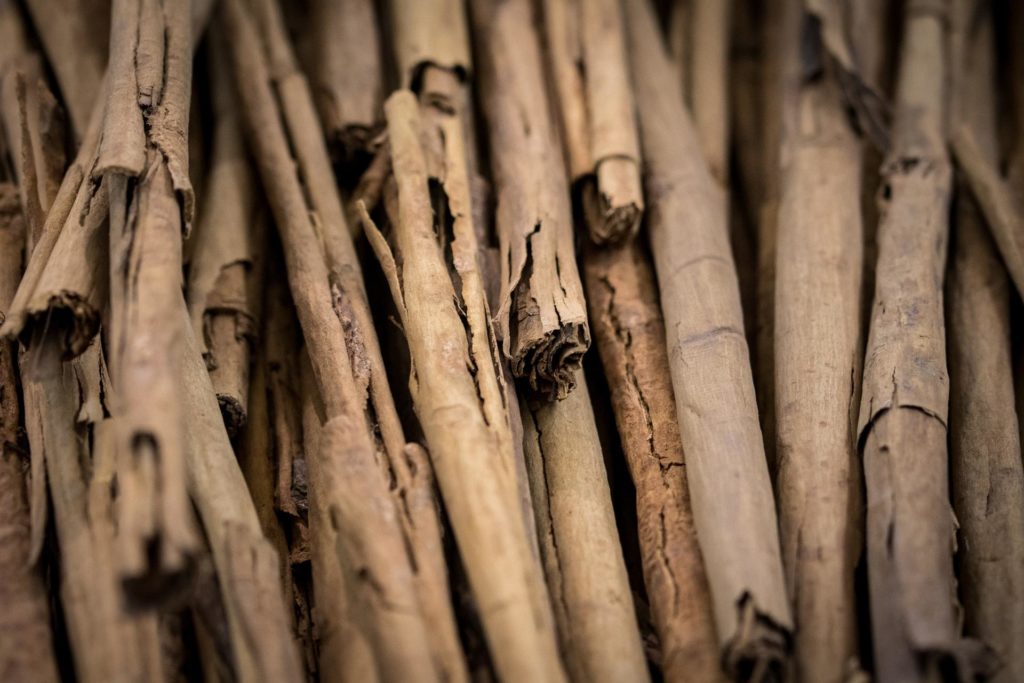
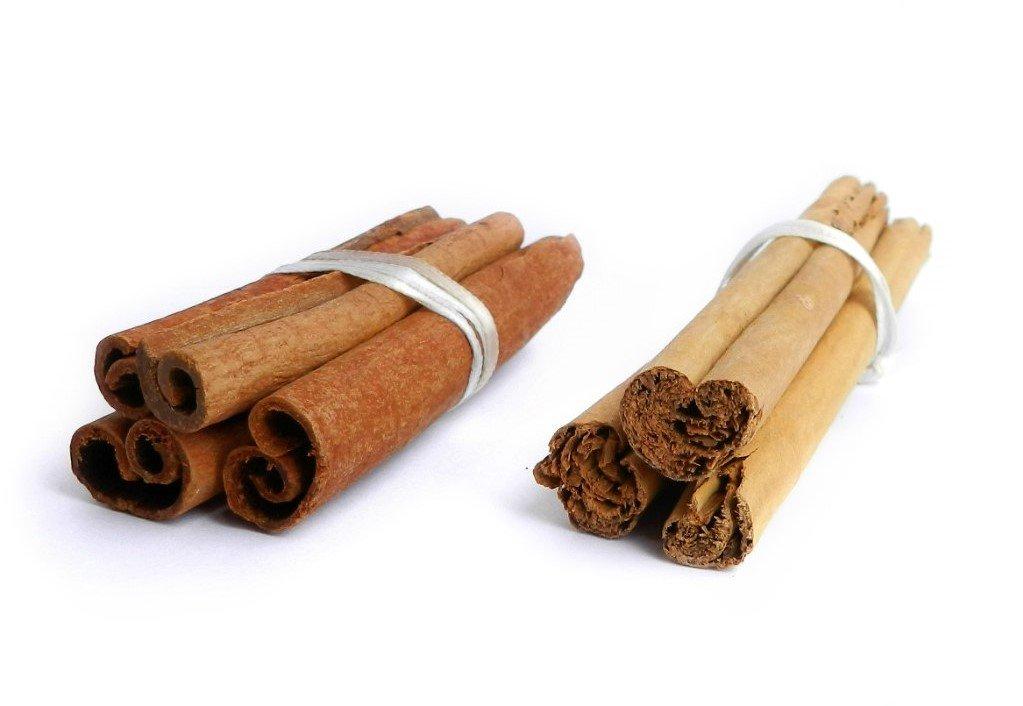
It's quite easy to distinguish real cinnamon from its counterfeit counterpart, Indonesian cassia, by its shape: natural cinnamon sticks are made up of multilayered, finely twisted bark with very fragile edges and thin walls. When cut, they have numerous twists. Cassia is loosely twisted into one or at most two layers and has thick, rough walls.
Density
Cinnamon is very fragile, with the dried bark being about 0.5 mm thick (not exceeding 1 mm). Cassia is dense and hard, with a thickness of 2 mm.
Aroma
The blissful aroma of cinnamon and cassia is primarily determined by cinnamaldehyde, which accounts for up to 90% of cinnamon essential oil and 75% of cassia oil. Further prevalent are chemical components such as phellandrene and eugenol, which impart a herbaceous and clove-like aroma to the spices.
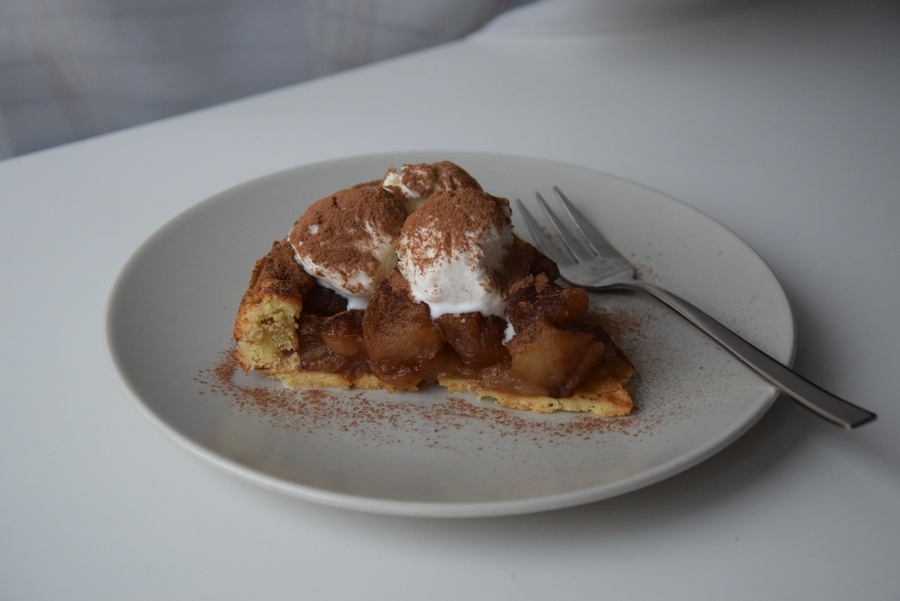
When it comes to distinguishing the aroma of genuine Ceylon cinnamon from its imitation cassia, several distinctive scents stand out. Cinnamon has a very soft, balanced cinnamon aroma with a subtle sweetness. Cassia, on the other hand, has a sharp, pungent aroma, somewhat simultaneously sweet and bitter.
Taste
The spices' flavors perfectly match their aromas. Ceylon cinnamon is softer, sweetly spicy, and warming, while Indian cassia is fiery, tart, and slightly astringent.
Color
Cinnamon is a uniform light brown or yellowish brown color, cassia is a dark reddish brown or even dark red with brownish-gray spots.
How to distinguish ground cinnamon from its analogue
Based on its organoleptic properties, it's very difficult to distinguish ground Ceylon cinnamon from its cassia counterpart. The shape of the sticks and their density are irrelevant.
In practice, there is a method using the iodine test, which is based on the reaction of iodine with starch and high-molecular-weight dextrins. When stained with iodine, these substances change color from dark blue to red, whereas all sugars and low-molecular-weight dextrins remain unchanged after the iodine reaction. High-molecular-weight and medium-molecular-weight dextrins, when stained with iodine, produce a color from violet to red. This method is effective in theory and in practice with well-studied food technologies. For example, it is used to determine the complete saccharification of starch during the production of grain mash in brewing or distilling, and in the dairy industry to assess the starch content of products, etc.
The reaction between cinnamon and cassia differs quite slightly. According to some sources, Ceylon cinnamon turns bluish when iodine is added. Cassia turns a darker blue.
Trying to use this method, people generate many erroneous judgments.
As, for example, on one of video, where the shape of both sticks clearly reveals cassia with its thick walls.
The iodine test for identifying genuine cinnamon, if used at all, is generally performed in a laboratory by qualified specialists. Therefore, it's best to choose sticks rather than packets of cinnamon. This makes it much easier to spot a counterfeit.
Is cassia really that bad?
The use of cassia in confectionery products is acceptable, but not recommended for a number of reasons.
The flavor and aroma of the resulting products are significantly inferior to cinnamon. Baked goods made with cassia have a sharper, tangy, bitter aroma and taste than those made with cinnamon, which is pleasantly sweet, richly spicy, and very balanced. Baked goods made with cinnamon are unforgettable.
Of course, everyone has different tastes, so it’s worth mentioning the most important thing.
The chemical composition of cinnamon and cassia contains a number of essential spice components: dietary fiber, essential oils, vitamins, polyphenols, coumarin, minerals, and tannins. Of all these, the natural aromatic component deserves the most detailed consideration. coumarinDespite a number of positive properties of this substance, scientists have identified its negative effects on the human body. For comparison, cinnamon contains 0.02 g/kg of coumarin, while cassia contains 2 g/kg. Regular consumption of foods high in coumarin, such as cassia, can cause headaches, disrupt intestinal motility, and even trigger the development of cancer.
Knowing the specifics of selection, I hope you will easily be able to determine what different types of cinnamon look like, how they differ, and ultimately choose the most preferable option for your products.
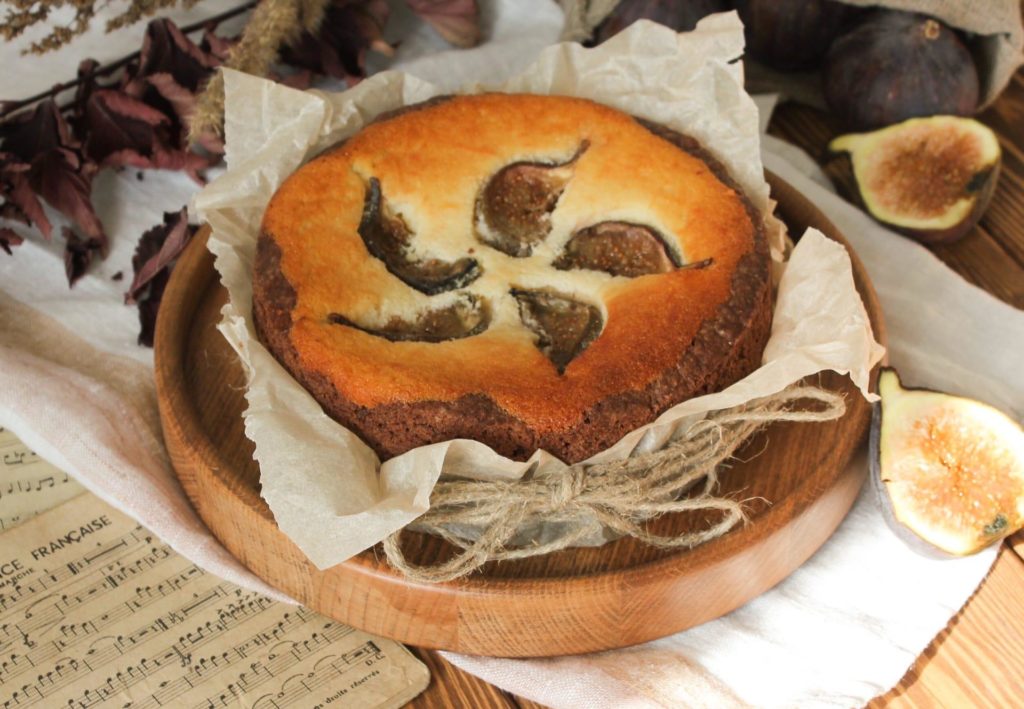
I made my choice a long time ago—natural Ceylon cinnamon sticks. Why, you ask? It's obvious to me: it's the safest and most incredibly flavorful option for baking.