How to Bake Cupcakes in the Oven: Temperature and Baking Time

Content
A cupcake is a confection made with a sweet dough and butter. Cupcakes can be baked in a gas or electric oven, a bread machine, or a microwave. To do this, you'll need metal, silicone, ceramic, or paper molds. This article will cover the baking nuances for each type of kitchen equipment and container in more detail.
How to bake cupcakes at home
Before you bake muffins, I recommend familiarizing yourself with the rules for making airy baked goods:
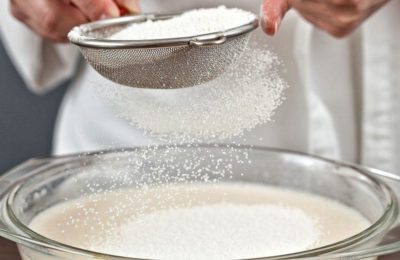
- Sift the flour 1–3 times before kneading the dough to ensure the product is well saturated with oxygen.
- Before baking, it is advisable to leave the preparations for 20–30 minutes at room temperature.
- When preparing the cake batter, stir the ingredients gently and quickly from the bottom up.
- To obtain a more porous structure of the product, replace the whole chicken egg with two yolks.
- Remove the finished cake from the pan only after it has cooled completely to avoid deformation.
- If you cannot remove the product from the baking dish, place it on a damp towel for a few minutes.
Below we'll take a closer look at the nuances of baking muffins in the oven, microwave, and bread machine.
In the oven
The exact temperature and baking time for cupcakes in the oven depends on the size of the cupcake and the features of your kitchen equipment.
Baking a small dessert will take 15-20 minutes.
If you are preparing a large product, you should increase the cooking time to 30–45 minutes.
As a rule, muffins in small tins are baked at 170 - 180 degrees in an electric or gas oven.
For larger volumes, a higher temperature regime is required – from 180 to 200 degrees.
The first 10-20 minutes of baking the cake should be done at 160 degrees so that the top does not burst from the high temperature and the dessert bakes evenly.
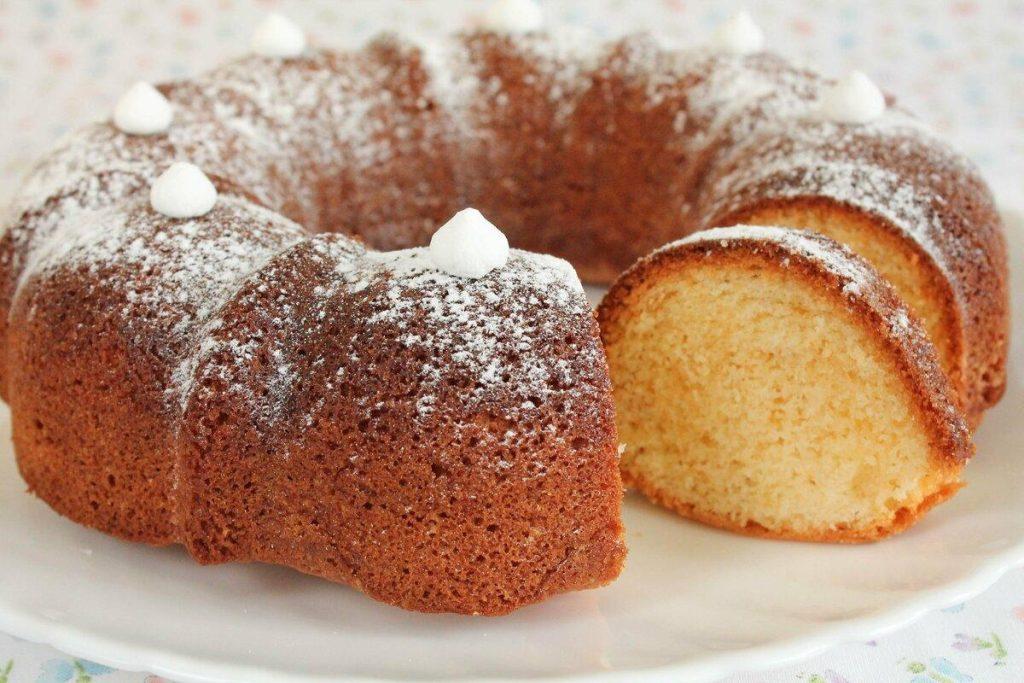
Place the baking pan on the middle rack of a preheated oven. If your oven has a "Convection" setting, use it when baking this dessert. This will ensure the cake bakes evenly on all sides, as this baking mode circulates hot air throughout the entire oven cavity.
During baking, do not open the appliance door to keep the product airy.
To prepare cupcakes you will need:
- 240 g flour;
- 200 ml vegetable oil;
- egg;
- 80 g granulated or powdered sugar;
- 0.5 cans of boiled condensed milk;
- 200 ml milk;
- 1.5 tsp baking powder;
- 1 packet of vanillin;
- a small pinch of salt.
Step by step process:
- First, beat the egg with vanilla and sugar in a separate bowl using a whisk or mixer.
- Then add salt, milk, butter and combine the ingredients.
- In another bowl, combine the sifted flour with the baking powder and gradually pour it into the milk-egg mixture, kneading until a homogeneous dough is formed.
- Next, distribute the sweet mixture among the prepared molds (1 tbsp each), and place 1 tsp of condensed milk in the center of each mold.
- Place the remaining dough on top and transfer the molds to a baking sheet.
- Then place the container in a hot electric or gas oven.
Bake the cupcakes for 30 minutes at 180–190 degrees Celsius. Check for doneness with a wooden skewer or toothpick. Once cool, dust each cupcake with powdered sugar.
In the microwave
For microwave baking, it's best to use a heat-resistant ceramic mug or small silicone molds. Avoid square containers, as the cake mixture can dry out in the corners.
Keep in mind that the dough will expand 2-2.5 times as much as it needs to be heated, so don't fill the container completely. The consistency of the dough should be thinner than for oven baking.
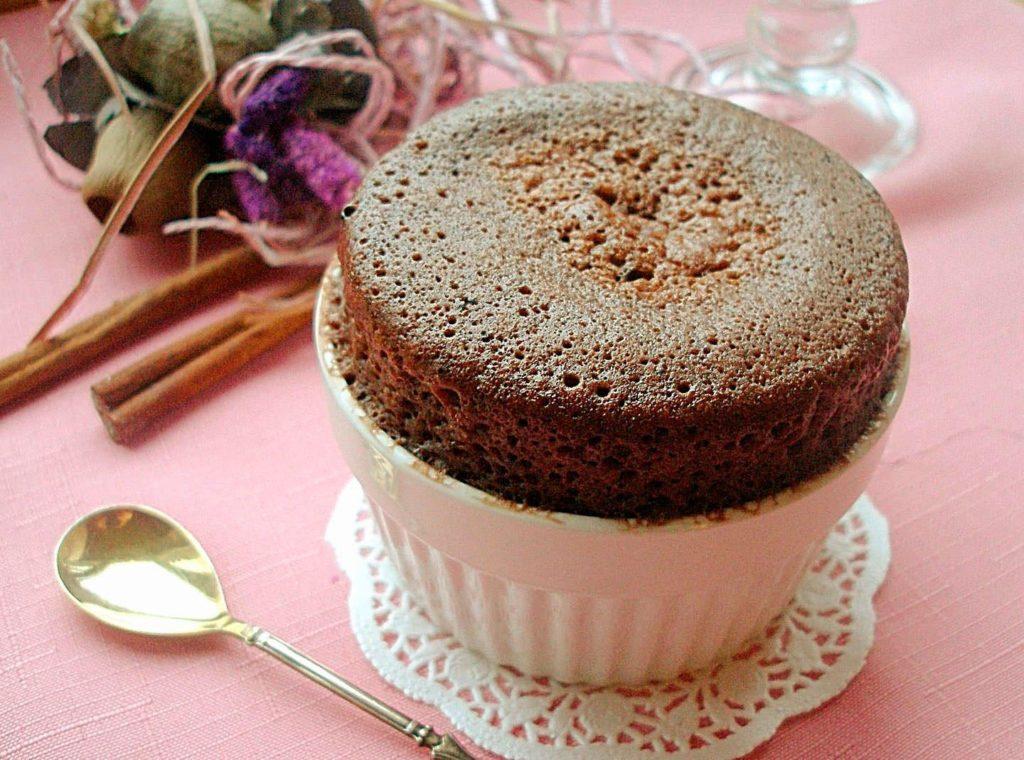
Microwave muffins bake fairly quickly (2-5 minutes), which is a definite plus. The exact time depends on the power of your microwave.
To prepare cupcakes, set the microwave oven to maximum power and select the “Bake/Convection” mode (if available).
Once the cake is ready, don't rush to remove it from the microwave; leave it in the microwave for a couple more minutes with the microwave turned off to prevent the cake from falling due to the sudden temperature change.
To prepare dessert in a mug in the microwave, prepare:
- 4 tbsp flour;
- egg;
- 3 tbsp. milk;
- 2 tbsp cocoa powder;
- 4 tbsp. granulated or powdered sugar;
- 3 tbsp melted butter.
Step by step process:
- First, you should sift the flour into a large bowl.
- Then add cocoa, sugar and stir.
- Then add the egg, milk, and melted butter and mix thoroughly again. The result should be a smooth, lump-free mixture.
- Transfer the sweet mixture into a ceramic mug or mold and microwave.
Microwave the chocolate cake for about 1.5 to 2 minutes at maximum power (800W or higher). The exact baking time depends on the specific appliance you're using. If you're making multiple servings, increase the amount of ingredients.
In a bread maker
To make a cake in a bread machine, set the program to "Sweet Bread," "Cake," or "Bake." When mixing the dough, use ingredients at room temperature to reduce the time the machine spends heating the sweet mixture.
Don't fill the bread machine bowl more than halfway with dough, as it will expand during baking. Furthermore, the heating element in this machine is located at the bottom, meaning the taller the loaf, the paler the crust will be.
Baking a cake in a bread machine takes longer than in an oven because it's done at a lower temperature. Cool the finished cake on a wire rack to prevent condensation from forming on the surface.
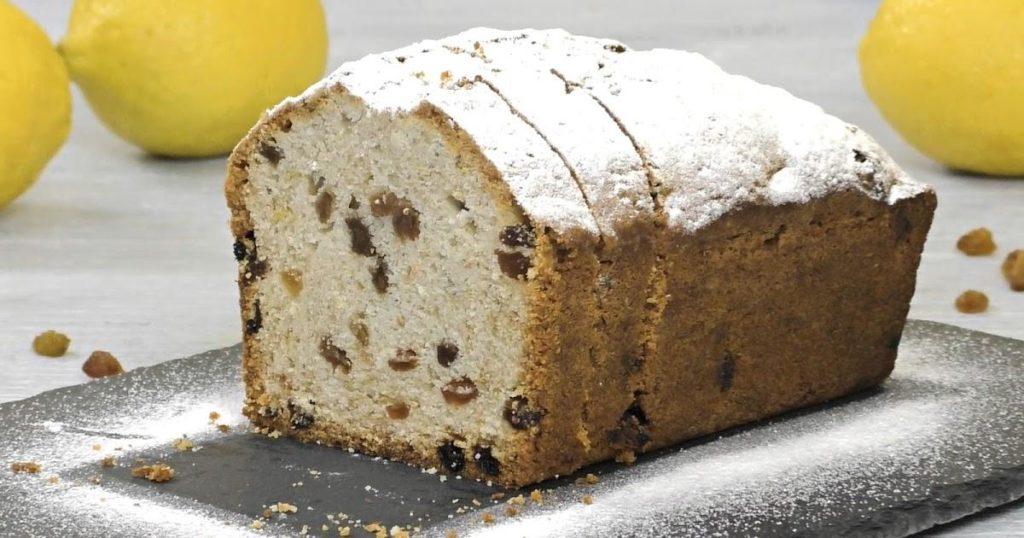
Necessary components:
- 3 eggs;
- 250 g flour;
- 180 g each of butter and granulated sugar;
- 10 g vanilla sugar or 1 packet of vanillin;
- a small pinch of salt;
- 1 tsp baking powder;
- 180 g raisins.
Step by step process:
- First, beat the softened butter with granulated or powdered sugar.
- Then add one egg at a time, continuing to mix the ingredients.
- After this, gradually add sifted flour mixed with salt, vanilla, baking powder and knead the cake dough.
- Next, add the raisins, which should first be soaked in water for a few minutes, mix the mixture well again and transfer the dough to the bread machine.
The cake must be baked for 1.5 hours using the “Bake” mode.
Peculiarities of baking muffins in tins
Cupcakes can be baked in silicone, paper, glass, ceramic, and metal pans. Glass and ceramic pans are most often used for microwave baking. Each pan material has its own advantages and disadvantages.
The finished product comes off the sides of flexible silicone cake pans best without crumbling. Paper wrappers also come off easily, which isn't the case with metal pans. However, tin pans hold the cupcakes perfectly, and the dessert turns out golden brown and airy.
Next, we will take a closer look at the nuances of baking products in molds made of different materials.
In silicone molds
Silicone molds are quite flexible but don't deform the baked goods. Their main advantage is their reusability. Simply rinse the molds thoroughly after baking.
The material they are made from is also resistant to extremely low and high temperatures—from -50 to 250°C. Therefore, silicone containers can be not only heated but also frozen.
There is no need to grease the pan with butter before adding the sweet dough, as the muffins can be easily removed from the pan after baking.
Cupcakes in silicone molds should be baked for about 15-20 minutes at a temperature of 180-190 degrees; the exact parameters depend on the size of the cupcakes and the type of equipment.
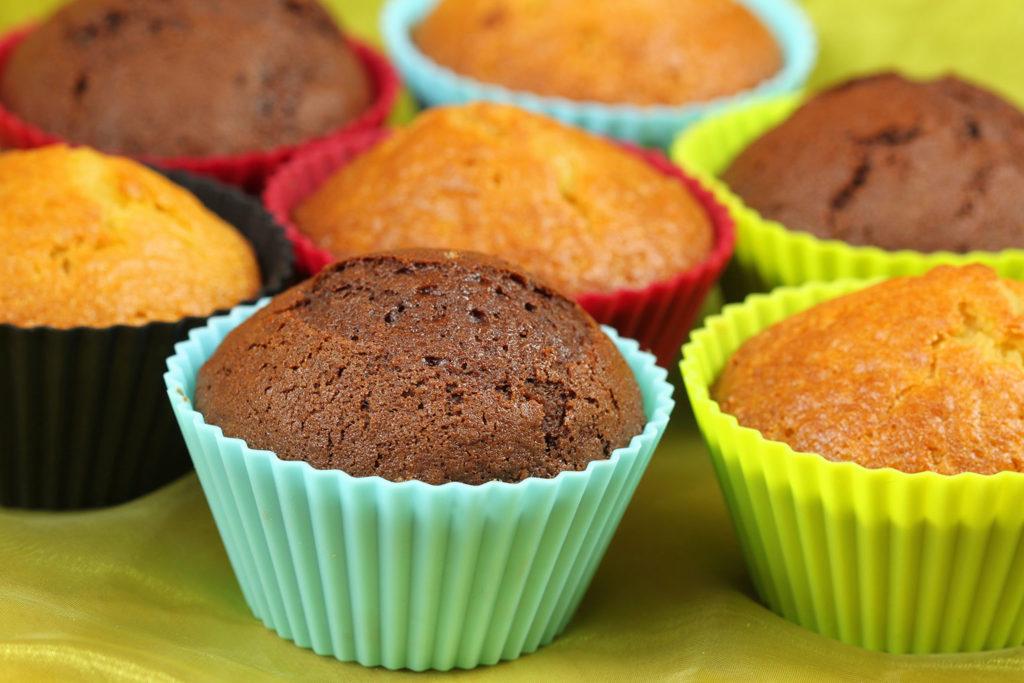
In paper
Paper cupcake liners come in a variety of designs and patterns. Their main advantage is their disposable nature and aesthetic appeal, as the cupcakes can be placed on the table without being removed from the paper.
After use, you can throw away the molds; they're extremely inexpensive. If you're baking a cake in paper, it's recommended to place the mold in a tin container.
Paper cupcake liners can't support the weight of raw dough, so they need a little help. On average, a cupcake in this design bakes for about 15-20 minutes at 180-185 degrees Celsius.
In metal
Metal cupcake pans come in a variety of sizes and shapes. These pans are very convenient for baking because they hold their shape well, but they can be difficult to remove the cake from without damaging it.
Therefore, leave the dessert in the pan until it cools completely. Also, grease the sides and bottom of the pan well with oil before pouring the batter in, or place a paper pan inside.
The optimal time for baking muffins in metal molds is 20–25 minutes at a temperature of 180–190 degrees.
Cottage cheese cake – a simple recipe and baking instructions
To prepare cottage cheese cake you will need:
- 115 g butter;
- 250 g granulated or powdered sugar;
- 3 eggs;
- 200 g cottage cheese;
- 280 g flour;
- 1 packet of vanillin;
- 1 tsp baking powder.
Step by step process:
1. First, you need to rub the cottage cheese through a sieve to get a soft, homogeneous mass without lumps.
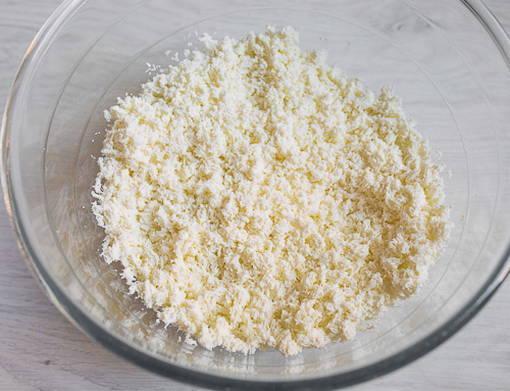
2. In a separate bowl, pour sugar, add softened butter and beat with a mixer until a creamy consistency is achieved.
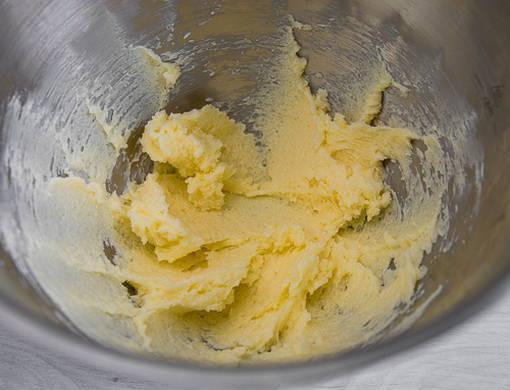
3. Then add the cottage cheese to the bowl and mix the ingredients thoroughly again.
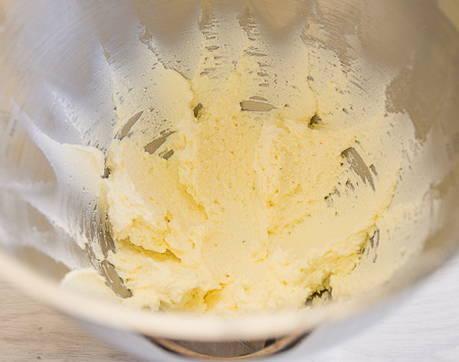
4. Next, gradually add the eggs, beating thoroughly after each addition. Then add the sifted flour a little at a time, whisking constantly.
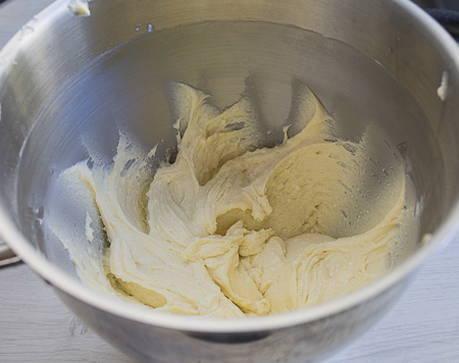
5. Transfer the curd dough into a baking pan, generously greased with butter and sprinkled with breadcrumbs. Bake in a preheated oven for 40-45 minutes. For the cake, set the oven temperature to 180-185 degrees Celsius.
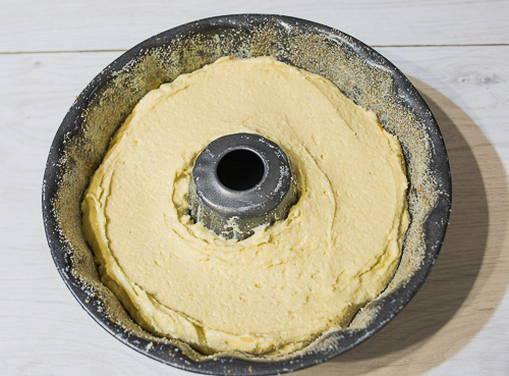
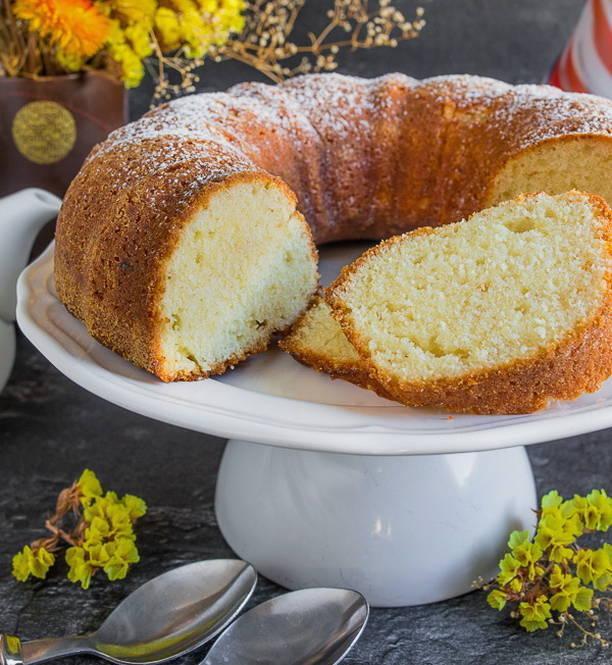
When ready, remove the dessert from the oven, cool and sprinkle with powdered sugar.
How to check if a cake is ready
It's recommended to check the cake's doneness by inserting a wooden skewer or toothpick into the finished cake. If a small amount of raw dough remains on the skewer, the cake is underdone or unevenly baked.
In this case, the cake should be returned to the oven for a few more minutes, being careful not to burn it.
A dry skewer indicates complete readiness.
If you are making several small cupcakes, check each one separately.
A product with a raw interior and a browned top crust can be saved by covering it with paper and returning it to the oven until fully cooked.
Baking cupcakes isn't difficult at all. The key is to follow the recipe and adhere to the general guidelines for making these types of cakes. If you're using metal pans, be sure to grease them with butter before adding the batter to prevent the cupcakes from sticking or warping after removing them. Dust the dessert with powdered sugar only after it's completely cooled to prevent it from melting.