
How to transport a cake in a car or on a plane

Content
When planning a luxurious sweet gift for a special occasion, it's worth considering how you'll transport the cake in a car or plane. In this article, we'll take a detailed look at potential issues during transport and how to avoid them.
Dangers of transportation
Creating custom cakes is complex, painstaking work, and it's not always possible to find a maker in your area or even city willing to bring your idea to life. Furthermore, bakeries typically don't deliver between cities, meaning the customer will have to transport the finished cake to the celebration venue themselves.
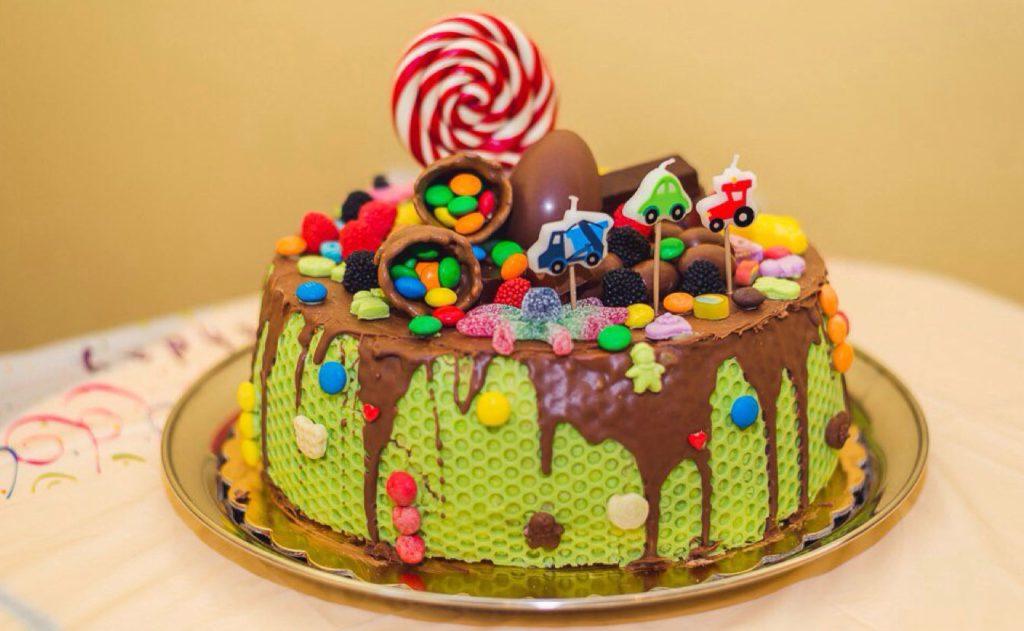
To understand why certain rules are developed for transporting cakes, let's look at the factors that can damage a beautiful dessert during transport:
- ShakingAny impact that can occur in a car when driving on poor road surfaces, braking suddenly, or maneuvering at high speeds can cause irreparable damage to the product. The coating or waffle pattern may crack, the decor may shift, and the delicate mousse layer may become deformed.
- Delivery timeRemember that every dessert has its own best before dateIt's best to discuss with the pastry chef in advance the fact that the cake will be traveling long distances to ensure the recipe is chosen correctly.
- High temperature, The constant impact on a cake when transported in the summer (in the heat) can not only spoil its visual appearance, but also cause poisoning, since the shelf life of cakes is significantly reduced with increasing storage temperature.
By following the basic rules for transporting a cake, you can easily deliver your sweet gift by car, train, or plane. We'll explain the differences between these modes of transport and what you should pay special attention to below.
Proper packaging of dessert
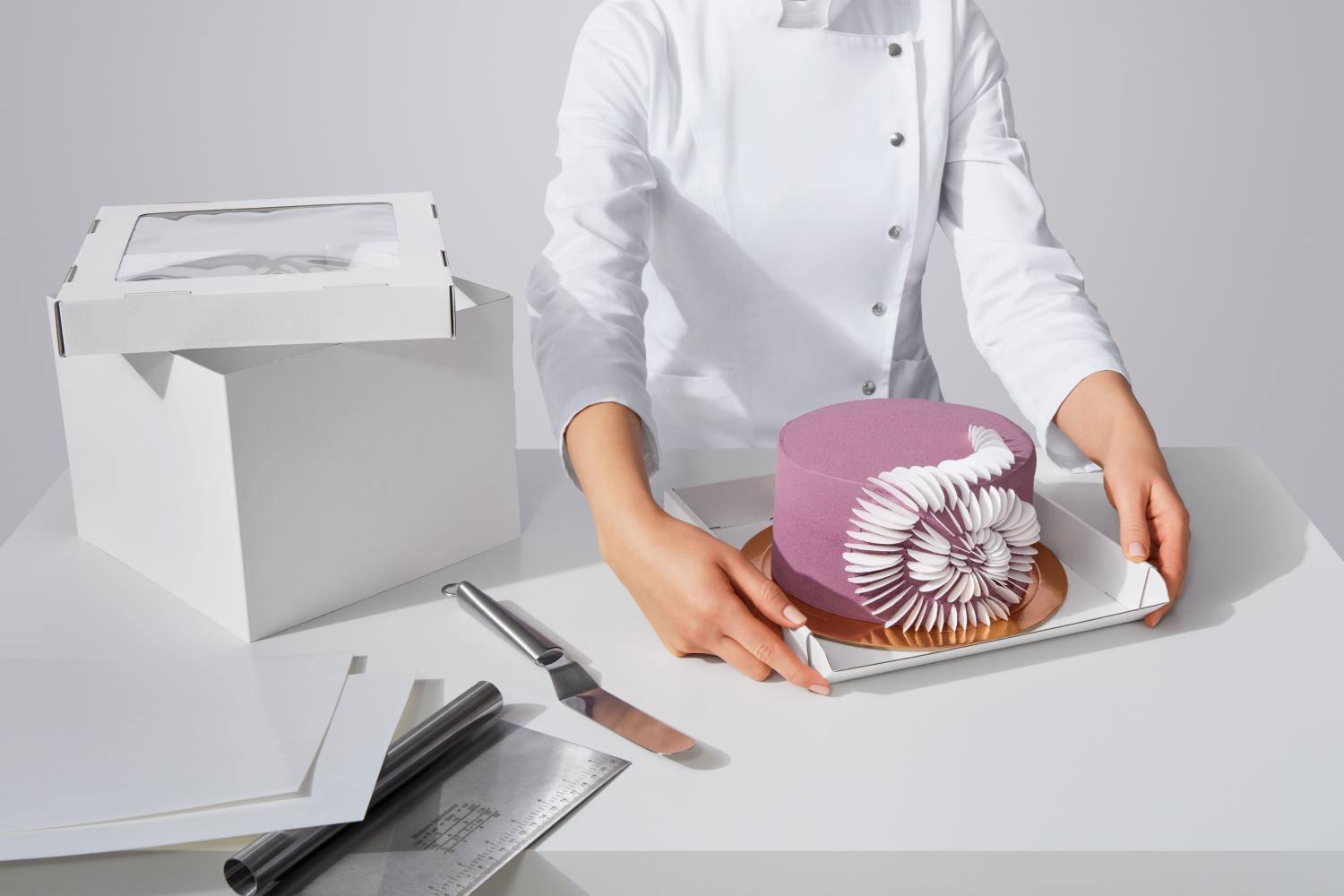
A simple reminder that confectioners always use will help you with this:
- Rigid base. If the cake is to be transported on any transport (even a few stops on a tram), it must be collected only on rigid substrate, which should be larger in diameter than the cake itself.
- Sturdy box. Most often, confectioners use cardboard boxes, which perfectly protect the dessert from any debris carried by the wind, as well as mechanical damage during transportation over any distance.
- Reliable fixation. The cake itself should be well secured to the base (this can be done with a small amount of cream), and the base should be additionally secured in the box (double-sided tape or regular tape that can be easily cut off when removing the dessert from the box before serving will do).
If you're unsure whether you can avoid shaking, it's best to transport any large decorations, toppers, and other removable decorative elements (edible or inedible) separately and attach them to the cake just before serving.
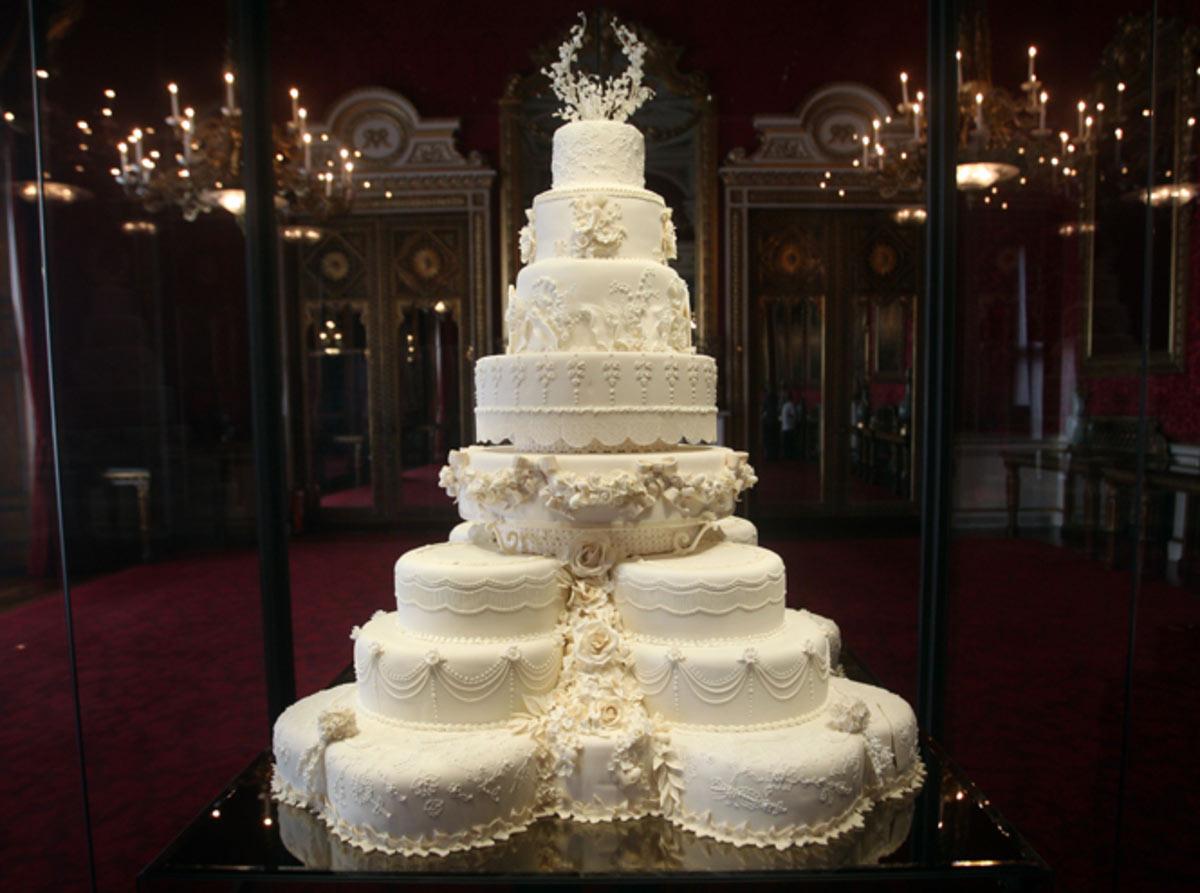
A tiered cake is best transported disassembled (each tier is transported in a separate box). Pastry shops that create complex multi-tiered designs and signature desserts always offer delivery to the event venue. The price also includes a visit from a pastry chef, assembly, and final cake decoration on the day of the celebration.
Transporting a cake in a car
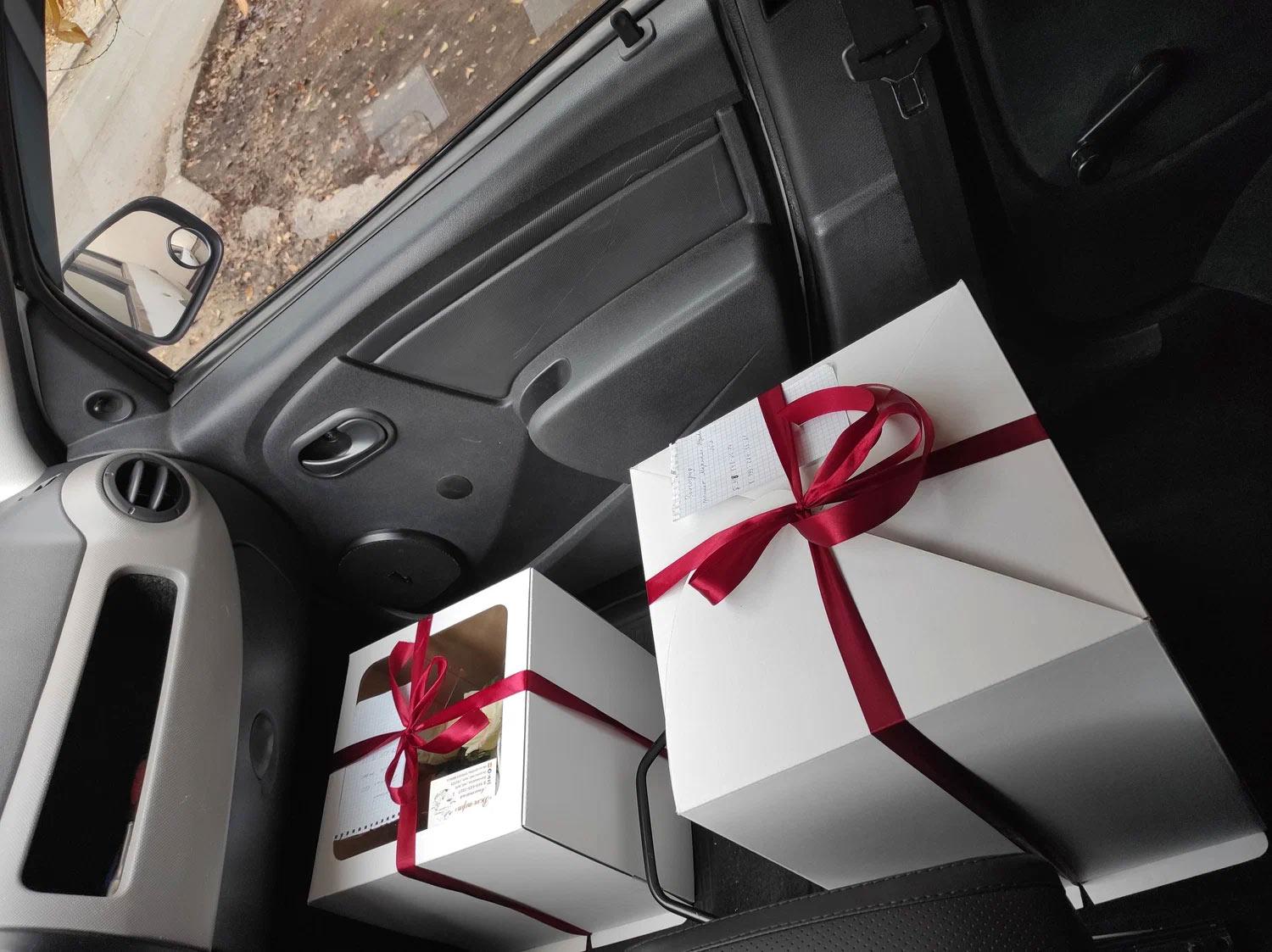
This guide will tell you how to transport a cake in a taxi or your own car:
- The best solution is to transport the box by hand. The person responsible for the dessert's safety will be able to monitor its position and, if necessary, cushion the inevitable bumps and turns on our roads.
- If you don't have a helper, the floor in front of the front seat is the ideal spot for the cake. Firstly, you can direct the air conditioning onto it, secondly, it's a flat surface, and thirdly, the vibrations in the front row are significantly less than in the second row or in the trunk.
- You can also store the box in the trunk, but you'll need to consider additional support to prevent it from sliding around while driving. Also, avoid any sources of strong odors near the dessert, so remove all oils and automotive chemicals beforehand.
- Placing a cake on a seat is a terrible idea. Most car seats are angled, and the first bump could damage your cake, and sudden braking could cause the transmission to shift forward.
- If you plan to transport the cake in the summer, and its size allows, then the best solution is to use a refrigerated box.
Transporting cakes on an airplane
When answering the question of whether a cake can be carried in carry-on luggage on a plane, it's important to clarify which flight you're on and what kind of cake you're transporting, as different countries and airlines have a number of nuances.
Flights within Russia
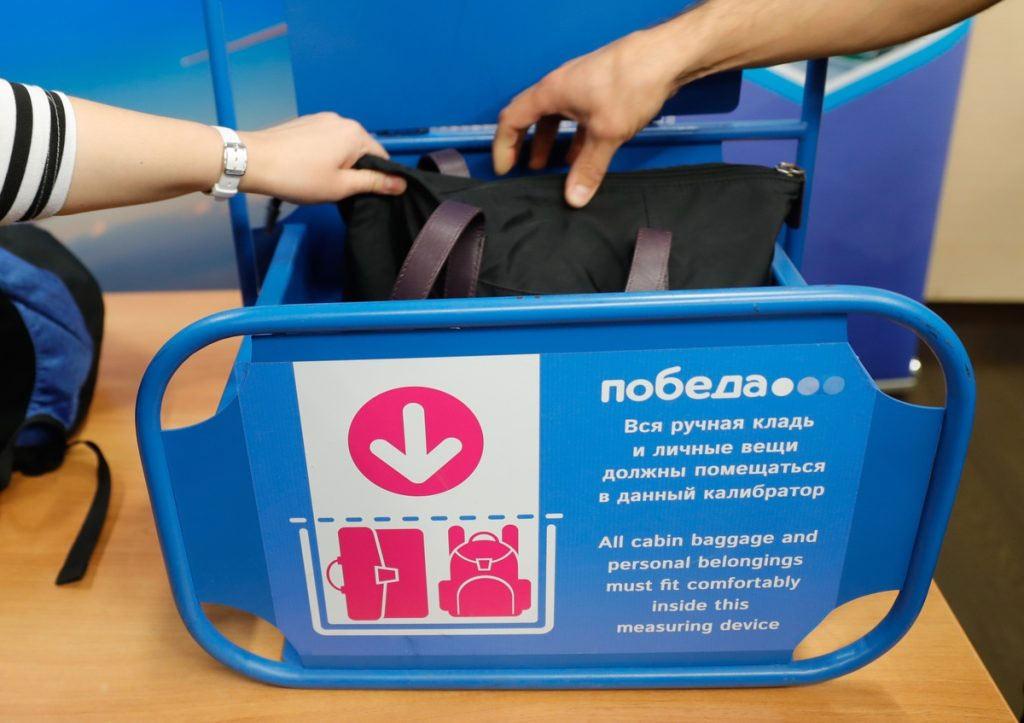
Almost all Russian airlines (including Aeroflot, Siberia Airlines, Pobeda Airlines, S7 Airlines, Rossiya Airlines, and others) allow cakes to be carried as carry-on baggage, provided the sweet baggage meets the following basic requirements:
- weight no more than 6 kg (some have a limit of up to 12 kg);
- the filling contains no more than 100 ml of liquid (regular creams and mousses meet this criterion);
- does not contain alcohol (you will have to avoid soaking it in natural rum, cognac or liqueur);
- The cake's volume fits within the company's established dimensions.
International flights
What should you be prepared for?
- In some countries, it is prohibited to carry sweets;
- the cake may be required to be placed in luggage (in this case, the company will not be responsible for the safety of the dessert);
- You should immediately abandon the idea of ordering a large cake (the maximum weight varies among carriers, so it's worth finding out what kind of cake you can take in the cabin).
Transporting a cake by train
In general, all the advice on how to transport a cake by car is also relevant for rail transport. Two additional tips are recommended: avoid placing the box near radiators if transporting the cake in winter, and securely secure the baggage if placing it on the overhead bin.