How to color cake fondant

Content
Fondant is one of the most popular methods for decorating cakes and pastries. Today, we'll tell you how to color fondant at home, which dyes can be used to achieve different shades, and which natural products can give the sugar paste the desired color.
Mastic for painting
You can color either homemade fondant or store-bought sugar paste. Naturally, white fondant works best for coloring.
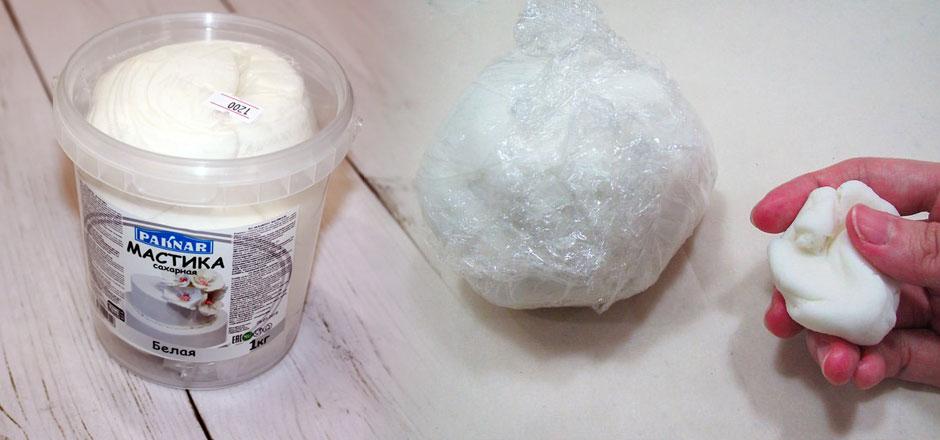
Please note that not all shades are easy to create at home. Home-colored options are ideal if you want classic, light shades or subtle undertones. However, if you're looking for a trendy deep black or rich red cake, it might be easier to buy ready-made fondant in the desired color, as achieving pure, rich shades can be quite challenging for beginners.
What dye should I use to color mastic?
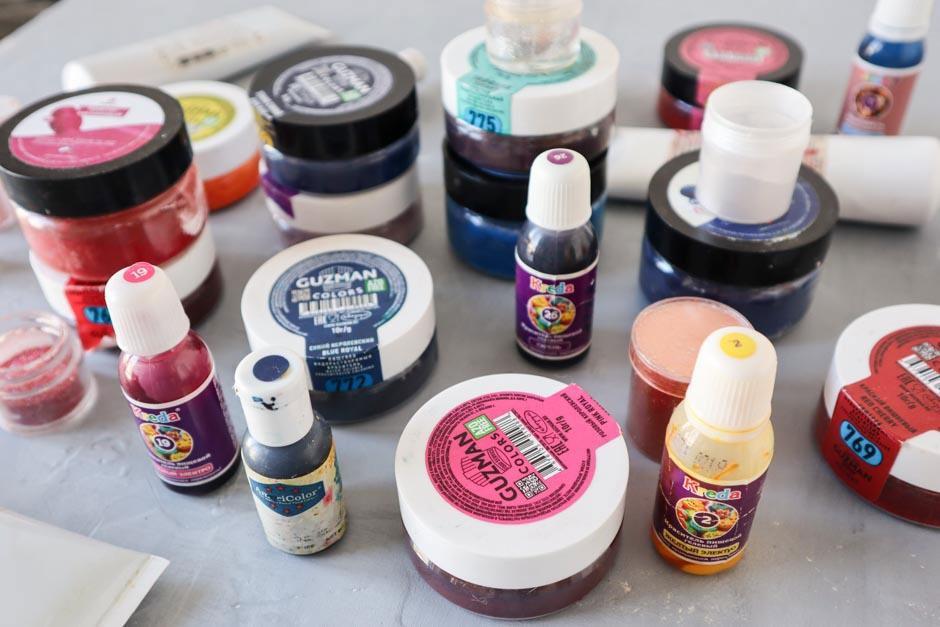
Below we'll explain step-by-step how to properly paint mastic at home using gel, liquid, and dry dyes.
Gel dye staining
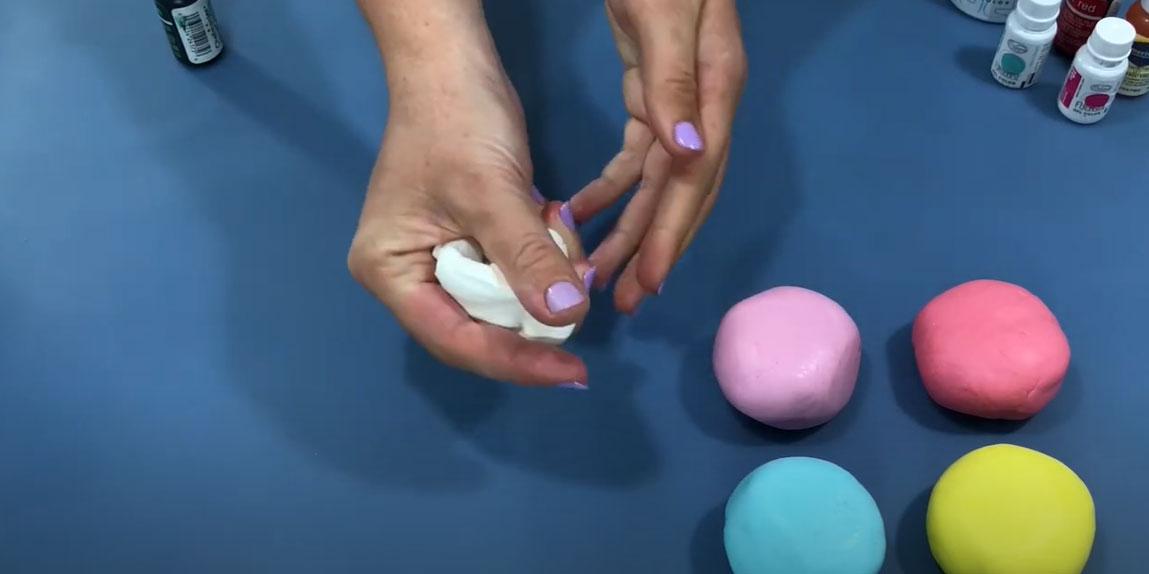
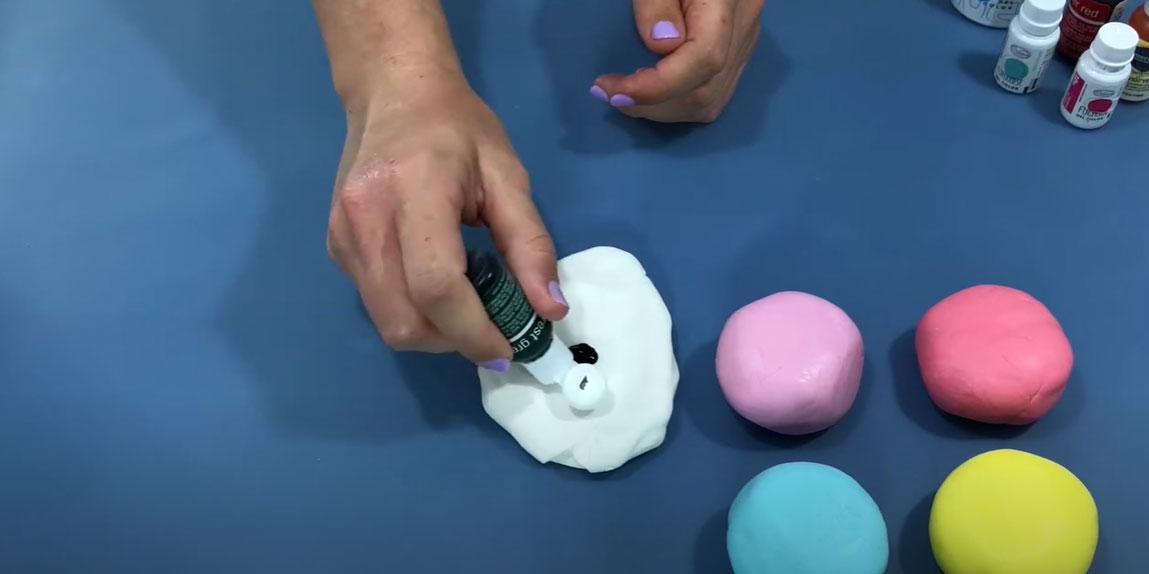
Our step-by-step instructions will help beginner bakers understand how to quickly color cake fondant and adjust the color intensity:
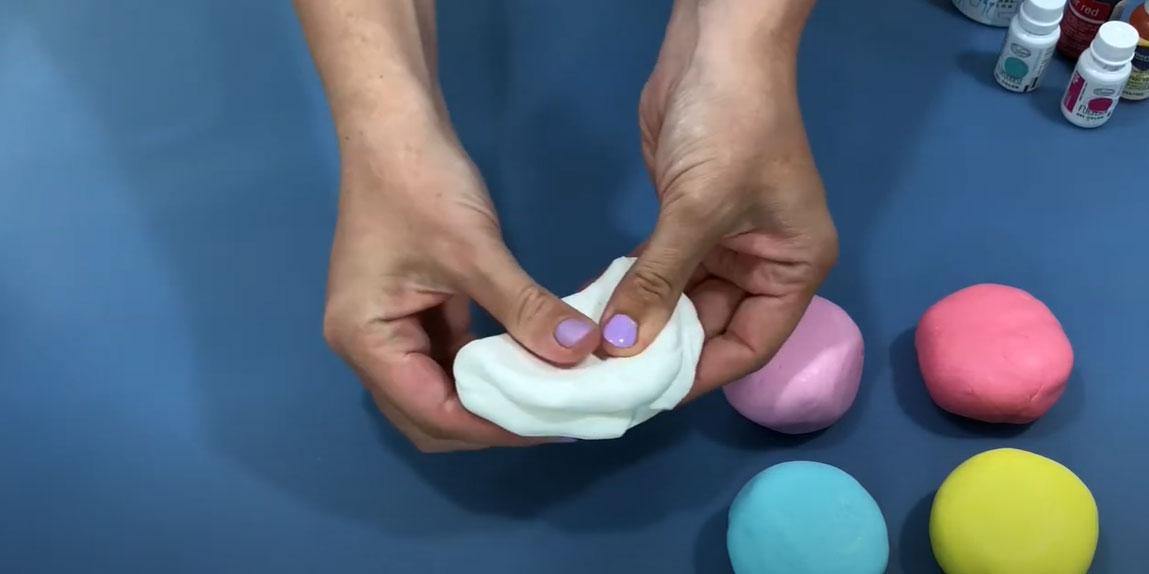
- To begin, the white sugar mass must be thoroughly kneaded (if necessary, it can be preheated).

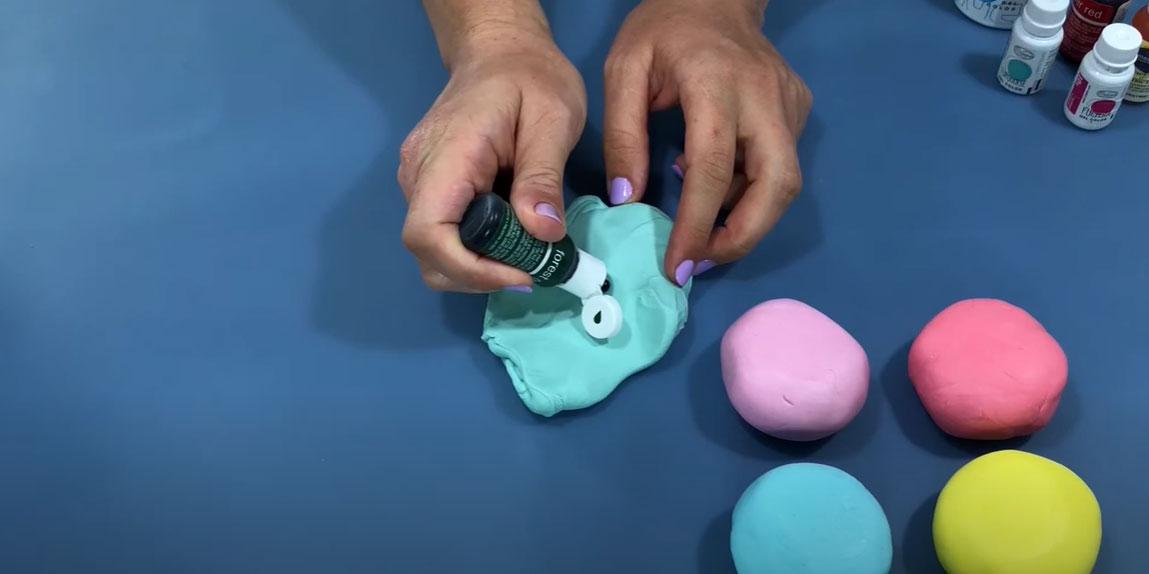
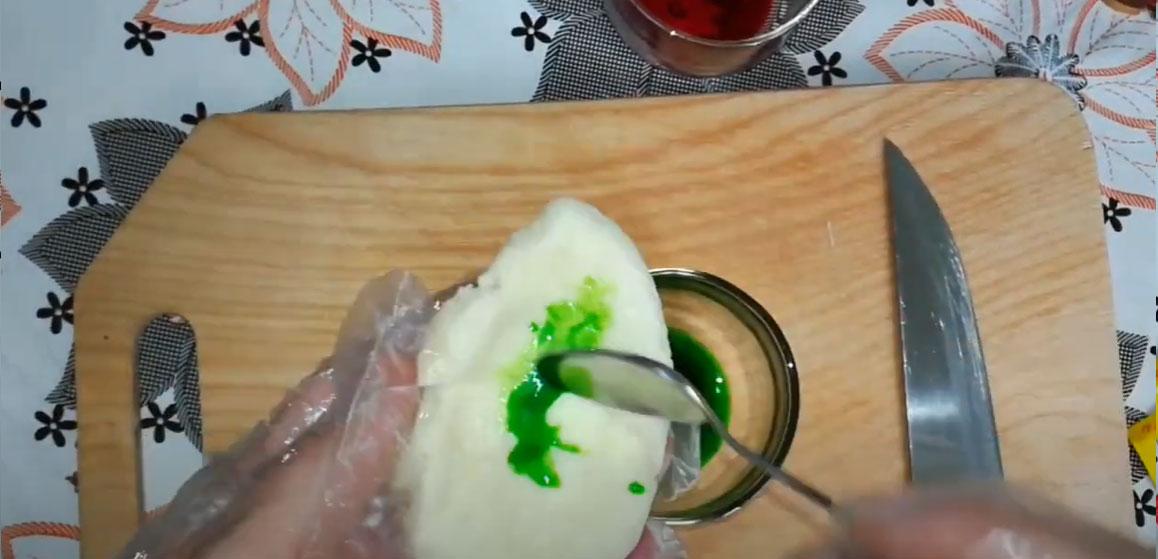
- Form a pancake out of the mastic and add a few drops of gel food coloring to the center.
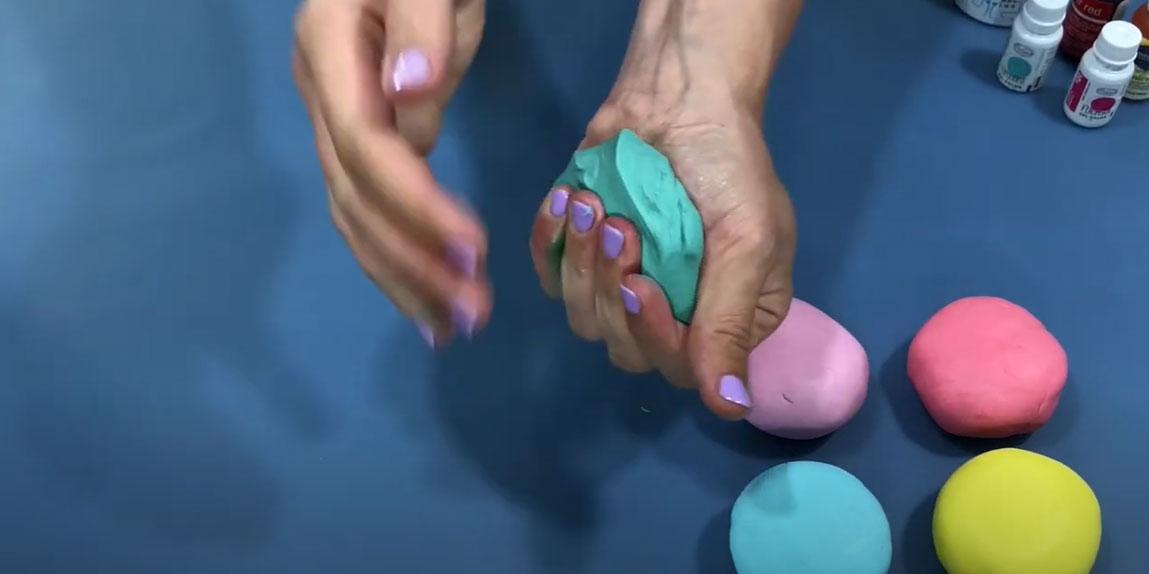
- Close the pancake so that the paint is inside, and knead the sugar dough thoroughly. At this stage, the color won't be visible yet, but it should thoroughly saturate the mixture to prevent the liquid paint from staining your hands and work area later.
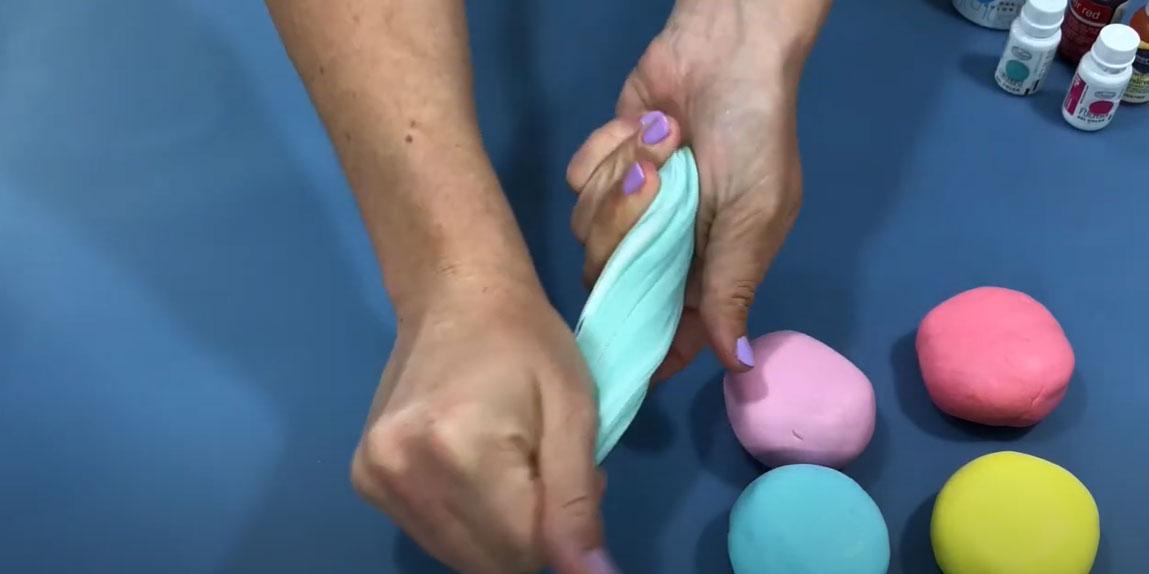
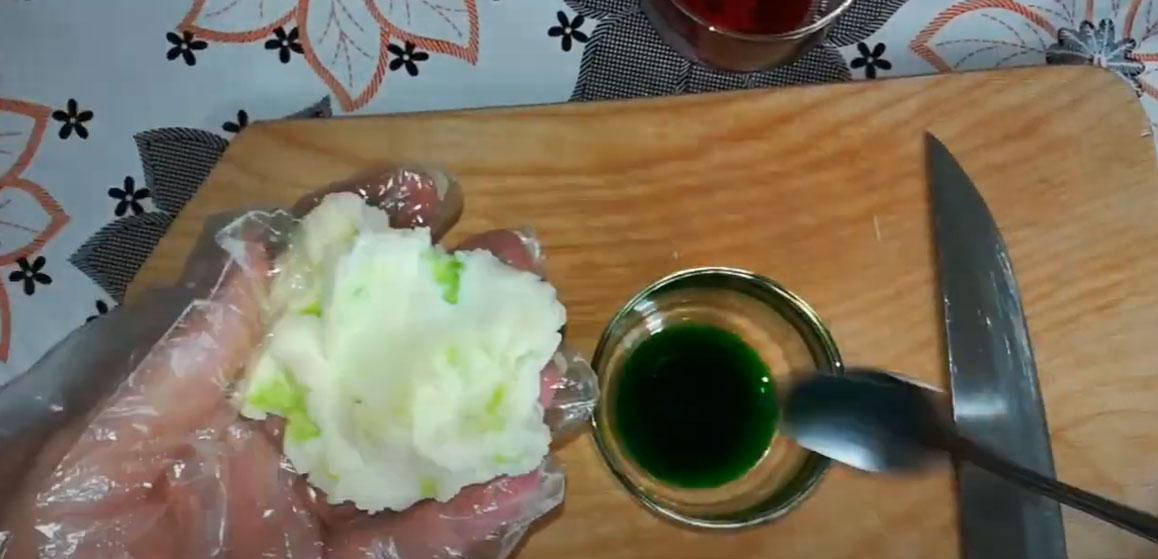
- Next, begin stretching the dough, twisting it slightly as you go. Continue stretching and folding the mastic until you achieve a uniform color.
- Evaluate the result and add more dye if necessary.
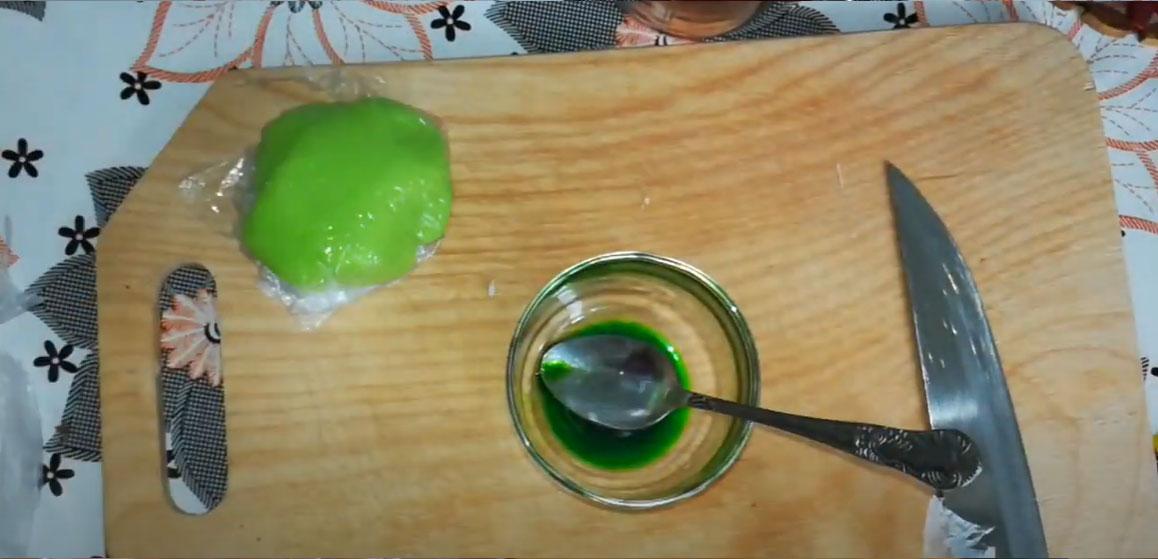
- Repeat kneading and stretching the dough until it reaches a uniform color.
Dry dyeing
Dry water-soluble food coloring is ideal if you want to achieve a bright, saturated shade.
Step-by-step instructions for painting mastic with powder paint:
- First, you need to dilute the powder in water (the color should be more concentrated than desired).

- Knead the dough until it is elastic, make a small pancake and add food coloring to the center.
- The method for giving the dough the desired shade is similar to working with gel dyes, but it is better to knead and stretch the dough with gloves, since water is much less absorbed into sugar dough and dye is guaranteed to get on your hands.
- Continue kneading the dough and adding dye until you get the desired shade.
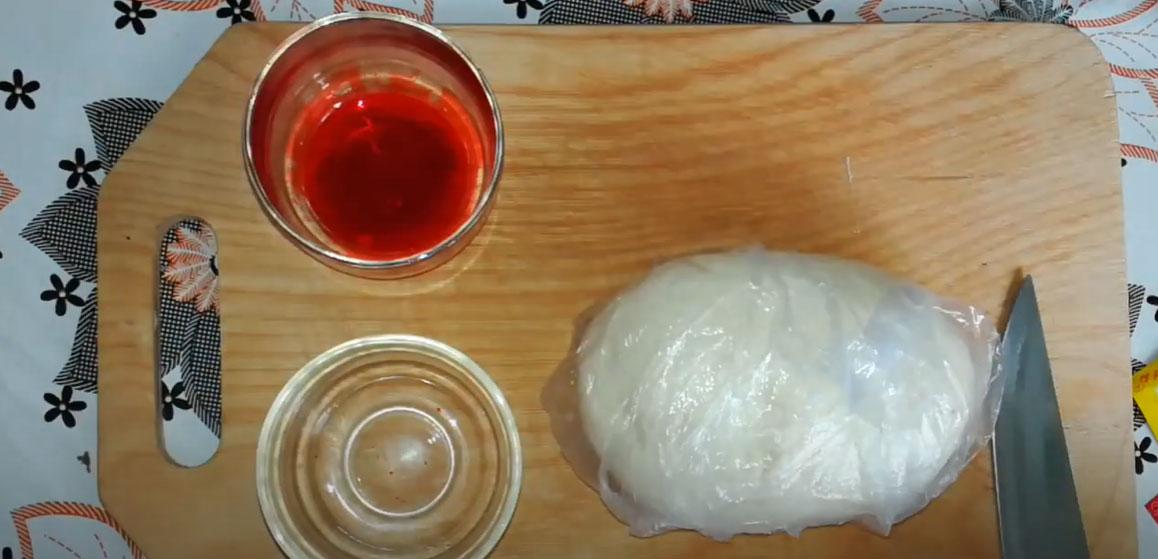
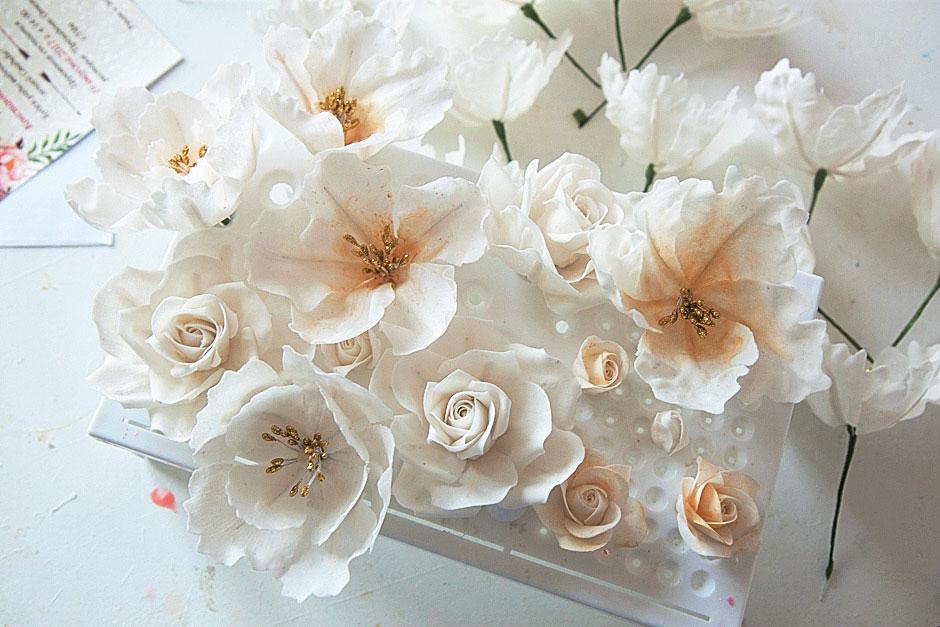
There's another way to use powder paints: you can simply paint finished decorative elements with them, creating beautiful, realistic color transitions. In this case, regular white fondant is used to create the decorations, and the decorations are painted to match the cake's color scheme before delivery. It's best to use a soft brush to coat fondant items with dry paint.
These delicate sugar paste flowers feature nude and beige tones created using a dry dye application technique.
Liquid dyeing
Often, when searching for an answer to the question of how to color mastic, novice confectioners buy inexpensive liquid water-soluble dyes.
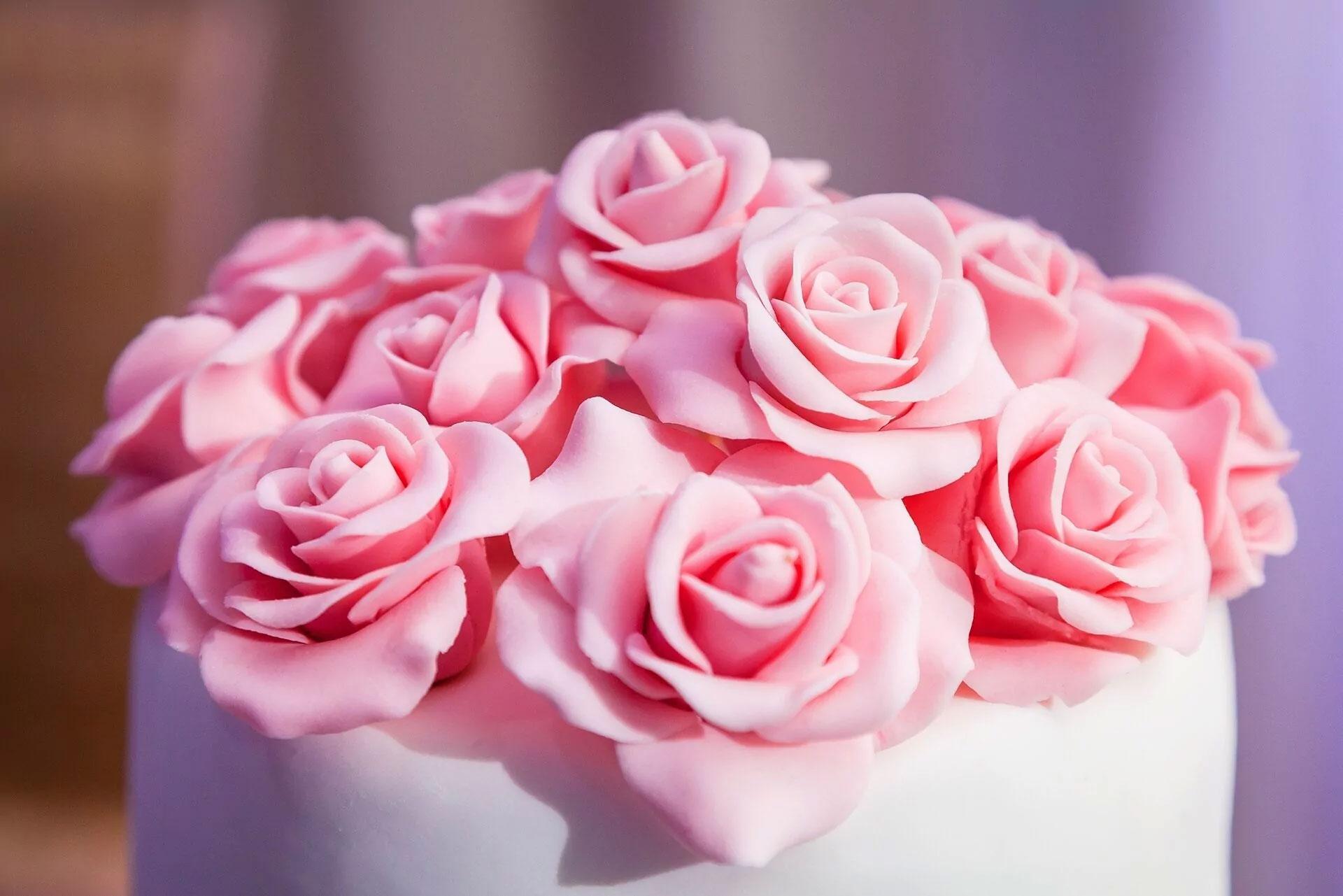
This option is also possible, but don't expect very rich shades from this method, as it won't concentrate the pigment, and adding too much liquid will ruin the sugar mixture. However, if you're aiming for subtle shades (blue, pink, or light green), simply color the dough as you would with diluted dry dye.
Features of the color palette
It's easy to understand how to dye fondant in basic colors, but what if you need a perfect white, deep black, gold, or marbled hue? Experienced confectioners have their own secrets for creating exclusive decorations.
Dioxide
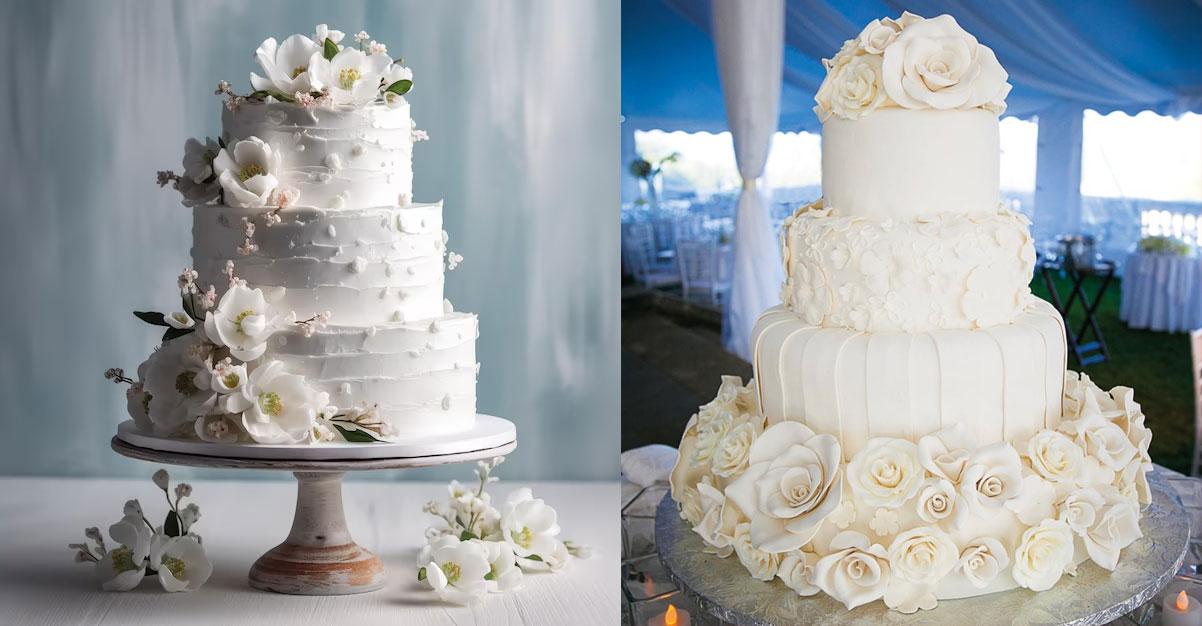
These luxurious white flowers are made from mastic with the addition of dioxide.
Food gloss (candurin)
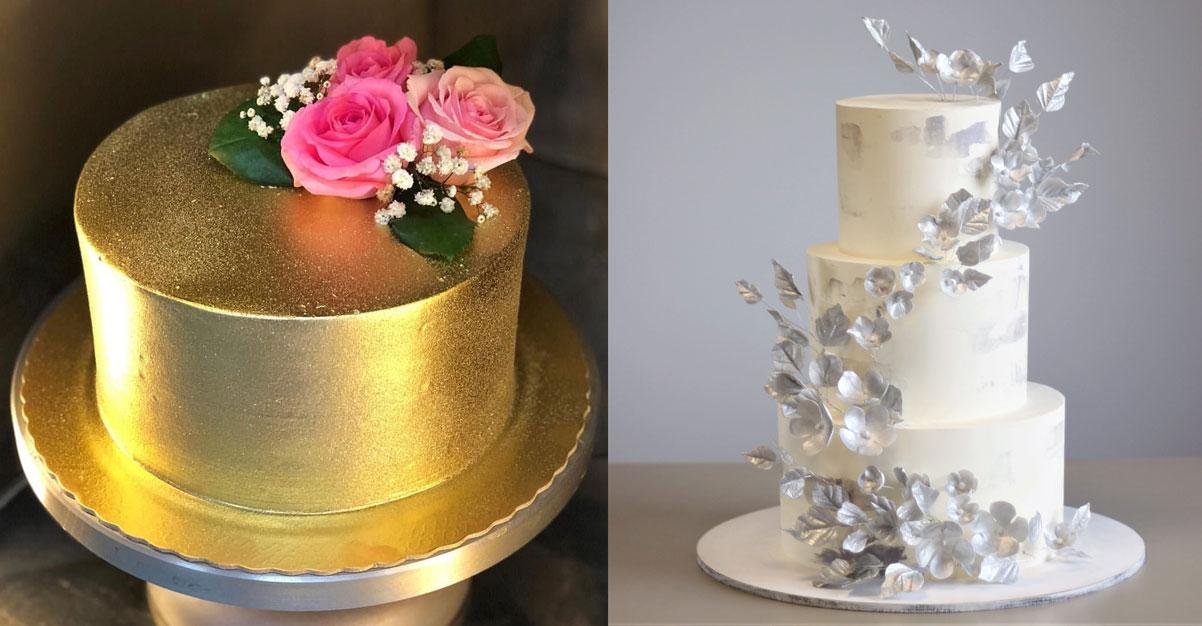
It is made from silicates (natural mica). Depending on its composition, the powder can be used to color mastic with luxurious shades of gold, silver, or bronze, imparting the luster inherent to these metals.
For more information on how to work with candurin, watch this video:
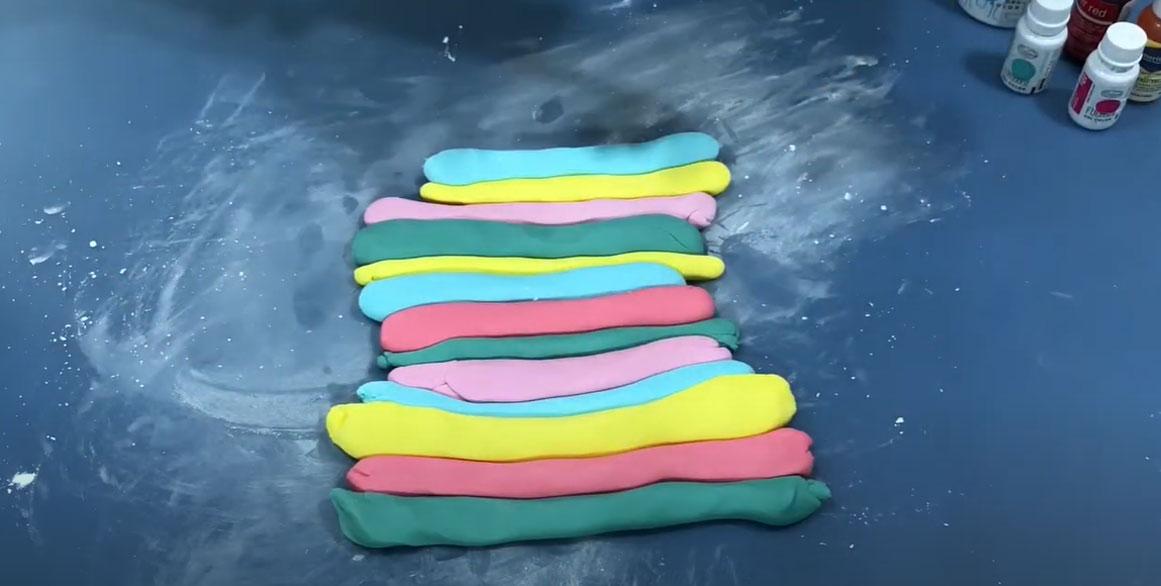
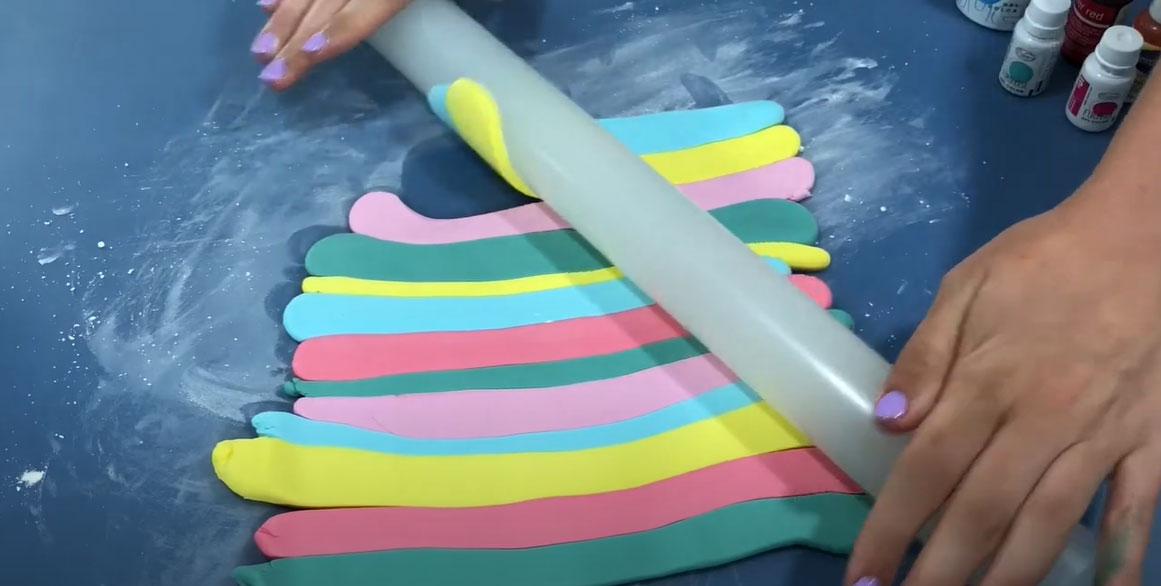
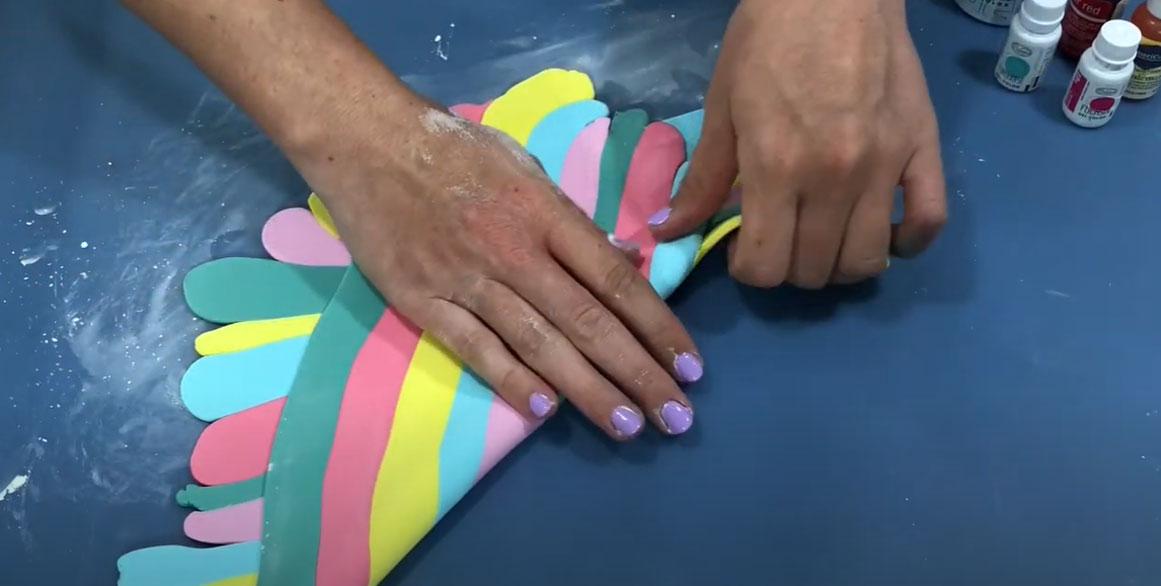
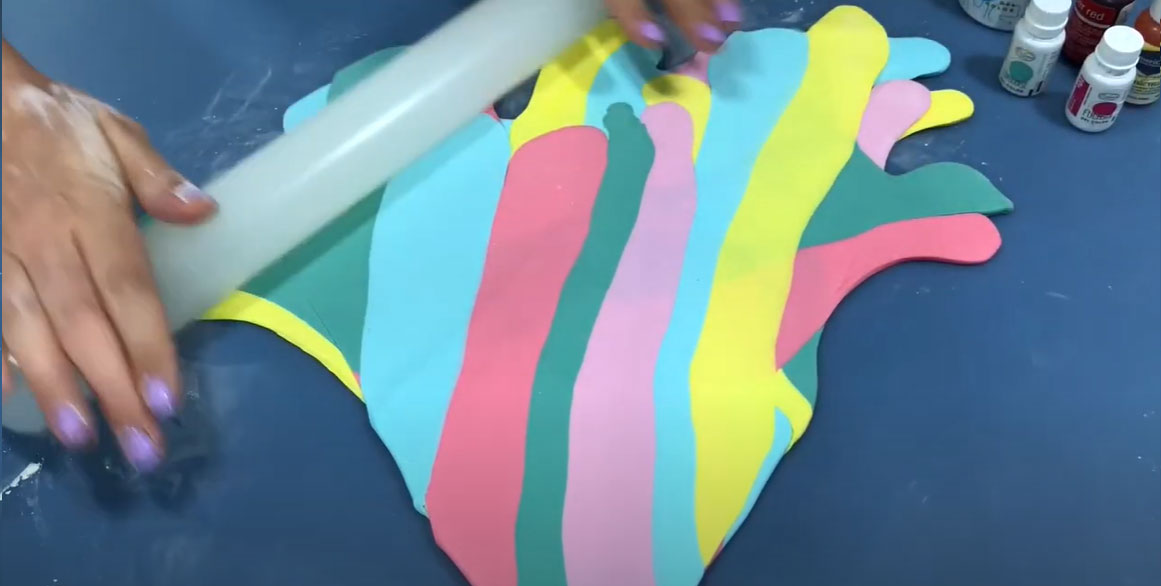
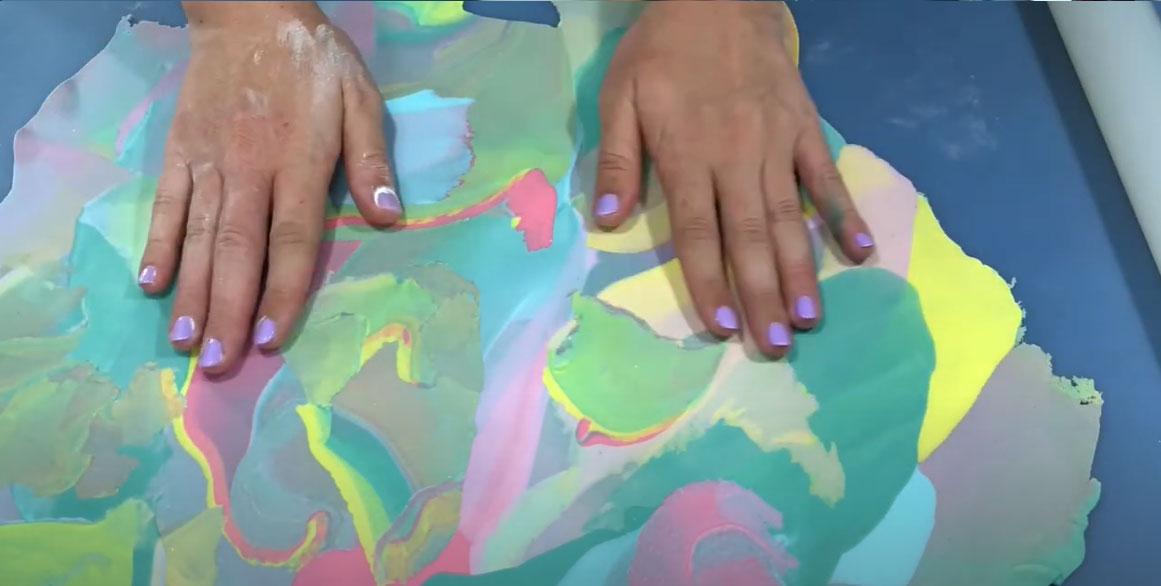
Marble mastic
The algorithm for implementing the idea is quite simple:
- Roll sausages from colored pieces of mastic and place them on a surface covered with starch or powdered sugar.

- Using a rolling pin, roll them out into a thin crust.
- Fold the mass several times diagonally.
- Roll it out again.
- Repeat folding and rolling the mastic until you achieve the desired marble pattern.
Black coating
There are two methods for coloring sugar dough black:
- gel dye;
- activated carbon.
The dyeing principle and comparison of these two methods can be seen in the video master class:
Expert advice
- Paint small pieces of mastic.
- Add the dye in small portions and add more if necessary, evaluating the resulting shade.
- If the shade is too dark, you can achieve a lighter tone by diluting the colored mastic with white and kneading thoroughly until smooth.
- To obtain a rich color, it is often necessary to add a large amount of dye, which can significantly affect the taste of the mastic.
- To paint black, use dark mastic as a base, not white; the effect will be better.