How to tell if a sponge cake is ready

Content
Sponge cake is the base for a wide variety of cakes and desserts. There are numerous recipes for soft sponge cake dough and methods for making it. In this article, we'll explain how to tell if a sponge cake is ready and how to check if the cake is baked through.
Rules for baking biscuits
When baking, you should follow these recommendations:
- place the dough in the oven preheated to operating temperature;
- place the dough on the middle level, equally distant from the lower and upper heating elements;
- Bake without opening the door until the crust is golden brown (at least the first 25 minutes) to prevent the sponge cake from falling due to a sharp drop in temperature inside the oven.
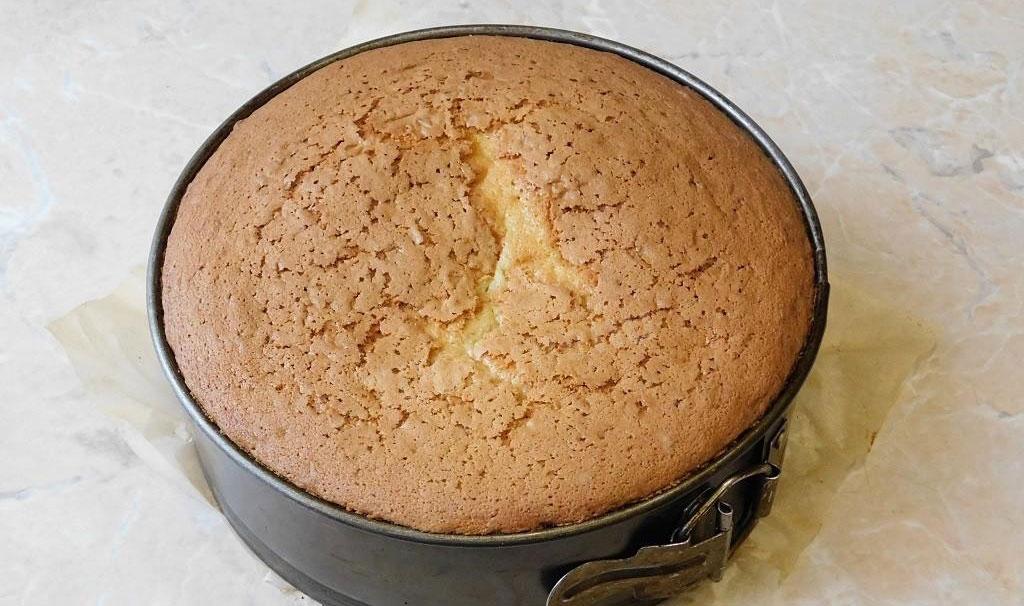
Cooking times may vary depending on your oven, so it's important to know how to tell when your cake is done.
How to check if a sponge cake is ready in the oven
Even if you're already accustomed to your equipment, it's worth knowing how to easily check the doneness of a sponge cake baking in the oven. This will be a lifesaver if you have to bake a cake unexpectedly in someone else's oven.
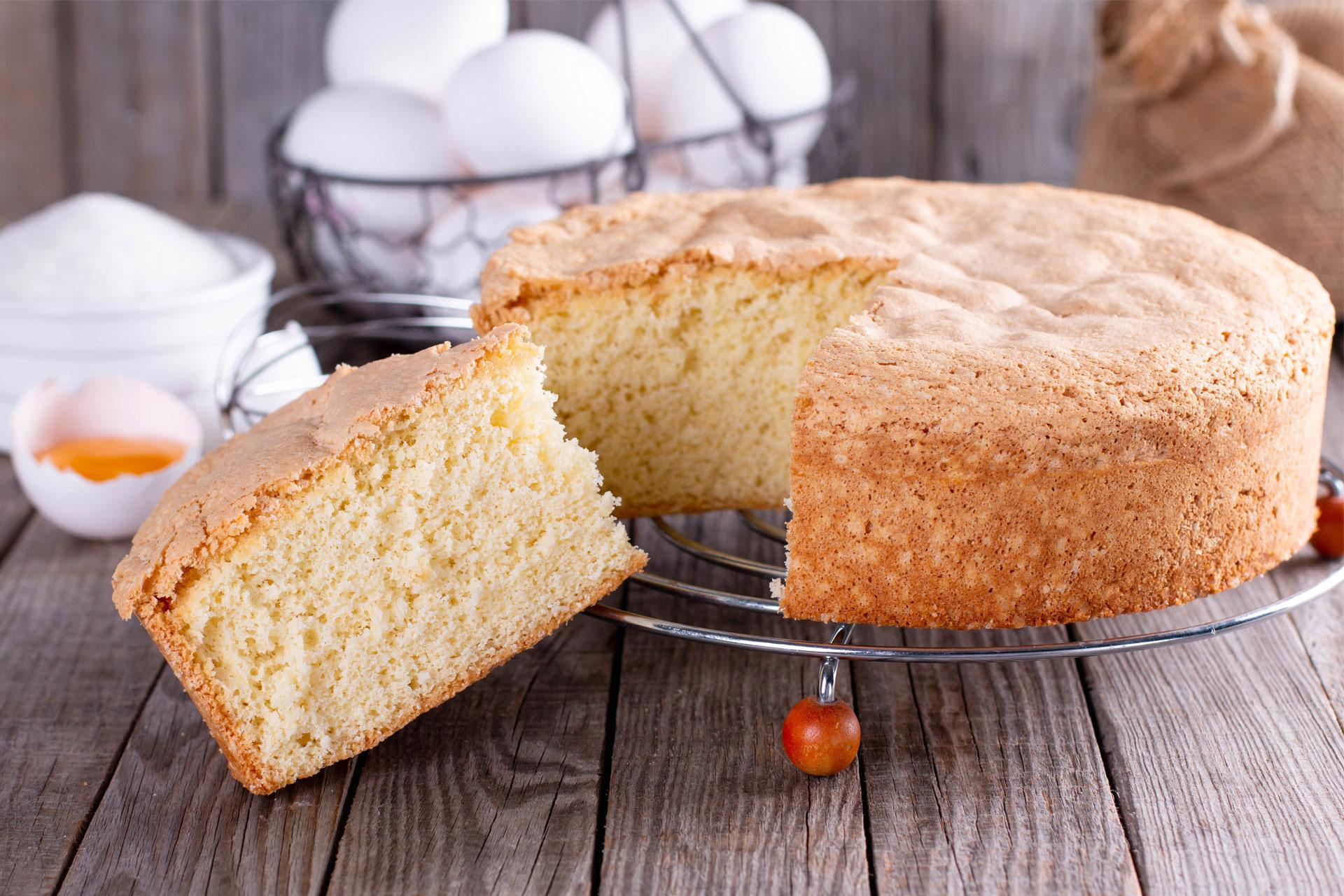
There are three main ways to check if a sponge cake is ready:
Method No. 1 – visual inspection
During baking, sponge cake dough expands, developing a fluffy, porous texture. It can form a spherical "cap" (but not always; some recipes call for the dough to rise evenly under the influence of heat).
If the baking temperature is correct, the top crust will begin to brown only after the dough has risen completely (approximately 20-25 minutes). It's during this time that it's important to monitor the crust's progress.
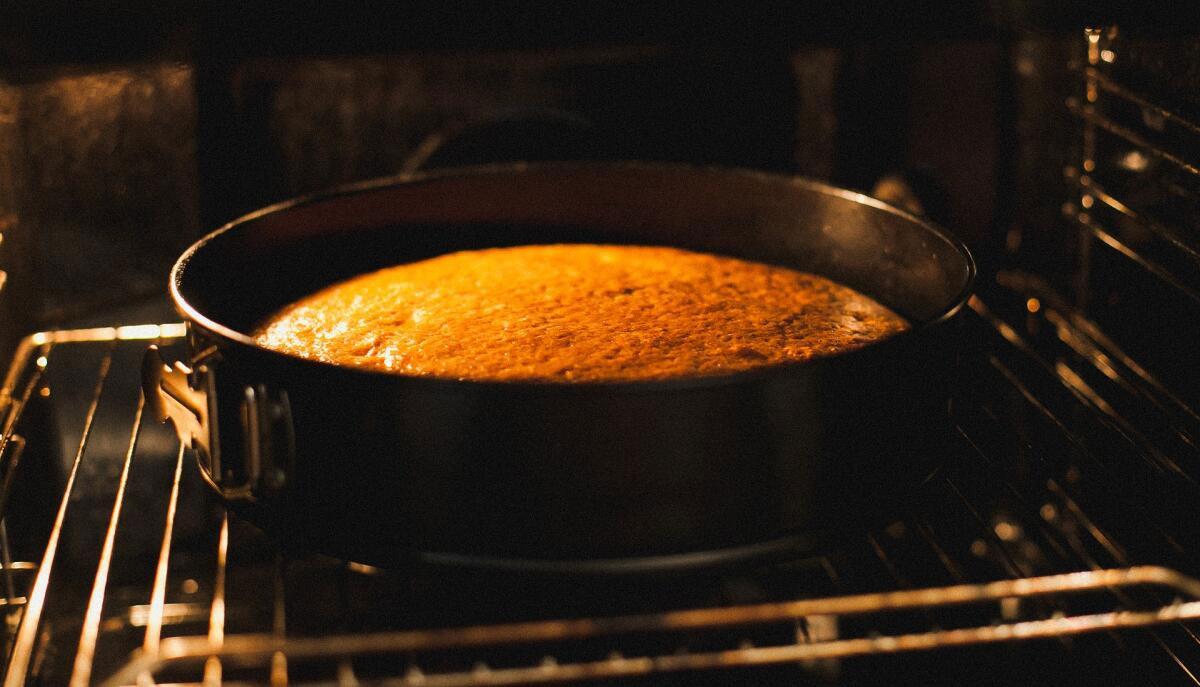
The main drawback of this method is that it's not always possible to visually determine whether the crust has browned. For example, a charlotte cake's crust is clearly browned, but a dark chocolate sponge cake barely changes color. It's also possible that the sponge cake will only brown on the outside (a thin, toasted or even burnt layer will form on top), while the inside remains raw and underbaked. This often happens if:
- temperature above recommended;
- the mold is positioned too close to the upper heating elements;
- The sponge cake is too high.
To ensure that the cake is completely ready, in addition to a visual assessment, an additional test is carried out with a toothpick or a long wooden stick.
Method #2 – toothpick test
The wooden skewer test is the easiest and most convenient way to tell if a sponge cake is baked through. This method can be used when enough time has passed (you can open the oven door) and the dough has risen and browned.
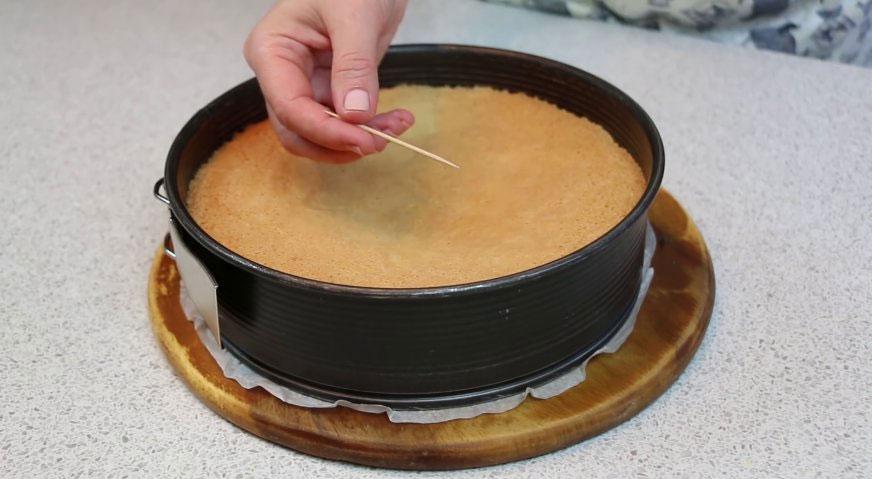
How to evaluate the result?
- If the stick remains dry and clean, the biscuit is ready!
- If dough sticks to the wood, the cake isn't baked enough! Bake for another 5-10 minutes and test again.
If you're making a charlotte, pierce the cake in a spot where there's no filling. Fruit can release syrup, which will create a wet skewer effect.
Method #3 – elasticity test
If you don't have a wooden skewer handy, you can do without one. We'll show you how to check if your sponge cake is ready without a toothpick by performing a simple springback test.
If you press lightly on the surface of a sponge cake, creating an indentation, then on a well-baked cake it will quickly straighten out, but on a raw cake the indentation will remain clearly defined.
The test, as with the toothpick, must be carried out without removing the pan from the oven, so check the elasticity with the back of a spoon – it’s safer this way.
Cooking a sponge cake in a slow cooker
It is worth remembering a number of features when using this method of preparation:
- Do not open the lid of the multicooker until the cooking cycle is complete.
- After the device has finished working, you need to wait 5-10 minutes and only then open the lid and check the readiness with a wooden stick.
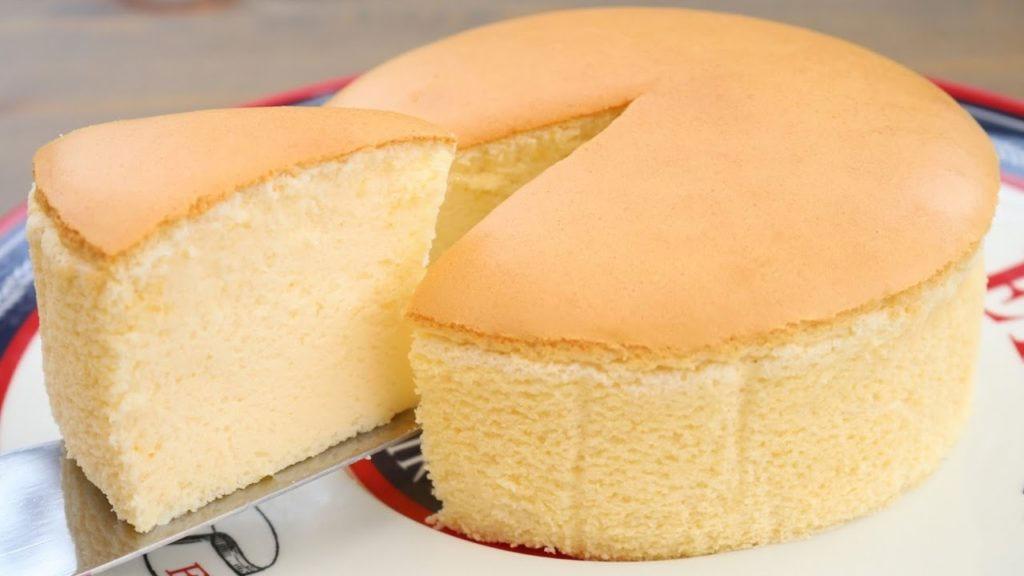
- A sponge cake made in a multicooker can remain light (almost white), without the typical golden brown crust found when baked in the oven.
Microwave cooking
While everything is more or less clear with an oven and a slow cooker, how do you know if a sponge cake is baked thoroughly in a microwave? There are no exact cooking time recommendations for this method, as everything depends on the recipe, the amount of dough being baked, and the power of the appliance.
Bake the crust according to the instructions. Once the microwave turns off, don't rush to open the door—the heating process will continue for another 2-3 minutes. After a couple of minutes, you can crack the door and check for doneness. If necessary, continue cooking for a few more minutes and test again.