How to tell if a cheesecake is ready

Content
Cheesecake is a popular curd dessert, but it's not always a success the first time. Today, we'll take a closer look at how to tell if your cheesecake is ready, and we'll also share some secrets for making it in the oven, slow cooker, and microwave.
Features and recipes of cheesecakes
Historians believe that cheese pies were baked in many European countries long before cheesecake emerged. It's a known fact that similar desserts existed as far back as Ancient Greece and Rome, and were found in the cellars of royal palaces in England, France, Germany, and other European countries. Naturally, chefs in each region created cheese pies using their own signature recipes. This explains the wide variety of cheesecakes available today.
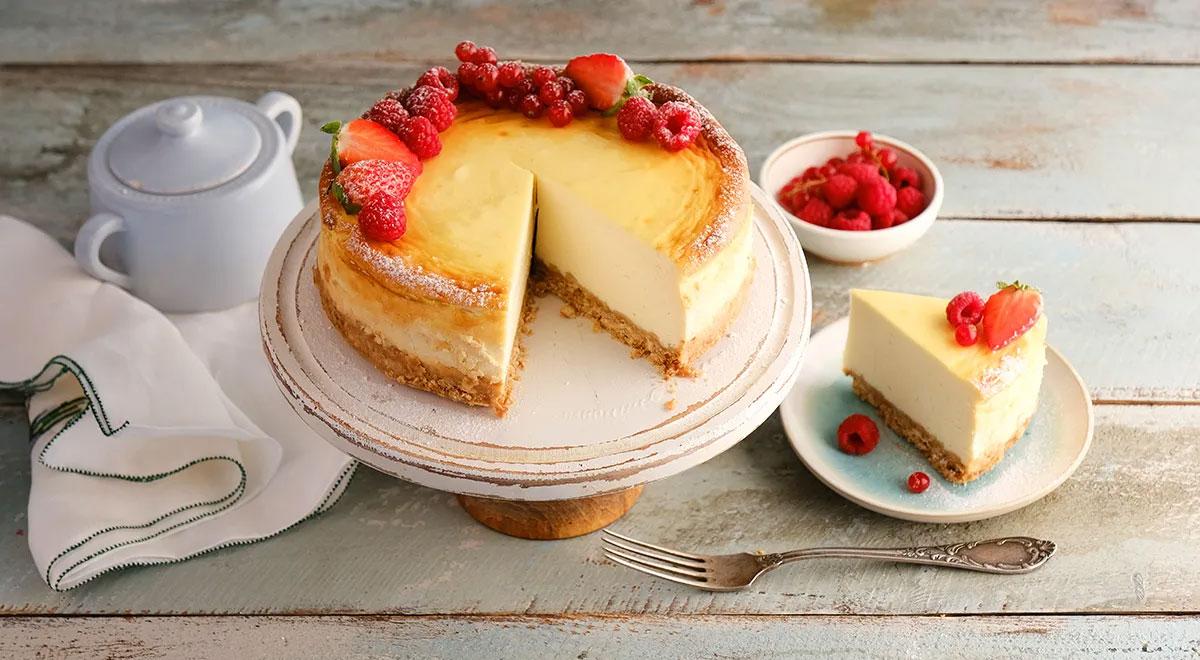
All cheesecake recipes can be roughly divided into the following based on their preparation technology:
- hot (these cheesecakes are baked in the oven, microwave or multicooker);
- cold (they are prepared without baking and harden due to the presence of gelling agents in the recipe).
Today we'll talk about how to bake a dessert using the classic hot method at home and how to check the cheesecake's readiness.
Basic Methods for Checking Cheesecake Readiness
How long exactly the dessert should be baked depends on many parameters:
- recipes for curd mass (for example, a dessert based on cream cheese is always denser than pies made with sour cream or cream, and bakes more evenly);
- thickness of the pie (the thicker the layer of cheese mass, the longer it will take to bake the dessert);
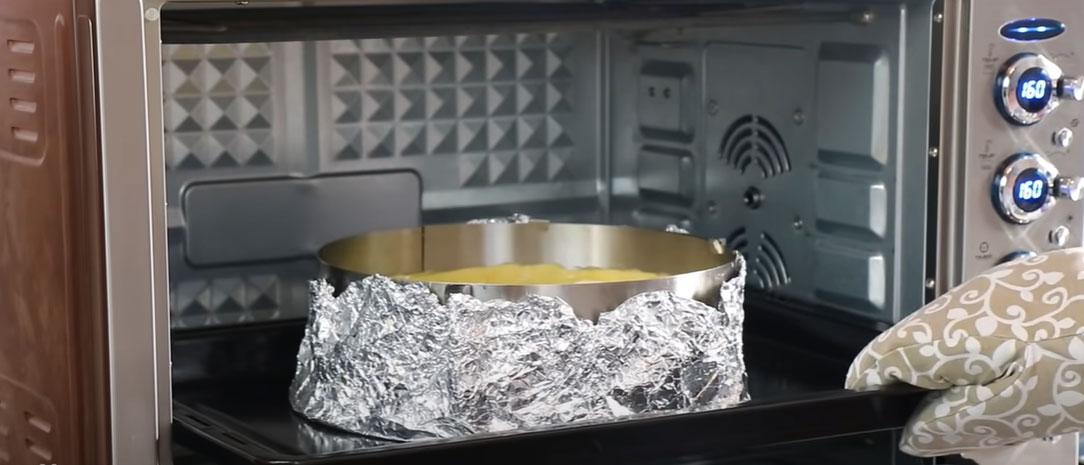
- oven operating mode and features (convection increases the speed of baking, and the device's thermometer does not always show the actual temperature).
Method #1 – Temperature control
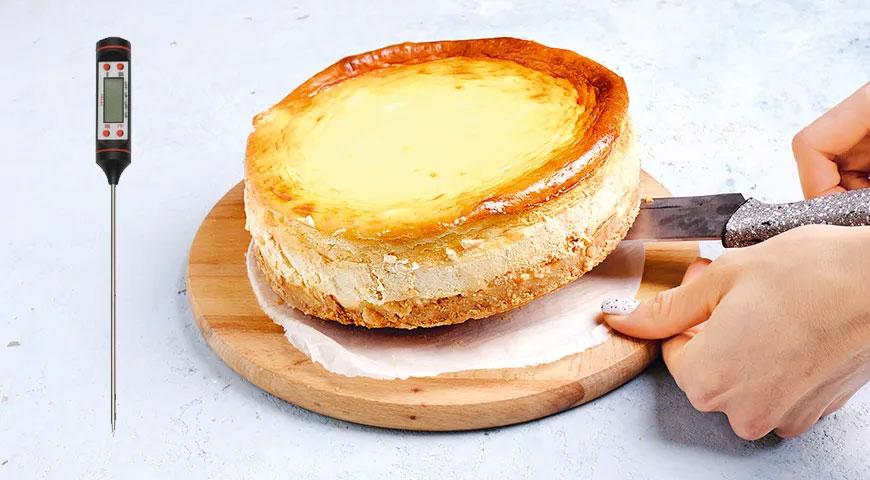
Professional pastry chefs have a perfect way to tell if a cheesecake is ready: checking the temperature inside the dessert itself. It's considered ready when the center temperature reaches 66°C (150°F). Naturally, the temperature closer to the surface, bottom, and edges will be significantly higher, so choosing the right puncture point and depth is crucial.
Method #2 – look at the consistency
Gently shaking the pan is another easy way to check if your cheesecake is done if you don't have a thermometer handy.
After the estimated cooking time has passed, simply remove the pie pan and shake very gently.
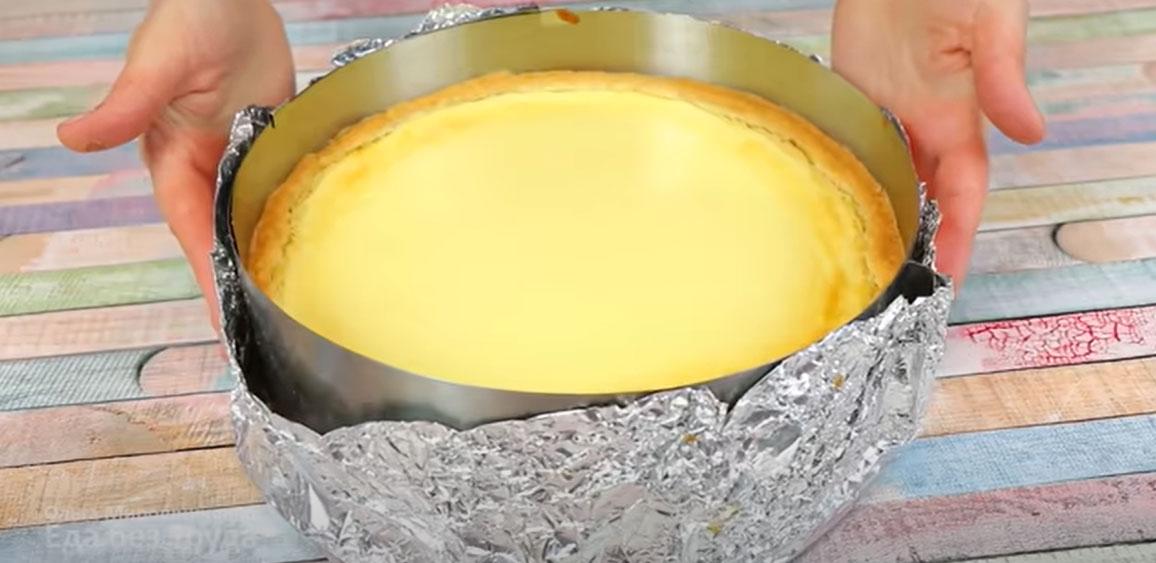
Method #3 – visual assessment
How can you tell if a cheesecake in the oven is ready just by looking at the dessert?
- The edges should become firm and golden brown to a depth of about 1 cm from the pan.
- The entire surface of the dessert should be covered with a crust, without any traces of moisture.
- The entire surface area should acquire a characteristic matte finish.
Method #4 – evaluate by touch
The tactile method is often used to complement visual inspection. If the dish appears done but you have doubts, simply gently touch the center of the pie with your finger.
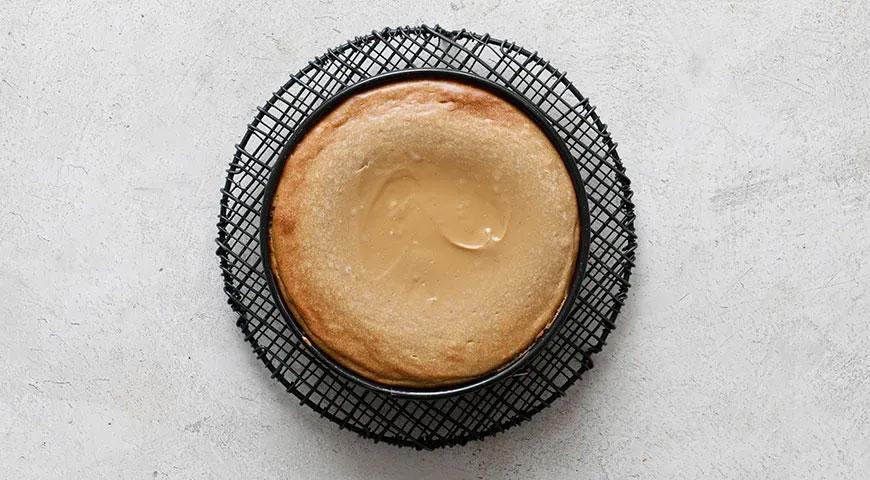
This method is also suitable for testing the doneness of cold cheesecakes. The surface of these desserts should also feel firm, elastic, and not sticky.
Baking Cheesecake in a Slow Cooker
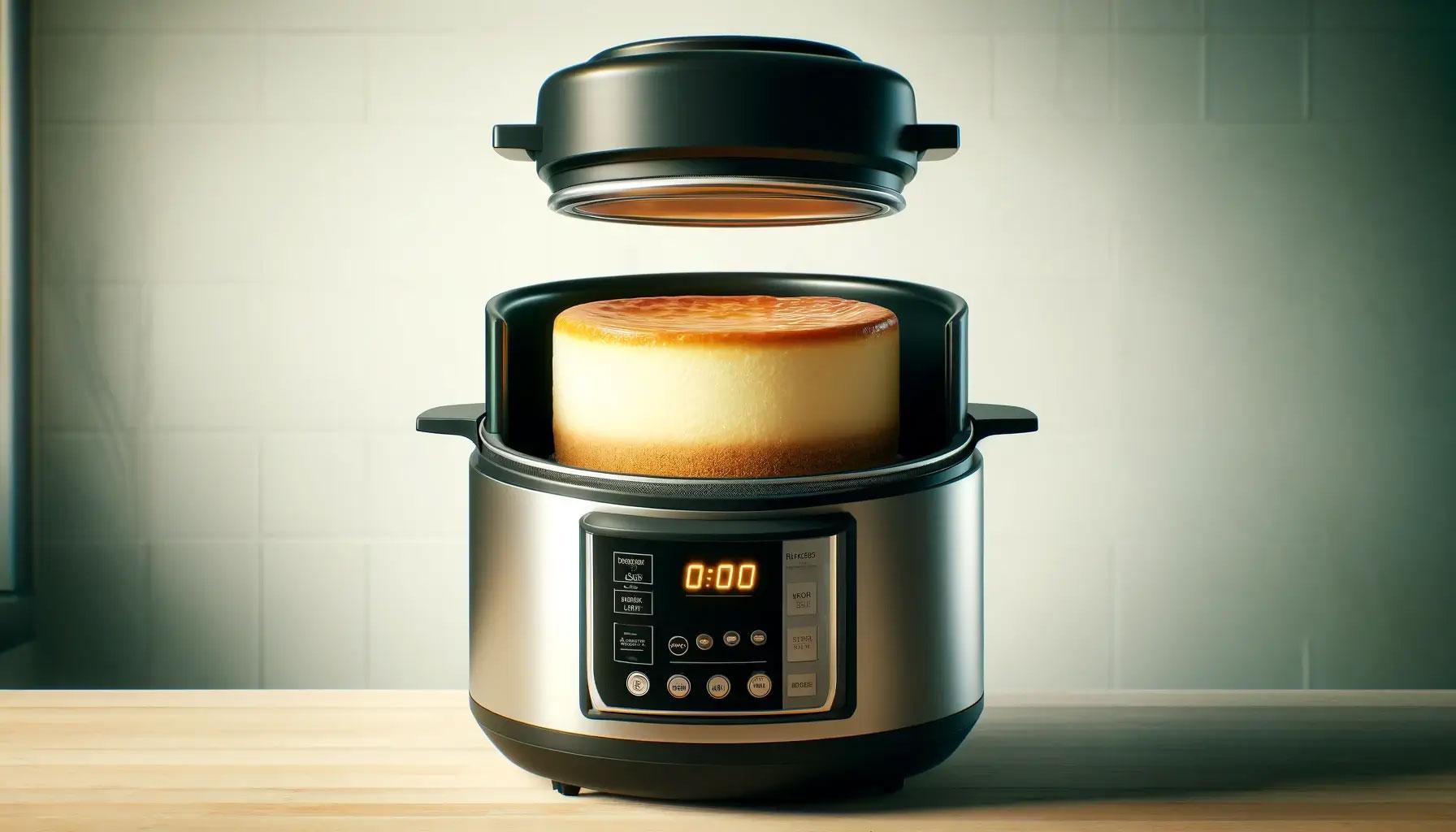
Multicooker owners simply need to get used to the specific features of their particular model and understand how long and on what setting it's best to cook a pie (with or without cookies). This can only be determined through trial and error. Some will get a perfect cheesecake the first time, while others may need two or three attempts to find the optimal settings.
Pastry Chef's Advice
To ensure a tender and delicious cheesecake, experienced pastry chefs recommend:
- Start your acquaintance with dessert using classic recipes.
- Use a mold of the recommended diameter.
- Do not rush to open the oven until the expected time of readiness.
- Monitor temperature (overheating may cause cracks).
- Cool the finished cheesecake at room temperature (do not leave it in the oven).