How to test yeast activity

Yeast is an essential ingredient in fluffy baked goods recipes, widely used in breadmaking to impart a loose, porous texture to the dough, as well as a distinctive flavor and aroma. In this article, we'll discuss which yeast varieties can be used for making yeast-based baked goods at home and how to test the yeast for activity before use.
How yeast works
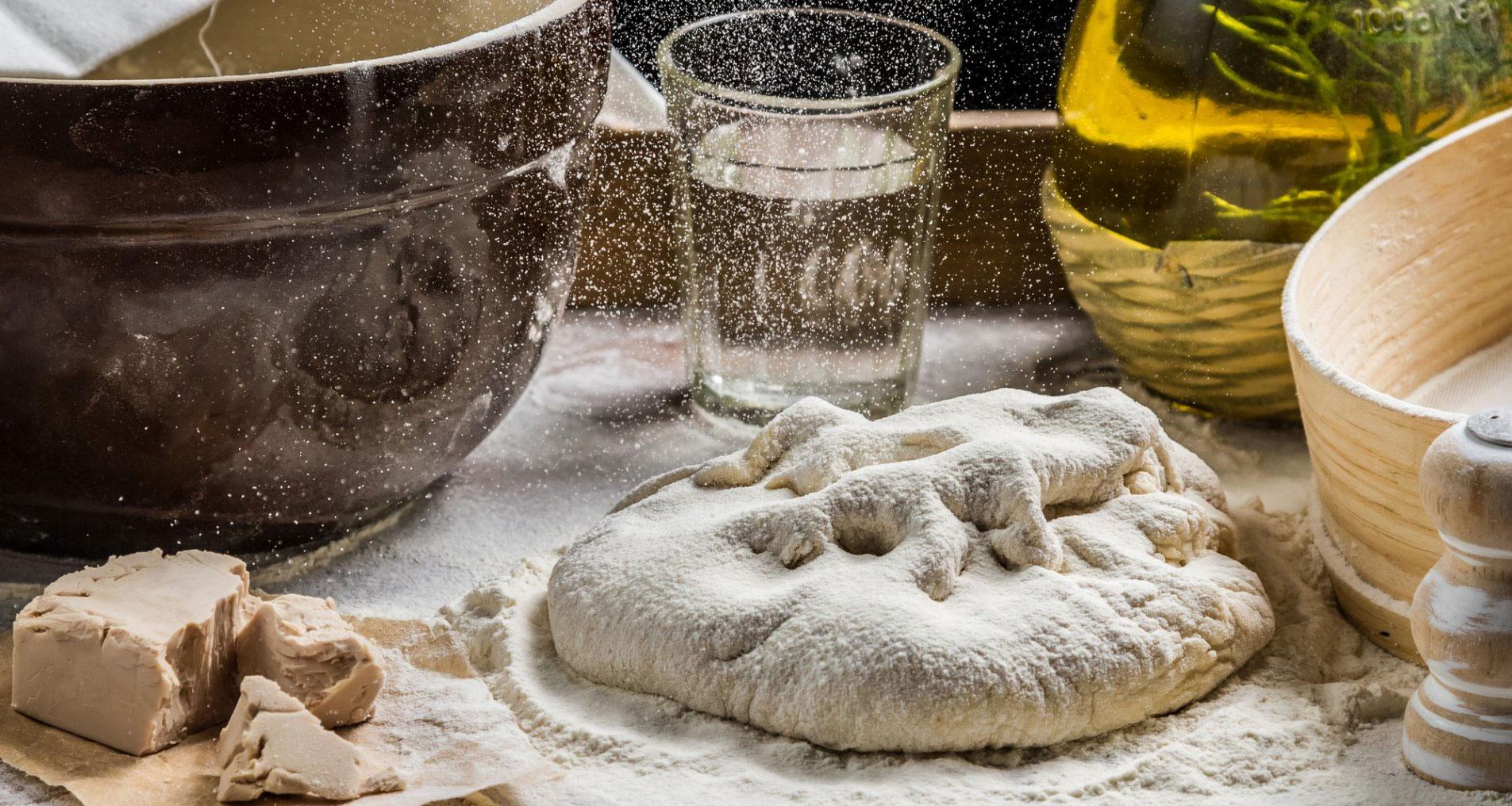
The speed of processes depends on the following factors:
- ambient temperature (for best effect, temperature should be above 30℃);
- amount of sugarov (yeast feeds on sugar, so this ingredient cannot be replaced with analogs in the recipe);
- salinity of the environment (in salty environments, yeast activity decreases);
- concentration of carbon dioxide and alcohol (when high concentrations are reached, the division processes slow down).
Types of yeast
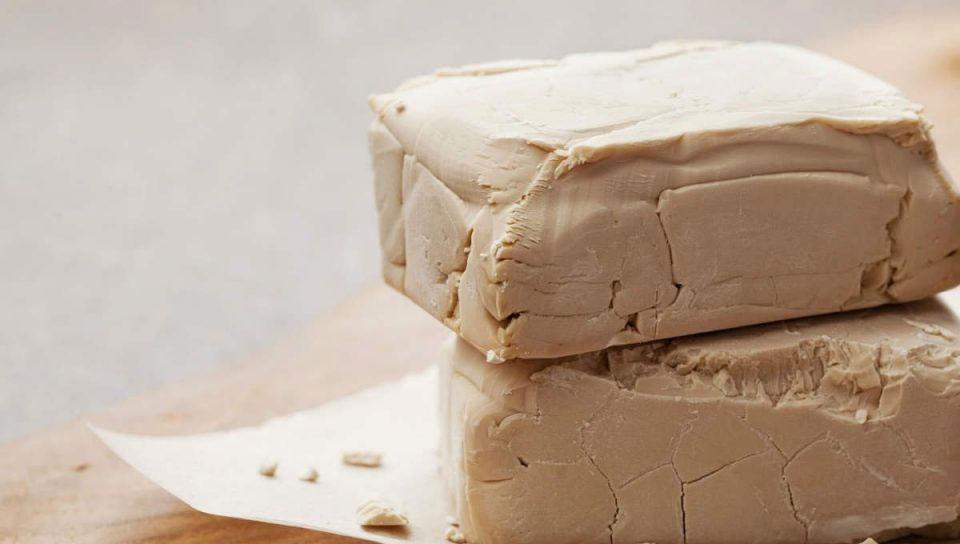
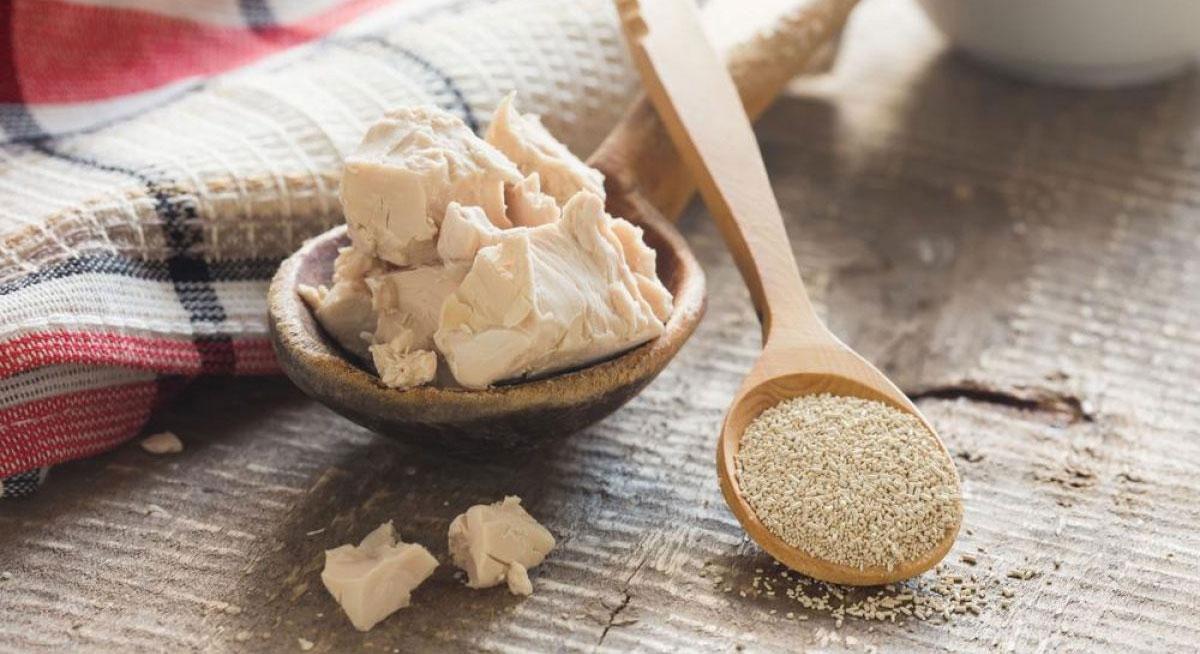
Raw pressed yeast
| Release form | gray briquettes |
| Expiration date (+15…+21℃) | Day 1 |
| Expiration date (+4…+6℃) | up to 30 days |
| Ratio per 1 kg of flour | 20-50 grams |
| Features of application | needs to be activated |
| Activity |  |
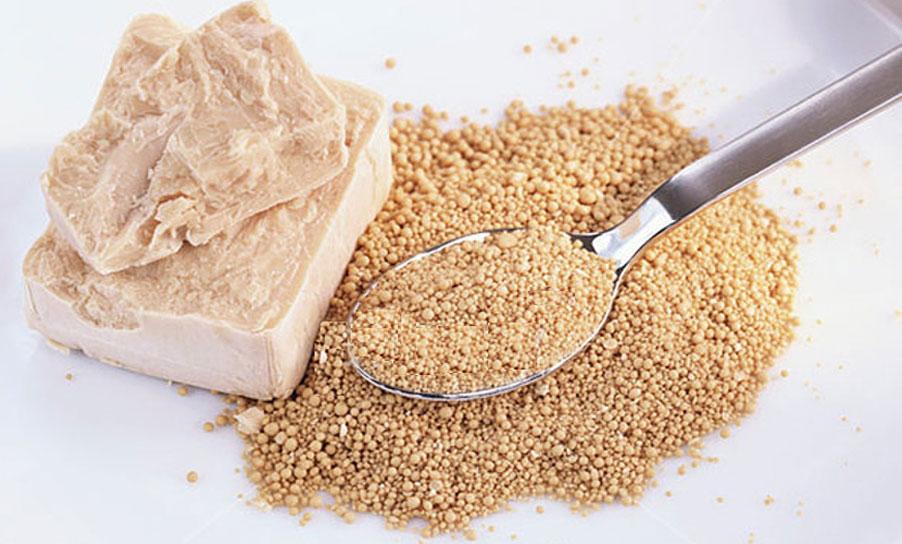
Active dry yeast
| Release form | round dry granules of different sizes |
| Expiry date (after opening the package) | Day 1 |
| Expiry date (in original sealed packaging) | 3-5 years |
| Ratio per 1 kg of flour | 14-17 grams |
| Features of application | needs to be activated |
| Activity | |
Instant yeast
| Release form | small round dry granules |
| Expiry date (after opening the package) | Day 1 |
| Expiry date (in original sealed packaging) | up to 5 years |
| Ratio per 1 kg of flour | 14-17 grams |
| Features of application | do not require activation |
| Activity |  |
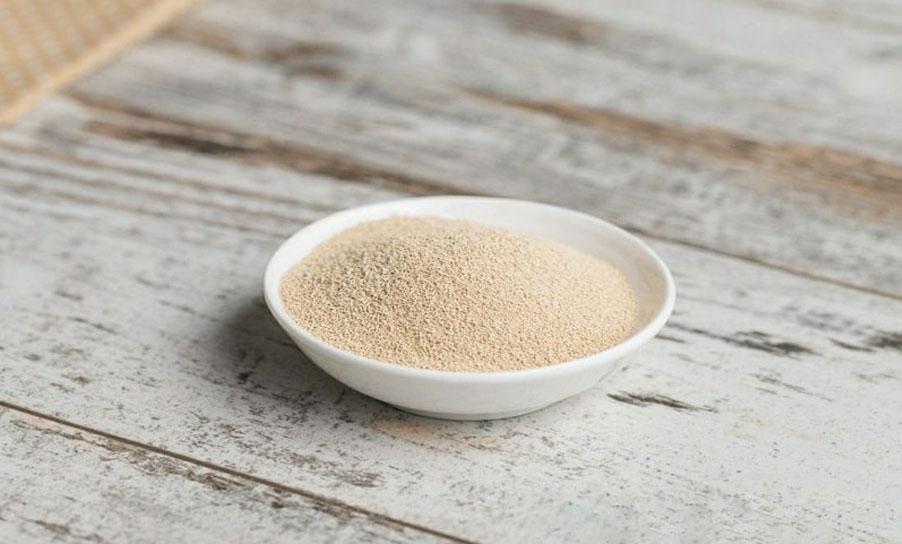
This type of yeast does not require pre-activation. Instant yeast is added to the flour before making the dough, rather than diluted in water or milk, so it's especially important to know how to test dry yeast for activity and avoid ruining the dough.
How to test yeast
Visual method
Before you start making the dough, be sure to check the appearance of your yeast, as some visual signs may indicate that it has gone bad:
- For pressed yeast, it is bad if the edges of the briquette begin to darken - this is a sign that the cells are dying under the influence of air;
- mold is not allowed in any type of product;
- The low quality of dried or instant yeast may be indicated by lumps that form when condensation forms in the packets;
- Dry yeast that is stored for too long (more than 3 years) will also not be active enough.
Proofing method
To prepare the dough you will need:
- yeast (according to the recipe);
- 1 tbsp. sugar or powdered sugar (sugar substitutes are not suitable);
- 300 ml of warm liquid (usually water or milk, but you can also make the dough with kefir);
- 2-3 tbsp flour.
Using these ingredients, mix a thin batter (the consistency of pancakes), cover with plastic wrap, and let rise in a warm place for 20-30 minutes. The amount of yeast may vary depending on the recipe and the type of yeast used.
Below we'll tell you step-by-step how to make a dough using live or dry yeast:
Step 1
Heat water or milk to a temperature of 35-40℃ and pour into a container for mixing the dough.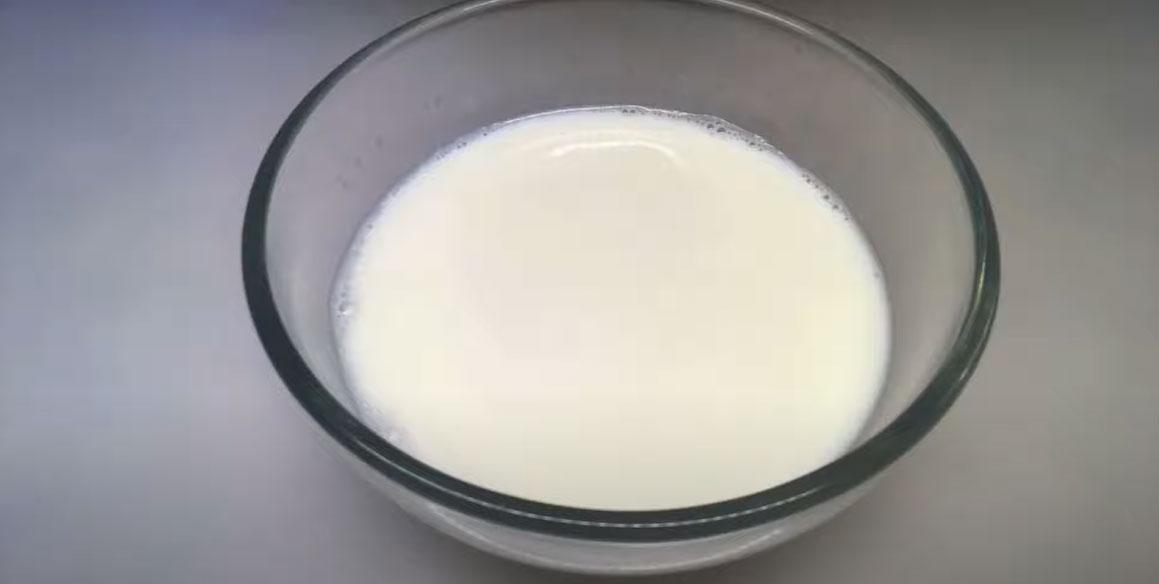
Step 2
Dissolve 1 tablespoon of sugar in warm water and add the yeast (if you're using a yeast block, crumble it with your hands). Stir thoroughly until the yeast is completely dissolved.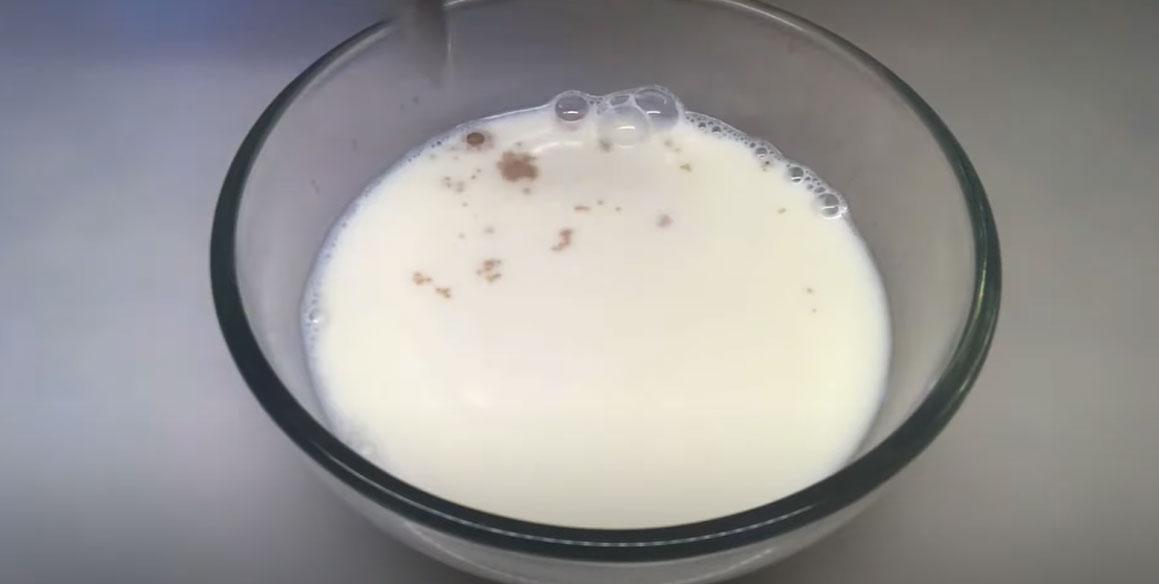
Step 3
Add pre-sifted flour until the mixture reaches the consistency of pancake batter.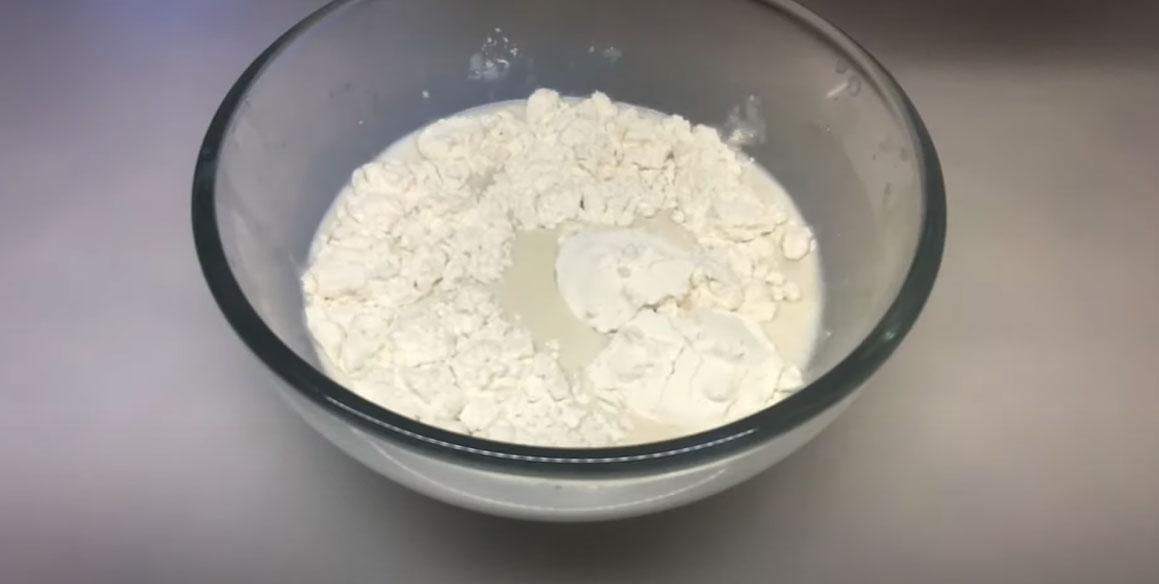
Step 4
Let the dough stand for 15-20 minutes and evaluate the yeast activity.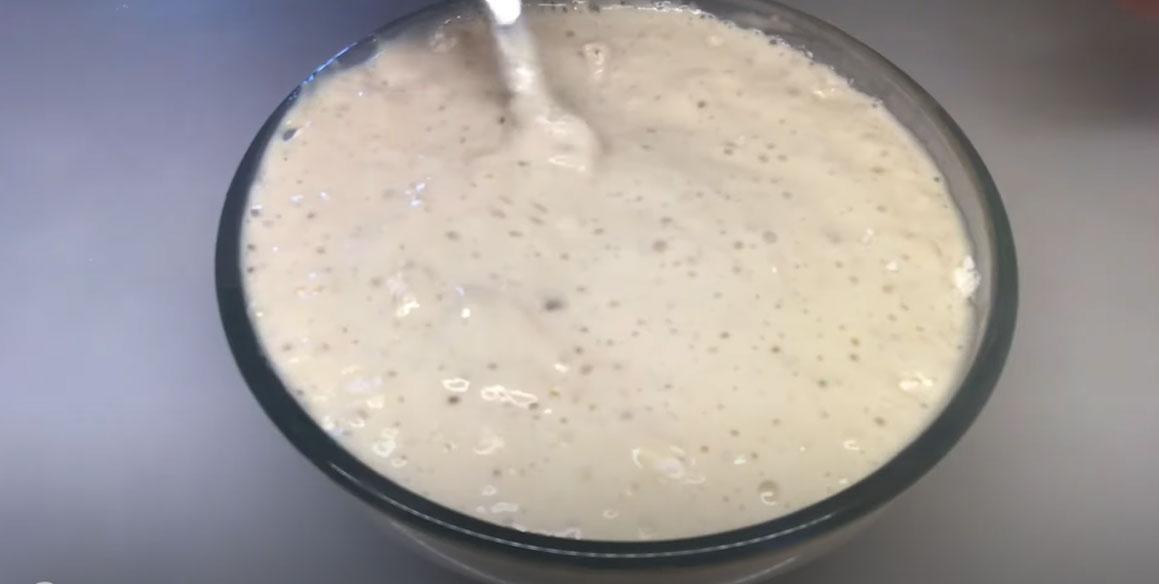
Step 5
Knead the dough using the leaven according to the recipe.
Testing instant yeast
So, we've learned how to easily tell if the yeast has activated if your dough recipe calls for a starter. But what if the ingredients list calls for instant dry yeast and it can't be dissolved in warm water before kneading the dough?
If you're unsure about the quality of instant yeast, it's worth testing a small amount of granules for germination. To ensure the bacteria will work in the dough, simply dissolve just a couple of grams of yeast in 100 ml of warm water, adding 1 teaspoon of sugar and a tiny bit of flour. Instant yeast starts working even faster than regular yeast, so you can see that it's activated in just 5 minutes.
Basic questions about using yeast
How long can the dough stand?
It's recommended to keep the starter for no more than 2 hours before using it in the dough, but under favorable conditions, the fermentation process can be continued for up to 4 hours at room temperature (after which, bacterial activity and its buoyancy will begin to decline rapidly). Activated yeast can last up to 24 hours in the refrigerator.
What happens if you add too much yeast?
If you add more yeast to baked goods than the recipe calls for (1.5-2% of the flour volume), the dough will rise too quickly, making it much more difficult to work with. Due to the excessively rapid rise in volume, there's a high risk of baking under-ripe dough, leaving a noticeable yeasty flavor, and an uneven texture.
Is it possible to correct the situation with excess yeast?
You can correct the situation with excess yeast in the following ways:
- by increasing the amount of salt;
- let's reduce the amount of sugar;
- by lowering the temperature of the dough;
- using whole grain flour.
You can also use only part of the dough in baking, and leave the rest in the refrigerator as a ready-made starter and use the next day.
Is it possible to revive yeast?
No, if the yeast cells die, it is no longer possible to restore their functionality.