How to make a pastry bag at home

Content
Many home cooks just beginning their exploration of the multifaceted world of desserts, but not yet ready to spend extra money on specialized equipment, wonder how to make a pastry bag at home. In this article, we'll explore the advantages of this pastry tool, how to choose the right one for your needs, and what you can use as a substitute for a pastry bag at home.
Benefits of using
An inexpensive culinary bag with attachments fully replaces a classic stuffing bag. Both tools are designed for:
- beautiful piping of cream when decorating a cake;
- creating thin, openwork inscriptions from chocolate or glaze;
- forming beautiful “hills” for baking meringues and making marshmallows;
- piping dough for eclairs or "Kurabie" cookies onto a baking sheet;
- applying a net of mayonnaise, etc., to salads and other dishes.
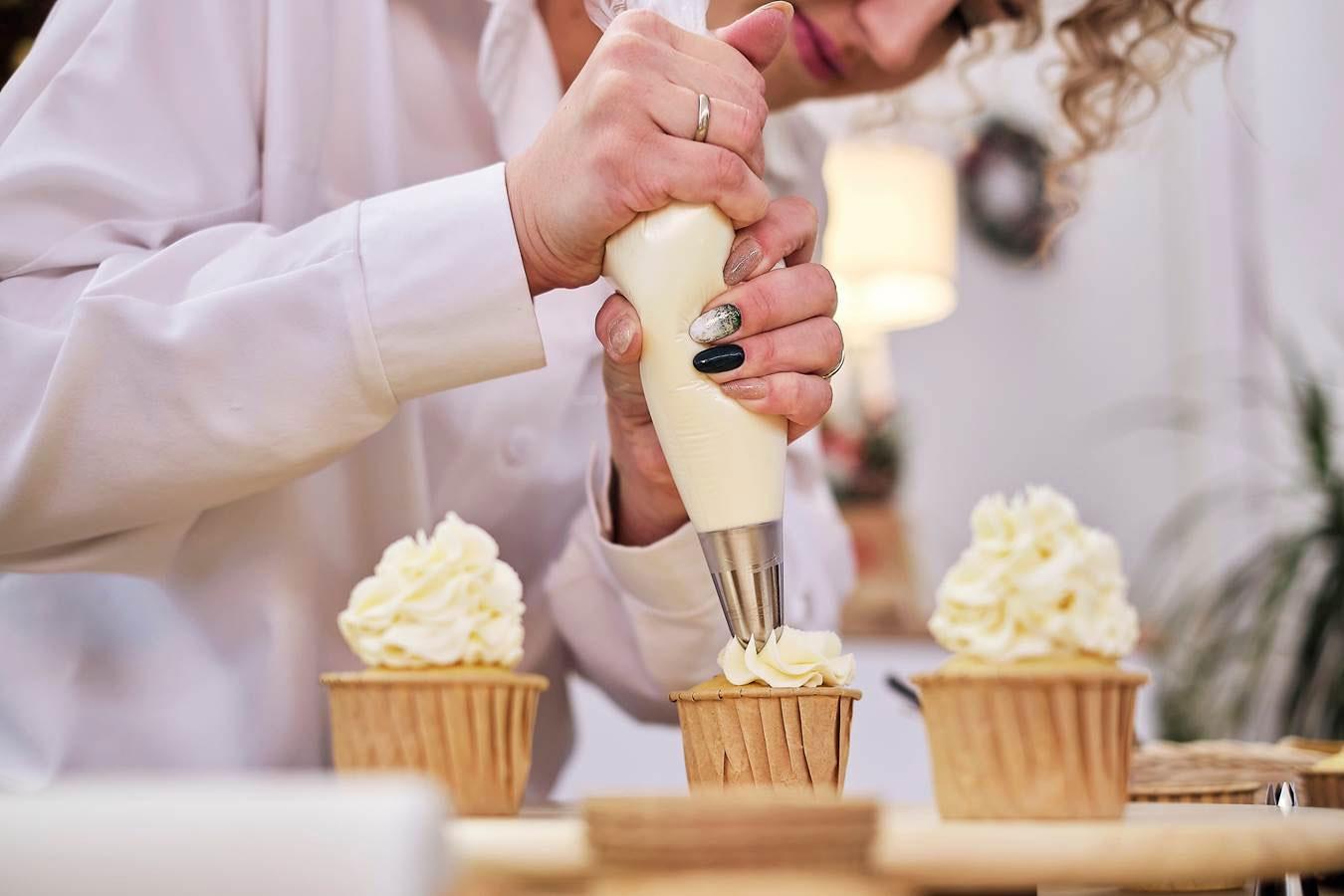
Many professional pastry chefs prefer to use pastry bags instead of bulky and difficult-to-use syringes, noting the following advantages of this device:
- more uniform squeezing of contents;
- ease of one-handed operation;
- high control over movements, which simplifies the creation of complex patterns and inscriptions;
- variability due to the presence of a large number of attachments;
- ease of use.
If you want to master more professional skills in creating original decor, it's worth learning how to use the attachments correctly, as each one has its own purpose.
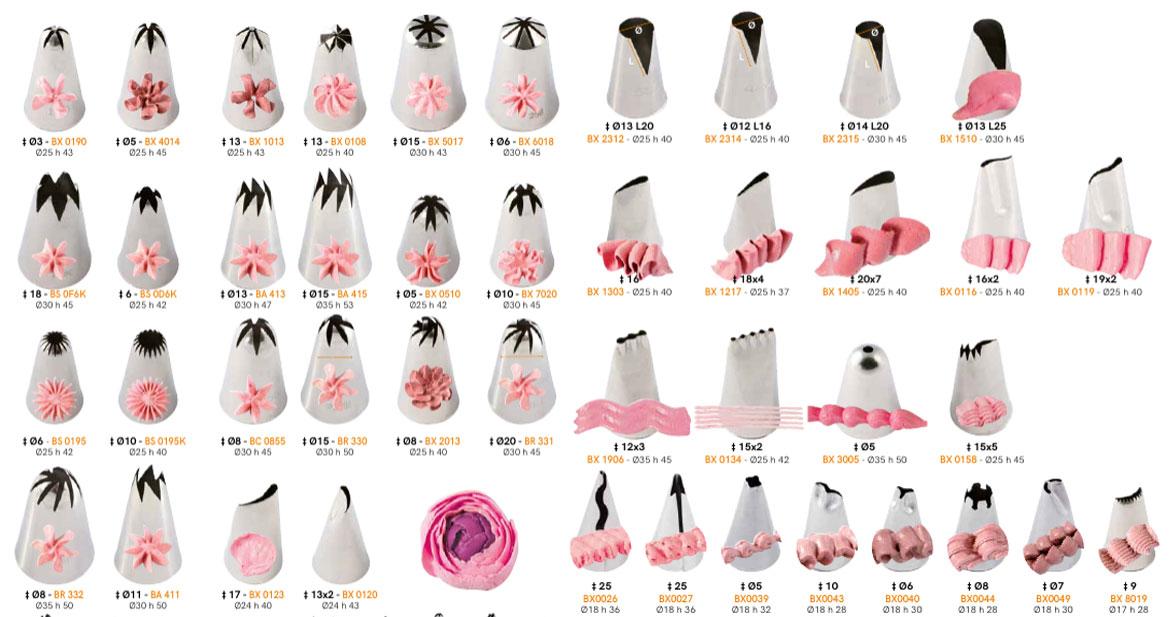
For more information on the 7 basic tips used for decorating cakes and desserts, watch this video:
Types of pastry bags
A store-bought pastry bag can be made from a variety of materials:
- food grade polyethylene (usually these are thin disposable models);
- paper (also disposable, but securing the nozzle in such bags can be problematic);
- fabric (reusable, often come with attachments);
- silicone (also reusable, but much easier and more convenient to care for than fabric ones).
Based on this information, let's think about what you can use instead of a pastry bag to decorate a cake at home.
Making a pastry bag yourself
Option No. 1 – from confectionery paper
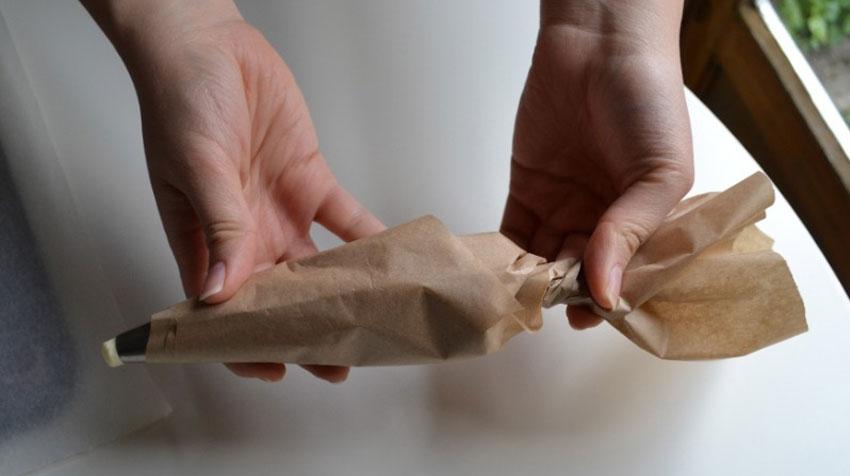
If you have regular baking paper on hand, we suggest watching a short tutorial on how to make a paper pastry bag at home.
Option #2 – from a regular package
Another extremely simple and inexpensive option for replacing a pastry bag at home.
Simply take a regular bag, fill it with the cake frosting, and poke a small hole in one corner. You can also use a pastry bag for this purpose, as it's more sturdy than regular bags.
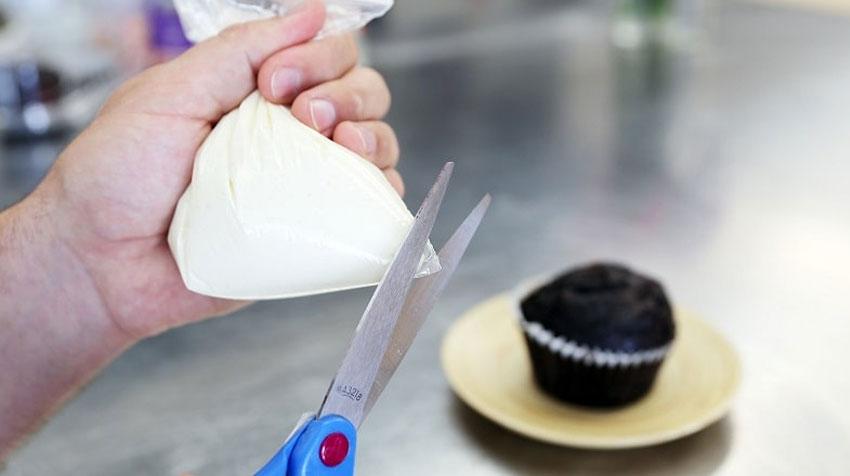
Alternatively, you can seal the corner with the attachment using regular tape, wrapping it in several layers along the outside.
Option #3 – from a stationery file
The algorithm of actions is extremely simple:
- cut a corner of the required size from the file with a 1 cm joint allowance;
- Place the bag on the ironing board and cover with a sheet of paper;
- Heat 1 cm from the edge with a hot iron (without steam).
For more information on how to make a pastry bag from a file, watch this video:
Option #4 – from a milk carton
The idea is incredibly simple: an empty, well-washed 1-liter milk carton is ideal for this purpose. It's made of very durable polyethylene, which will easily hold a metal or plastic tip. Furthermore, this improvised bag is easy to wash and reuse, which is ideal when decorating a cake with multiple shades of frosting.
Option #5 – sewing a fabric bag
The algorithm for making a reusable fabric pastry bag with your own hands is quite simple:
- Cut out two identical triangles from the fabric.
- Put them together.
- Cut off the corner to fit the attachment.
- Sew two seams (on the sides).
- Secure the attachment.
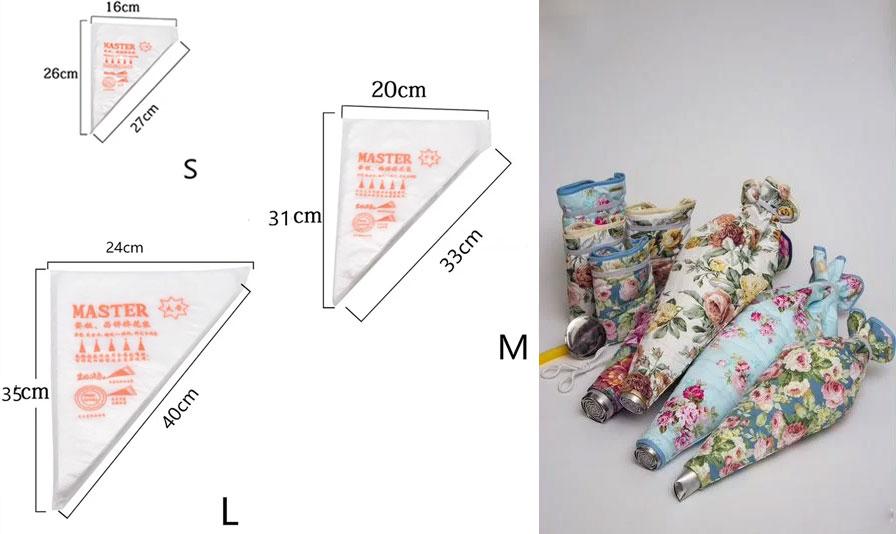
Option No. 6 – ready-made containers
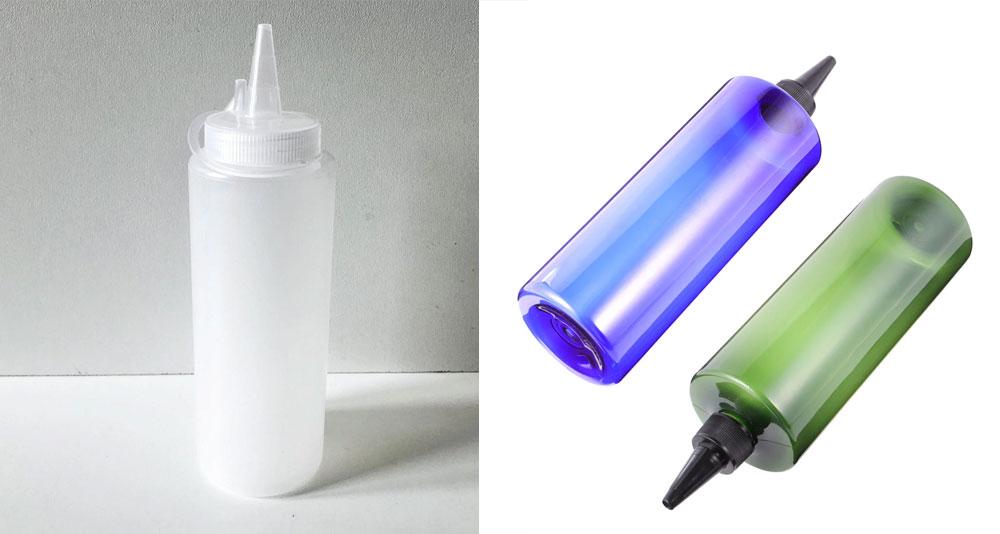
Naturally, such an improvised pastry syringe must be thoroughly washed before use.
Making your own pastry nozzles
If you've managed to make your first simple pastry bag yourself, you'll inevitably want to add a nozzle that will make the job easier and more comfortable, or allow you to create more original patterns.
We invite you to watch a master class on making simple nozzles at home from ordinary cans:
What have you learned to make piping bags from, and do you think it's even worth looking for a replacement for store-bought ones? We welcome your advice and opinions in the comments.