How to thicken sour cream? A recipe for thick sour cream for cake.

Content
Sour cream frosting pairs well with airy sponge cakes, crisp sour cream cakes, and fragrant honey cakes. It's also perfect for decorating a variety of desserts. However, it's not always possible to thicken sour cream frosting, for several reasons. In this article, we'll look at what you can add to thicken sour cream frosting, as well as common mistakes that can cause the product to remain runny.
Common mistakes that prevent cream from thickening
Before answering the question of what to do if sour cream won't thicken, let's consider the reasons why whipped cream remains too runny. The quality and thickness of the cream directly depend on the quality and fat content of the sour cream. If you use stale sour cream, made with artificial ingredients, or with less than 25% fat, you risk getting a runny cream that will need to be thickened using other methods (I'll discuss these later). If you can't find a full-fat sour cream, remove excess moisture. To do this, place the sour cream in several layers of cheesecloth and make a pouch. Hang the pouch by the corners over a bowl and refrigerate it overnight. In this case, use 2-3 times more sour cream than the recipe calls for.
The finished product may not thicken because you used granulated sugar instead of powdered sugar, as large sugar crystals tend to thin the cream. Be sure to sift the sugar before cooking. You can make your own powdered sugar by grinding it in a coffee grinder, or buy it ready-made at any grocery store.
Another reason for the runny cream is that you're using warm sour cream and cream; the ingredients need to be well chilled. Keep in mind that if you whisk the ingredients too long, the sour cream will separate into fat and water. Therefore, as soon as the cream begins to thicken, turn off the mixer immediately.
7 Ways to Thicken Sour Cream
When asked how to thicken sour cream at home, I can say that several ingredients are suitable: gelatin, a special sour cream thickener, starch, flour, butter, cottage cheese, and heavy cream. All of these ingredients will help make the cream thick, fluffy, and delicious. Below, we'll explore each of these methods in detail.
Method No. 1
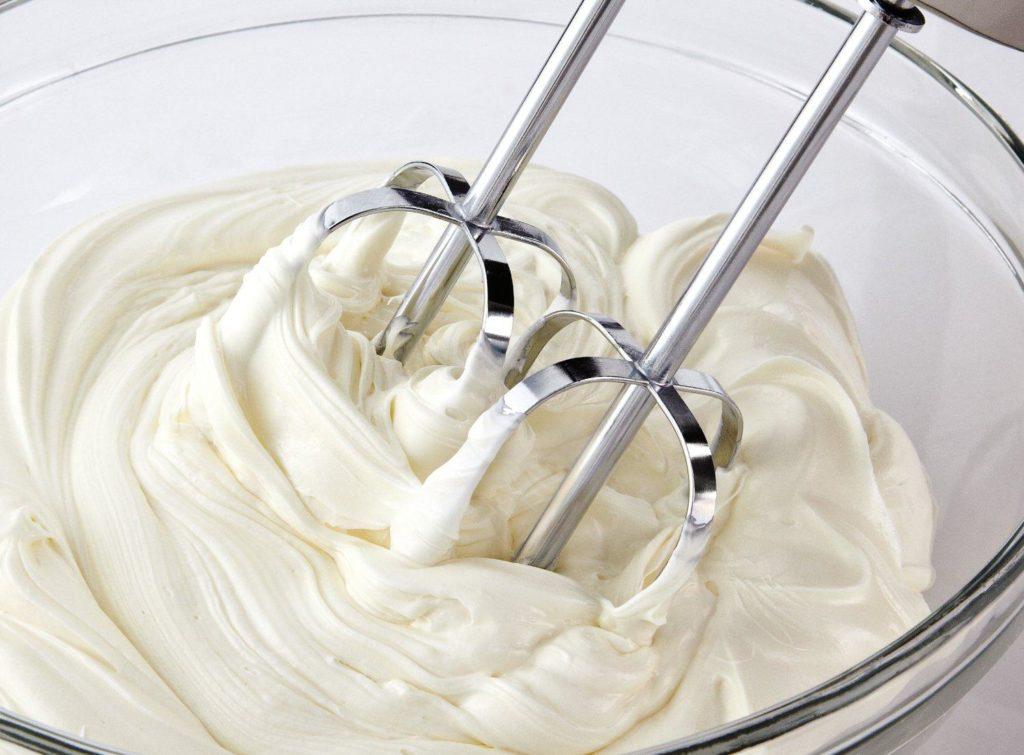
To thicken the sour cream, you can use potato or cornstarch. For 600 g of finished product, you'll need 25 g of thickener. After adding the starch to the liquid sour cream, I recommend whisking the ingredients thoroughly with a hand mixer, but not too long, and then refrigerating the mixture for 30-60 minutes to stabilize.
Method #2
To thicken the sour cream, you can add a small amount of wheat flour, which is a traditional sauce thickener, like starch. Before using, sift it several times to oxygenate it and remove any small impurities, leaving only a pure product. The flour should be premium grade (other types will not work). For 600 g of liquid cream, you'll need 25 g of thickener. Add the flour little by little, whisking thoroughly.
Method No. 3
Starch and flour aren't the only thickening agents. Gelatin can do the job perfectly. For 600 g of cream, prepare 15 g of this thickening agent. Before using, soak it in lukewarm water and let it sit for 15 minutes. Then, place the gelatin in a heat-resistant bowl on the stove and heat it, stirring constantly with a spatula, until it completely dissolves. Keep the heat low; avoid bringing the mixture to a boil. Afterward, remove from the heat and let it sit at room temperature for a while until it cools completely. Then carefully fold the dissolved gelatin into the sour cream and whisk thoroughly until smooth.
Method No. 4
If your sour cream cream turns out runny and you don't have time to dissolve the gelatin or stabilize the finished product in the refrigerator after adding potato starch and flour, I suggest using a special sour cream thickener. For 500 g of sour cream cream, you'll need 2 packets of this ingredient. Add the additional ingredient to the finished product, beat thoroughly with a hand mixer at maximum speed, and refrigerate for 10-15 minutes.
Method #5
You can also thicken sour cream for cake frosting with butter, but the taste of the finished product will change slightly. Also, keep in mind that adding butter will make the sour cream thicker and heavier. If you decide to use this method, I strongly recommend using real butter rather than spread. For 600 g of frosting, you'll need 100 g of butter, which should be softened. Therefore, remove it from the refrigerator ahead of time, let it sit at room temperature, cut it into several pieces, and only then whip it.
Method No. 6
If your sour cream is a bit runny and you're wondering how to fix it, I recommend adding cottage cheese, which pairs perfectly with sour cream. This will thicken the product and add a fresh flavor. For every 600 g of cream, prepare 400 g of chilled cottage cheese. Before using, I recommend straining it through a sieve to make it soft and smooth.
Method #7
If you want a thick sour cream with a pleasant creamy taste, I recommend adding heavy cream, which is considered an excellent thickening agent. Choose a product with a high fat content (at least 35%). Be sure to chill the heavy cream thoroughly before using, for example, by placing it in a bowl of ice or ice water. Then, pour it into the cream in a thin stream, continuously beating the ingredients with a mixer at maximum speed.
A simple recipe for sour cream
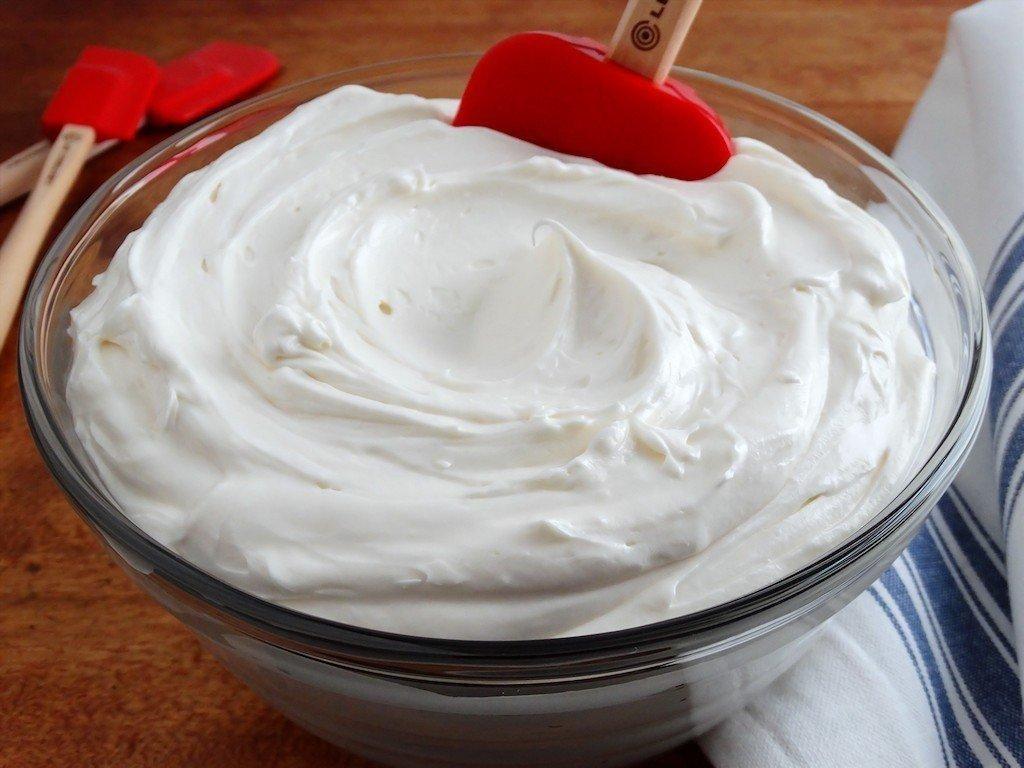
To make a simple cream from sour cream and condensed milk, you will need:
- 250 ml of sour cream;
- 250 ml condensed milk;
- vanilla to taste, which can easily be replaced with another flavoring: lemon zest, a spoonful of cognac, coconut flakes or chopped nuts.
You can adjust the proportions of the ingredients to your liking. Powdered sugar makes an excellent substitute for condensed milk.
Step-by-step cooking process:
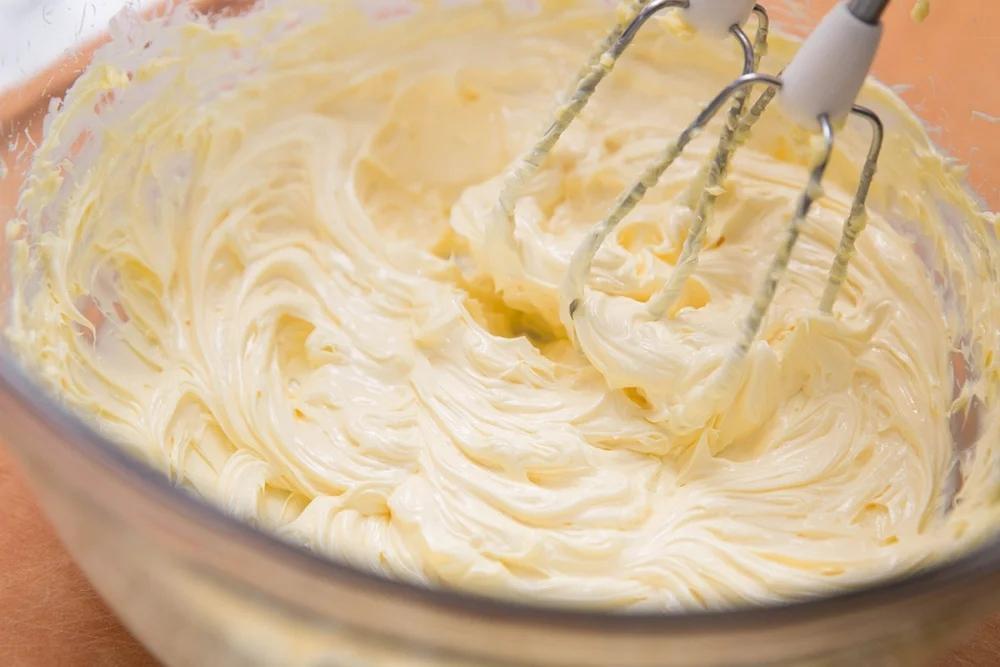
- To begin, place the sour cream in a large bowl and begin whisking with a hand mixer.
- After a couple of minutes, pour in the condensed milk in a thin stream, constantly stirring. The result should be a thick, homogeneous mixture.
- At the last stage of mixing, add 1-2 drops of vanilla essence or a packet of vanillin and beat the ingredients well again.
Store the finished cream on a shelf in the refrigerator in a closed container.
In conclusion, it's worth noting that the undeniable advantage of making sour cream is the lack of heat treatment, which saves a significant amount of time. If the cream turns out too runny, don't despair. Now you know how to fix it using one of the methods presented.