
7 Rules for Buying Strawberries: How to Choose Berries for Eating and Cake Decorating

Content
It's no wonder strawberries are considered the queen of berries, as numerous desserts are prepared from them or with them: cakes, pastries, mousses, trifles, etc. Berries are added to salads, cheese plates, and even cold soups.
And what about strawberry lemonade or a refreshing mojito – it’s impossible to tear yourself away from such drinks in the summer! Moreover, you can prepare all these dishes and drinks at home by purchasing berries at the market or in the store.
Incidentally, in addition to their vibrant flavor and aroma, strawberries are also very healthy. They contain numerous micronutrients that saturate the blood, replenish vitamins C and B, and provide folate, improve digestion, and improve skin condition (especially appreciated by women).
Therefore, without wasting time during the hot season, it is imperative to eat your fill of sweet berries, prepare them for the winter and decorate various prepared dishes with them.
But What is the right way? choose delicious strawberries At the market or in the store? Based on Rospotrebnadzor recommendations, you can determine the quality criteria for edible berries.
How to distinguish good strawberries from bad ones?
- Visually.
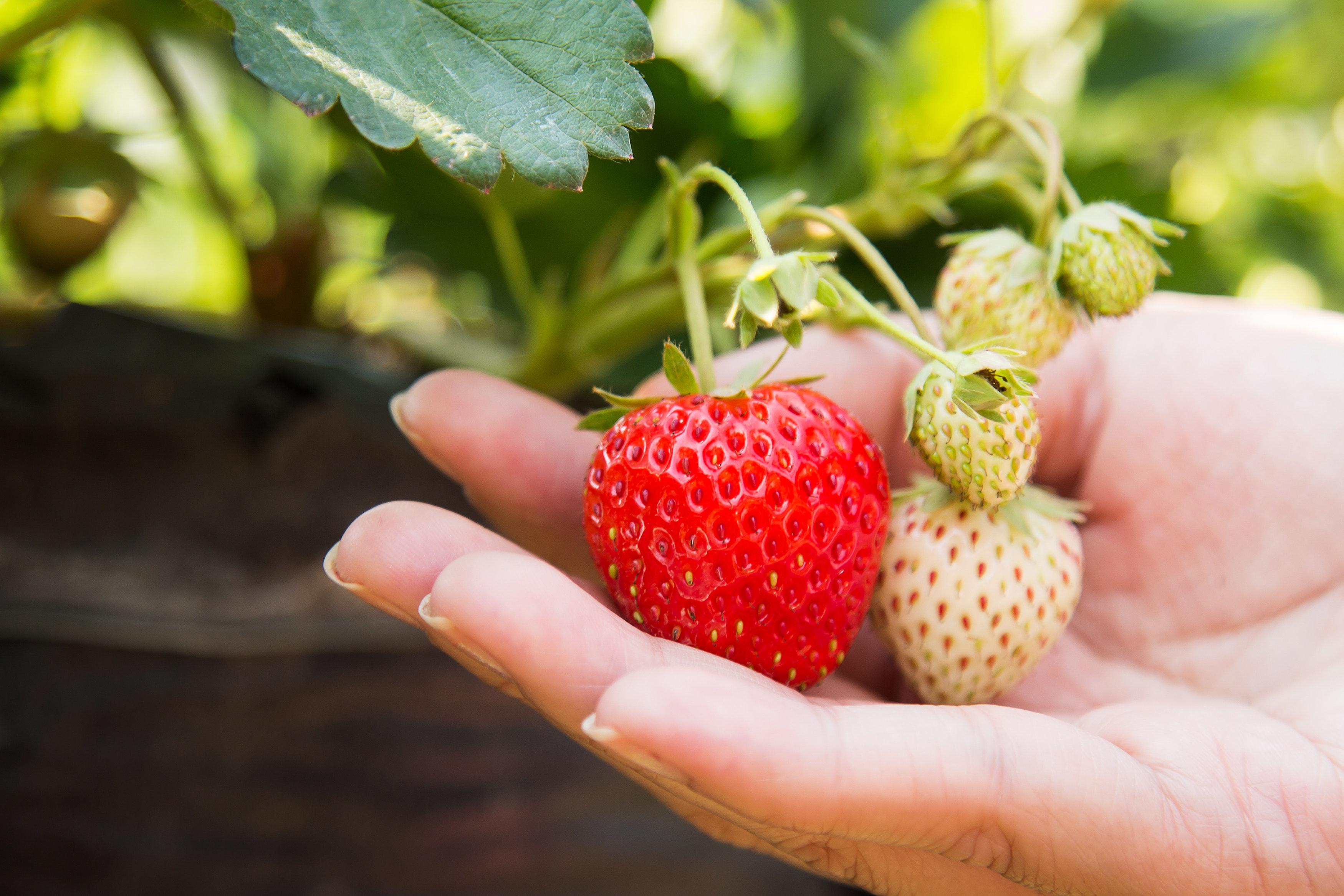
Red-sided berries beckon us from the counters at markets or stores, and we immediately notice their color and shape, preferring ripe, undamaged fruits to those that are spotted, brown, or underripe. And rightly so! Juicy strawberries should be fresh and appetizing on all sides, as this is the signal that they are ready to eat. Avoid fruits with brown or russet spots, visible mold even on one side, signs of damage, or lack of flavor. It's important to ensure the strawberries are intact, as even one rotten berry will spoil nearby ones. - By aroma.
Ripe berries exude a captivating aroma that can simply drive a sweet tooth crazy. If you find the aroma isn't strong enough or if it hints at something spoiled, it's best to avoid purchasing. - On the leaves.
Pay attention to the berries' sepals—they should be as green and juicy as possible, not brown or shriveled. If they're not bright green, the berries aren't fresh and their quality is already poor!
What to look for when buying berries
Appetizing strawberries should make you want to eat them—they should entice you with their firm shape, juicy appearance, and aroma. Avoid wrinkled and wilted fruits that have lost moisture and juiciness—these indicate a loss in quality. Green leaves and a firm, dark red surface will help you make the right choice. choose sweet strawberries by appearance.
Color
The vibrant color and glossy surface of strawberries are the best indicators that they've reached technical ripeness and are perfect not only for baked goods but also for simply enjoying with the whole family. Strawberry shades can vary from deep burgundy to bright pink or red, depending on the variety—this is acceptable. However, if a brownish tint predominates, it's best to look for a different supplier or store.
Shape and size
Fruit sizes at purchase for food Everyone decides for themselves: large berries are ideal for decorating cakes and desserts, for making whole-berry jam (the fruit will still be half as soft as before), and for freezing, while smaller ones are best for making preserves, ice cream, mousses, and compotes. True, the larger the size, the less sweet the berry may taste, but this theory falls apart if the strawberries were brought from the southern regions of the country, where the scorching sun promotes early ripening.
Smell
The aroma of strawberries depends directly on the variety and the growing conditions. Those grown outdoors will have a stronger scent than those grown in greenhouses. Weather conditions also play a key role in determining the aroma: the less rain there was during the berry's development, the more intense their aroma will be.
Tail and leaves
The leaves and stems shouldn't be wilted or dried out—they should be green and juicy. If there are drops of strawberry juice on them, it means the berries were damaged during transportation or were mixed, crushed, and this affected their shape.
Grains
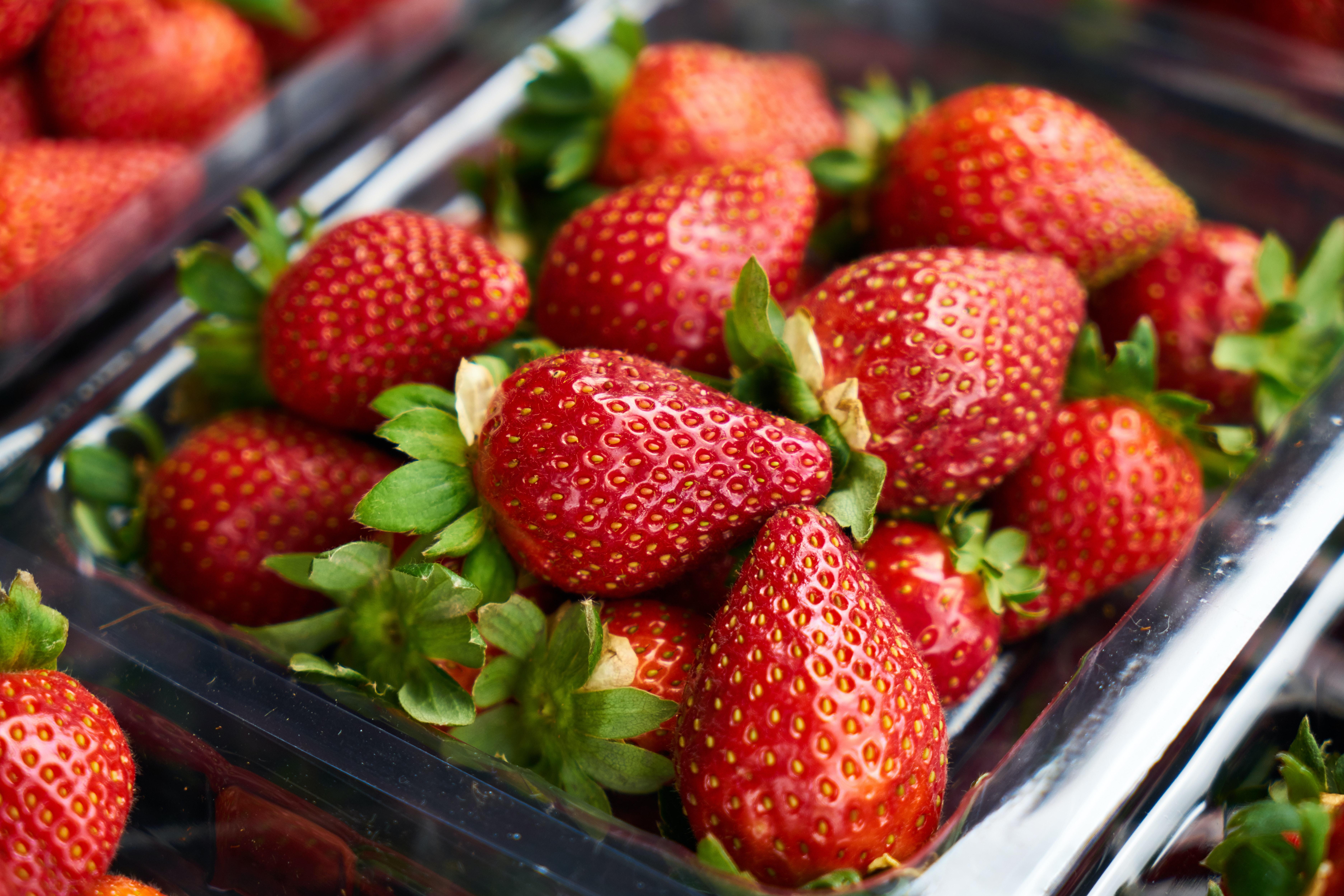
The seeds should be clearly visible on any side of the berry, oblong, and distinct. The number of seeds on a strawberry can vary depending on the variety.
Package
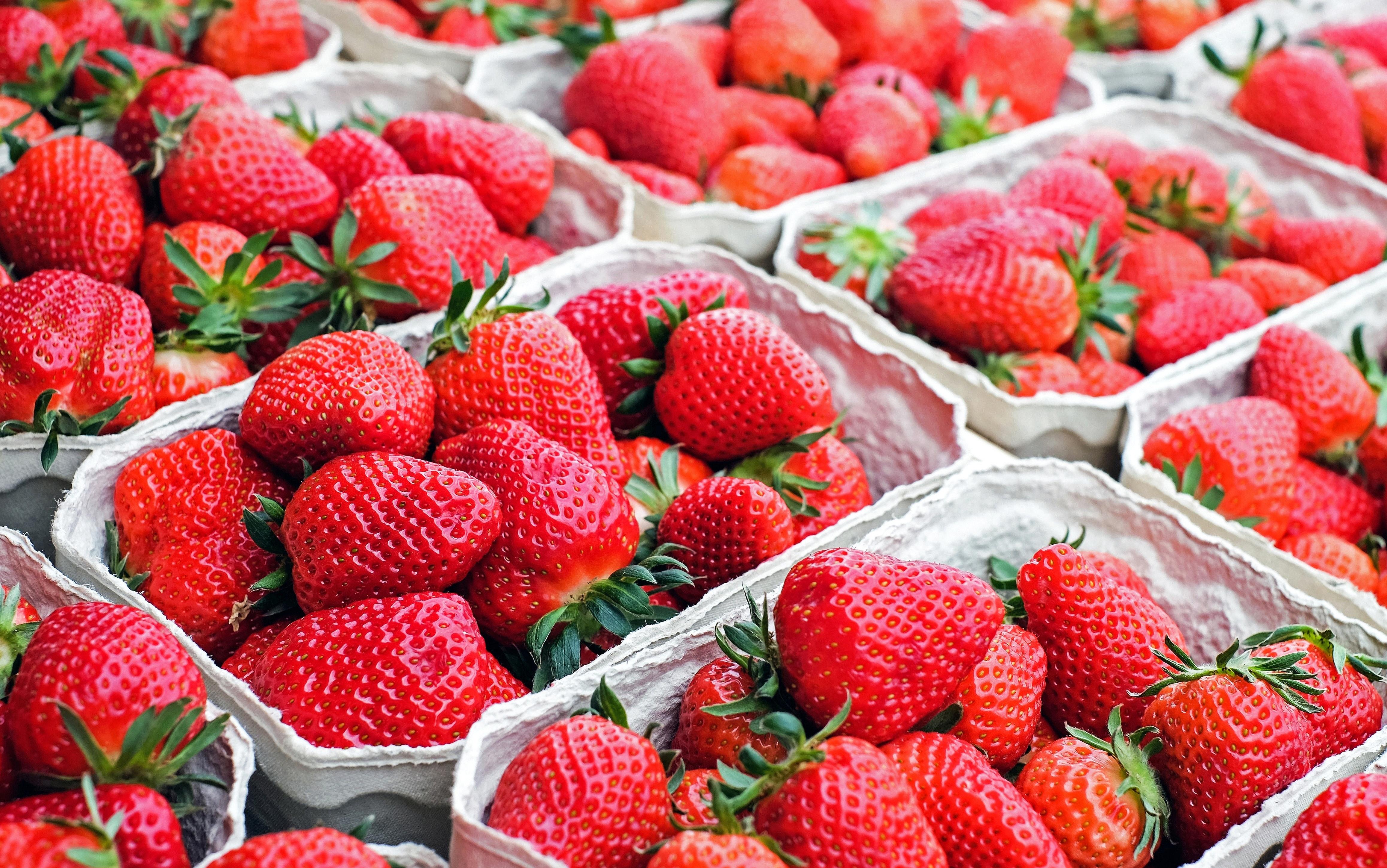
Harvested strawberries are packed in cardboard, wood, or plastic containers no larger than 1 kg. Berries are easily crushed in crates, so small batches, refrigerated directly in the containers, are ideal for transportation and sale. Batches are not wrapped in plastic wrap to allow the berries to "breathe," as condensation will form on the wrap and the strawberries will quickly lose their appeal, leading to rot and mold.
Temperature and storage conditions
The optimal temperature for transporting and storing such a delicate product is between 2 and 4 degrees Celsius. Strawberries are best stored chilled, with a shelf life of 5 to 10 days depending on the variety. Fleshy varieties stay fresh and appealing longer, while juicy varieties spoil more quickly, so the berries should be sorted every 2-3 days before refrigerating or leaving them in the cold. Remember that even one spoiled berry can spoil nearby berries.
Where is the best place to buy strawberries?
During the berry picking season you can also buy at the market, And in the store, and in supermarkets. However, you should be careful that market vendors don't sell you a mix of strawberries from today and the day before yesterday—they often use the opportunity to "refresh" their remaining stock with freshly picked berries to sell everything at the best price. Carefully check the contents of containers. when purchasing, without hesitation, pour the berries from it into a bag or your own container, removing spoiled ones immediately after detection.
During the cooler months, strawberries are imported from overseas and sold only in supermarkets, so the berries have virtually no flavor, but they hold their shape well and are suitable for making desserts.
Important Tips for Buying Strawberries for Eating
If you want to delight your family with juicy seasonal berries, choose them based on their firm shape and no visible signs of wilting or rot, bright green leaves, and rich aroma. It's best to choose large or medium-sized fruits. choose They should be free of dents and green or white tips (signs of underripeness). Remember that if the stem is pressed tightly against the fruit, the fruit will likely be sour, while if there's a small gap between the stem and the berry, the strawberry will be sweet.
- Come for fresh berries in the morning - early in the morning, before the summer heat sets in, farmers harvest their crops and rush to sell them immediately, so the likelihood that sweet Strawberries bought in the morning will definitely be of high quality - extremely high!
- In spring, the berry harvest is brought in from southern regions: Stavropol, Crimea, and Krasnodar. In July, the northern regions begin their harvest season, with everbearing strawberry varieties bearing fruit several times! And from November to April-May, juicy fruits are imported from hotter countries: Israel, Morocco, and Egypt. However, these varieties don't have a sweet taste—they delight only with their colorful appearance and long shelf life.
- The most important criterion when purchasing strawberries will still be taste, so don't hesitate to try the berries—it's impossible to guess their juiciness and sweetness without tasting them. This will determine the amount of granulated sugar added when preparing strawberry preserves, drinks, and holiday desserts!
How to keep strawberries fresh longer after purchase
Juicy strawberries should be washed and processed immediately after purchase: frozen, pureed, or boiled for winter storage. Firmer varieties can be rinsed in water with apple cider vinegar and dried to remove excess moisture. Place in a small container (not a metal one).
It's best to store good strawberries in the refrigerator at a temperature no higher than 5°C (41°F). Under these conditions, they'll delight you with their delicious appearance for at least 7-10 days. However, it's a good idea to periodically sort through the fruits, removing any slightly damaged ones to prevent them from damaging neighboring ones.
In any case, you're already well-informed and won't buy a low-quality product. You're free to request a replacement for even one berry in an open container or basket if you're not satisfied with it—that's your right! If you have any questions, you can ask the seller to show you the certificate. This only applies when purchasing from a store or supermarket, but you'll know exactly when the berries arrived after they were shipped. Have a delicious summer and happy shopping!