How to thicken cake cream at home

Content
Continuing the theme of reviving various desserts after a failed attempt, today we'll look at how to thicken cake cream at home if it suddenly turns out too runny.
Is it possible to revive liquid cream?
If you're just learning how to bake cakes at home, you've likely already encountered the problem of runny frosting. There can be many reasons for this:
- incorrect choice of ingredients;
- failure to comply with the proportions specified in the recipe;
- Violation of cooking technology.
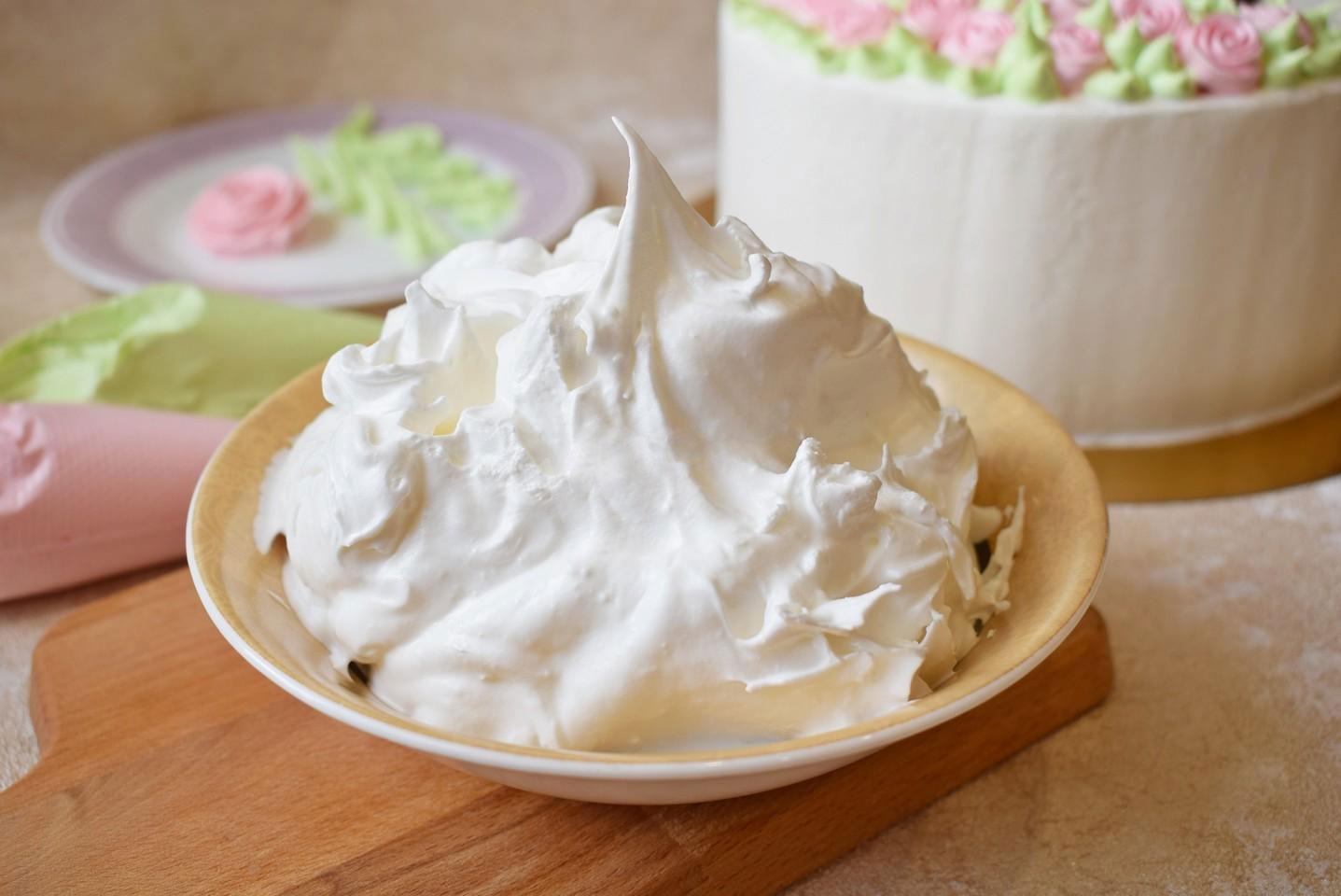
In this article, we won't go into detail about why the cream isn't the right thickness, but we'll give you a simple and practical recipe for what to do in this situation and how to make the right thick cake cream from what you have on hand.
Are you facing this problem for the first time and don't know what to do if your cake frosting turns out runny? Don't give up and run to the store for more ingredients. In most cases, the situation can be remedied by thickening the mixture using simple tricks known to all experienced pastry chefs.
How to thicken cream at home
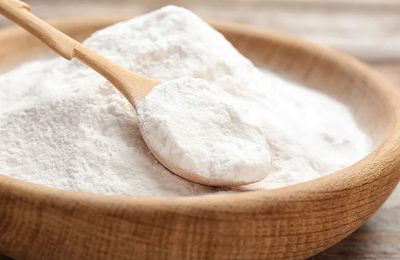
The problem is, most home cooks don't have this "magic powder" in their kitchen drawer so they can simply add it to the frosting and solve the problem. So, below, we'll discuss how to make a simple, thick cake frosting at home if you don't have access to store-bought thickener.
Method #1 – cooling
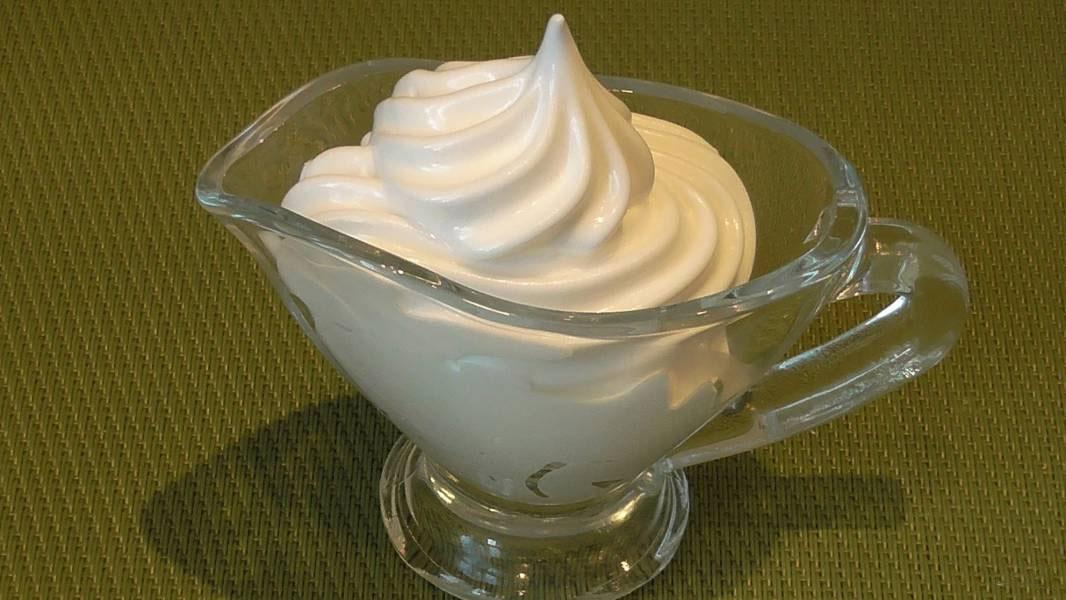
Any cream based on butter, cream, sour cream, or cream cheese will thicken significantly after 1-2 hours at a low temperature (+4°C to +6°C). Therefore, if you have time, it's often enough to simply chill the cake with a lid and then begin spreading or leveling the cake.
Method No. 2 – boiling
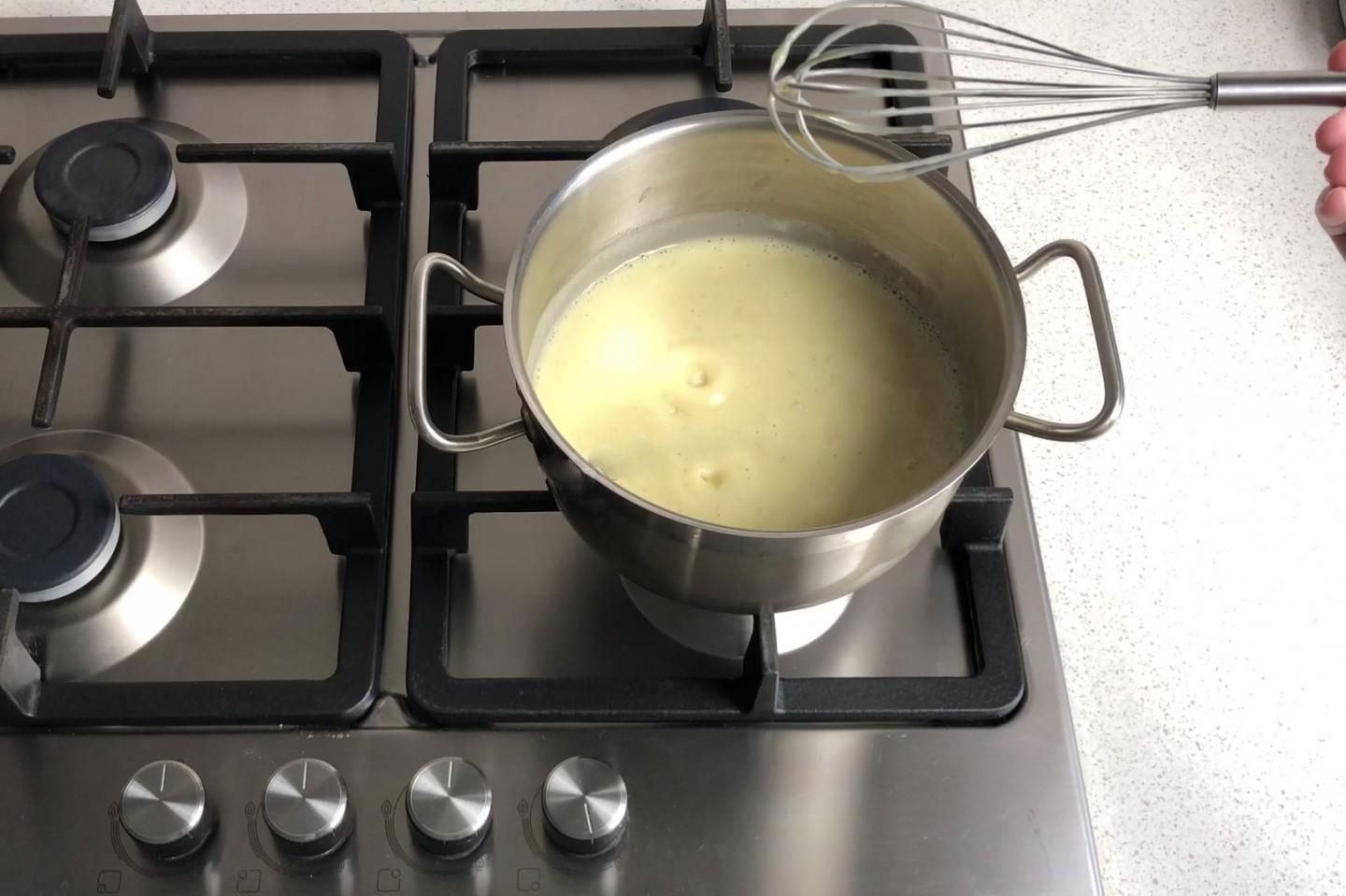
You can thicken a very thin custard by adding beaten egg white, starch, or flour before boiling. If the custard is only slightly runny, simply simmering it a little longer may be enough.
Method No. 3 – using starch
The amount of starch depends on its type:
| Type of starch | 500 g of cream | 1 kg of cream |
| Corn | 1 tbsp. | 2 tbsp. |
| Potato | 1.5 tbsp. | 3 tbsp. |
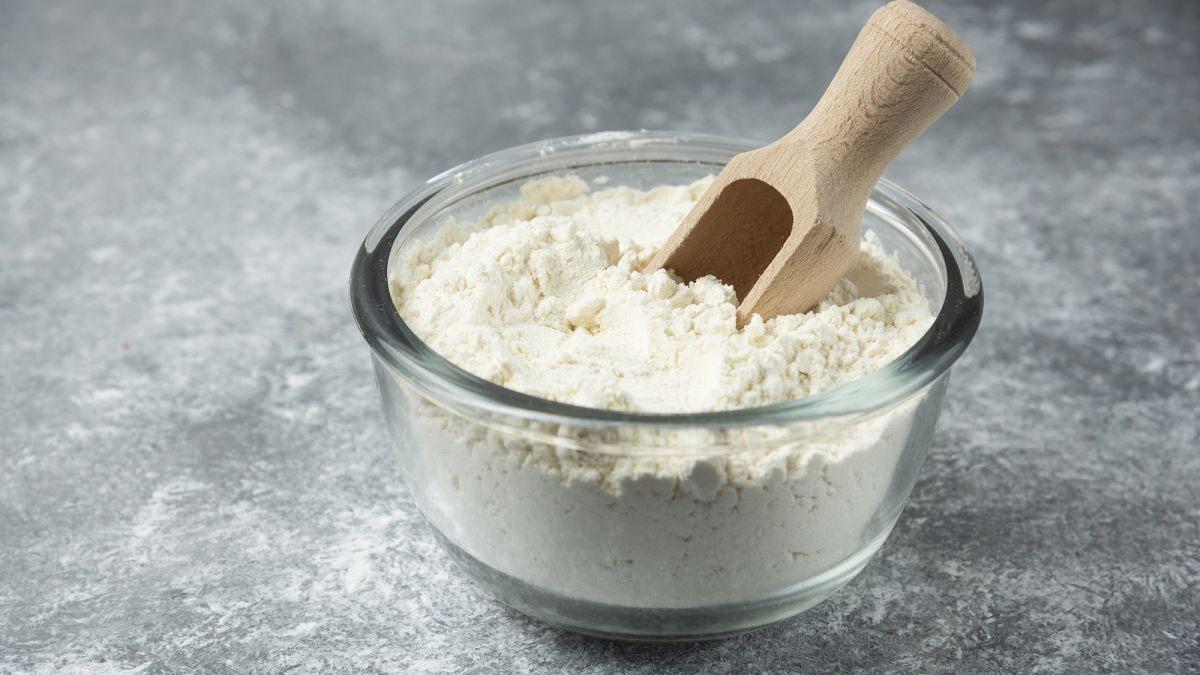
- To thicken custard or sour cream, simply add starch in small portions, sifting it through a sieve, and stir the mixture.
- Starch is added to the meringue cream while beating with a mixer. The mixture is beaten at low speed until the desired consistency is achieved, ensuring the dry starch is evenly distributed.
- The most difficult recipe to implement is for buttercream. Dry starch should not be added in this case. It must be dissolved in 1 tablespoon of water and added to the cream in small portions (literally drops), beating until smooth.
Method No. 4 – using flour
In the previous recipe, starch can be replaced with regular flour.
The step-by-step principle for adding flour is the same as for working with starch. The proportion is 1 tablespoon of flour per 500 grams of cream.
Method No. 5 – using gelatin
The gelatin method is universal and can be used to revive custard, sour cream, meringue cream, ice cream, and even mascarpone cheese-based mixtures.
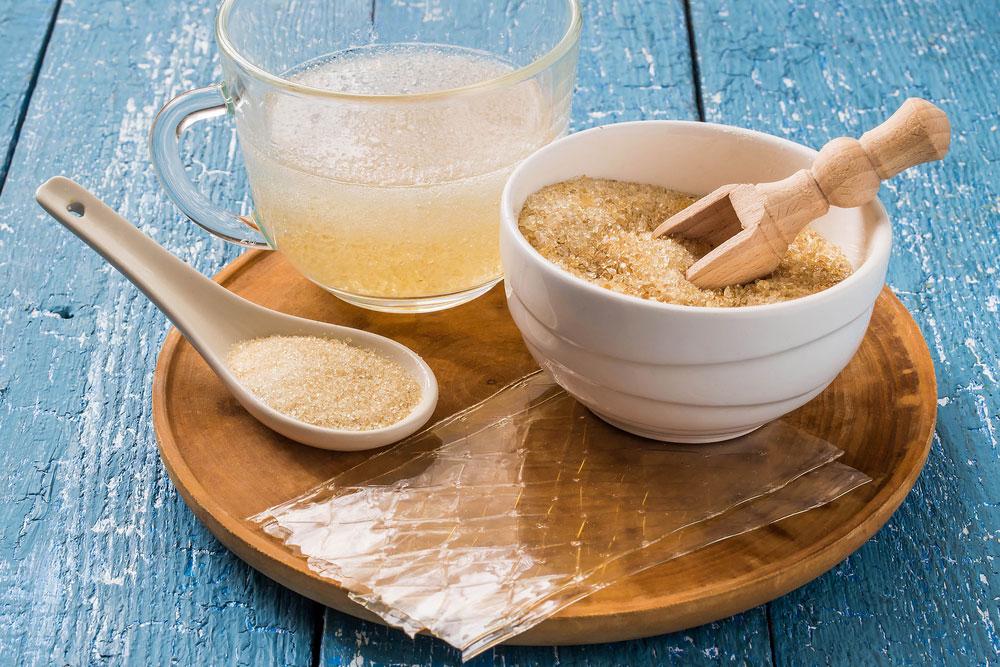
Step-by-step algorithm of actions:
- Pour 10 g of gelatin with a small amount of water.
- Let it brew for 15-20 minutes.
- Heat the mixture in a water bath or microwave until the gelatin becomes liquid.
- Mix gelatin with 3 tablespoons of cream.
- Slowly add the gelling mixture into the cream, mixing or whisking thoroughly (depending on the type of cream).
- Place the cream in the refrigerator for at least 30 minutes.
Method No. 6 – using syrup
You can use sugar syrup to thicken sour cream or butter cream.
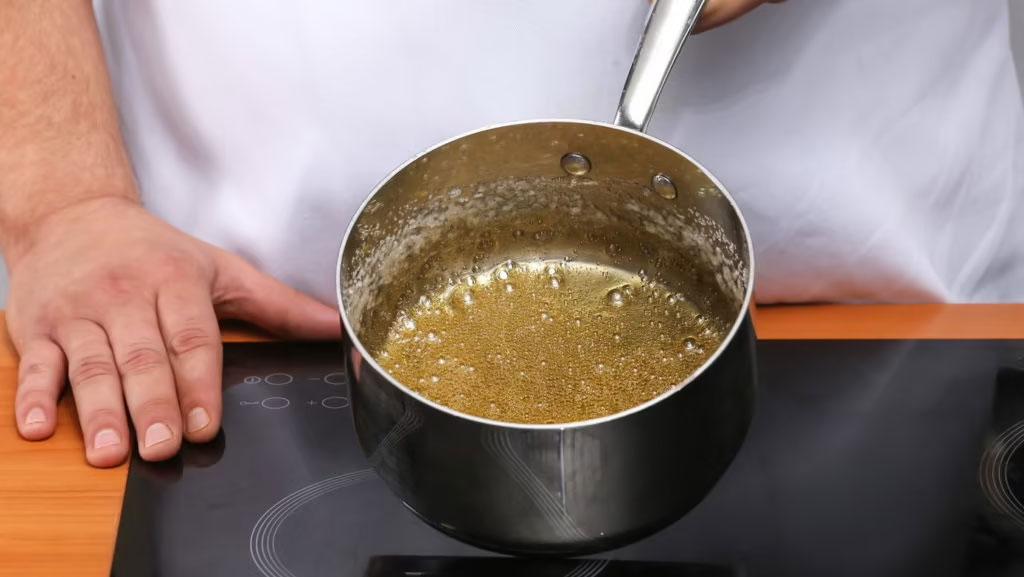
Step-by-step recipe:
- Combine sugar and water in a saucepan.
- Bring to a boil and simmer for 15-20 minutes at 115-116℃.
- Cool the syrup to 35-40℃.
- Add to the cream in a thin stream, stirring vigorously or beating with a mixer.
Universal table of methods
To ensure the cream turns out delicious and tender, follow the recommendations in this table:
| Cream | cooling | boiling down | starch flour | gelatin | syrup |
| custard | + | + | + | + | |
| ice cream | + | + | + | + | |
| oil | + | + | + | ||
| sour cream | + | + | + | + | |
| protein | + | + | |||
| cream cheese | + | + | + | + | |
| creamy | + | + | + | + | |
| curd | + | + | + | + |