Which eggs beat better: cold or warm?

When just beginning to learn the basics of pastry, many people make countless mistakes, which can lead to even simple dishes not turning out right the first time. Today, we'll answer one of the most common questions among beginners—which eggs beat better: cold or warm?—and explain in detail how to properly whip egg whites for meringue, delicate meringue cream, delicious tiramisu, or fluffy sponge cake.
Temperature matters
To understand which eggs beat better, cold or warm, it's important to understand how temperature affects the process of whipping egg whites and sugar. To create a firm, elastic foam, you need:
- completely dissolve the sugar (this is why it is often recommended to use powdered sugar or fine-grained sugar);
- saturate the egg mass with oxygen (it is due to the saturation process that oxygen is formed);
- achieve maximum homogeneity of the mass when adding other ingredients (if the recipe calls for adding butter, cream or condensed milk to the protein).
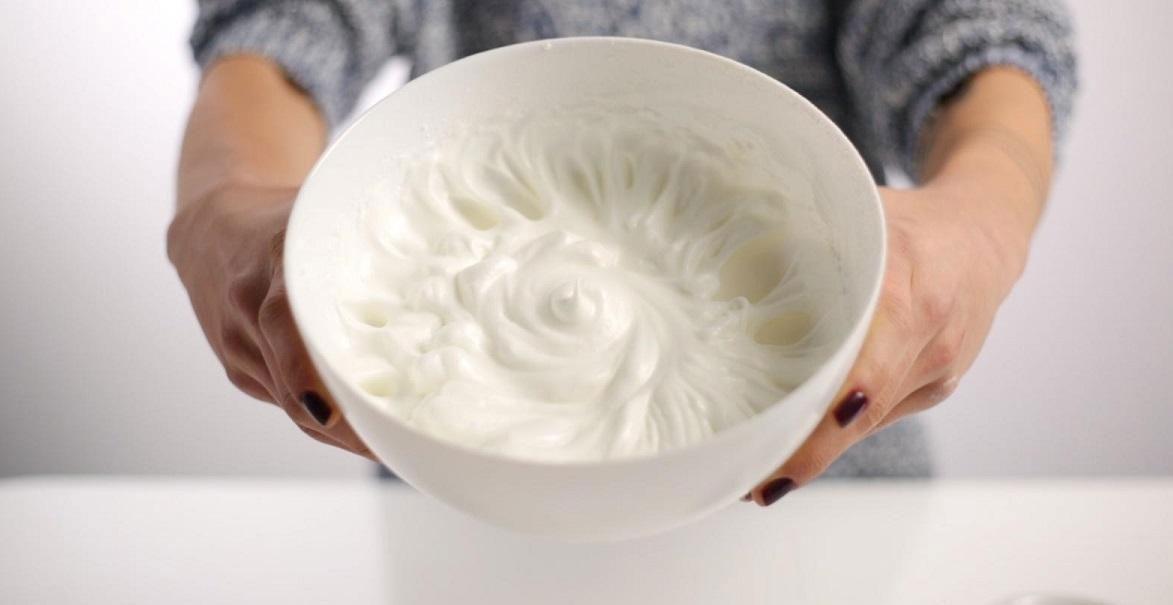
Under the influence of temperature, egg white significantly changes its consistency:
- Fresh egg whites at room temperature are liquid and flowing; they are well saturated with oxygen during the whipping process, which is why they produce the densest meringue, which perfectly retains its pattern when squeezed through decorative nozzles.
- Refrigerated egg whites are denser and less oxygenated, meaning they will need to be whipped longer to create a firm, elastic meringue. Coarse sugar may not completely dissolve in the cold egg whites and will be noticeable in the finished mixture. The egg whites may also separate if the temperature of the mixture is significantly lower than the temperature of the bowl or the ingredients being added.
- When exposed to high temperatures (60-65°C), egg whites coagulate. If the coagulation process is allowed to proceed too quickly when adding syrup, boiling water, or cream to the egg white foam, unsightly flakes will form in the cream, and its texture will become uneven.
How to beat egg whites correctly
So, now you know which egg whites beat better, cold or warm, and you understand that the first step in your algorithm should be to remove the eggs from the refrigerator in a timely manner.
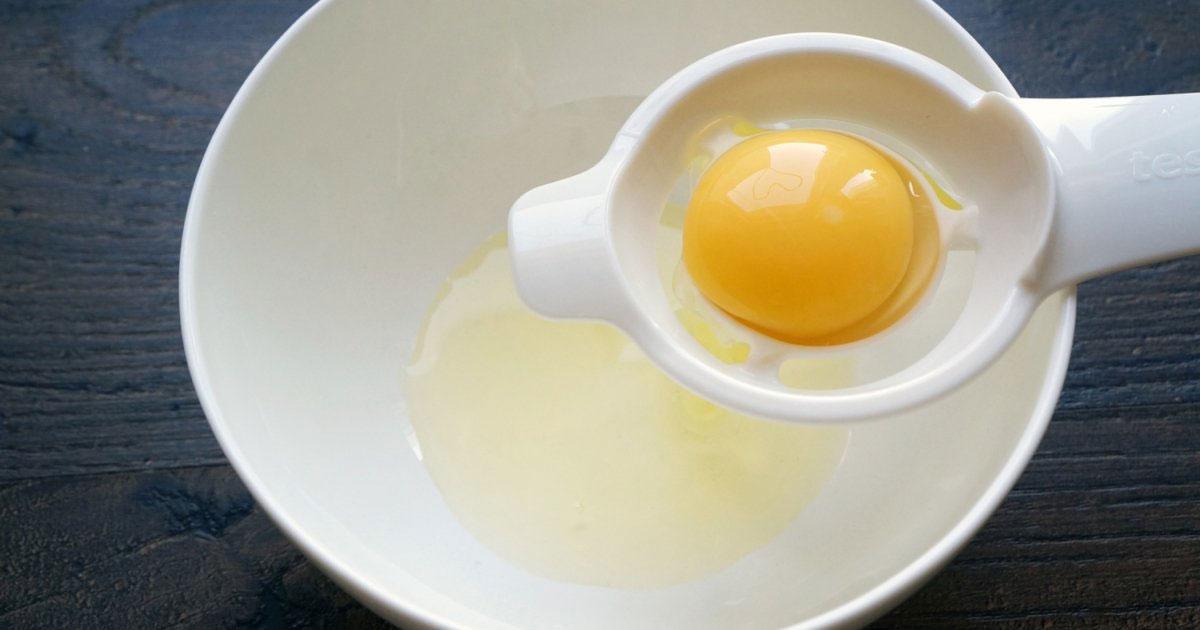
We also recommend taking into account a number of basic rules:
- For whipping, use eggs that are at least 3 days old (very fresh whites will not whip);
- When separating, it is important not to allow even a drop of yolk to get into the whites, otherwise you will not get a thick, dense foam;
- the whisking container and beaters must be absolutely clean and dry;
- Instead of sugar, use pre-sifted (oxygenated) powdered sugar;
- the optimal ratio of protein and sugar is 1:2 (for 50 grams of protein, approximately 100 grams of sugar);
- It is best to beat the egg whites with a hand or planetary mixer (achieving maximum consistency with a single whisk or immersion blender is quite difficult, regardless of whether you beat the egg whites cold or warm).
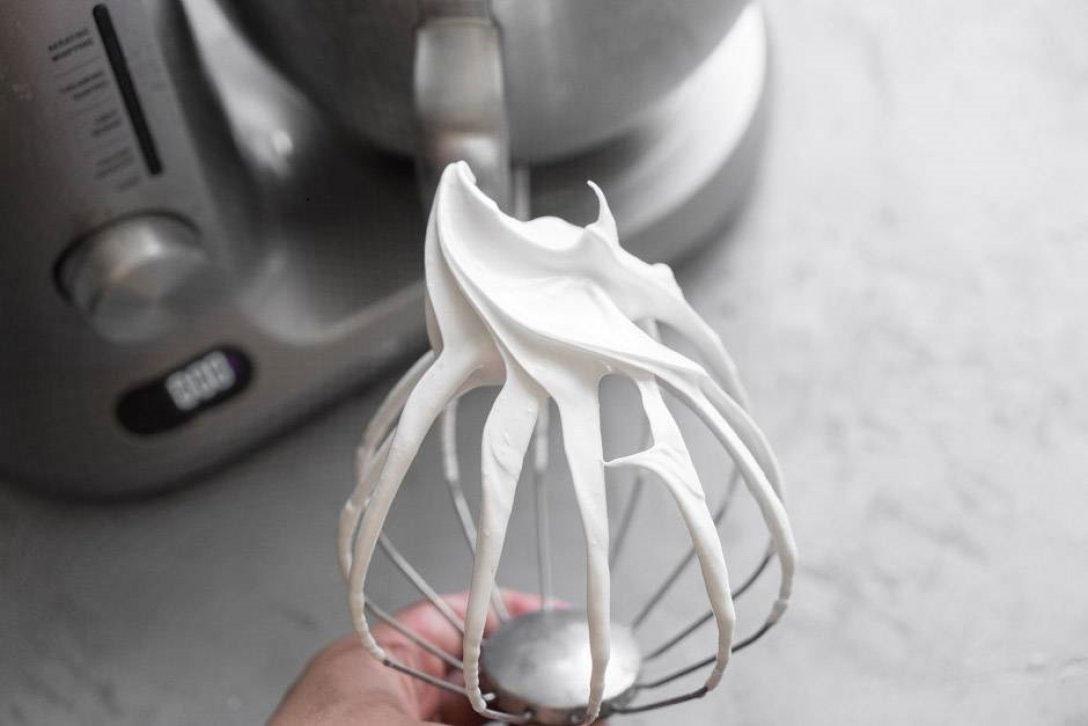
Possible problems
To understand the best way to beat eggs (cold or warm), some home cooks still need to see the results of making the wrong choice firsthand. Most often, experimenting with temperature, equipment, and the quality of ingredients leads to the following problems:
- under-beaten egg whites (this happens if you beat very cold egg whites with a single whisk) – the mixture does not hold its shape and spreads;
- over-beaten egg whites (as a rule, the problem occurs when there is not enough sugar or when beating too vigorously for a long time) - the mixture becomes uneven and flakes appear;
- stratification of the mass (most often this is the result of combining ingredients that are too different in temperature) - the liquid fraction separates from the mass and flakes appear.
If the mixture separates or becomes overwhipped during the whipping process, don't throw it away. The eggs and sugar can be used for making pancakes or added to Easter cake batter.