Why is the dough for eclairs runny, but the profiteroles are raw and don’t rise?

Content
Beautiful éclairs, smooth on the outside and perfectly baked on the inside, are the dream of any cook, especially a beginner. Once you learn how to make pastries with choux pastry, you have plenty of room for experimentation. However, not everyone can create such beauties. This is because this dough is quite fickle, and preparing éclairs and profiteroles involves many nuances.
I propose to analyze the most common mistakes that home cooks encounter when working with choux pastry. In this article, you will learn why éclairs collapse, crack, and remain raw inside.
5 Common Mistakes When Baking Eclairs and Profiteroles
Smooth, golden brown, and crack-free—every home cook wants eclairs and profiteroles to turn out just like this. However, many encounter various problems during the baking process. Home cooks complain about eclairs cracking on top during baking, collapsing after baking, a lack of interior air, and excessively dry dough. Let's figure out why eclairs don't turn out right and how to avoid it.
Error 1. Sudden temperature changes
Eclair dough is very sensitive to temperature fluctuations—slight changes in temperature can turn the airy eclairs into unappealing cakes. Therefore, avoid opening the oven during baking, especially during the first 20 minutes. This is when the eclairs rise and develop hollow spaces inside.
The optimal baking temperature is 180 degrees Celsius (350 degrees Fahrenheit) without convection. Be sure to place them in a well-heated oven. Many recommend starting the éclairs at 200 degrees Celsius (400 degrees Fahrenheit), then lowering the temperature to 180 degrees Celsius (350 degrees Fahrenheit) and continuing to bake for another 30 minutes (the time depends on your oven and the size of the éclairs).
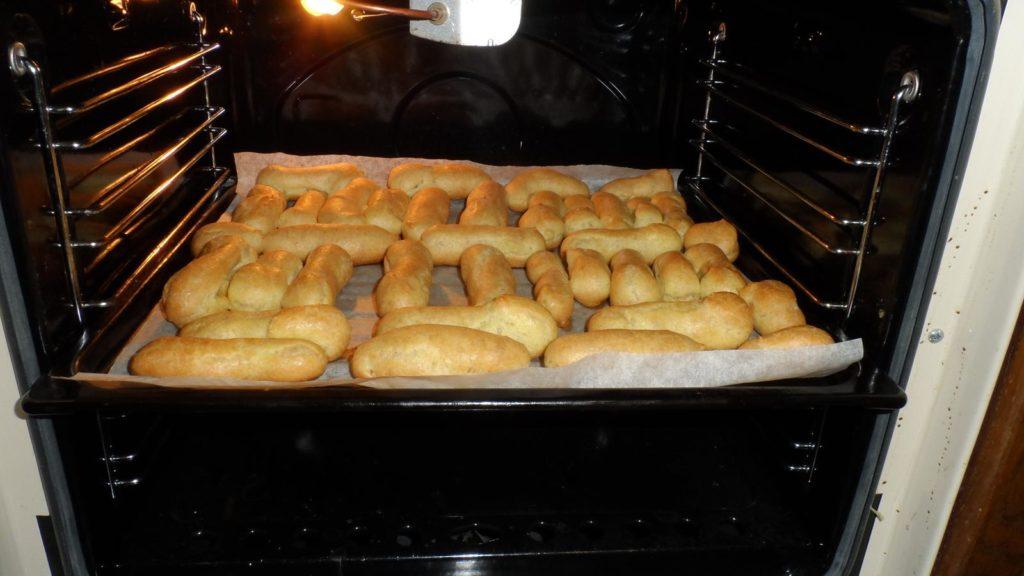
After baking, don't rush to remove the éclairs from the heat. Avoid sudden temperature changes. Turn off the oven and leave the éclairs in the oven with the door slightly ajar for at least 15 minutes.
Error 2. Incorrect dough consistency
Choux pastry defects are one of the most common baking mistakes. When preparing choux pastry, it's important to dry the pastry enough to form a bloom on the bottom of the pan. This technique removes excess moisture from the pastry.
It's also important not to rush the eggs. Add them only when the custard mixture has completely cooled.
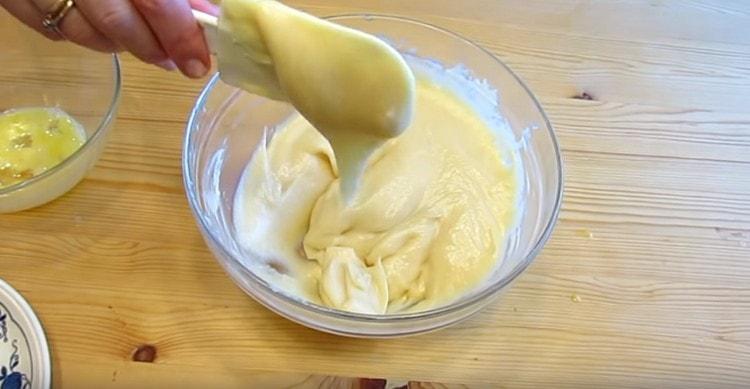
Add the eggs gradually, mixing thoroughly each time and checking the consistency. It should flow slowly and steadily from the spatula. If the choux pastry is too runny, it won't work. If you use the wrong consistency, it will spread out before baking and won't rise.
Mistake 3: Low-gluten flour
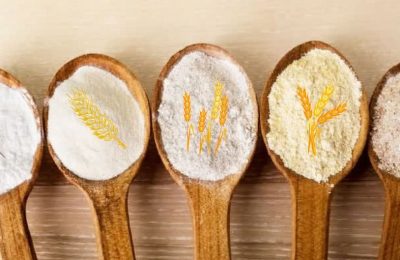
The higher the gluten content of the flour you use to make éclairs, the more elastic the dough will be. This will result in a well-rise éclair, with the necessary cavities forming inside and the walls holding up around the edges, preventing the pastry from collapsing.
Experienced home cooks also bake éclairs using regular premium wheat flour. They compensate for the lack of gluten by achieving the perfect dough consistency and optimal baking temperatures.
Mistake 4. The deposited eclairs were left at room temperature for a long time
After piping the dough onto the baking sheet, it must be placed in a preheated oven as quickly as possible. Otherwise, the moisture will evaporate from the future cakes, which may cause the profiteroles to fail to rise.
You can store the prepared dough in the refrigerator for several hours, but never at room temperature.
What to do if eclairs don't turn out right
Working with choux pastry is not the easiest task, even for experienced cooks. However, if you strictly follow the strict rules and subtleties of preparing and working with the dough, your cakes will certainly turn out well.
The choux pastry turned out too runny.
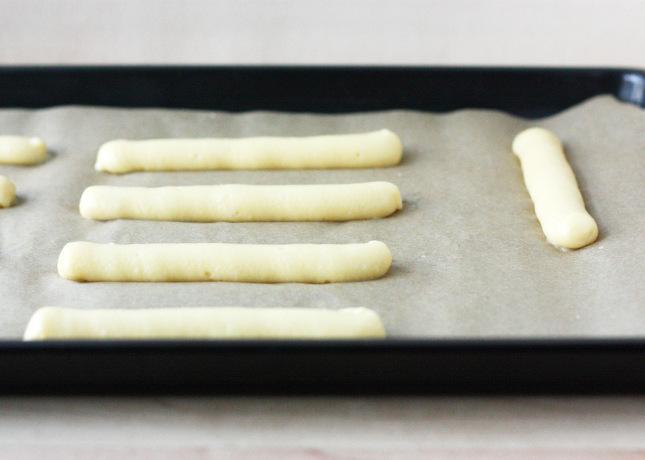
When making éclairs, it's important to achieve the right dough consistency. When piping, the dough should come out of the pastry bag with a little pressure, not run out. The cakes should hold their shape and not spread.
Most often, the dough turns out runny due to too many eggs added to the choux base. To avoid this, try adding eggs in small increments, stirring constantly and checking the resulting consistency. If the dough turns out runny, it can't be corrected by adding more flour. The only solution is to make more choux base.
Eclairs fall after baking or do not rise
Choux pastry is very sensitive to temperature fluctuations. Therefore, do not open the oven during baking, especially during the first 10-15 minutes while the dough rises. Also, do not rush to remove the finished pastry from the hot oven. Allow the éclairs to cool along with the oven; the temperature should decrease gradually, without sudden changes.
Unfortunately, it is not possible to fix eclairs that have fallen after baking or have not risen during baking.
The eclairs are raw inside.
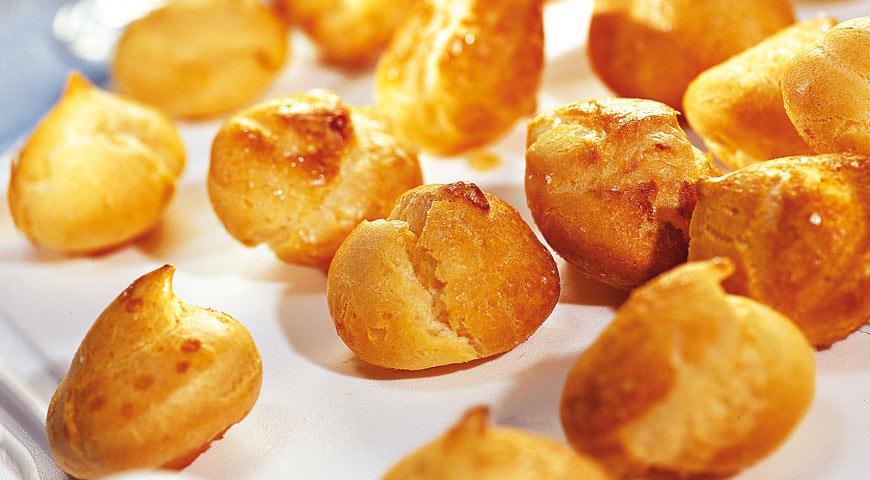
If your éclairs are slightly raw inside, you've made one of the following mistakes. Perhaps the batter was too thick and the pastries simply weren't baked through. To prevent them from being raw inside, place them immediately in a well-heated oven (200 degrees Celsius) and bake at that temperature for 15 minutes. Then reduce the temperature to 180 degrees Celsius and bake until done. This will ensure the pastries are soft inside and golden brown on the outside.
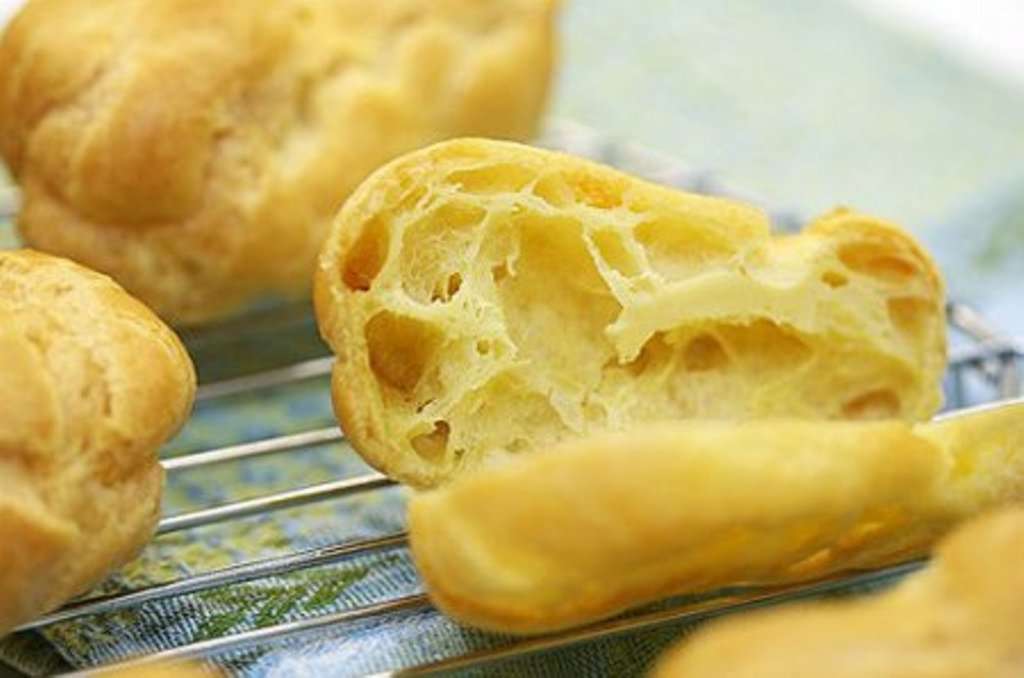
Eclairs crack when baked
This is another common problem that housewives face when baking eclairs.
- Amount of liquid – the dough isn't sufficiently dried out or too many eggs were added. During baking, the liquid evaporates from the dough, causing it to lose its elasticity. Stretching from the inside, deep cracks form on the surface.
- Air in the dough. If air bubbles form in the dough during mixing or when transferring it to a pastry bag, they expand during baking, causing small cracks to form on the surface.
- Baking temperature. Often, the oven temperature set incorrectly corresponds to the actual temperature. Too high a temperature will cause the choux pastry to split and crack. Temperature fluctuations can also have a similar effect.
- Uneven heating. Often, baked goods turn out beautiful and smooth on top but cracked on the sides—this indicates excessive heat from below.
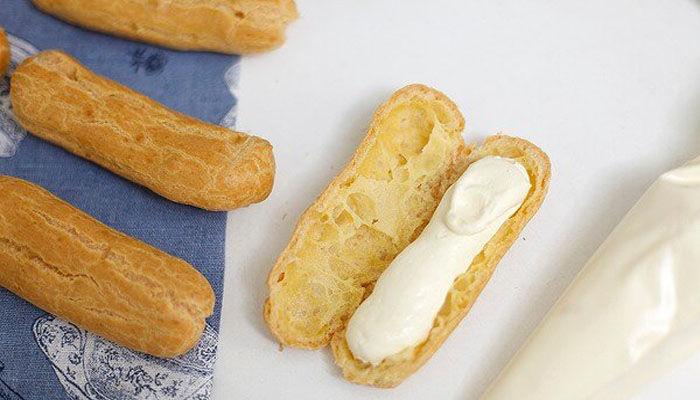
To avoid such problems, monitor the consistency of the dough, stir it carefully to avoid the formation of air bubbles, and get a special thermometer and measure the temperature at different points in your oven.
The eclairs are uneven.
Many cooks think that unevenly piped eclairs will straighten out and become beautiful in the oven. This is not true. The eclairs need to be shaped during piping. To ensure smooth, golden-brown, crack-free eclairs, follow these simple piping guidelines:
- A good, sturdy bag. This won't burst during piping and ruin the dough.
- Apply pressure to the bag. After piped a few cakes, take a break and twist the bag. This will ensure they are even and of uniform thickness.
- When piping, hold the bag at a 45-degree angle and the tip 1 cm above the baking sheet. The dough should spread evenly, not fall off.
- To make eclairs of the same size, you can use mats with markings.
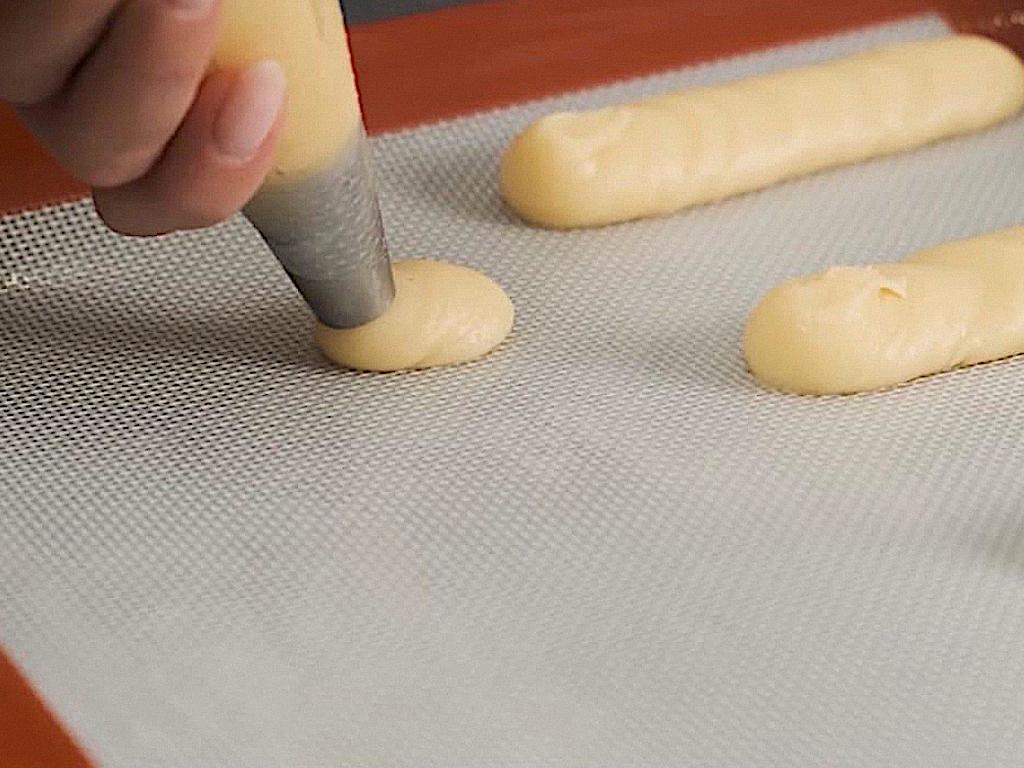
Now you know the secrets of making éclairs and profiteroles. The most important advice is to not be afraid of mistakes. And don't be discouraged if this is your first time making éclairs.