Why isn't my sponge cake baking properly and what should I do?

Content
Continuing with the topic of homemade baking and the problems that beginning pastry chefs can encounter, let's discuss why sponge cakes sometimes don't bake properly in the oven, slow cooker, or microwave, as well as what to do if you notice the cake is raw inside.
Why isn't the sponge cake baking?
Experienced confectioners highlight the following as the main reasons for failure:
The temperature is too low
When removed, such an underbaked cake will settle, and after cooling, it will have a dense, chewy center without the porous structure typical of biscuit dough.
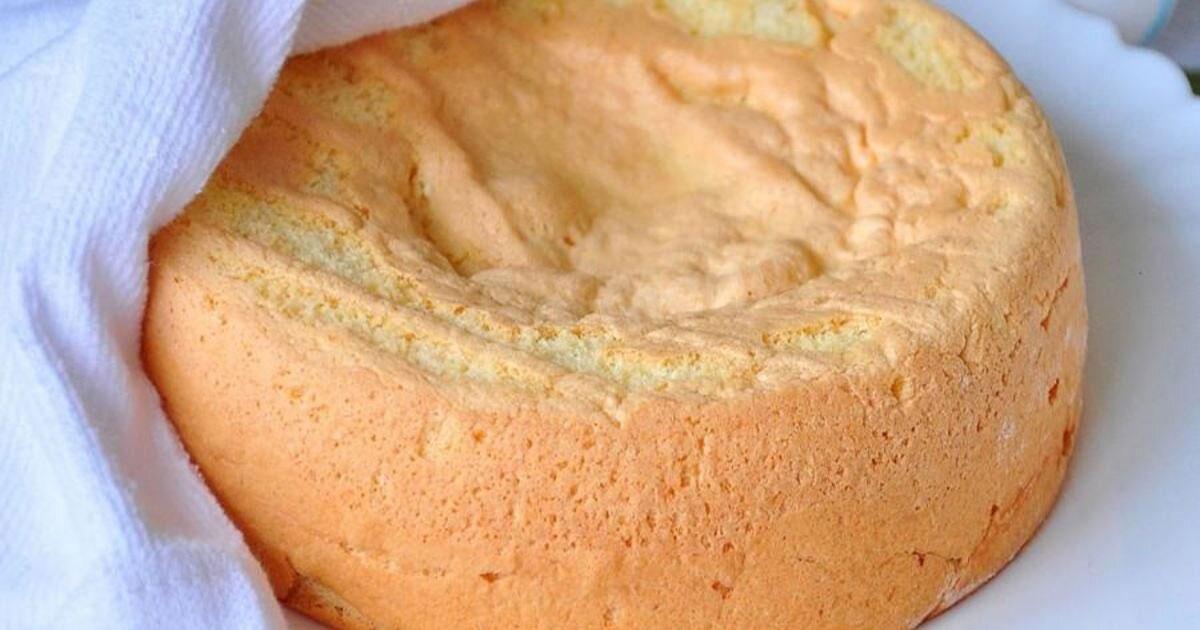
What should you do if you realize in time that the sponge cake isn't baked through, despite the required time? It's simple: you can finish baking the cake by extending the baking time and, if necessary, increasing the baking temperature.
Too high temperature
It might seem tempting to wonder why the sponge cake is raw inside if the temperature is higher than it should be (180°C on average). It's simple: at a high temperature, the dough will form a thick crust faster than it should, which will likely burn rather than brown.
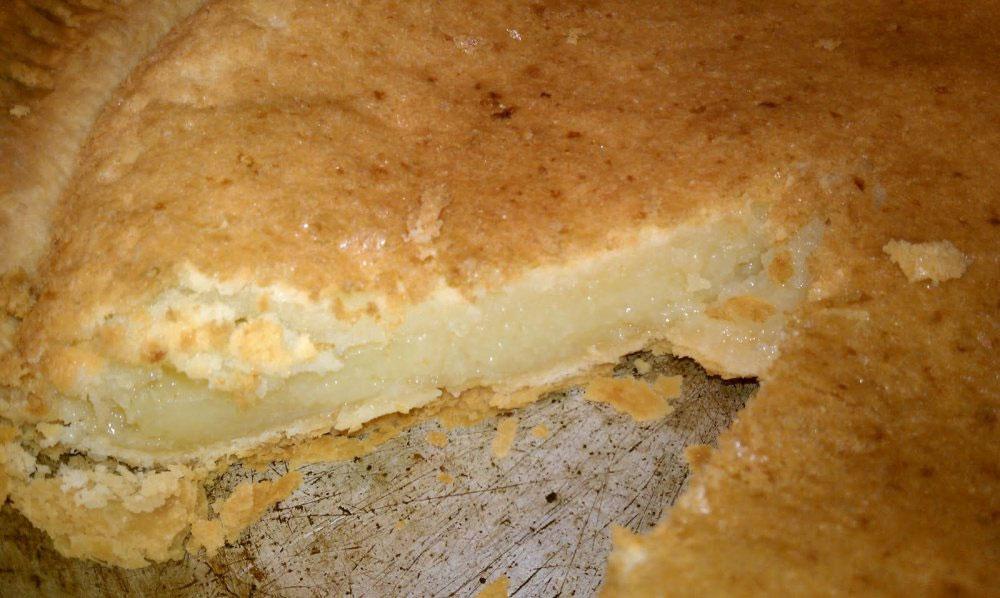
You can fix the situation as in the previous case by returning the sponge cake to the oven to bake thoroughly. Naturally, the oven temperature should be reduced to the required level. If the top is burnt after baking, you can trim it off with a sharp knife. Otherwise, the cake will be perfectly suitable for baking as long as the uncooked layer doesn't collapse when removed from the oven while still undercooked.
The oven was opened too early.
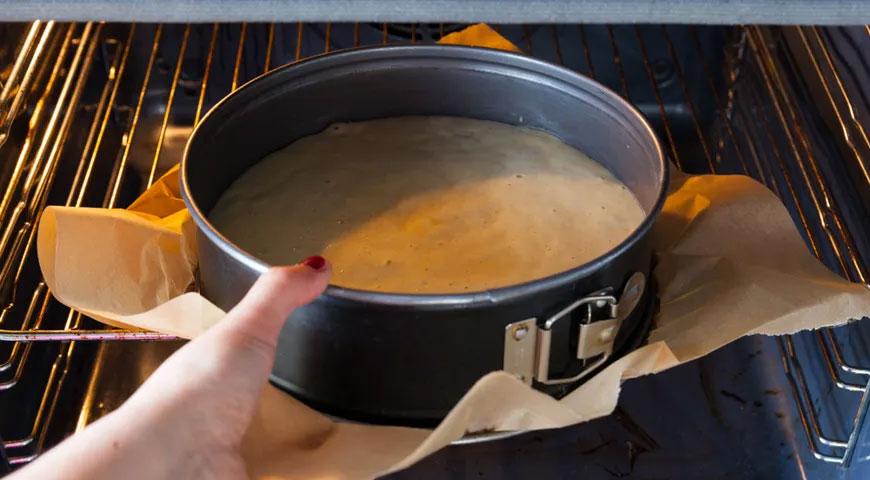
When you open the door, the oven temperature drops sharply, causing the still-liquid cake to collapse (the cap that formed on top during the rising process will sink and may even form a dent). This will be impossible to correct, as even after finishing baking, the collapsed cake will have an irregular cut, lacking a porous structure.
Juicy fruits or berries
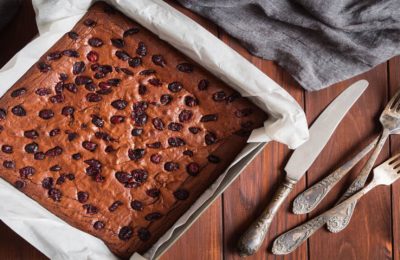
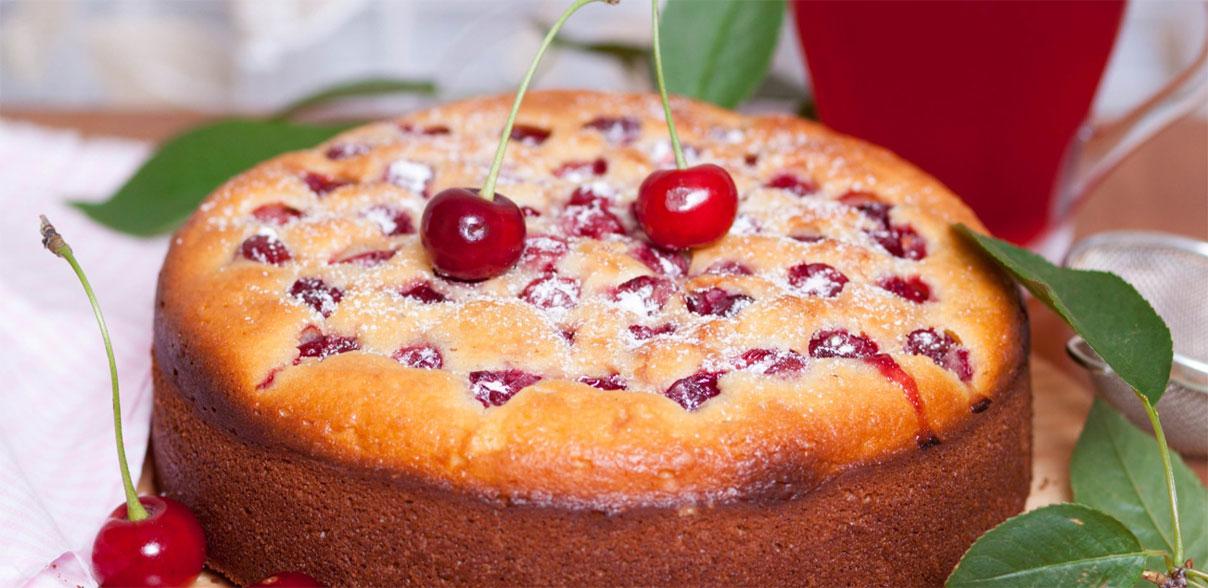
Even when a pie is fully baked, excess moisture makes the dough sticky and wet, making it feel undercooked. This can't be corrected, so before making sponge pies with fillings, it's essential to remove as much excess moisture as possible from the fruit or berries and coat them with starch.
Incorrect multicooker mode
Modern multicookers can bake yeast dough for pizza, muffins, and biscuits. Typically, the device has a specific setting for each type of baking, and the instructions provide recommendations for preparing the dough.
The sponge cake in the multicooker may not bake through if:
- you changed the ingredients in the recipe or their ratios;
- the wrong cooking mode was selected;
- the mains voltage was much lower than 220 volts and the device was not heating up sufficiently;
- There are problems with the heating element or the correct operation of the cooking modes in the multicooker.
What to do with an underbaked sponge cake
If the sponge cake is raw inside due to improper operation of the stove or your own mistakes, don't throw it away. You can cut the cake into cubes and fry it in a pan or dry it out in the oven.
After this resuscitation, the sponge cake will be ready, but naturally, it won't have the desired fluffy texture. However, the sweet sponge cake cubes can be used to make dessert cups or crushed and used as cake crumbs (either on their own or mixed with cocoa).