Why marshmallows won't set and what to do

Content
Marshmallows are a beloved sweet that can be made at home, but not everyone succeeds the first time. In this article, we'll take a detailed look at the main reasons why marshmallows sometimes don't set and offer advice on what to do in such situations.
Why do marshmallows sometimes not set?
There can be a variety of reasons why marshmallow making fails. Let's explore the most common ones and understand what led to failure in each case and what needs to be done to avoid such mistakes in the future.
Reason #1 – failure to follow the recipe
How often, when planning a dessert using a recipe, do we realize we're missing (or missing) an ingredient? But it's important to remember that marshmallows are a delicate dish! To ensure the marshmallow mixture turns out perfectly and sets properly, all ingredients must be present in specific proportions.
If you want to change the total amount of product at the output, you need to correctly recalculate how much of each ingredient is needed in order to maintain the correct proportion.
When replacing the fruit component, it is also important to consider that the pectin content in products can vary significantly:
| Pectin content (per 100 grams) | Products |
| 0.3 g | pumpkin, cherry |
| 0.4 g | cherry |
| 0.5 g | blackberry, watermelon |
| 0.6 g | raspberry, orange, grapes, pear |
| 0.7 g | peach, apricot, strawberry, wild strawberry, gooseberry, cranberry |
| 0.9 | plum |
| 1.1 | black currant |
| 1.2 | apple |
If you are making marshmallows using any berries or fruits with a pectin content of less than one, you will need to add either applesauce or additional pectin (in addition to agar) to the recipe so that the marshmallows set well.
Reason #2: Agar-agar doesn't work
The reasons why marshmallows on agar-agar did not set may be as follows:
- expired gelling agent;
- too weak agar (incorrect gelling strength);
- the acidity of the marshmallow mass is not taken into account.
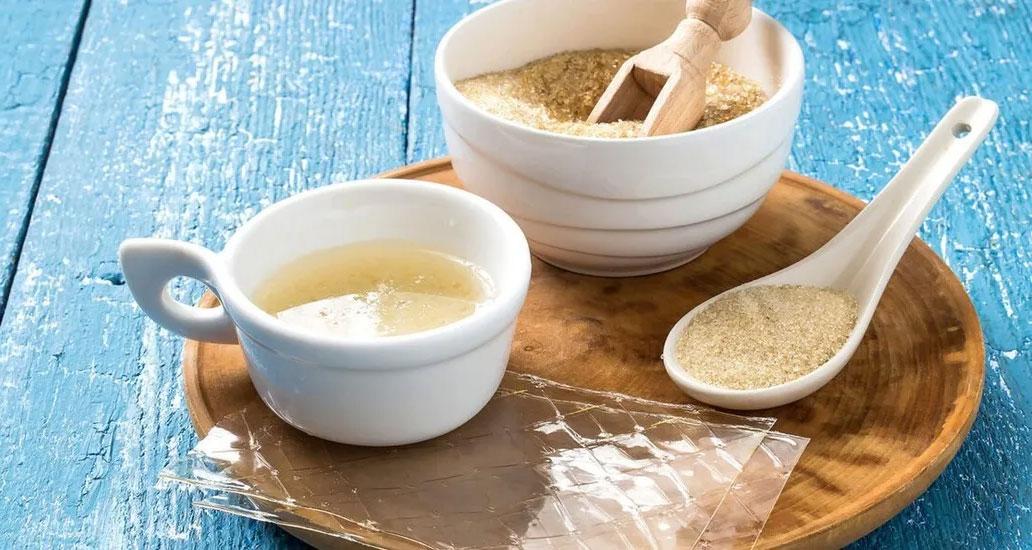
For making marshmallows, it is recommended to use agar with a strength of 1200, but there are other options on sale that can be distinguished even visually:
| Gelling power | Variety | Powder color |
| 1000 – 1200 | Top grade | white |
| 800 – 900 | 1st grade | yellowish |
| 600 – 700 | 2nd grade | sand |
When working with agar, it's important to remember that when using the product in acidic environments, its dosage must be increased. For example, 1 gram of agar per 100 ml is sufficient to gel a neutral mass, but for an acidic environment, 1.5 grams of the product per 100 ml is required.
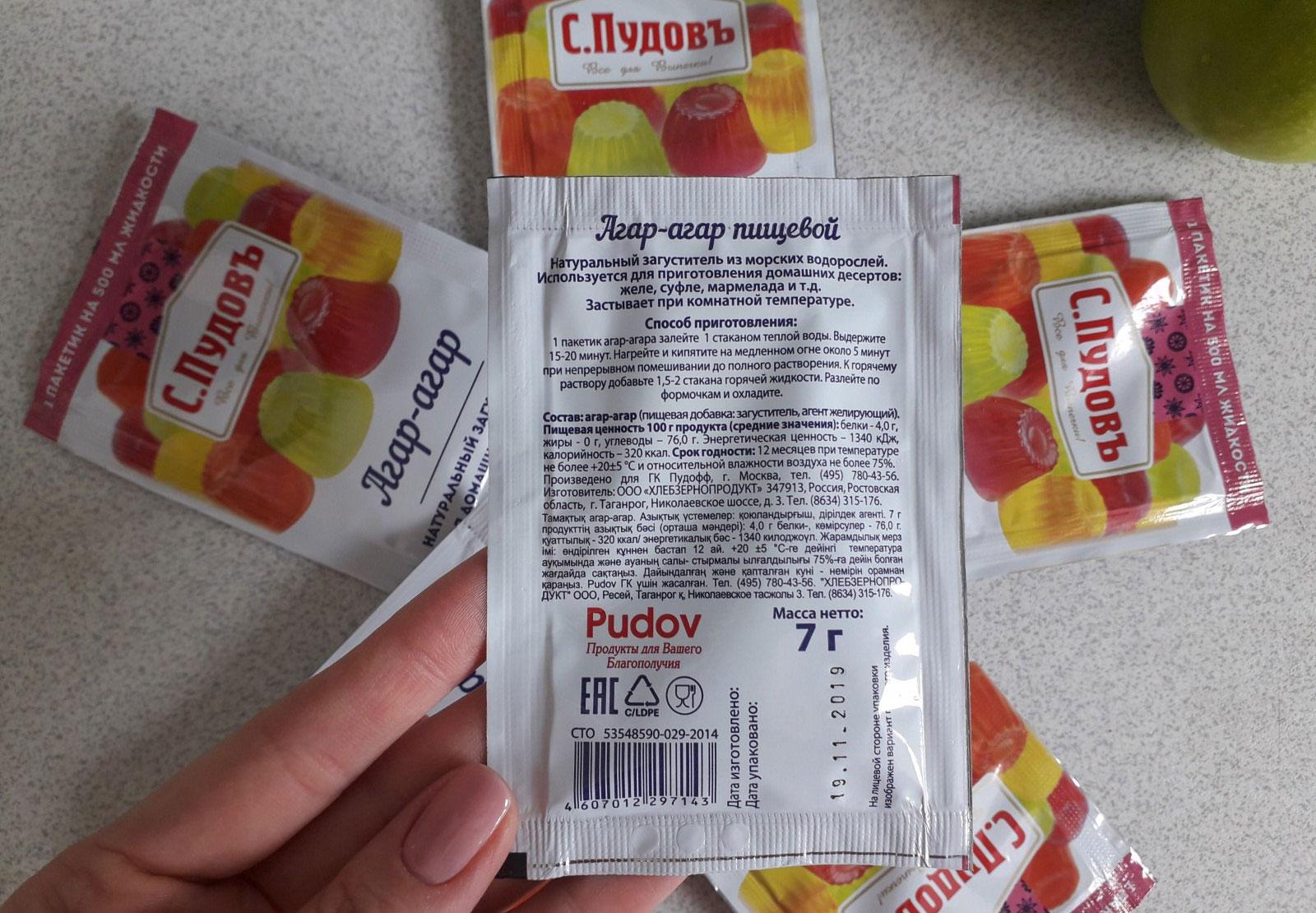
The amount of 1200-strength agar can be varied depending on the desired density of the finished marshmallow. For example, for 500 ml of neutral mass based on fruit puree containing pectin, you might need:
| Amount of agar | Marshmallow texture |
| 1 year | very soft |
| 1.5 g. | soft |
| 5 years | dense |
| 8 years | very dense |
Reason #3 – Undercooked syrup
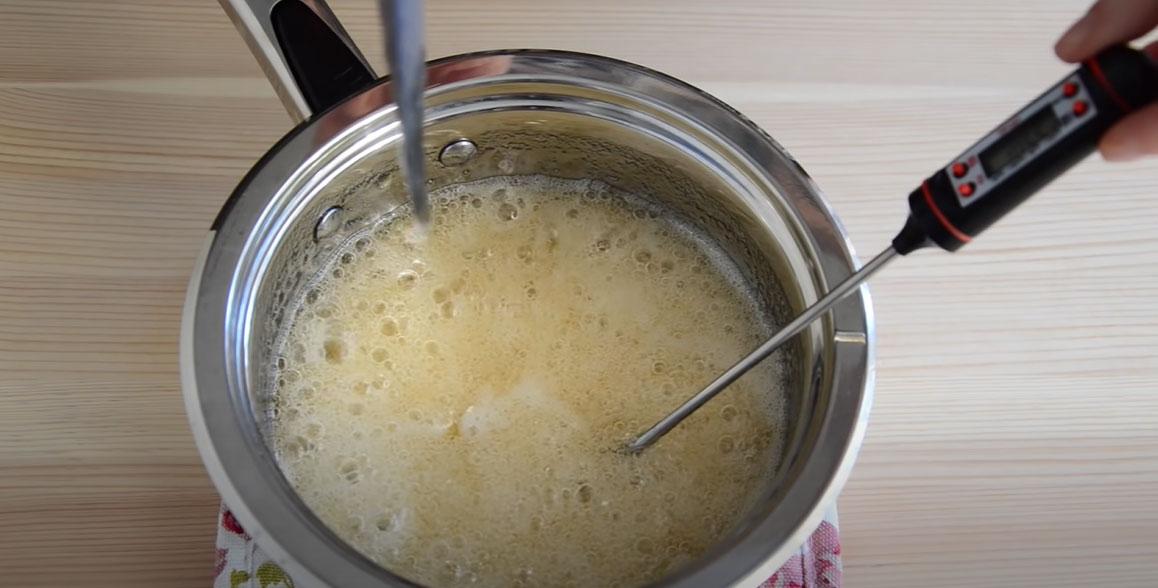
In the marshmallow recipe, the syrup must be heated to 110°C, monitoring the process with a cooking thermometer. This is necessary to avoid overheating the mixture, as overheating above 110°C will also cause the agar to lose its gelling properties.
Reason #4 – poorly whipped mixture
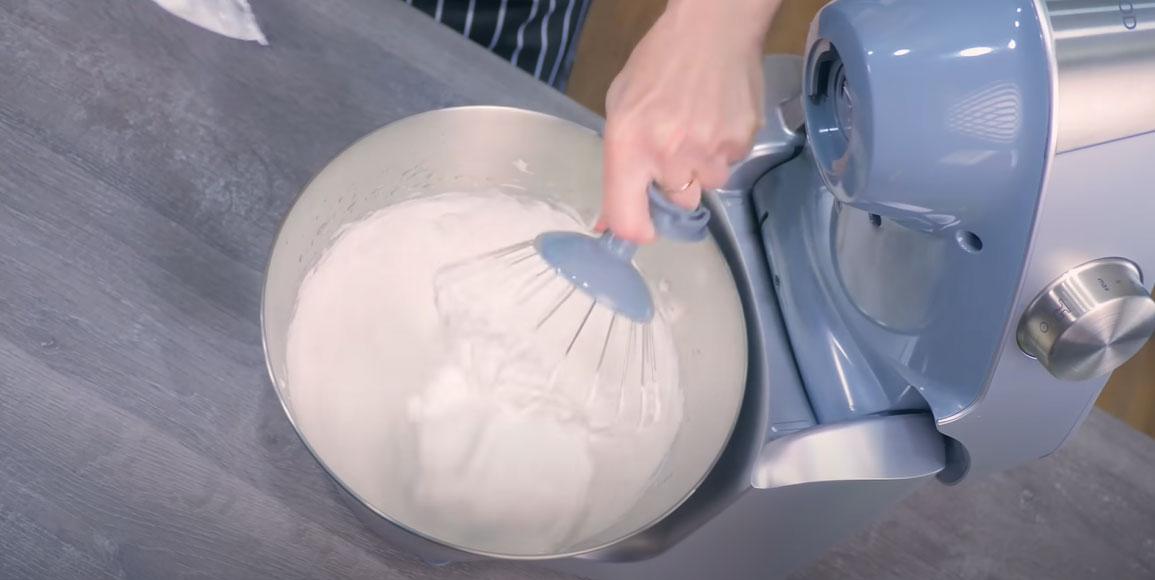
Although many bloggers claim to achieve the desired result with a hand mixer, they prepare their marshmallows in a stand mixer. The secret is simple: only professional equipment with high speeds can produce a properly whipped mixture (also keep in mind that you'll need to brew the syrup simultaneously, monitoring its temperature).
What to do if marshmallows don't set
It's important to remember that the dessert dries only at room temperature (industrial drying chambers with optimal climate parameters for rapid drying are used for this purpose). There are no specific recommendations for drying marshmallows at home, as the agar mixture should gel as it cools at 40°C.
We can only say that the marshmallow has not hardened after 24 hours, since different masses, depending on the recipe, may require from 5 to 24 hours to stabilize.
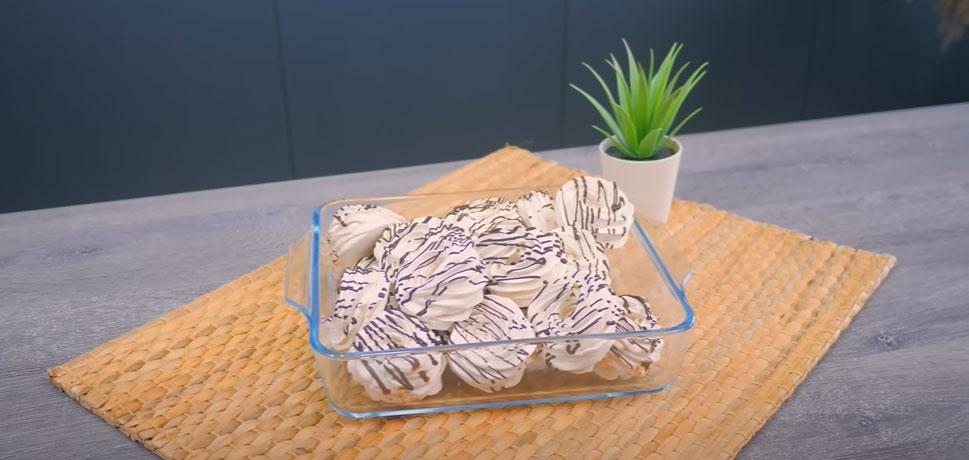
The speed at which the marshmallow dries and the gelling agent begins to work can be affected by the air temperature and humidity in the room. The lower both parameters, the faster the air will dry the surface of the marshmallows. The density of the dessert's interior depends solely on the performance of the agar-agar and pectin.
If the marshmallows haven't set even after 24 hours, the question arises: what to do and how to fix the situation. In principle, even marshmallows that aren't set enough or are still runny inside are perfectly edible and completely safe. You can eat the mixture with a spoon or use the marshmallows to make another original dessert or cake (there are plenty of ideas online).
Another option is to make delicious pastila from the marshmallow mixture by simply spreading it in an even layer in a mold and placing it in the freezer for 1 hour.
Marshmallow recipes
Classic marshmallows with agar are quite easy to make at home and set in a few hours at room temperature.
For detailed step-by-step cooking instructions, watch this video:
You can also make marshmallows with pectin, as in this recipe. Adding pectin will make the set marshmallows even more springy and airy.
Pastry Chef's Advice
For more helpful tips on making marshmallows, watch this video: