Why does the sponge cake settle after baking in the oven and what to do about it?

Content
After their first unsuccessful attempt at baking sponge cake, many novice cooks begin searching for answers to the question of why sponge cakes sink after baking in the oven and what to do to ensure the cake turns out fluffy, high, and retains its structure completely after cooling.
The secret to the perfect sponge cake
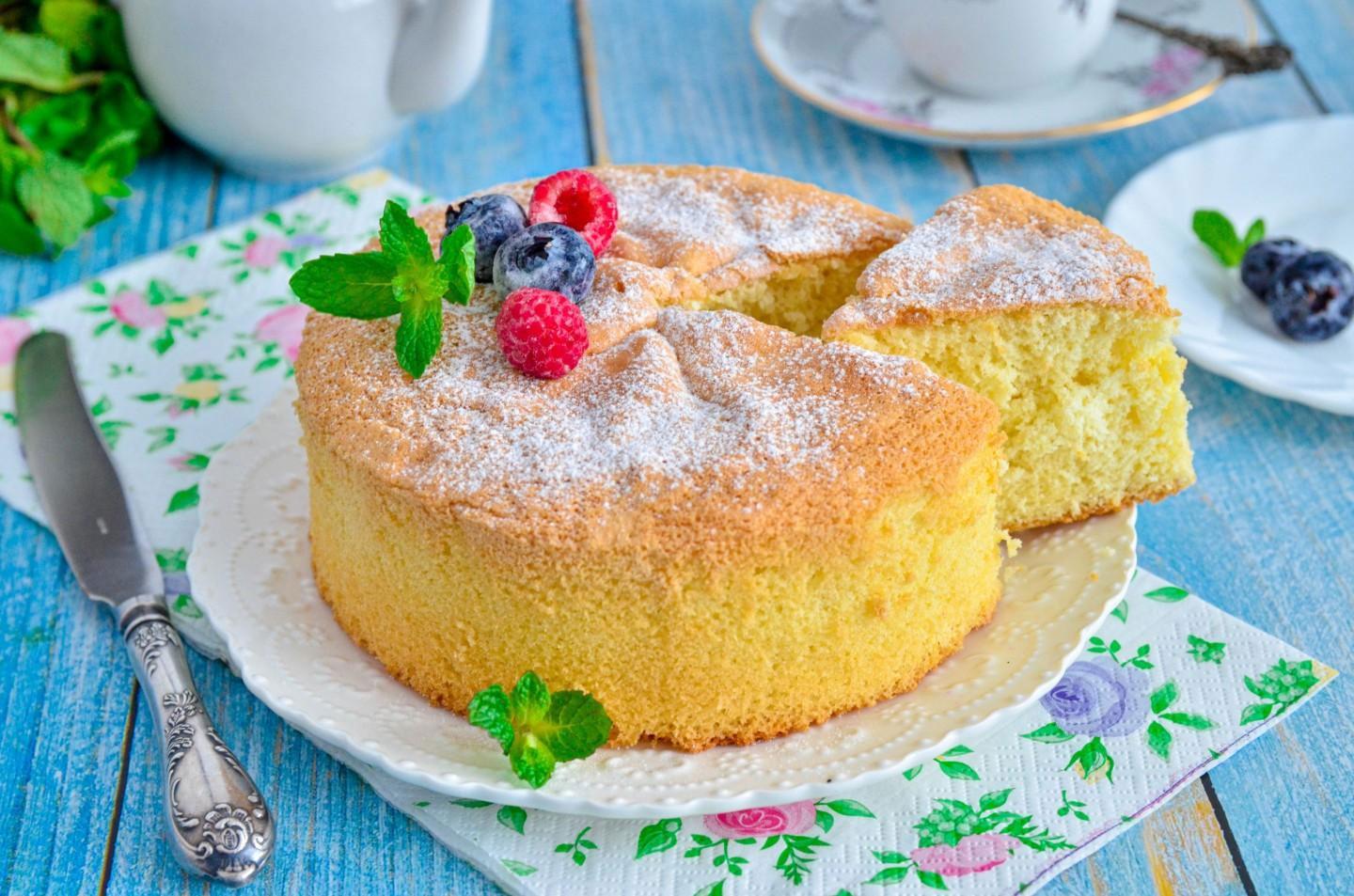
The secret to a fluffy sponge cake that doesn't fall after baking:
- correct recipe;
- maintaining the ratio of ingredients in the recipe;
- temperature conditions in the oven.
It is important that the temperature at the initial stage of baking is sufficient to initiate the reaction, and then to completely bake the sponge cake to its full depth.
Why does the sponge cake settle?
Understanding the processes that occur in sponge cake batter can help us understand why sponge cakes sink after baking. We'll explore all the possible causes of this failure in detail.
Reason #1: The dough is too runny
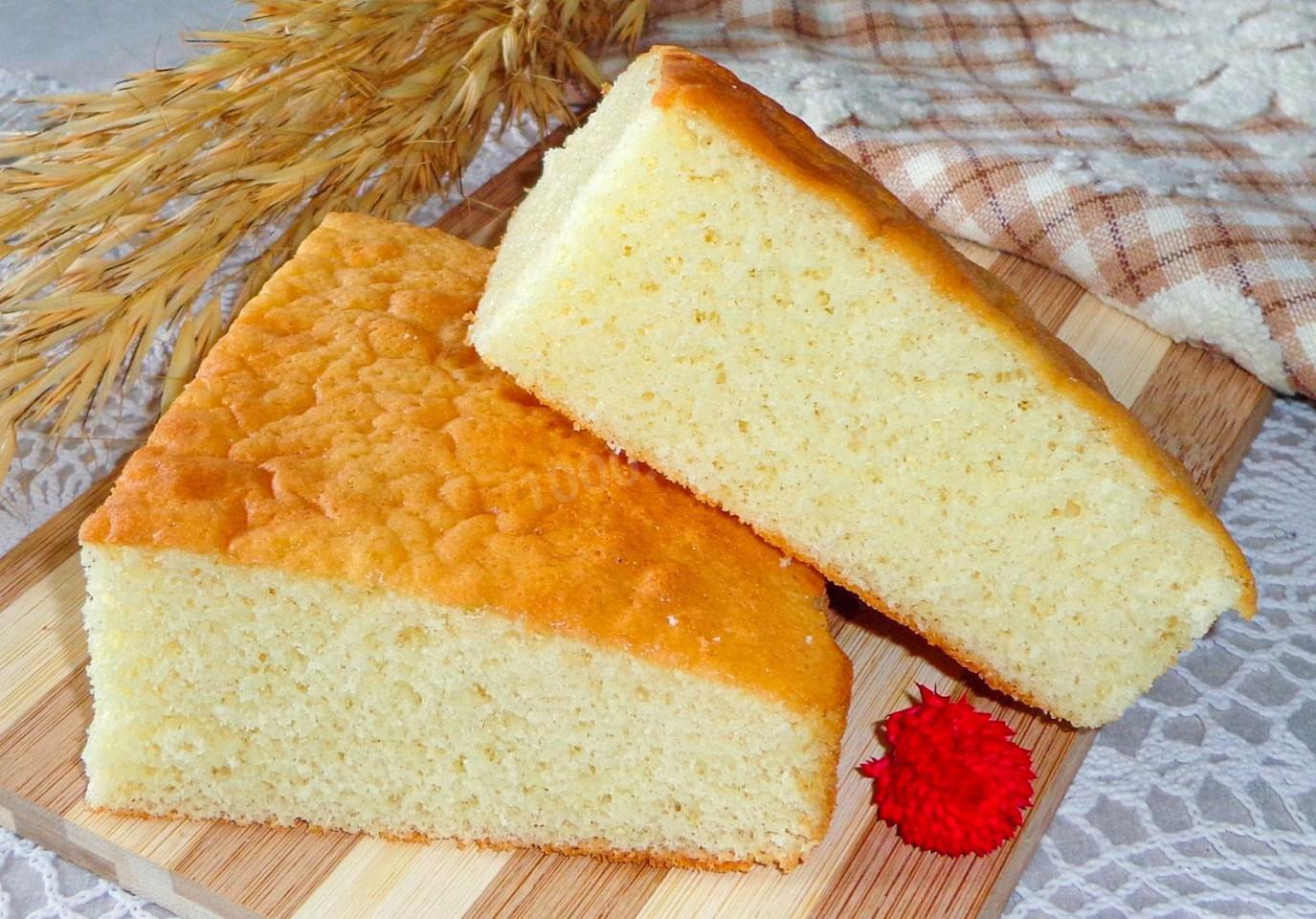
Many home cooks complain that sponge cakes almost always sink after being removed from the pan. This is due to the very runny consistency of the dough in these recipes. As a result, the baked goods turn out very delicate, which means they don't hold their shape well and shrink after cooling.
If the recipe is followed exactly, the cake layer won't shrink much. Ideally, the top will sink slightly (or not form at all). In such recipes, an indentation is the only sign that the cake has "sagged."
Reason #2 – a sharp change in temperature
If you open the door too early, when the cake is still underbaked in the center, the sudden drop in temperature will stop the bubbling process and the beautiful top will collapse. In most cases, the dough doesn't rise again during baking, and the sponge cake, which has collapsed while still in the oven, will be very dense inside. It's no longer suitable for making a cake, but it's perfectly fine for making sponge crumbs.
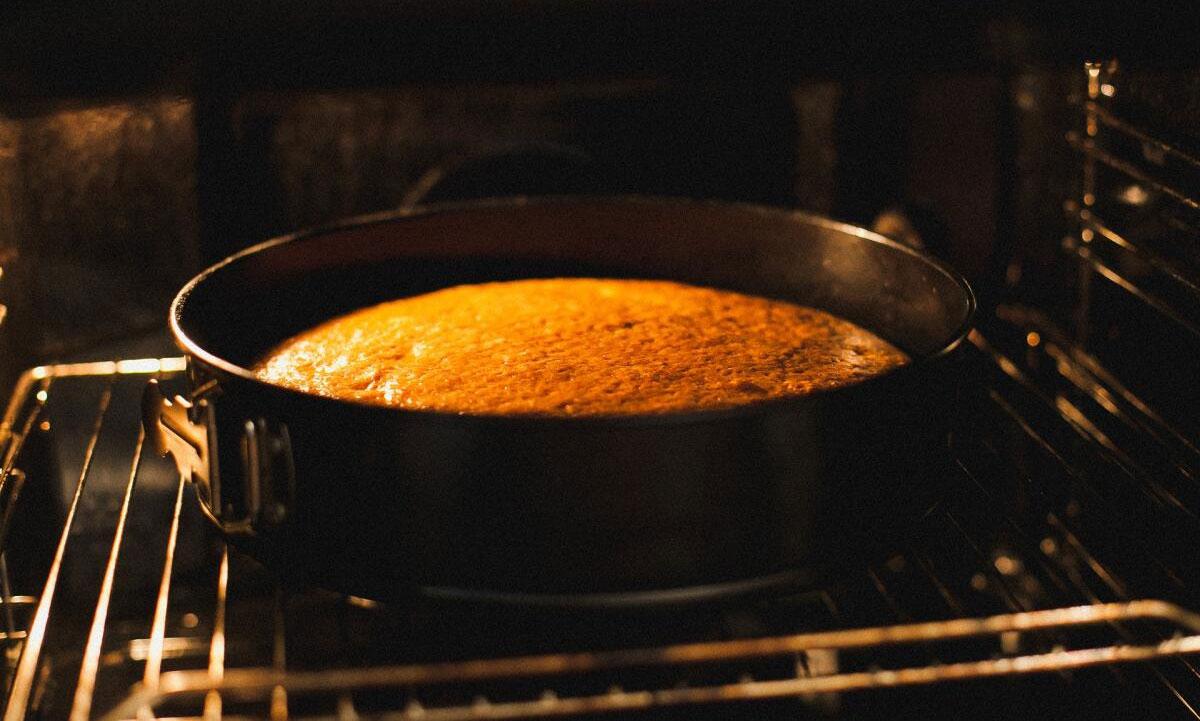
A similar process occurs when you remove a finished sponge cake from the oven abruptly. Pastry chefs advise not to rush the cake to prevent it from sinking immediately after baking. Allowing the cake to cool gradually, along with the pan, over 5 minutes will prevent it from sinking. Therefore, it's always best to remove the cake from the pan when it's partially cooled.
Reason No. 3 – the cake is not baked
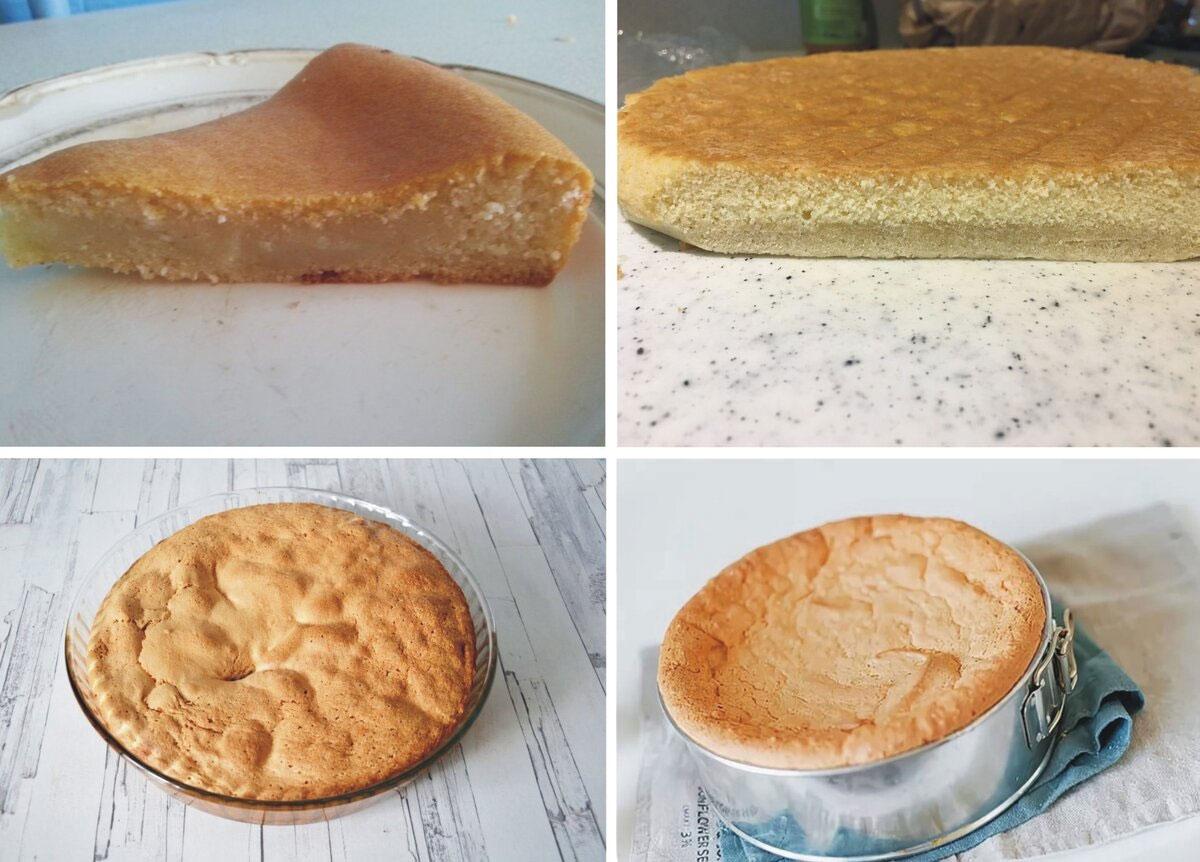
The most common reason a sponge cake collapses after baking in the oven is a runny, underbaked center. When baking in the oven, the underbaked zone is always in the center of the cake.
Even though the cake rises beautifully and develops a golden brown crust, the dough inside may still remain sticky for a long time. That's why it's always important to check that the cake is completely baked before removing it. We explained how to do this in the article "How to tell if a sponge cake is ready".
Reason #4 – Incorrect baking pan
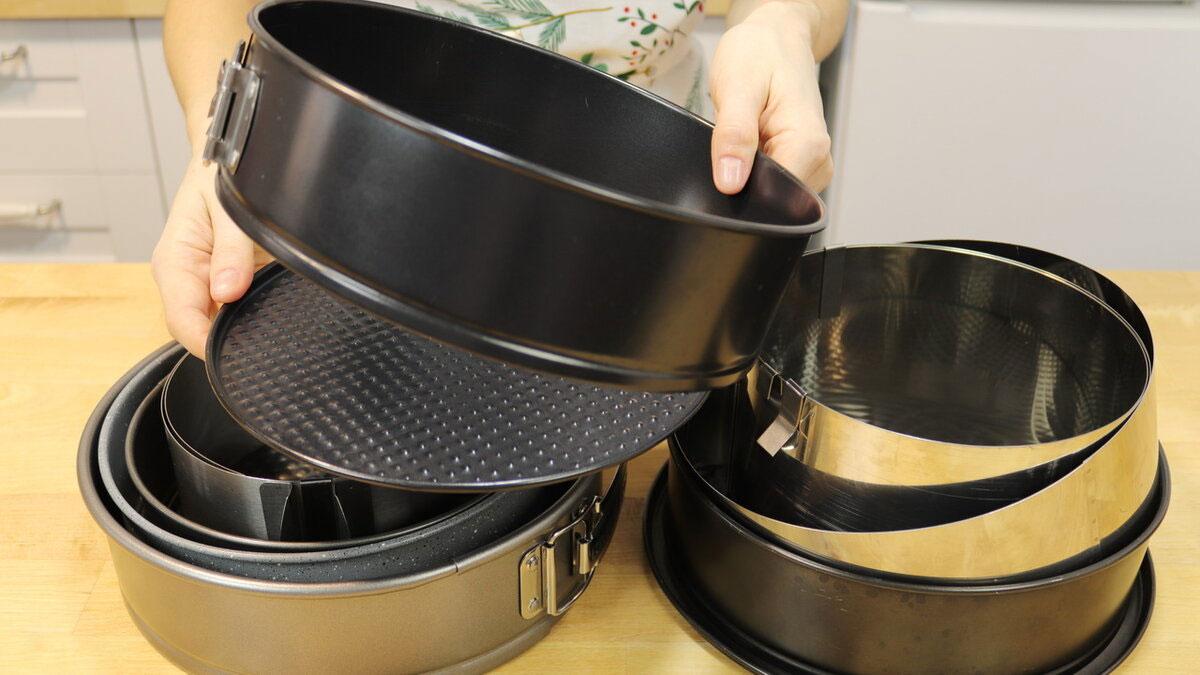
That's why it's always important to pay attention to the recommended dimensions of your baking pan. Using a larger pan will simply result in a thinner cake, while using a smaller pan can result in an underbaked, overly tall sponge cake.
To avoid wondering later why the sponge cake is falling, it’s better to immediately recalculate the amount of ingredients taking into account the pan you have at home.
Reason #5 – fillings
It is best to make sponge cake with dense fillings:
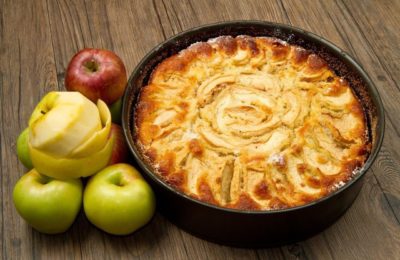
- It is ideal to prepare charlotte with apples or pears;
- It is more difficult, but still possible, to bake a pie with peaches and apricots;
- Some berries (cranberries, blueberries, currants) are also suitable for biscuits.
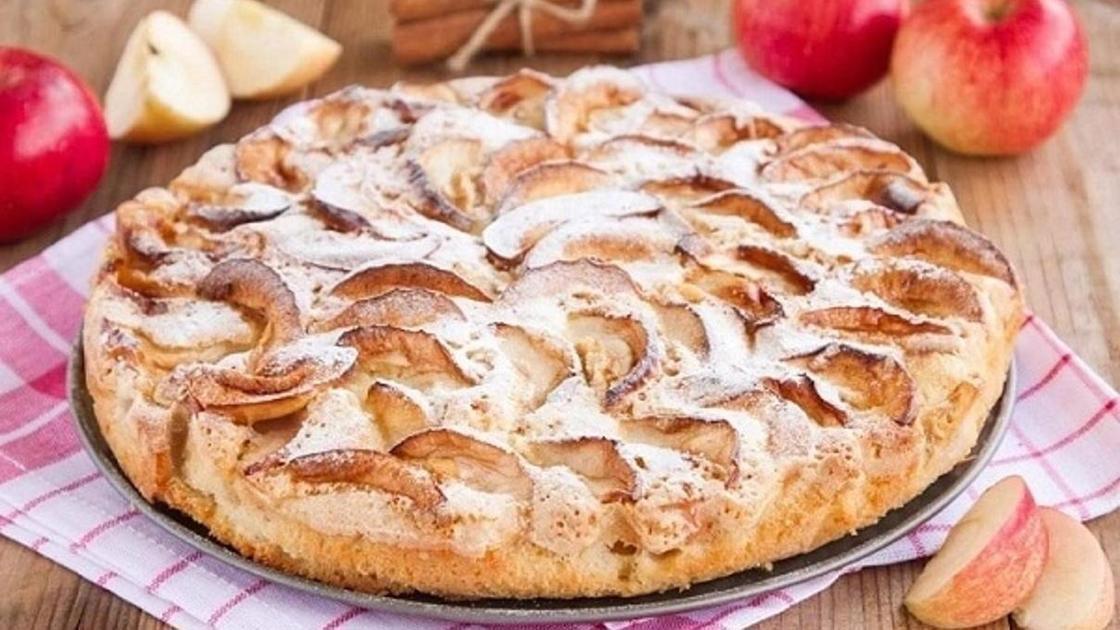
Before adding fruit pieces or berries to the dough, be sure to coat them in starch or flour. Firstly, starch absorbs excess moisture well, and secondly, it will help distribute the filling more evenly throughout the batter, preventing the fruit from settling in a solid layer to the bottom.
What to do with a fallen sponge cake
If the sponge cake sinks after removing it from the oven, there's nothing you can do about it. You can cut the dough into cubes and bake it again, but understand that it won't have the right texture. However, some forums recommend baking the dough again and making desserts in cups, using a light sour cream frosting and topping it with fresh fruit.

The main thing is to analyze your actions and possible mistakes to understand why your pie sank after baking in the oven.
Analyze:
- Did you do everything exactly as written in the recipe (did you change the ratio of ingredients, was the flour used in the dough of good quality?)
- Did you follow all the baking instructions for the cake (didn't open the oven, checked the cake for doneness, and let it cool in the pan?)
- Is your oven baking properly (is the set temperature consistent with the actual temperature?)? If you don't have a thermometer, consider purchasing a special device that fits in the center of the oven to monitor the temperature.