Why doesn't 33% fat cream whip?

Content
Today we'll talk about cream: how to whip it properly, and common mistakes that can be avoided by following the checklist (provided at the end of the article).
Is there anything more perfect to accompany dessert than cream? I don't think so!
Cream — a very delicate and light product. It is used to make cream for cakes and desserts.
The problem is that many recipes typically call for whipping cream until it forms stiff peaks. But this isn't always possible. Before you start whipping, it's important to learn all the nuances.
Whipped cream(otherwise known as Chantilly cream or Chantilly cream (French: Crème chantilly) is a dessert consisting of sweetened whipped cream, sometimes with the addition of vanilla or other flavoring.
(Wikipedia)
Before whipping cream, you need to figure out what percentage of fat is suitable for whipping and what is not.
Fat content of cream
| % Fat | Characteristic |
| 10% | Liquid, slightly thicker than milk. They are added to coffee and cocoa. |
| 20% | Quite thick, used for making sauces/gravies/cream soups. |
| 30-35% | They are used to make cream, desserts, ice cream, etc. They whip up very well. |
Cream 10%. They're absolutely not suitable for whipping. You'll never get a stable, thick cream with them. Save them for coffee and cocoa.
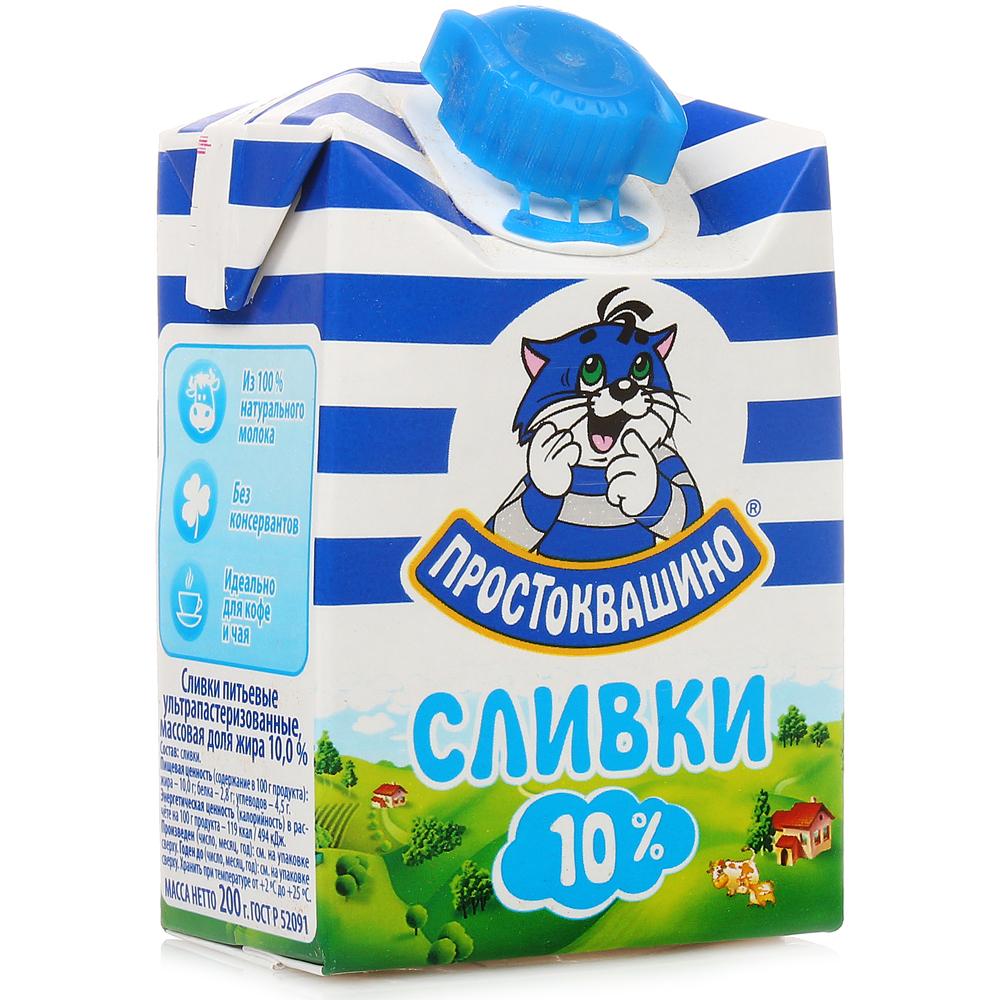
Cream 20%. You can whip it, but you can't do it without adding thickeners. You'll have to spend a lot of time and effort whipping it, but the cream still won't be as stable as you'd like.
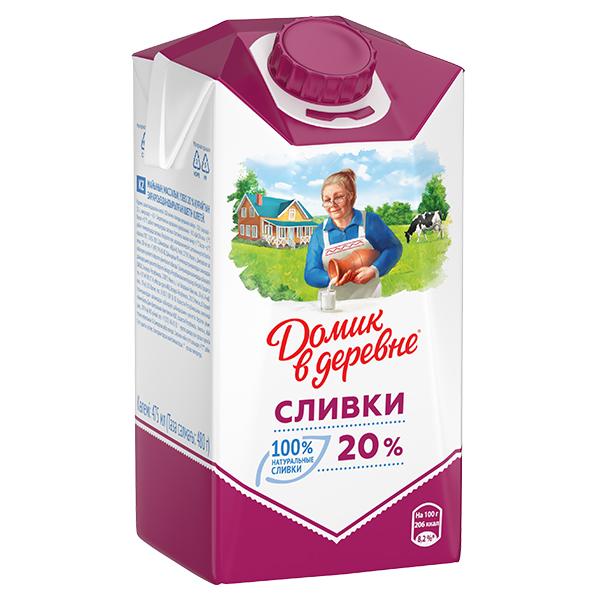
Cream 33%. They're ideal for whipping and will help you create a stable cream.
Remember! The higher the fat content of the cream, the thicker the mixture will be when whipped.
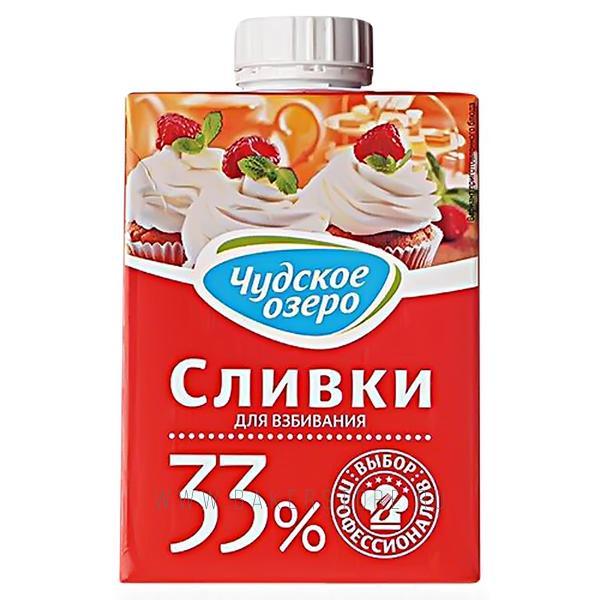
For whipping we use only cream of 33% or higher.
Now that we've covered fat percentages, let's look at the mistakes you might make.
Common mistakes when whipping cream
If your cream doesn't whip, you need to look for the cause in the process.
Sometimes, some people neglect the basic rules of whipping, which leads to problems later on. There are many causes that are very easy to fix. Let's take a look.
What are the main mistakes when whipping cream?
- No. 1 Low fat content.
Having discussed the fat content of cream above, we already understood that it must be at least 33% fat or more. Otherwise, you won't get stiff peaks.
- No. 2 Incorrect cream temperature.
The ideal temperature for whipping should be -4-5 degrees Celsius. Before whipping, they should be chilled in the refrigerator for at least 12 hours.
If you don't keep the cream in the refrigerator long enough, the fat inside the cream won't be able to trap the air particles that allow it to form fluffy peaks.
- #3 You didn't chill the bowl before whisking.
This is the step that's often overlooked. Chilling your bowl is just as important as chilling your cream. As soon as chilled cream comes into contact with a warm or even room-temperature bowl, the fat inside will immediately begin to lose its emulsifying properties.
Better yet, put the bowl with the added cream in the refrigerator.
To be completely sure, you should chill all the equipment you use to whip the cream.
- No. 4 You use defrosted cream.
Remember! We only use fresh whipped cream for whipping.
- No. 5 Long whipping time.
Each pastry chef has their own whipping time, it all depends on the power of the mixer and the chosen cream.
At first, it may seem like nothing's happening, but in an instant, the cream will begin to thicken. It's important not to miss this moment.
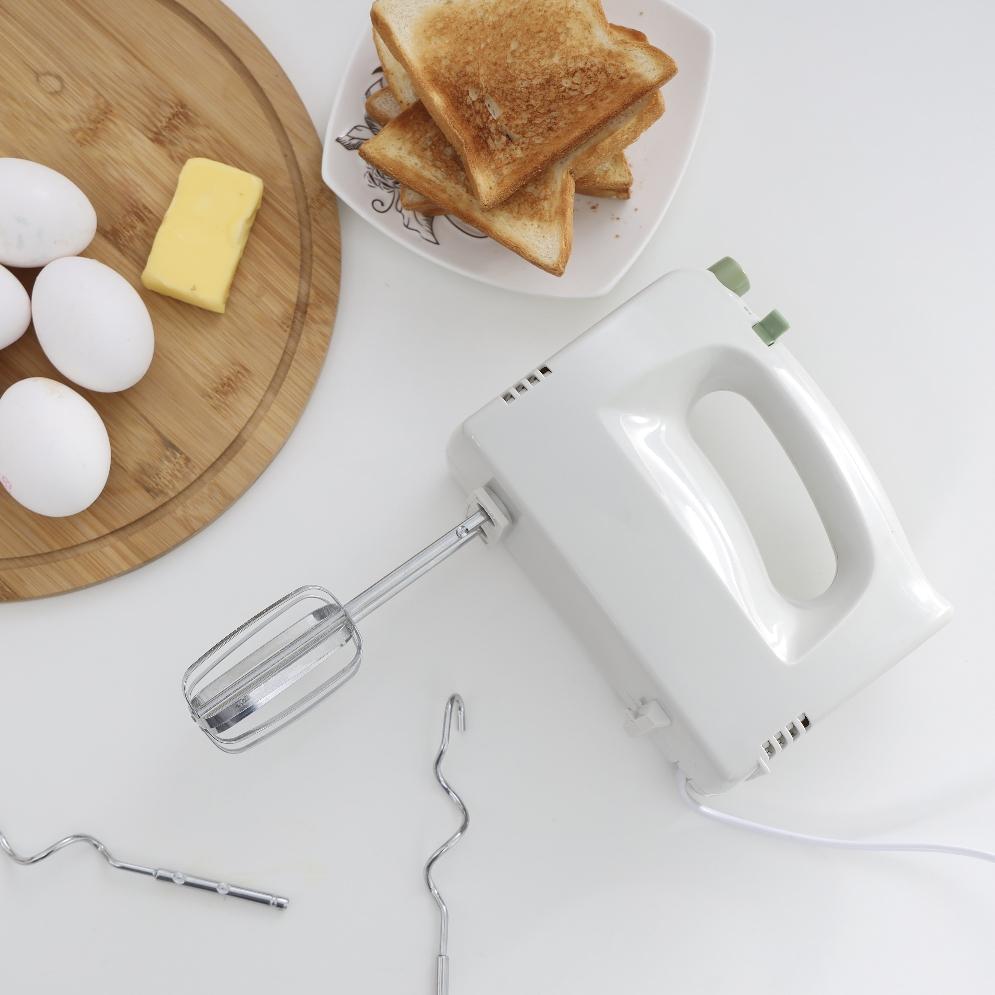
- No. 6 High whipping speed.
Start whipping the cream at low speed, gradually increasing to medium.
- No. 7 The cream was whipped in advance and allowed to stand for some time before use.
It's important to work quickly and without delay in this process. Whipped cream isn't something you can just sit around and wait for its moment of glory. It needs to be whipped just before use to prevent it from collapsing.
Over-whipped cream
How do you know if you've overwhipped the cream?
- In this case, they will be divided into whey and oil.
Is it possible to save whipped cream?
- Yes! Take a saucepan of water, heat the mixture in a double boiler, and whisk vigorously. Once the butter has melted, begin stirring vigorously, but do not beat! Once the texture is smooth, you can add it to the cream.
Underwhipped cream
How do you know if you haven't whipped the cream enough?
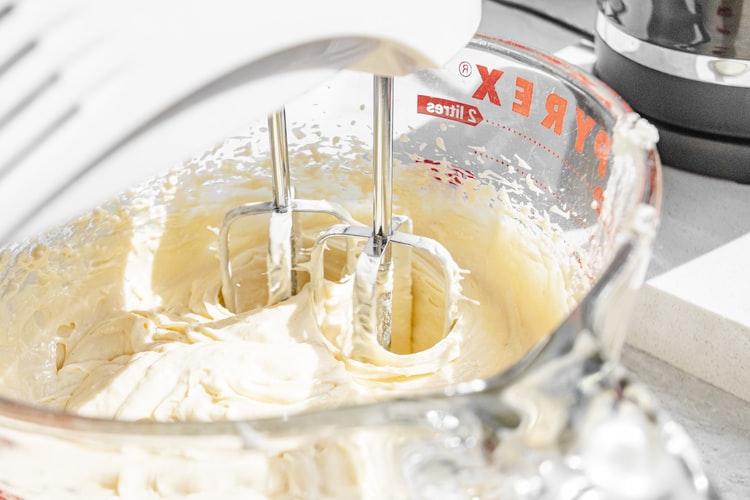
If the creamy mixture starts to drip down the sides of the bowl when you turn it over, this is a sign that you haven't whipped enough cream. Continue whisking until the mixture stops dripping.
If you stop at the stage of "under-whipped" cream, then later your cake or dessert will run.
Perfectly whipped cream
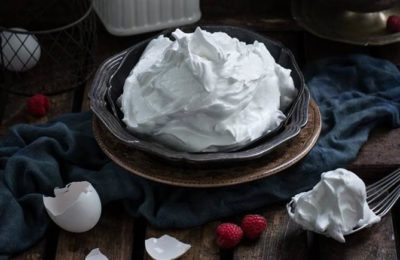
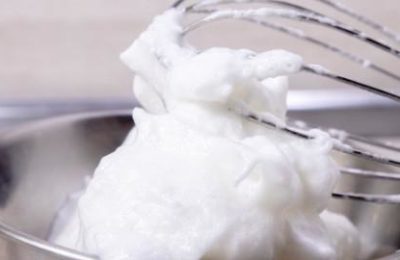
Perfectly whipped cream has a "stiff peak" consistency. This means that when you turn the bowl upside down, it doesn't slide down the sides but holds its shape well.
Soft and firm peaks
Different recipes typically call for soft or stiff peaks. What's the difference, and how do you achieve the right consistency?
Initially, the consistency of cream is liquid, so for whipping you need to use cream of 33% or higher, otherwise you will not be able to get the desired result.
The difference between soft and hard peaks:
Soft peaks
They are used to prepare mousse desserts, etc.
How do you know when you've achieved the right consistency?
- The whisk leaves a small mark on the surface, but the mass is not very dense.
Strong peaks
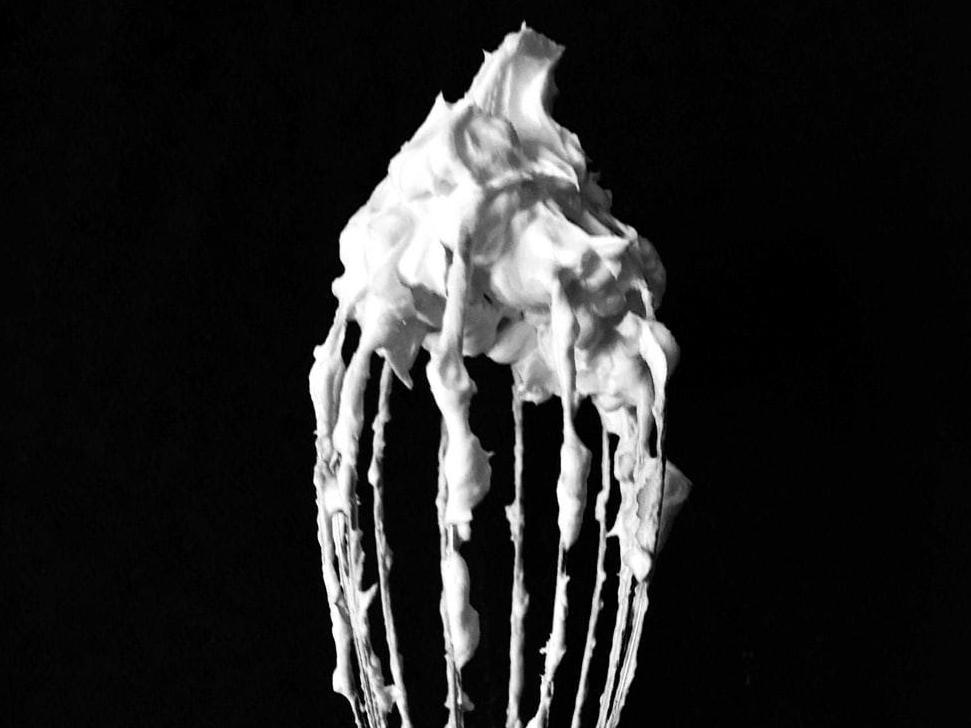
They are used as cream and layering for cakes/desserts, as the peaks are denser and more stable.
How do you know when you've achieved the right consistency?
- The whisk holds the creamy mixture well and nothing drips when the bowl is turned over.
What to do if the cream does not thicken?
- First, you need to figure out why your cream isn't thickening. If you haven't made the mistakes I mentioned above, it might be because the cream is low-quality and stale. In that case, you'll have to throw it out and buy a different brand.
I always use creams from Parmalat or Petmol. They have high-quality, natural ingredients, are made by an excellent manufacturer, and I never have any problems with them.
If you are still confident in the quality of the product, you can try adding thickeners.
Thickeners
What are cream thickeners used for?
- In short, they're essential for structure and durability. They're a kind of helper that will help you out if you're faced with this problem.
Natural thickeners are protein and gelatin.
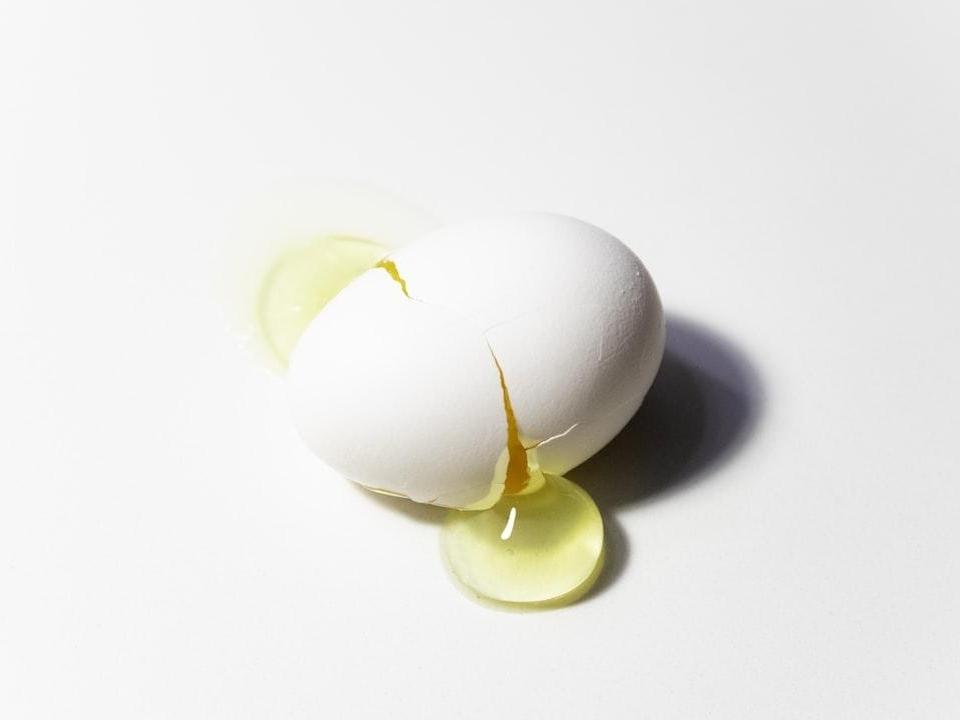
Protein
The proportions are: chilled egg white (10 g) per 250 ml of 33% cream. Beat it with a mixer and gradually add it to the creamy mixture.
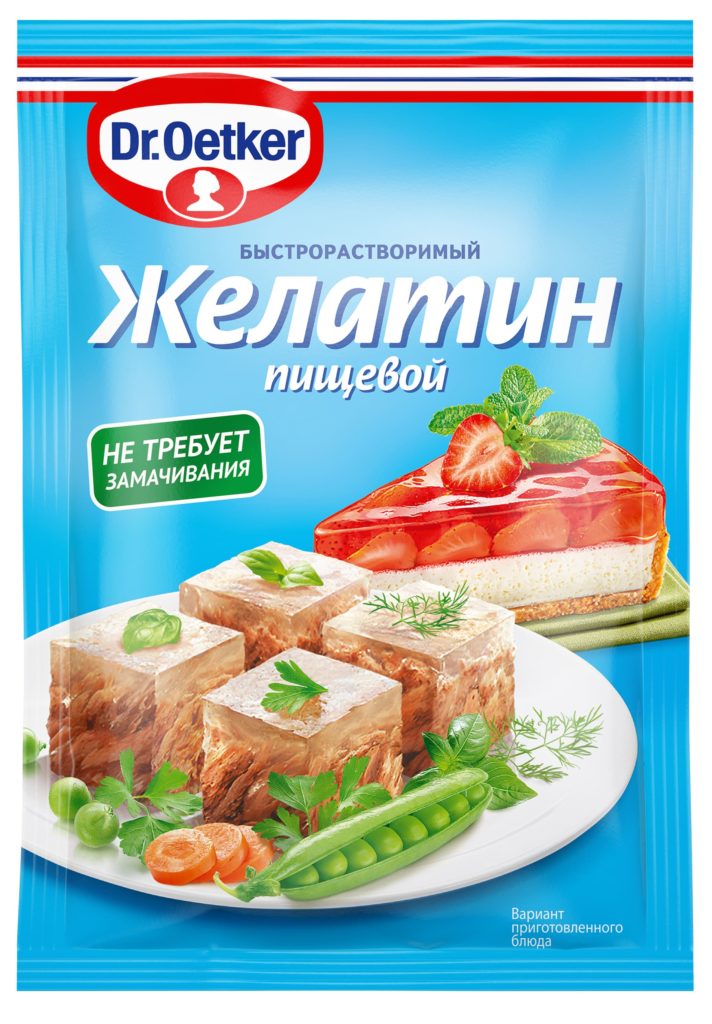
Gelatin
The ratio is 1.5 tablespoons per 150 ml of cream. Let the gelatin bloom in warm water (see the packaging for the amount of water and bloom time). Then add it to the cream mixture and beat with a mixer at low speed.
There are also other ways.
A checklist for perfect and strong peaks
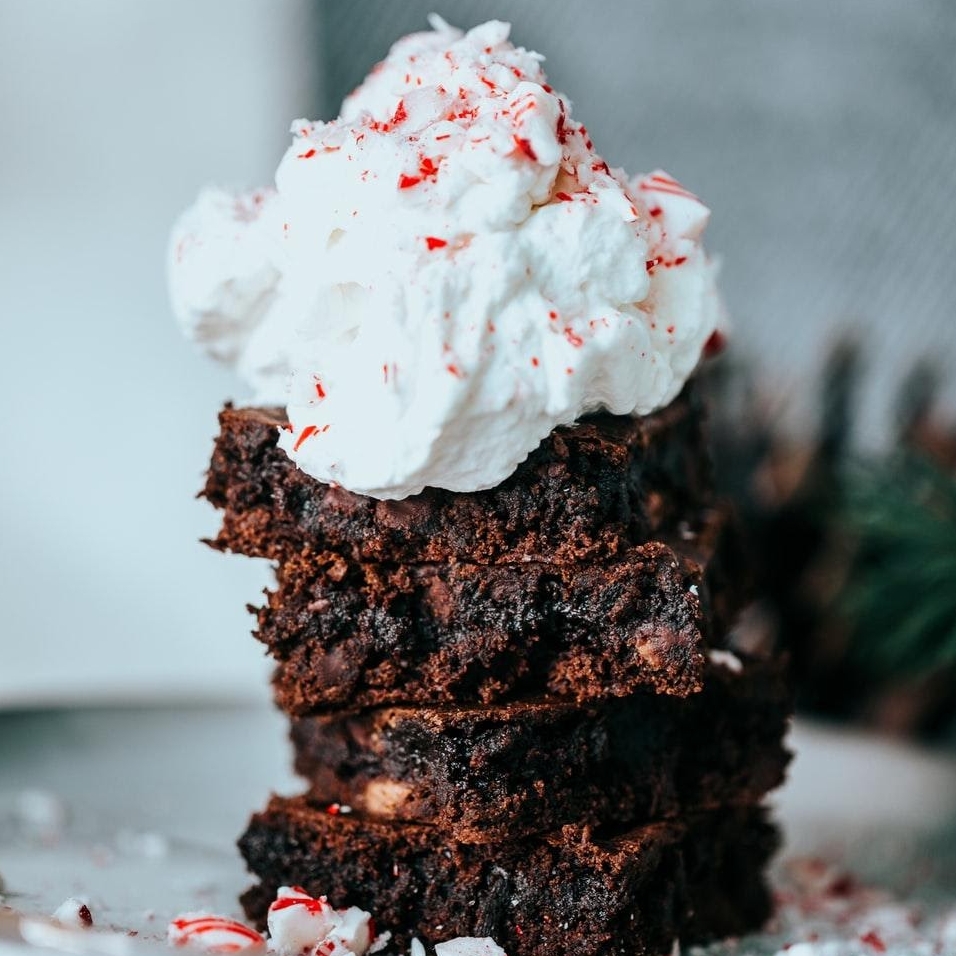
To whip cream to perfect peaks, it's important to follow these rules. Remember and put this checklist into practice!
- The fat content of cream is 33% or higher.
- Temperature: 4-5 degrees Celsius. The cream should sit in the refrigerator for at least 12 hours.
- Before whipping, chill all utensils that will come into contact with the cream.
- We use only fresh cream, not frozen.
- Beat at medium speed. Beating time varies from person to person! Adjust based on consistency.
- When you turn the bowl over, the cream holds its shape well and does not drip down the edges.
- Whip the cream immediately before using. Remember that cream doesn't like to wait, otherwise it will settle.
Working with cream isn't easy, but if you follow the checklist, you'll succeed! Do you have any trouble whipping cream? Share your stories!