Why does cheesecake crack and what to do?

Content
Continuing the theme of making incredibly popular cheesecakes worldwide, today we'll discuss why cheesecake often cracks and what to do to ensure the dessert is not only delicious but also beautiful.
Features of cheesecakes
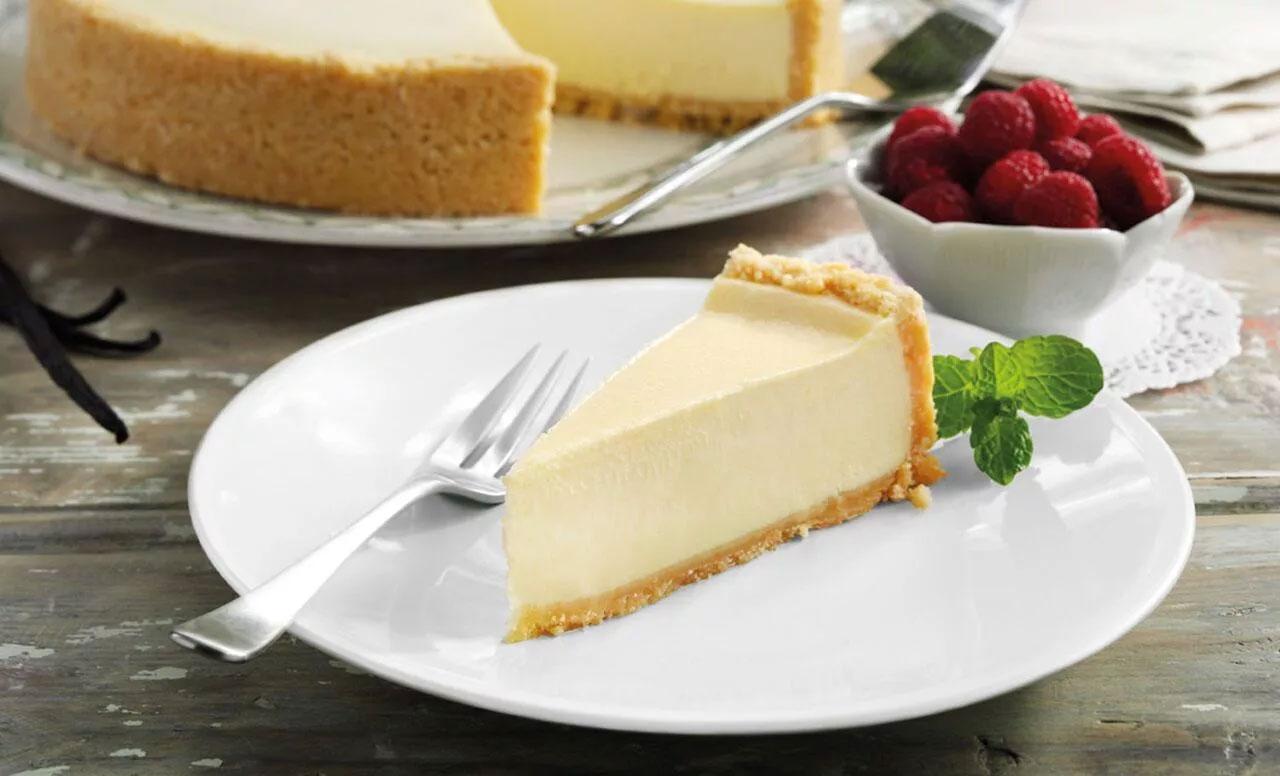
In an effort to improve recipes and discover new flavors, pastry chefs from around the world have experimented with basic ingredients, which is why today you can find step-by-step recipes for a wide variety of cheesecake variations online:
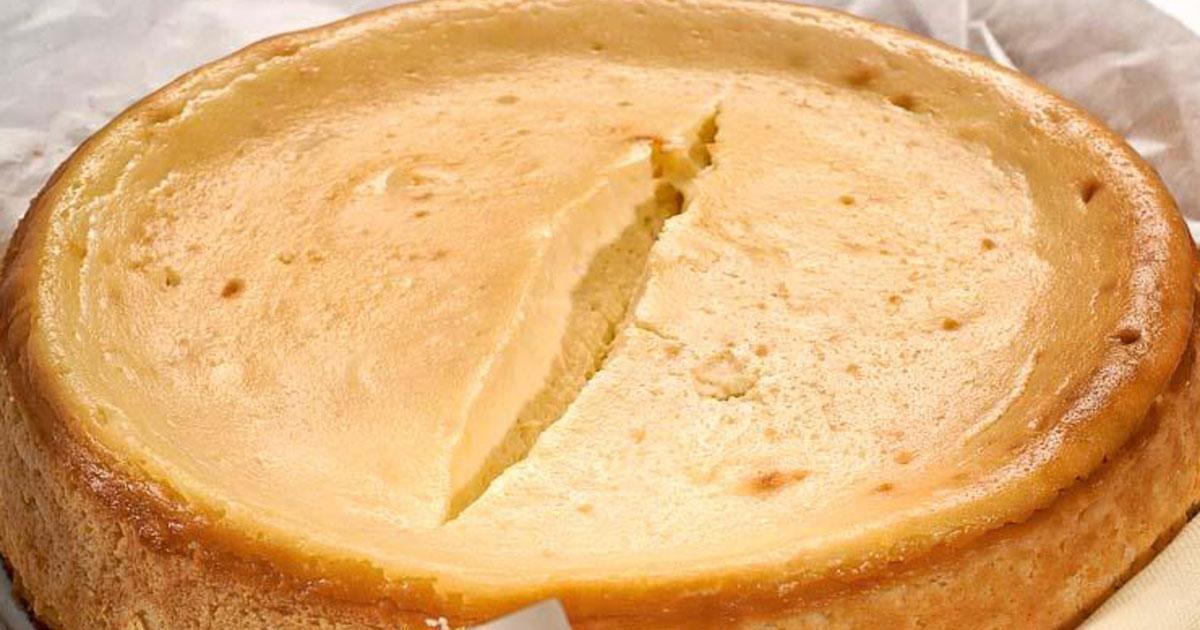
Judging by the reviews available online, many novice cooks are trying to find an answer to the question of why the cheesecake cracked in the oven.
Why does cheesecake crack?
It's worth noting that there could be several reasons why a cheesecake cracks during the baking or cooling process. We'll explore each potential issue in detail and identify solutions.
Reason #1 – Air bubbles
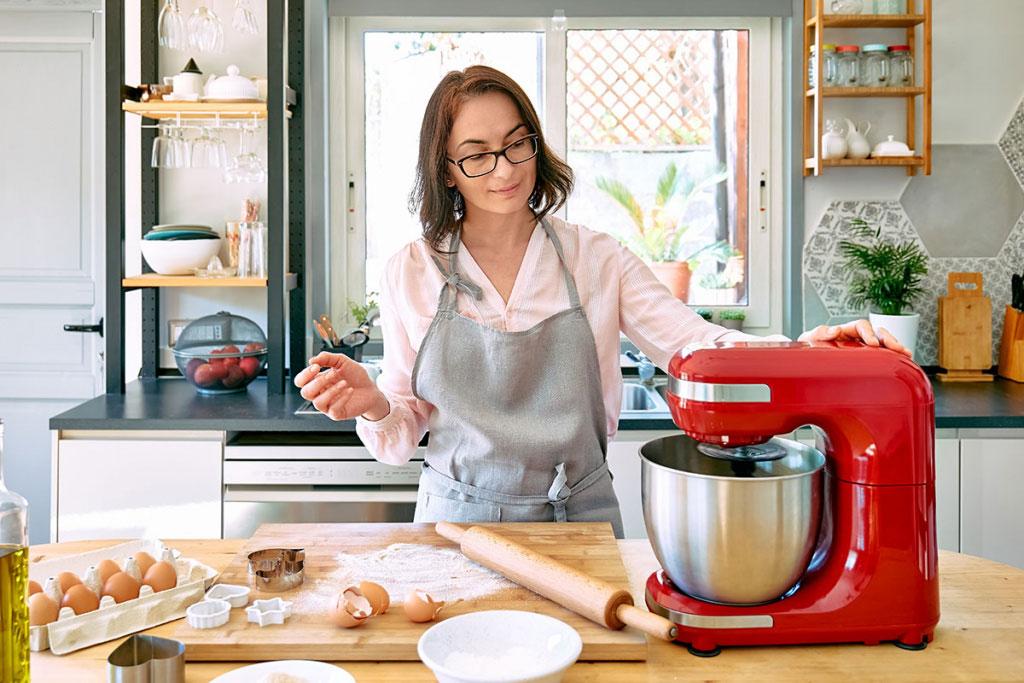
It's the large number of air bubbles that causes cracks to form during the baking process. Under high temperatures, air pockets in the dough expand and try to escape, breaking the crust before it forms.
To remove excess air from the dough, compact it in the pan before placing it in the oven. To do this, simply shake the pan 2-3 times or tap the bottom on the counter.
Reason #2 – too high temperature
If you don't follow this rule, the curd layer will bake unevenly, which will likely result in it cracking.
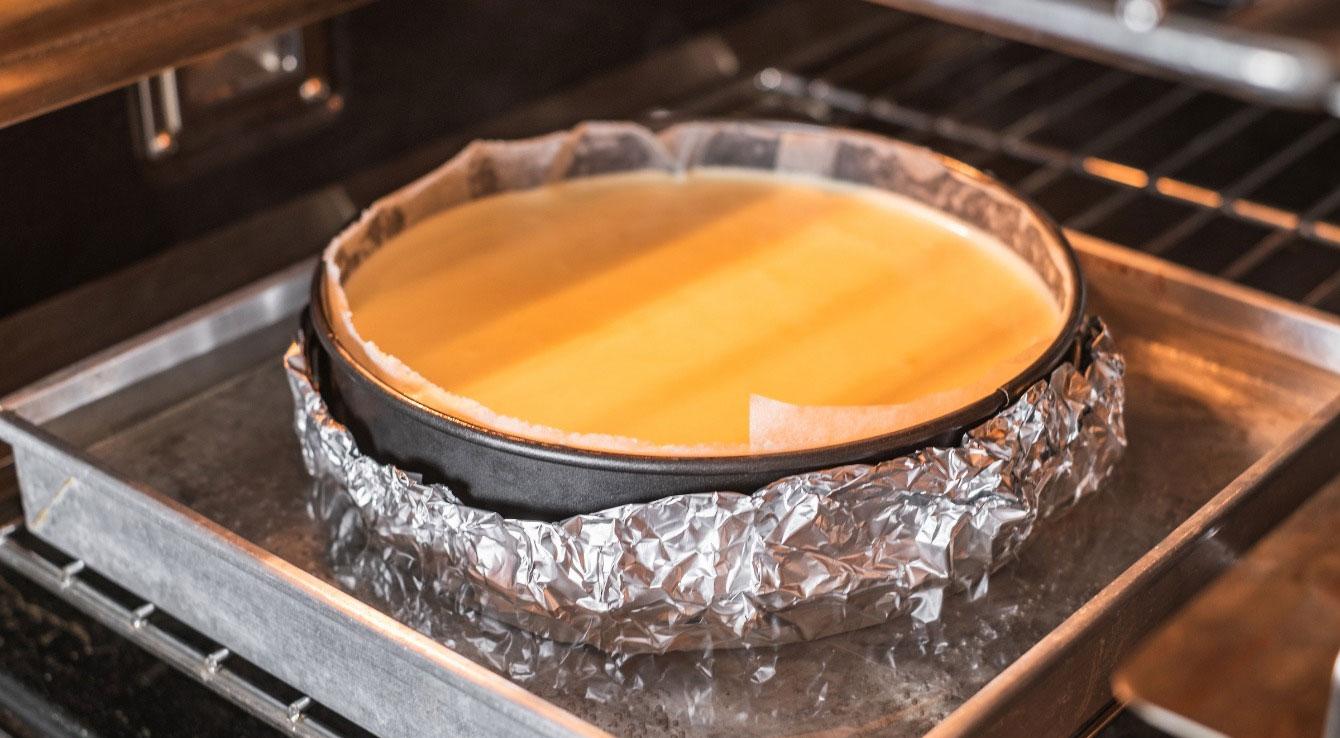
To prevent the cheesecake from overheating and ensure even baking, experienced pastry chefs bake the dish in a water bath. To do this:
- Cover the outside of the pan with thick foil.
- Place the cheesecake pan in a deep baking tray.
- Fill the baking tray with water to half the height of the pan (the water layer can be 2.5-5 cm).
Reason #3 – Underbaked Pie
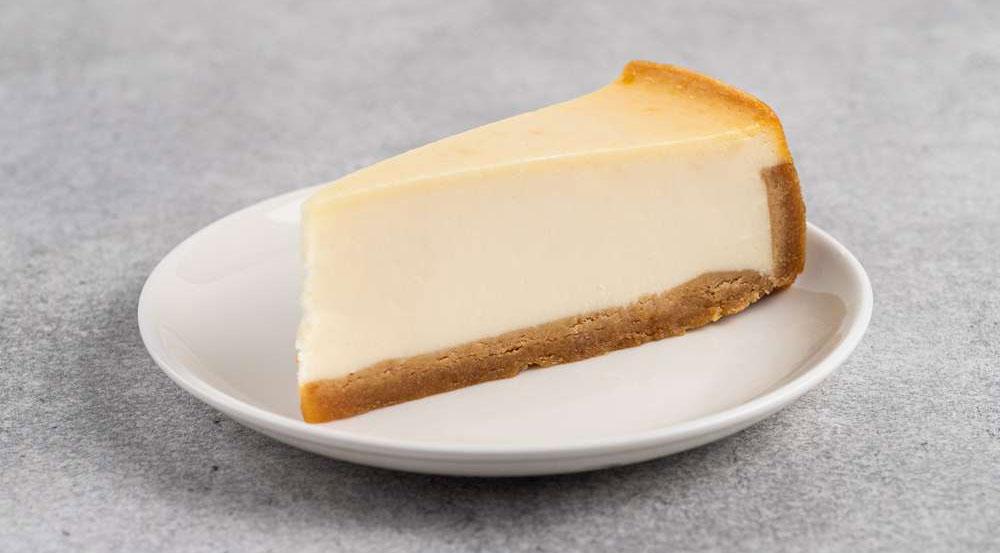
A perfectly baked cheesecake is characterized by:
- dense texture that can be felt to the touch;
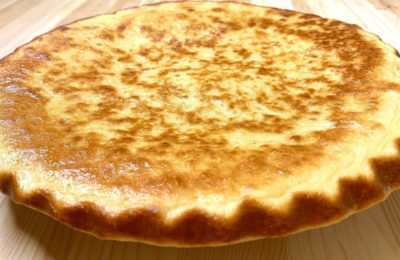
- glossy surface;
- the absence of a trembling zone in the center of the form (can be assessed by light shaking).
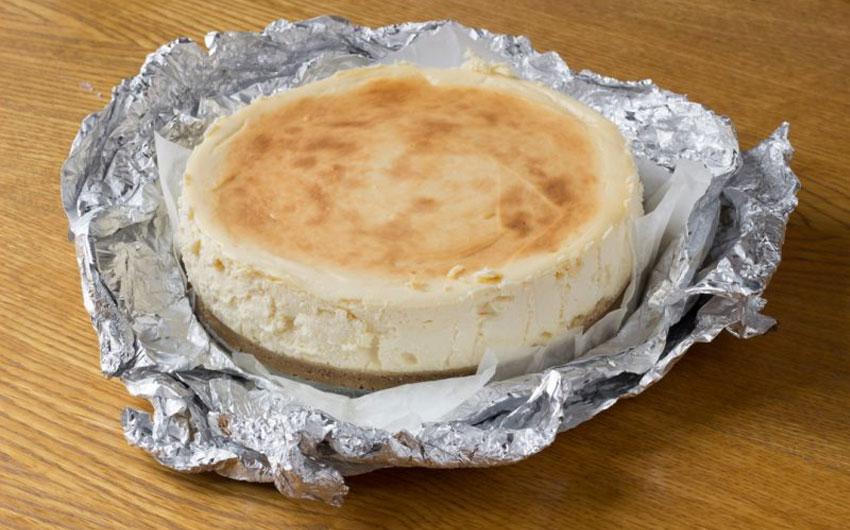
If your cheesecake is still not done after baking for 1.5 hours, increase the oven temperature by 10°C and let the cake bake for about 10 more minutes.
Reason #4 – Sudden Cooling
It's important not only to bake a cheesecake correctly, but also to know how to cool it properly so that it doesn't spoil after it's removed from the oven.
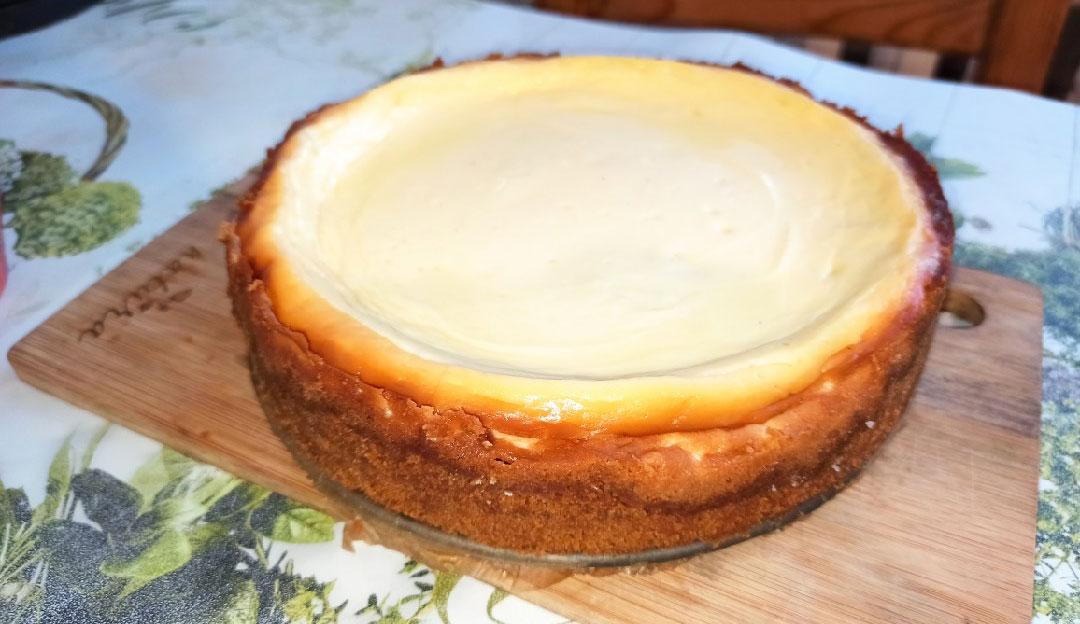
How to cool cheesecake properly?
- Make sure the sides don't stick to the baked goods in advance by choosing a silicone baking pan or greasing the inside (if using a classic metal pan).
- Don't poke the center of the cake to check if it's ready, it's not a sponge cake!
- Do not shake the hot cake too vigorously, as this may cause it to crack easily!
- Don't rush to remove the finished cheesecake from the oven. Simply turn off the heat and let the cake cool slowly, along with the oven.
- Don't rush to cut the dish; it may take several hours for the curd layer to fully stabilize.
Reason #5 – Recipe Features
Classic cheesecake uses low-moisture cheese and always includes eggs, which act as the primary binder for the curd layer. During baking, the egg whites bind the curd layer together, trapping air bubbles and preventing cracks.
Alternative recipes often replace some of the flour in the curd layer with starch. This creates a denser, more crack-resistant structure while maintaining the tenderness of the finished baked goods.
We previously talked about this, What can I use to replace soft Mascarpone cheese in this recipe?, and why replacement is not always possible.
How can a crack be repaired?
If your cheesecake cracks while baking, don't worry too much, as the situation is fixable. Experienced pastry chefs offer the following advice:
- You can smooth out small cracks with a hot knife. A wide, large knife is best for this purpose.
- Decorate the area where the top layer has cracked using berries or cookie crumbs.
- Cover the top of the cheesecake with a leveling cream (for example, kermesse).
How to Make No-Bake Cheesecake
An alternative to the classic recipe is to make cheesecake with various gelling agents. Recipes online include gelatin and agar agar. The latter is preferable, as the dish will retain a firm consistency at room temperature.
It is important to remember that:
- If the recipe calls for gelatin, the cheesecake should set in the refrigerator;
- It may take 12 to 24 hours for the gelatin to stabilize;
- When using agar-agar, take into account the gelling strength indicated in the recipe (can vary from 600 to 1200);
- The gelling properties of agar-agar are activated at a temperature of 85ºC (if the heating is not sufficient, the cheesecake will not set).
We invite you to share in the comments what challenges you've personally encountered while making a wide variety of cheesecakes and what solutions turned out to be optimal.