Cake board: what to use as a substitute and how to make your own

Content
A cake board is an important decoration element that should be durable and practical, yet still enhance (or at least not detract from) the appearance of the festive dessert. Today, you can find a wide variety of ideas online for replacing store-bought cake boards and making a sturdy base yourself. Let's take a closer look at the pros, cons, and features of using different materials.
What should the substrate be like?
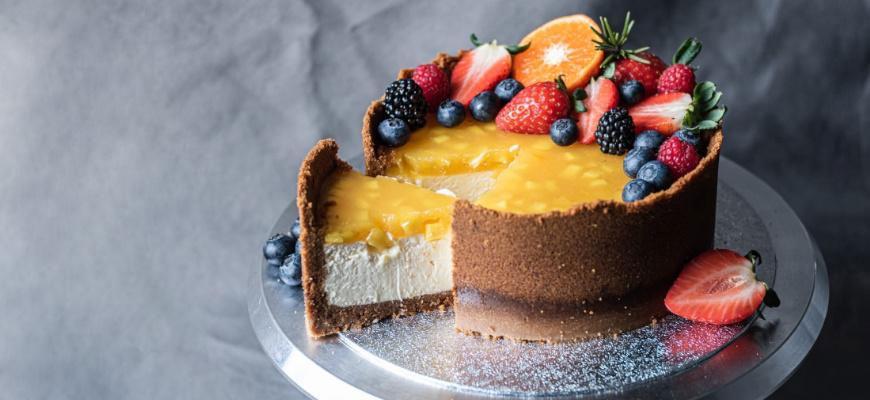
Whether your cake board is store-bought or homemade, it should meet the following criteria:
- safety – is a basic requirement, therefore, if the base is made of non-food material, an additional protective layer is required between the cake and the base;
- size – ideally, the base should extend beyond the edges of a round or rectangular cake by at least 2.5-3 cm;
- reliability – the base should not sag during transportation of the dessert (take into account the weight and size of the finished product);
- moisture resistance – when in contact with a soaked wet cake, the base should not become soggy;
- strength – when cutting the cake, the stand should protect the table from accidental damage.
You can find original cake stands made of plastic, wood, or a cellulose base with an aluminum coating. These serving utensils also come in a wide variety of designs, from simple circles, squares, or rectangles the same diameter as the dessert to rotating and multi-tiered models. Naturally, we'll be making our own substitute for the most inexpensive flat base (you can buy such a stand at a specialty store in any city, be it Moscow or Voronezh).
What can I use instead of a cake board?
So let's look at each of the materials that can be found at home in terms of the criteria described above.
Cardboard
| Pros | Cons |
| 1. safety (the material is non-toxic); 2. It is easy to cut the base to the required size or a backing of complex shape. | 1. not suitable for large diameter cakes; 2. becomes soggy when in contact with wet cake layers; 3. Not strong enough to protect the table. |
Typically, a cardboard cake stand is insulated from the main cake layer by an additional layer, which can be made using materials such as:
- foil;
- baking paper;
- parchment;
- cling film;
- self-adhesive film (moisture-resistant).
If you don't want the protective layer to be visible, cut it exactly to the size of the cake.
Cakes on a cardboard base are best placed on a tray or packed in a box for transport.
fiberboard
| Pros | Cons |
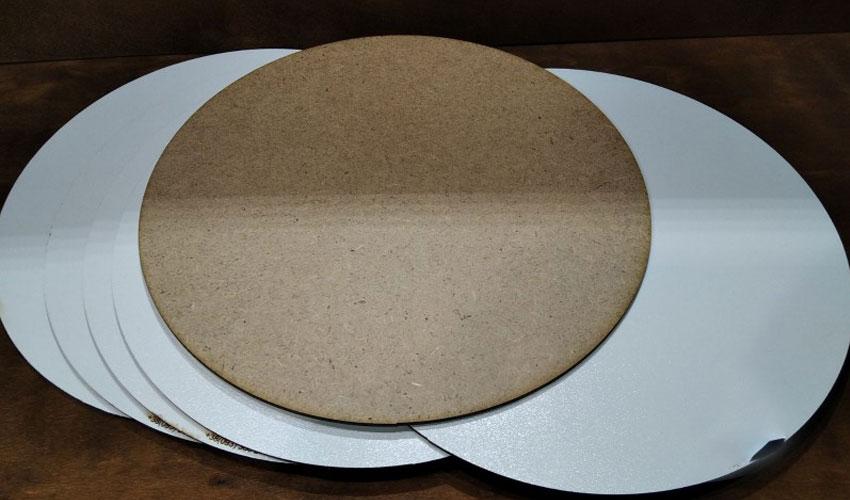
| 1. You can cut the backing into any shape; 2. the base is stronger than that made of cardboard; 3. Fiberboard will provide protection for the table. | 1. The glue that holds the fibers together is toxic; 2. The slab quickly becomes soggy when in contact with moisture. |
Plywood
| Pros | Cons |
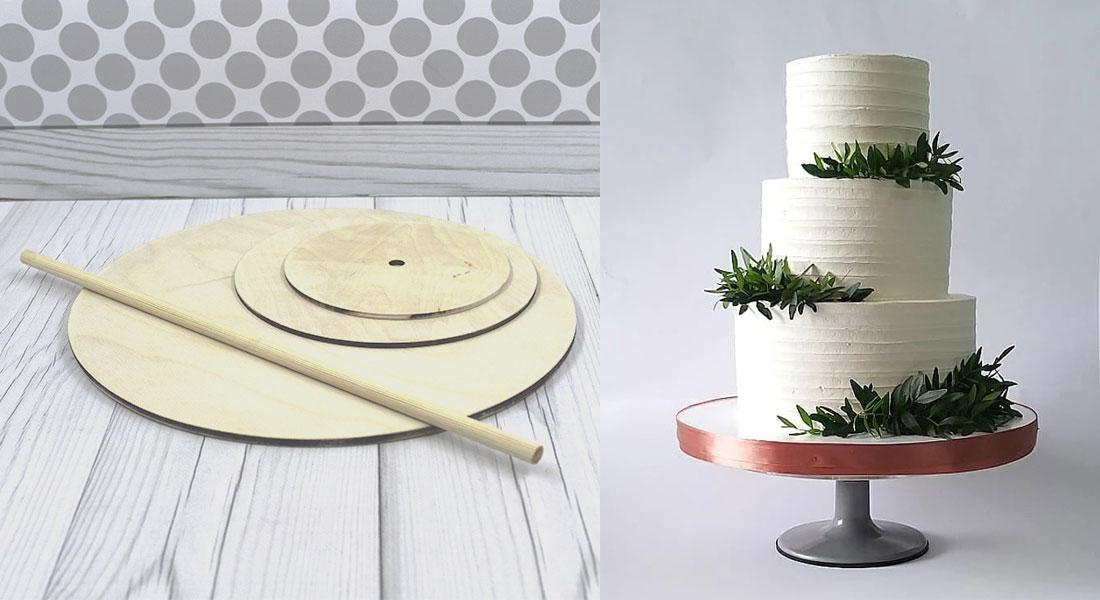
| 1. environmental friendliness; 2. strength; 3. reliability; 4. Can be reused. | 1. complexity of manufacturing. |
Styrofoam
| Pros | Cons |
| 1. You can do the basics of complex geometry; 2. Foam plastic is lightweight and does not become soggy; 3. You can additionally secure the cake with a skewer; 4. will protect the table (if covered with additional foil); 5. Suitable for the bottom tiers of wedding cakes, as well as for creating false tiers. | 1. the material must be isolated from the dessert; 2. The larger the diameter of the cake, the thicker the foam sheet should be, otherwise the base will simply burst when you try to lift the dessert. |
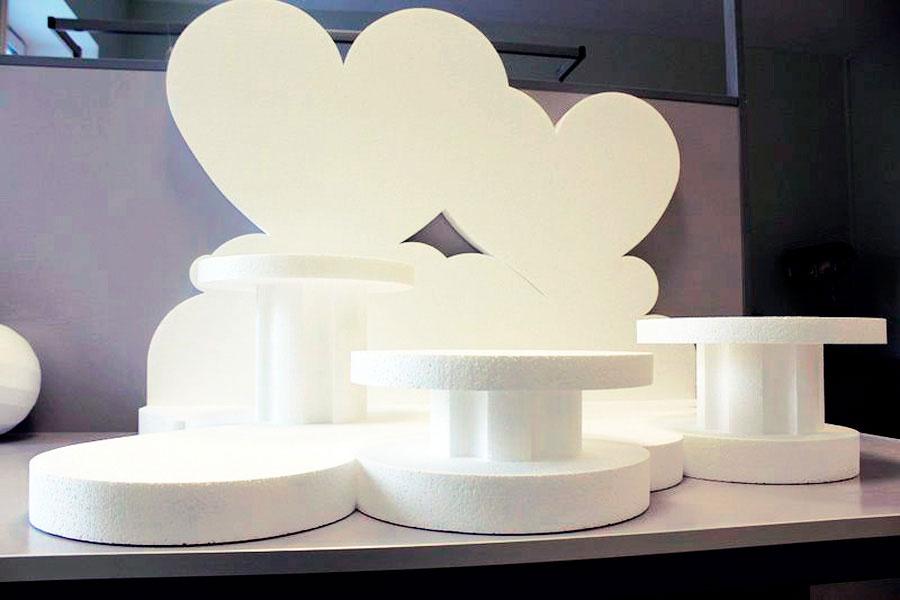
Alternatively, you can make the base from more durable polystyrene foam, but keep in mind that this material is also not food-grade, meaning it must be well insulated from the food product using foil to prevent harmful chemicals from leaching into the food.
Watch this video to learn how to make a reinforced cake board from regular foam:
Penoplex
| Pros | Cons |
| 1. ease of use and the ability to create a base of any size and shape; 2. light weight; 3. possibility of additional fixation of the cake; 4. Suitable for creating multi-tiered structures; 5. will protect the table when cutting the cake. | 1. Non-food grade material (coating required). |
We recommend taking a closer look at this useful material for every pastry chef. This video offers step-by-step instructions for making a reinforced foam base for a tiered cake:
What kind of base do you use to assemble your cakes (classic, complex, or tiered)? We invite you to share your experiences and leave useful information for budding pastry chefs in the comments.