How long can mastic be stored and how to store it properly?

Content
- 1 Types of mastic and expiration dates
- 2 Optimal storage conditions
- 3 Preparing the mastic for use
- 4 How to store fondant figures
- 5 Storing a cake with a fondant coating
- 6 Top questions about mastic
- 6.1 Is it necessary to store mastic in the refrigerator, or can it be stored at room temperature?
- 6.2 Can you freeze mastic?
- 6.3 How do you know if the mastic has disappeared?
- 6.4 How to roll out mastic?
- 6.5 How to achieve shine on mastic coating?
- 6.6 How quickly does mastic dry?
- 6.7 What to do if the mastic has cracked?
- 6.8 Is it possible to get poisoned by mastic?
Mastic is an easy-to-use confectionery material designed for decorating baked goods. Whether you're just starting out with store-bought mastic or planning to learn how to make your own, it's worth learning how long mastic lasts and how to properly store the finished confectionery mixture to preserve its properties.
Types of mastic and expiration dates
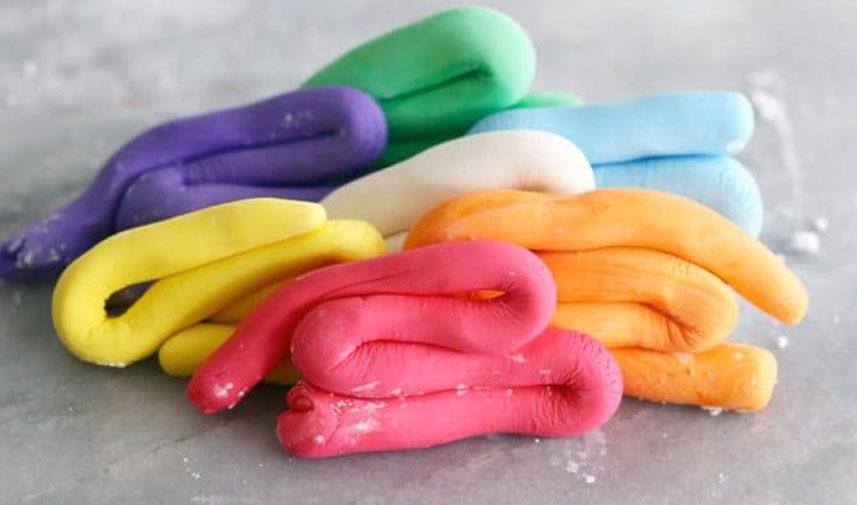
Depending on the ingredients included in the mass and the method of preparation, in confectionery, the following types of mastic are distinguished:
- sugar (used for covering cakes, making decorations and three-dimensional figures);
- gelatin-sugar (good for making small decorations, but not for covering cakes as it dries very quickly and can create a bumpy surface);
- dairy (universal in use, but has a slightly yellowish tint due to the condensed or dry milk included in the recipe, which can be eliminated by using dyes).
Different types of mastic differ not only in composition and scope of application, but also in shelf life:
| Type of mastic | best before date | where is it stored |
| Sugar (homemade) | 2-3 weeks | in the refrigerator |
| Sugar (store-bought) | 12-18 months* | in the refrigerator (at a temperature of up to +20…+25℃ before opening the package) |
| Gelatin-sugar | 2-3 weeks | in the refrigerator |
| Dairy | 1 week | in the refrigerator |
*in sealed packaging
Industrially produced sugar paste has the longest shelf life. Typically, this confectionery paste is sold in airtight packaging, preventing the access of air and bacteria.
Optimal storage conditions
Often, it's not just the storage time of fondant that matters, but also the conditions under which it's preserved. To prevent sugar paste from drying out or becoming stale, it must be stored properly, following these basic rules:
- sealed packaging (bag, cling film, sealed container);
- temperature regime +5…+7℃ (high air temperature accelerates the drying of the mass and also promotes the development of bacteria in the nutrient medium);
- humidity <75% (upon contact with water, the mastic melts and loses its physical and chemical properties).

Preparing the mastic for use
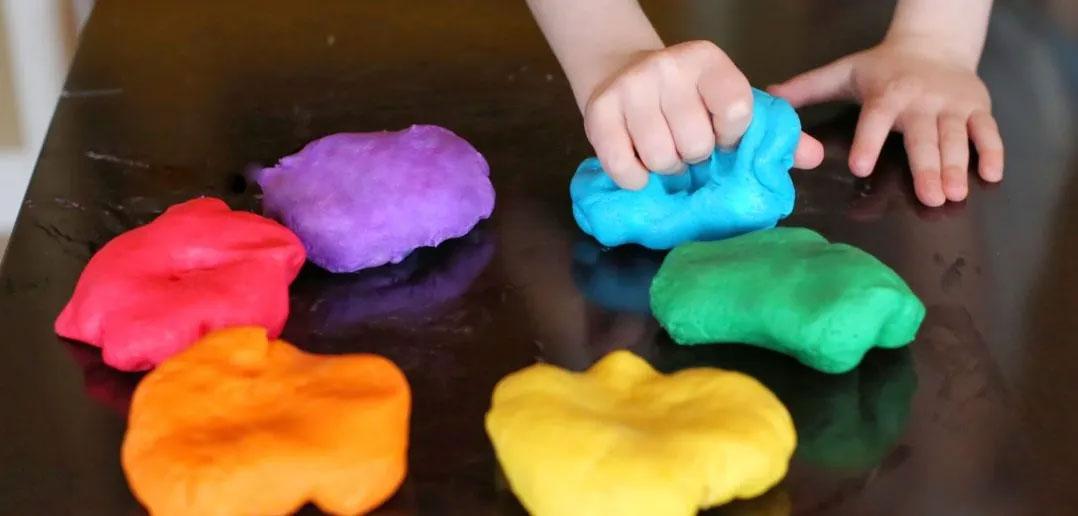
During long-term storage, the sugar mass may harden significantly and will need to be hardened before starting work. soften the masticYou can do this at home by placing the mastic in a sealed bag in warm water or by heating it in short bursts in the microwave.
For more information on how to prepare mastic for use, watch this video:
How to store fondant figures

The best option is to store the finished decorations in a sealed package in the refrigerator, and decorate the cakes shortly before delivery to the customer or serving.
Storing a cake with a fondant coating
To ensure your holiday cake delivers a vibrant flavor and a beautiful appearance, follow these guidelines:
- Shelf life of the finished cake calculated based on the ingredients included in the cream.
- The mastic layer, as well as pictures made from sugar or wafer paper, must be isolated with a special layer (most often, a layer of butter cream is used for this).
- It is better to decorate the cake with figurines before serving, rather than in advance.
- Mastic cakes are stored in the refrigerator and must be in airtight packaging.
- The cake should be removed from the refrigerator 20-30 minutes before serving, so that the dessert warms up and the mastic elements become softer.
Top questions about mastic
Can you freeze mastic?
You can, but it's best not to, as the mixture may lose its structure. After freezing, the fondant may tear and spread when rolled out. You can try making decorations with this mixture, but you definitely won't get a beautiful, smooth cake covering.
How do you know if the mastic has disappeared?
It can be said that the mastic is unsuitable for use if:
- the expiration date has expired;
- storage conditions were violated;
- the physical and chemical properties of the product have changed (the mastic crumbles and breaks when rolled out).
How to roll out mastic?
Roll out the mastic with a clean rolling pin, sprinkling the base with starch or powdered sugar.
How to achieve shine on mastic coating?
To give sugar paste a luxurious shine, it is coated with a honey-vodka solution using a soft brush (the composition is vodka and honey in equal proportions).
How quickly does mastic dry?
It all depends on the sugar dough recipe. The dough with added gelatin dries the fastest—in a few hours. Sugar dough dries for about a day and reaches its maximum hardness after a week.
What to do if the mastic has cracked?
Even knowing how to properly store fondant doesn't always preserve finished pieces perfectly. While drying, the fondant coating or finished figurines may crack. If the coating does crack, you can decorate the damaged area or cover it with a picture.
Is it possible to get poisoned by mastic?
The shelf life of any type of mastic significantly exceeds that of any cake cream, so in a stale confection or a dessert that has been stored improperly, it is the cream that poses the primary danger.
However, if stored for long periods of time under improper conditions, mastic products can also become a breeding ground for a number of dangerous bacteria. Therefore, when purchasing any confectionery product, especially during the hot summer months, it's essential to first check the manufacturing date and expiration dates.