How long does custard last?

Content
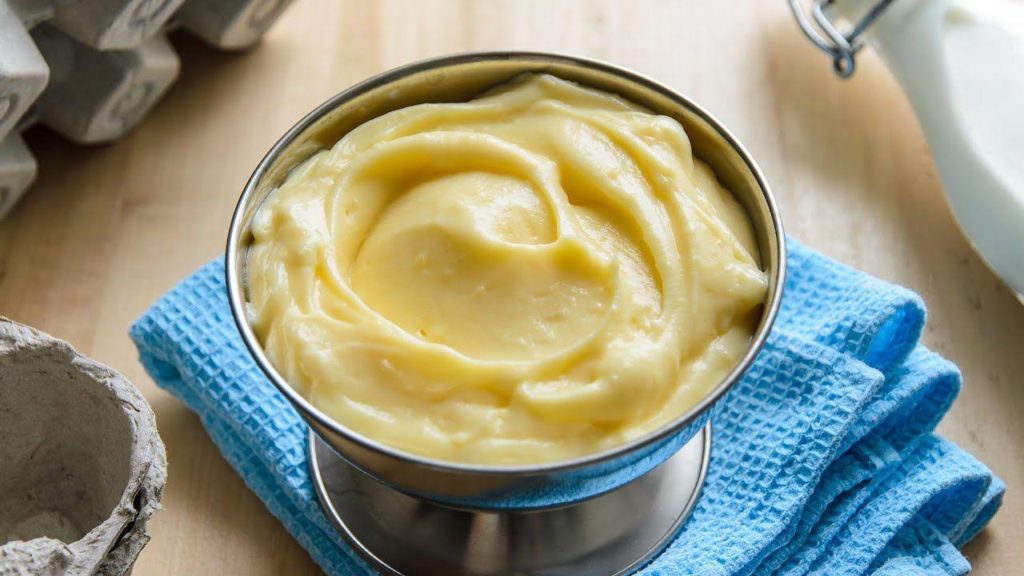
Custard is a cream made from milk, sugar, and thickening agents such as starch. Sometimes, confectioners use cream instead of milk, or egg yolks instead of eggs. Butter is also often added to the cooled custard to achieve a delicate flavor.
Custard is a truly delicious treat, popular among both professional pastry chefs and those who simply enjoy working with sweets in their own kitchens. This cream can be used as a complement to pancakes and syrniki for breakfast, and can also be used to assemble cakes. Custard has a soft texture, a smooth consistency, it's versatile yet simple, and its vanilla aftertaste often makes it irresistible.
This is one of the inexpensive pastry creams, since it does not contain cream; butter only enhances the flavor of the custard, and vanilla pods can be replaced with vanilla sugar (while, of course, taking into account the amount of regular sugar).
But despite its advantages, custard has a number of nuances that are important to consider when working with it. I suggest you familiarize yourself with them in more detail to avoid mistakes in the future.
How long and how can you store custard in the refrigerator?
Many home cooks have tried making custard at least once in their lives, whether for homemade desserts to delight themselves and loved ones, or for custom-made pastries. But unfortunately, few know how long custard can be stored in the refrigerator without compromising its consumption. Let me lay it all out there: the shelf life of custard is no more than 18 hours. After that, there's a risk of harming your health, the health of your family, and your customers.
Storing custard in the refrigerator requires certain rules. GOST stipulates a short shelf life for custard. According to standards, custard can remain fresh in the refrigerator at a temperature of 4 to 6 degrees Celsius for 12 to 24 hours. If the product does not contain butter, the custard can be stored for up to 72 hours.
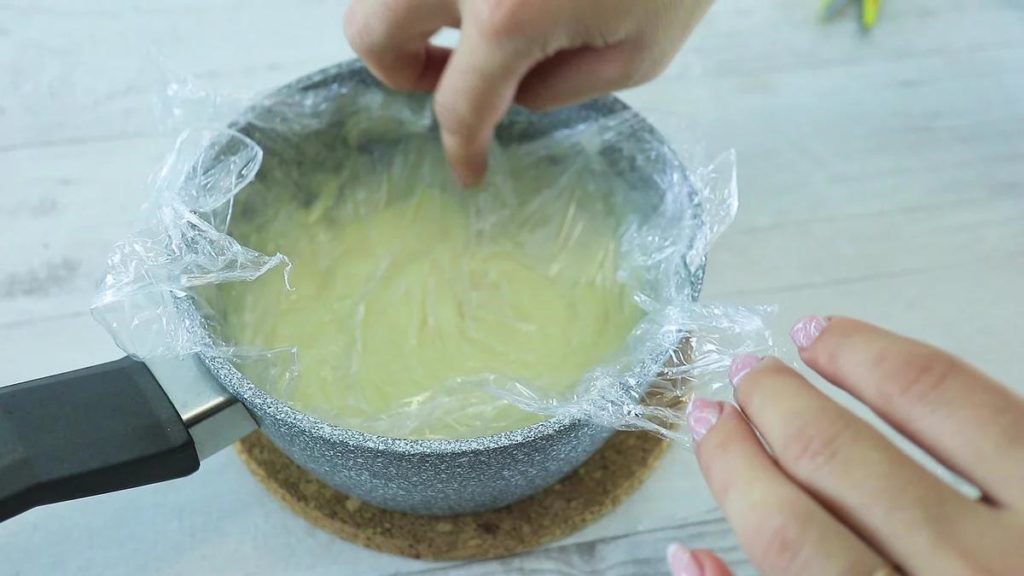
Store custard in the refrigerator in an airtight container—an enamel container with a lid, or cover the custard with cling film. I strongly advise against using metal containers for storing the custard in the refrigerator.
Freezing custard and storage conditions
But what if you've made too much custard, or you won't need it for another 2-3 days? Can you freeze custard?
My answer is yes! Custard can be frozen, but its shelf life in the freezer is no more than two months. However, there are certain rules for freezing custard, which I'll explain below.
It's important to remember that custard should be stored in the freezer in an airtight container to prevent it from absorbing odors. For best storage, cover the custard with plastic wrap beforehand. Here are a few more important freezing rules:
- If possible, do not delay the moment of freezing the custard;
- Before freezing, the product must be completely cooled to avoid the formation of condensation, which destroys the texture of the cream;
- It is necessary to remove all excess air from special freezer bags;
- The custard should be placed in the coldest part of the freezer to speed up the freezing process.
Fat-based creams and fillings always freeze better than protein-based products. Their major drawback is a loss of texture when defrosted, which is almost never the case with custards and butter creams. However, I would still say that freshly made cream is preferable to one that has been frozen and defrosted.
Rules for defrosting custard
Any product that contains dairy products cannot be re-frozen.
It's important to remember that custard is no exception to this rule and may change its texture when defrosted. To restore its original texture after freezing, stir the custard with a spoon, or, if the texture is too thick, use a mixer at low speed.
Below I have provided a few simple rules for properly defrosting custard:
- Remove the custard from the freezer the day before using it to allow it to defrost in the refrigerator;
- Do not defrost custard at room temperature;
- If you notice that the cream has separated from the custard while defrosting, you should blend it with an immersion blender until the product regains its original texture.
Following the simple storage rules above will allow your custard to last longer.
Shelf life of other creams
I can't help but tell you about the shelf life of other creams in the refrigerator, as there are also buttercreams, meringue creams, and other types of creams besides custard. In the table below, you can see the shelf life of creams that pastry chefs often use in their desserts.
| Name of the cream | Shelf life in the refrigerator |
| Sour cream, Chantilly cream | 16 hours |
| Curd, custard or butter cream | 6 p.m. |
| Yogurt cream, cream cheese based cream | 36 hours |
| Whipped protein cream | 72 hours |
| Butter cream | 120 hours |