7 Common Mistakes That Prevent Meringue Rolls from Turning Out Right

Content
- 1 Common mistakes when making meringue
- 2 What to do if something goes wrong...
- 2.1 The sugar didn't dissolve.
- 2.2 The protein does not rise
- 2.3 An eggy smell appeared
- 2.4 The meringue has separated
- 2.5 The crust didn't turn out crispy.
- 2.6 The meringue has darkened
- 2.7 Remained soft inside
- 2.8 Doesn't dry out in the oven
- 2.9 The color of the dye has faded
- 2.10 The meringue "began to cry"
- 2.11 The meringue roll is soaked
- 2.12 The meringue has become sticky.
- 3 How to make a meringue roll that will definitely turn out right
Meringue is a creamy mixture of egg whites and sugar dried in the oven. It can be used as a standalone dessert, a filling, a cake topper, or as a base for soufflés, sponge cakes, and mousse creams. Ideally, after drying in the oven, the meringue develops a crispy crust without losing its airiness. But not always. It only takes one mistake to ruin a meringue roll. To avoid this, I'll explain the common mistakes and how to create a high-quality meringue dessert the first time.
Common mistakes when making meringue
Beginner pastry chefs who lack experience making meringue rolls often make mistakes. To create a quality dessert, it's essential to strictly follow the recipe at every step and maintain all the necessary proportions. Meringue is a delicate pastry, so even a small mistake can ruin this delicate dessert.
Incorrectly selected tools
When whipping egg whites, it's best to use a hemispherical metal bowl rather than plastic. If you whip the ingredients in square bowls, sugar or egg whites may accumulate in the corners, causing the mixture to be uneven.
I also recommend thoroughly washing and drying any utensils and tools you'll be using to make the meringue. If necessary, you can degrease the surface by wiping it with a cloth soaked in lemon juice, rubbing alcohol, or vodka. You won't be able to achieve the desired airiness of the meringue mixture if even a drop of water or oil gets into the bowl.
Poor quality egg whites
To make high-quality meringue, use fresh eggs. They contain albumin, which is the basis for airy, stable foam. Eggs that aren't fresh whip significantly less easily.
However, eggs that are too fresh, i.e. straight from the chicken, are also not suitable. They should be left to rest for at least 4-5 hours, or preferably overnight or 24 hours.
Make sure the whites are completely clear when separating the yolk. The meringue mixture won't thicken if there's just a drop of yolk in the bowl. I recommend separating the whites into a separate bowl first, then pouring them into the whisking bowl.
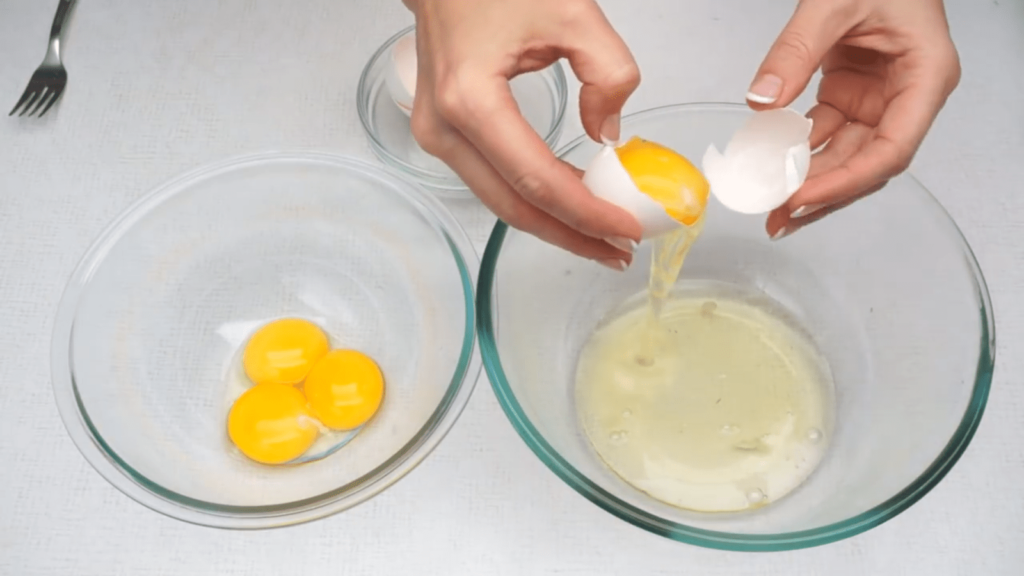
You should not use frozen eggs, as their liquid content increases.
Pay attention to sugar
To make a fluffy meringue, I recommend choosing your sugar carefully. Powdered sugar or fine granulated sugar are best. Large crystals may not fully dissolve in the mixture, creating a grainy texture and crunchy bite after baking. You can use a coffee grinder to grind the sugar.
Sugar is the basis of meringue; it should be twice as much as the egg whites. When whipped, air bubbles penetrate the sugar crystals, creating a fluffier and more stable foam. To enhance the effect, you can add a couple of drops of lemon juice or a pinch of fine salt.
Add the powdered or granulated sugar gradually, using a teaspoon. If you add all the sugar at once, it will settle to the bottom.
Incorrect whipping
Don't beat the egg whites at maximum speed, as foam is created by infusing the product with air bubbles, which should be evenly distributed throughout the mixture. If you beat the egg whites at high speed, the meringue will settle and become runny when piped. I recommend starting with the mixer on minimum speed, then switching to medium after a couple of minutes and beating for another 10-12 minutes. The time depends on the amount of egg whites.
If you want a fluffy, stable foam, don't use a blender. A mixer with whisk attachments will saturate the egg whites with oxygen. I also don't recommend over-whipping the mixture, as this will cause the meringue to separate and gradually settle. Once you've achieved the desired consistency, stop whisking.
Failure to comply with the prescription
There are 3 main ways to make the perfect meringue, each using egg whites and sugar, but combining them in different ways:
- Swiss. This involves combining the ingredients in a bowl and heating the mixture in a double boiler. It's important to ensure the whites don't overheat and curdle.
- French. This method of making meringue involves thoroughly whisking the egg whites and mixing the resulting mixture with sugar or powdered sugar. The second ingredient must be added gradually, otherwise the mixture will not become fluffy.
- Italian. This recipe calls for making syrup. To do this, dissolve granulated sugar in water and heat to 120°C. Don't stir the syrup to avoid creating bubbles. Then, carefully pour the cooled sweet liquid in a thin stream into the whipped egg whites, keeping the mixer running.
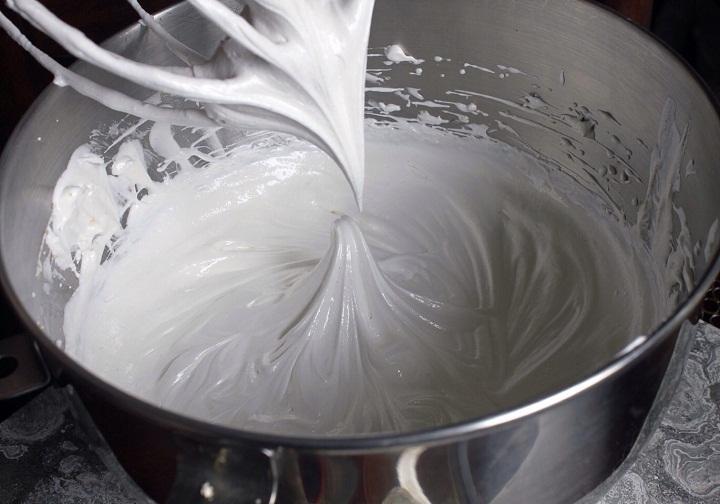
To make a quality meringue, I recommend following the recipe exactly and maintaining the proportions.
Violation of temperature regime
Meringues need to be dried, not baked, so keep an eye on the oven temperature, which shouldn't exceed 90-100°C. Pipe the meringues onto a baking sheet lined with parchment paper or a silicone mat. Preheat the oven well. If the temperature rises gradually, the meringues will collapse. Cooking time depends on the thickness of the dessert.
A sharp temperature change during cooling
While the meringue is drying, do not open the oven door. Even a slight draft can cause the meringue to settle. Once ready, leave the dessert on the baking sheet in the oven until it cools completely, with the heat turned off. If necessary, you can crack the door to prevent the meringue from drying out too much. I do not recommend refrigerating the meringue, as it does not like moisture and may become sticky.
What to do if something goes wrong...
In some cases, several factors can lead to an undesirable result. Below, we'll take a detailed look at the problems that can arise when making meringue and how to solve them. If you weren't able to create a perfect dessert the first time, analyze and correct all the mistakes, and you'll be sure to make a perfect meringue next time.
The sugar didn't dissolve.
If you're using a Swiss meringue recipe, the sugar crystals may not completely dissolve due to the low temperature of the water bath or improper mixing ratio. If you're making meringue using an Italian recipe, this can happen if you quickly pour the syrup into the egg whites and caramelized residue forms on the sides of the saucepan. When making French meringue, I recommend using powdered sugar or fine-grained sugar and adding it gradually to ensure it dissolves completely in the egg whites.
The protein does not rise
If you're struggling to achieve a fluffy foam when whipping egg whites, there were likely a few drops of oil, water, or egg yolk in the bowl. The egg whites may also fail to rise when using a regular whisk. When heating Swiss meringue in a double boiler, boiling water may enter the bowl. If the temperature was too high, the egg whites may curdle.
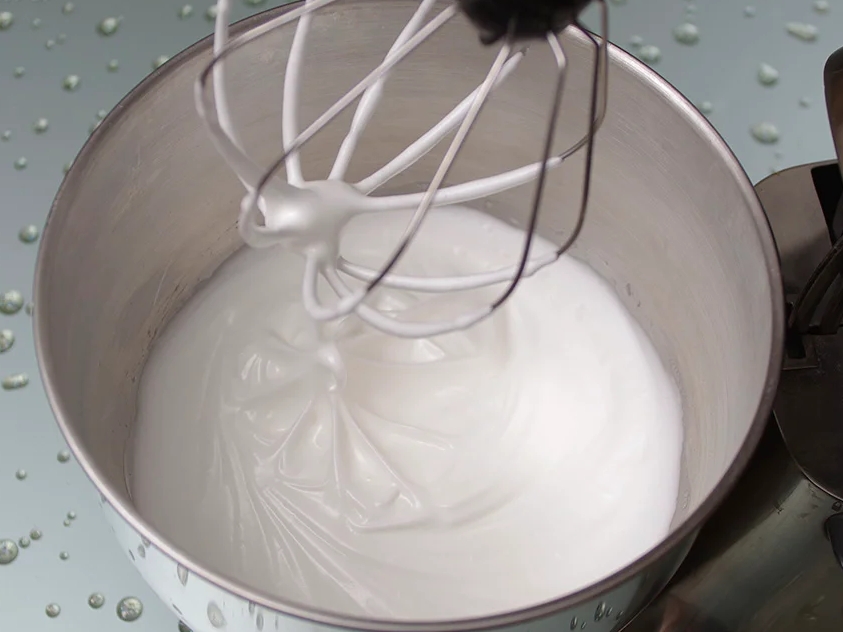
An eggy smell appeared
If you notice a strong eggy odor, add 2-3 drops of a high-quality flavoring to the egg white mixture at the last stage of whipping. This problem most often occurs with those using pasteurized egg whites and dry albumen. I recommend checking the egg odor beforehand by separating the whites into a separate bowl.
The meringue has separated
Meringue separation can occur due to under-beating or over-beating the egg whites. A stable foam will only form once the air is evenly distributed throughout the eggs and sugar. Therefore, the mixture should be beaten starting at minimum speed and gradually increasing to medium. Avoid using maximum speed.
The crust didn't turn out crispy.
If the meringue doesn't form a crispy crust after drying, extend the drying time. It's possible the meringue is too large and simply hasn't cooked through. It could also be due to insufficient sugar, which is what creates the desired crust. Therefore, always follow the recipe precisely, maintaining the correct proportions.
The meringue has darkened
Meringues can darken if baked at too high a temperature. Meringues should be dried, not baked. To do this, place the meringue in a well-heated oven and set the optimal temperature (90–100°C).
Remained soft inside
Most often, a meringue remains soft inside due to overheating. If you place the baking sheet in the oven at too high a temperature, the cake will quickly develop a crust but remain rubbery inside. In this case, I recommend monitoring the temperature, setting the optimal temperature. Another possible cause is under-whipped egg whites. Next time, increase the beating time until the mixture becomes airy and firm.
Doesn't dry out in the oven
If you notice that the meringue isn't setting, I recommend extending the baking time without opening the oven. Italian meringue stays sticky longer than French meringue, depending on the specifics of the recipe. This issue can also be caused by not adding enough sugar.
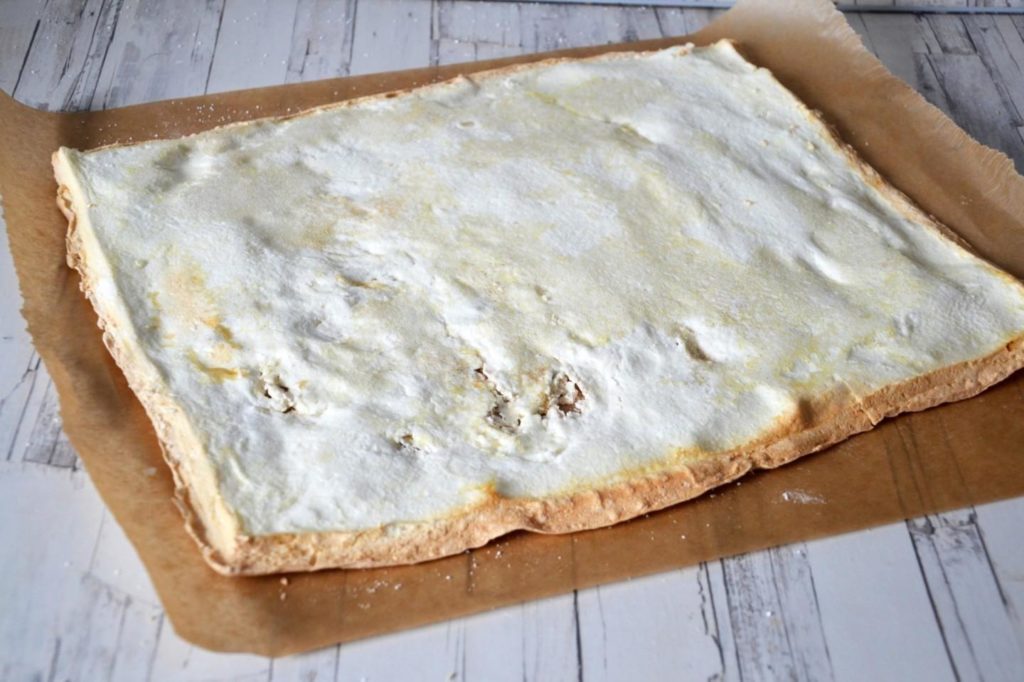
The color of the dye has faded
High-quality water-soluble food coloring always lightens by several shades when heated. Therefore, I recommend making the whites brighter than you want them to be. Add the coloring at the end of the whipping process. I also recommend checking the expiration dates of the additives.
The meringue "began to cry"
The meringue may "cry" because the sugar hasn't completely dissolved in the egg whites. When heated, the crystals begin to melt and flow to the surface. To prevent this, add granulated sugar in small portions. Use warm egg whites; they whip better and produce a more stable foam. I recommend using powdered sugar, as this will ensure the sugar dissolves into the meringue.
The meringue roll is soaked
Meringue rolls will settle and become soggy if they come into contact with a damp surface or condensation. This can also happen if the decorations are wet. To avoid this, use completely dry decorations. For protection, I recommend using a confectionery varnish, which creates a special moisture-repellent film.
The meringue has become sticky.
Meringue stickiness is caused by high humidity. I recommend handling the dessert with dry hands. It can become sticky due to insufficient sugar, which makes the meringue more stable. If you remove the meringue too early, it may be sticky and without a crisp crust. In this case, return it to the oven.
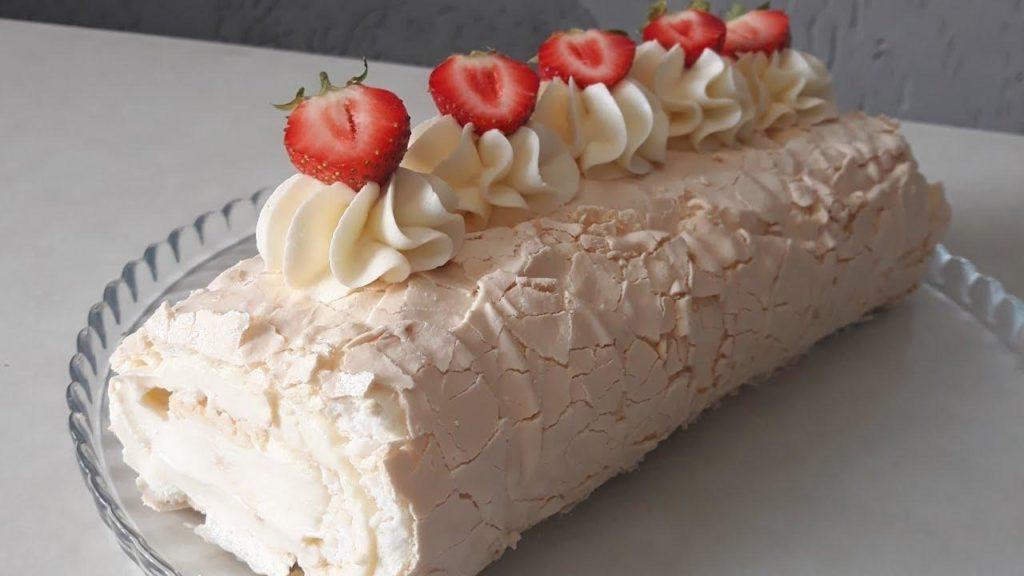
How to make a meringue roll that will definitely turn out right
To make a high-quality, flawless meringue roll, you need to maintain the correct proportions and consider all the subtleties of whipping, drying, and decorating the dessert. This video shows you the step-by-step process for making the perfect meringue roll.
Meringue is a very delicate and fickle dessert. This dessert can collapse when drying, remain soft inside, become sticky, or melt after cooking. If you encounter any problems, I recommend keeping this in mind for future reference and making the meringue again, strictly following the recipe to avoid any potential mistakes.