All about freezing and storing mousse cakes

Content
Today, mousse cake is an undisputed trend and a top seller in recent years. Given the high demand, almost every bakery produces this culinary masterpiece, inventing intricate color and flavor combinations to distinguish their products from the competition.
In this article, I'll discuss the nuances to consider when storing mousse desserts, whether they can be frozen, and the conditions to follow when placing them in the freezer. At the end of the article, I'll answer the most frequently asked questions about mousse cakes.
Chocolate mayonnaise
France is rightfully considered the birthplace of chocolate mousse. In 1900, the painter Henri de Toulouse-Lautrec, inspired by the full skirts of a dancer at the famous Parisian cabaret Moulin Rouge, decided to combine whipped egg whites and chocolate in his kitchen. The resulting product was subsequently given the temporary name "mayonnaise de chocolat." Thus, the young artist, with a passion for culinary experimentation, made a significant contribution to the development of French pastry art.
On April 3, confectioners around the world celebrate Chocolate Mousse Day. This year marks the 121st anniversary of the invention of "chocolate mayonnaise," which later became the basis for one of the most popular and sought-after desserts worldwide—mousse cake.
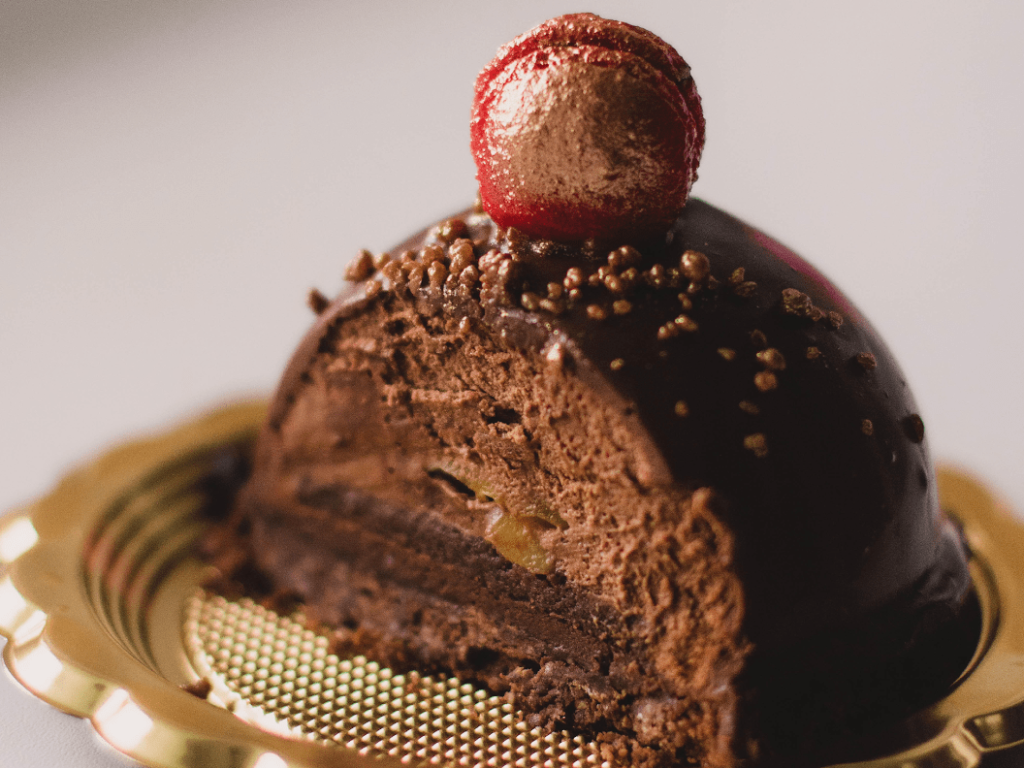
The technology for making a mousse dessert involves the step-by-step creation and combination of all the components of this complex dessert into a single product: the base (sponge cake), the filling (confit, coulis, compote, depending on your imagination), the mousse, and the coating (this could be a delicate velvet or a bright, mirror-like glaze. Or perhaps a combination of glaze and velvet? The decision is yours!
Each stage is an integral part of the process. Therefore, the quality of the finished dessert depends on how responsibly we approach the process, not neglecting important details.
Can you freeze mousse cakes?
The freezing process is one of the steps in the preparation of mousse desserts. It largely determines the final result.
Freeze the mold with the mixture, covered well with cling film, for at least 8 hours, until the delicate mousse has completely stabilized.
Before placing the product in the freezer, I recommend making sure that the relative humidity and temperature conditions in the freezer are maintained.
The humidity level in the freezer is monitored using a special device called a hygrometer. Depending on the type of baked goods, it's important to maintain the humidity within acceptable limits.
You can measure the exact temperature using an outdoor thermometer, leaving it in the freezer for 12 hours, and then, if necessary, adjust the temperature on the freezer display.
How to store mousse cakes?
The safety of the foods we eat depends not only on temperature control and expiration dates, but also on proper storage and transportation of finished products. According to sanitary regulations, storing products from different product groups together is unacceptable.
To achieve maximum quality of confectionery products, including mousse desserts, they must be stored separately from meat, fish, delicatessen, and dairy products.
- In the refrigerator
According to standards, the shelf life of mousse cakes in a closed container in the refrigerator is up to 72 hours, the temperature should not exceed +6`C
- In the freezer
The shelf life of a mousse cake in the freezer depends on maintaining the correct temperature (-18°C) and ensuring the dessert is packaged airtight (container or film). Under these conditions, a mousse cake can be stored in the freezer for up to 1.5 months.
Thus, mousse desserts can be prepared in advance, which is very convenient on the eve of a large celebration or in production.
Answers to the most frequently asked questions about mousse desserts
I'll answer the most frequently asked questions about the process of creating, storing, and transporting mousse desserts:
Is it necessary to freeze mousse desserts?
- When it comes to pre-preparation, freezing is an integral part of the process of making mousse cake or pastries.
Frozen preparations can be stored in film in the freezer for up to 3 months.
Can you refreeze ready-made mousse cakes?
- Refreezing covered with velor or glazing of finished mousse products is contraindicated.
Can gelatin be replaced with agar-agar or pectin?
- When making mousse and mousse-based products, high-quality gelatin with a bloom strength of at least 200 is essential, as we strive for a specific texture. Agar-agar cannot be frozen and is only suitable for making piña leche, marshmallows, and marshmallows. Pectin is a thickening agent suitable for some mousse and sponge cake fillings.
Why, when mixing gelatin into mousse, does the mousse become uneven and lumps appear?
- This happens due to the temperature change. First, combine the melted gelatin with a small amount of whipped cream in a separate bowl, then pour it into the mixture.
Why does mousse leak after defrosting?
- There could be several reasons for this:
- Poor quality raw materials: pay attention to the quality of cream and gelatin
- Violation of cooking technology and recipe
- The temperature regime was not observed correctly
How to properly transport mousse cakes?
It's best to transport mousse cakes frozen over long distances to avoid the risk of leakage. Before serving There is no need to keep the mousse cake in the freezer., it must be defrosted in the refrigerator for several hours.
Like many other confectionery inventions, the mousse cake is a source of pride for the French, thanks to its unusual history and taste:
The light and airy mousse combined with the delicate, aromatic filling will impress even the most discerning gourmet.
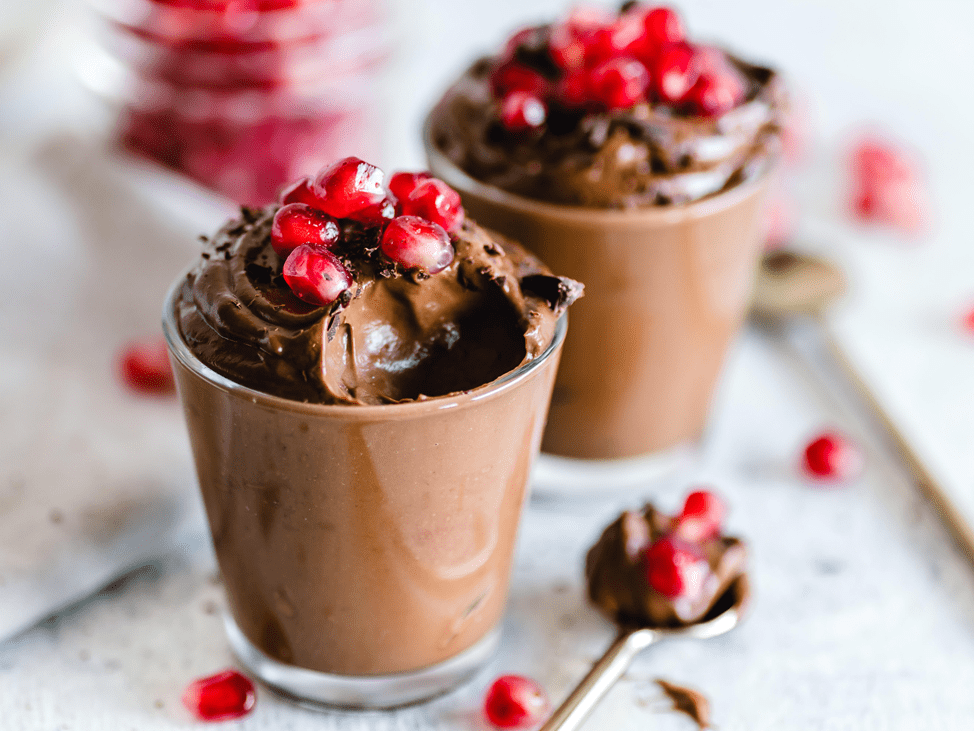
Below I share with you the recipe for the very same chocolate mousse invented by Henri de Toulouse-Lautrec:
The recipe for that very chocolate mousse
- 150 g dark chocolate
- 25 g butter
- 30 g of sugar
- 4 eggs
Melt the chocolate in a double boiler. Separate the yolks from the whites. Beat the yolks with sugar until the mixture turns white. Combine the melted chocolate with room-temperature butter and add the yolks beaten with sugar. Gently fold with a silicone spatula. Beat the whites until soft peaks form and add them to the chocolate mixture in small portions, gently folding from top to bottom. Divide the mixture among small molds and refrigerate for at least 4 hours to set.