What can I use instead of yeast for dough?

Content
When experimenting with baking and adapting various recipes found online, home cooks often wonder what can replace yeast to create fluffy, airy dough. In this article, we'll explain how traditional and dry yeast work, and suggest alternatives for bread, buns and rolls, pancakes and fritters, donuts, and pizza and pie dough.
How does live yeast work?
It is these gas bubbles that are responsible for the rising effect of the dough, creating the fluffy, porous texture that we are used to seeing in bread, buns, and other yeast-based baked goods.
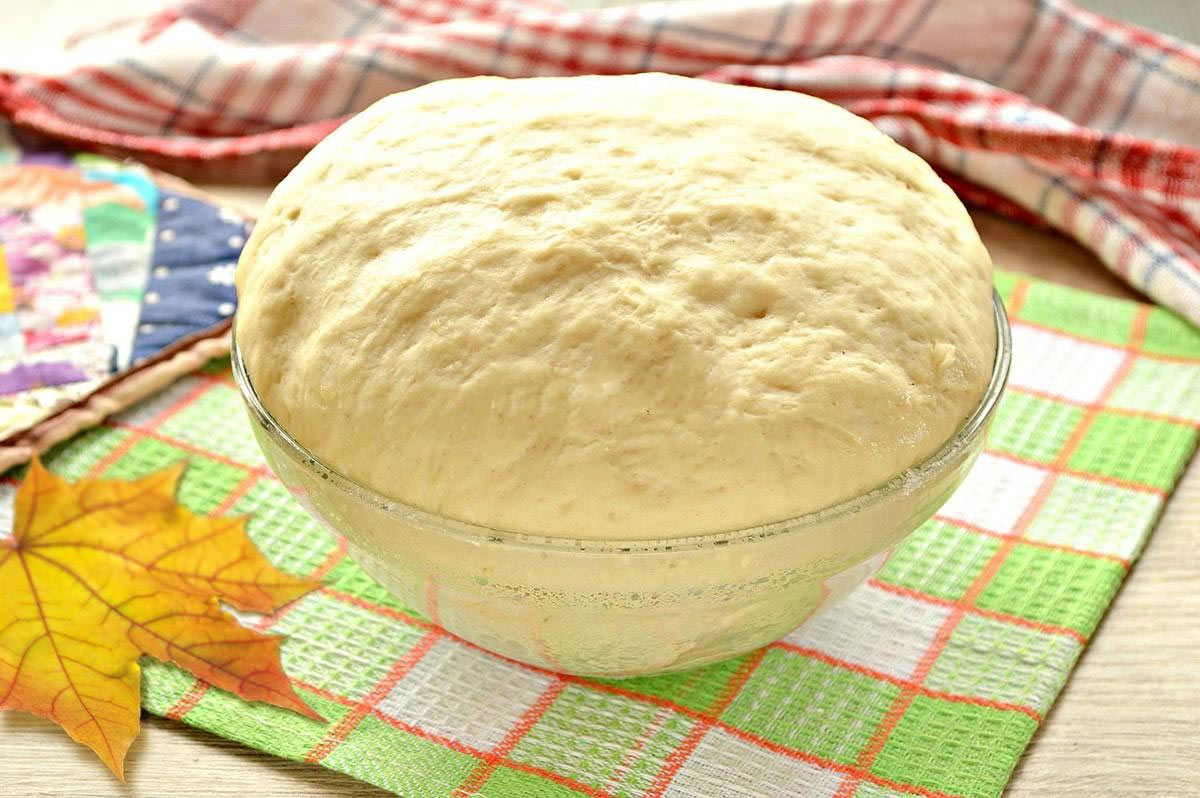
Classic compressed yeast is usually sold in 100-gram briquettes, but to obtain the correct yeast dough, the proportions must be maintained: for 1 kg of flour, the recipe calls for 30-60 grams of "live" yeast.
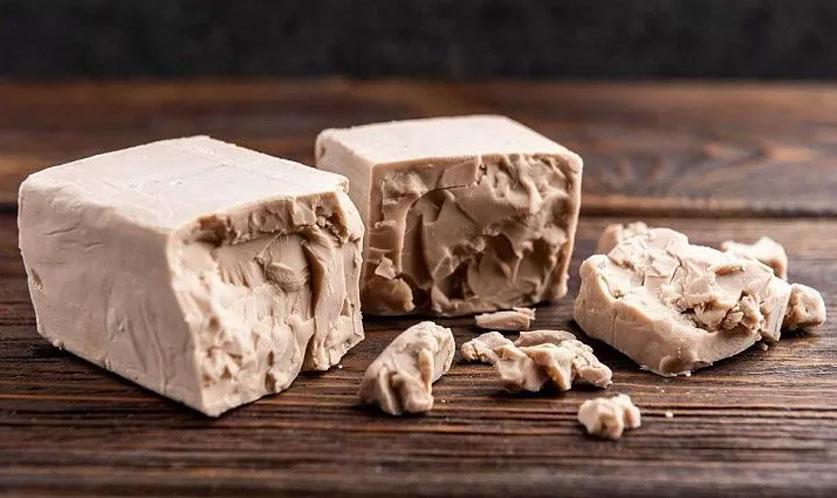
Making yeast baked goods seems like a daunting task for many, as "live" yeast can't simply be added to the dough while kneading it; it must first be activated by creating a "dough starter." Preparing the yeast "dough starter" initiates the process of active sugar conversion and carbon dioxide release. After adding the "dough starter" to the dough, it begins to mature, which is what creates the characteristic pores of bread.
How to replace over-dried yeast in dough
When discussing how to replace "live" yeast for dough at home, we will analyze in detail each possible substitute, the specifics of its use, its areas of application, and the results it can achieve.
Dry yeast
The only alternative to “live” (over-dried) yeast, when it comes to classic yeast baking, is the so-called “dry” yeast.
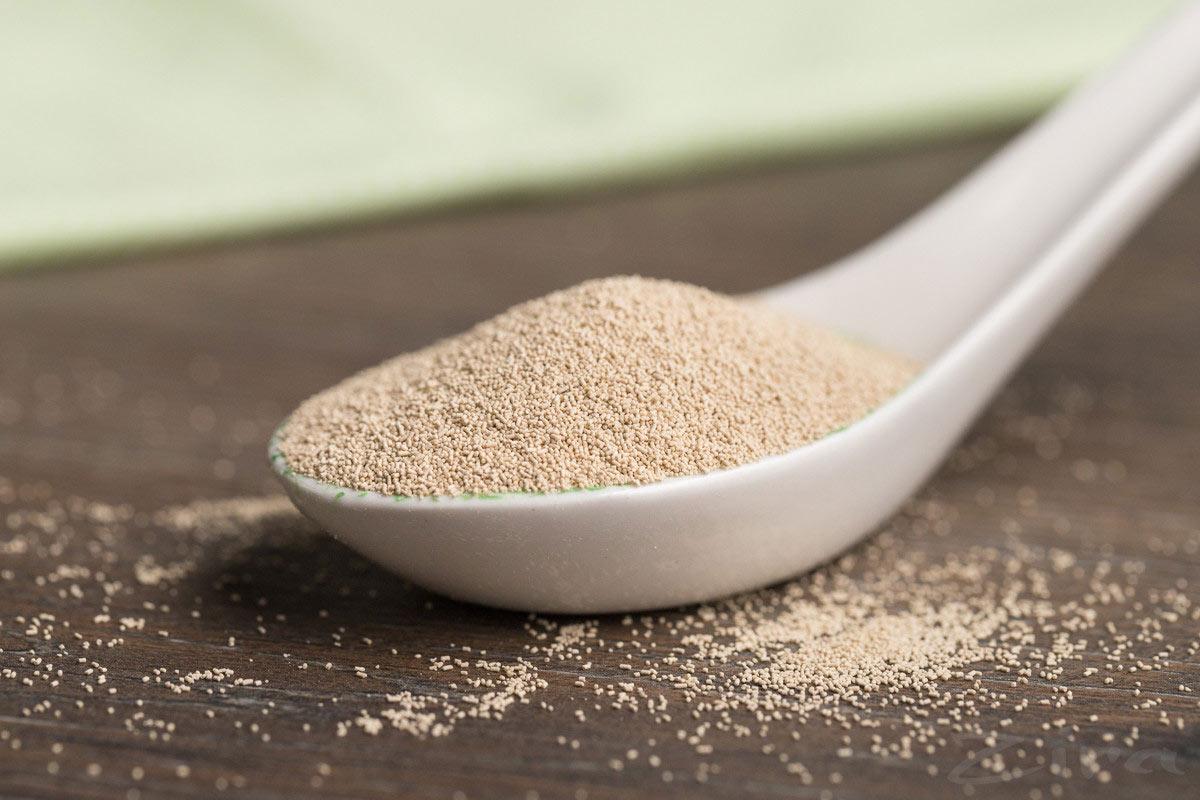
Traditional dry yeast They are obtained by drying pure yeast culture to 8-10%, which significantly reduces activity. Therefore, they need to be added to the dough in twice the amount as pressed yeast. Using this ingredient, it is also necessary to prepare a "dough."
Instant yeast They are obtained by growing special strains under special conditions, which allows maintaining the high efficiency of the mushrooms.
Peculiarities:
- such yeast remains active for 2-4 days after opening the package;
- optimal dosage is from 8 to 12 grams per 1 kg of flour;
- It can be used without preparing a “dough” (yeast is added to the flour).
It is because of feature #3 that all baking recipes intended for baking in a bread machine contain “highly active dry yeast.”
Leaven
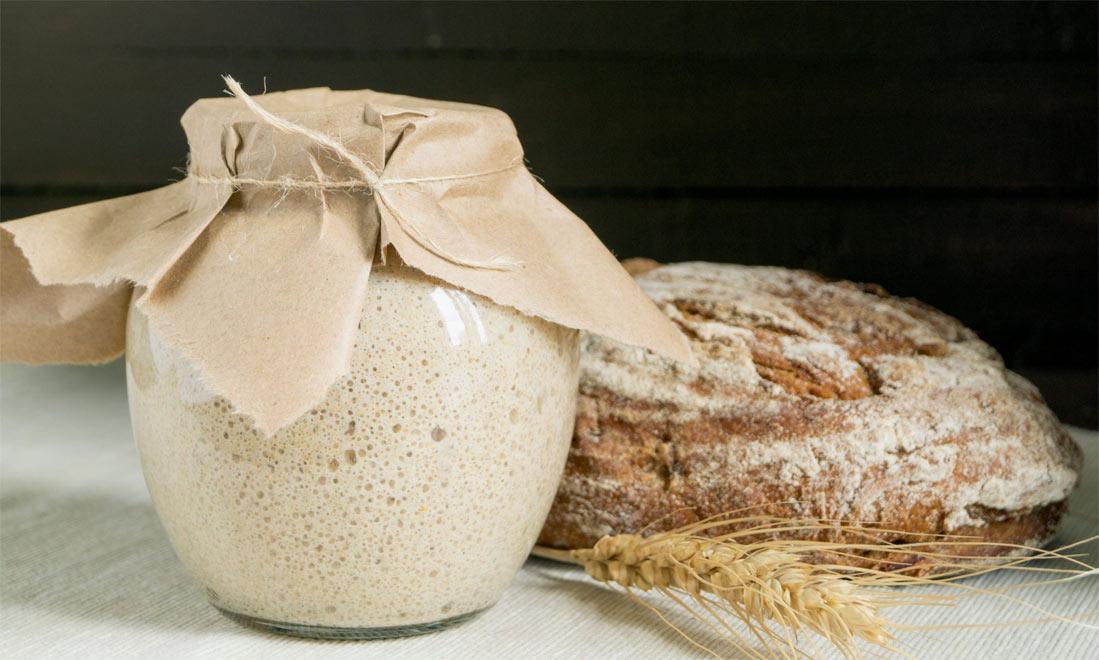
As a rule, all options can be divided into three main groups:
- wheat sourdoughs;
- rye sourdough (suitable for those looking for gluten-free recipes);
- combined (contain both wheat and rye flour).
The use of sourdough bread has become incredibly popular in recent years, as such baked goods contain much less phytic acid and are more easily digested by the human gastrointestinal tract.
The only downside is the lengthy process of preparing the starter itself, which takes about 3 days.
For more information on how to make sourdough starter for bread, watch this video:
Soda + acids
As a quencher for soda you can use:
- vinegar (classic table vinegar or alternative options: apple, wine, rice, balsamic);
- fermented milk products: kefir, yogurt, sour cream, yogurt without fillers;
- natural honey;
- lemon juice;
- citric acid;
- cream of tartar.
The main advantage of baking soda dough is its ease of preparation, as the process does not require a preliminary activation step, as when working with yeast.
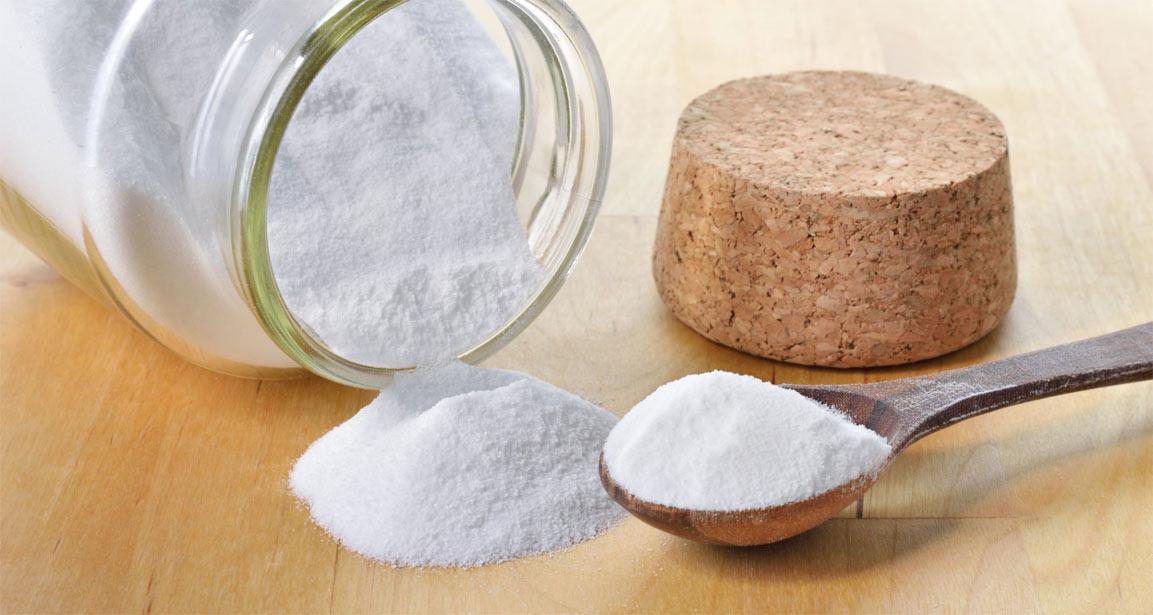
It's important to understand, however, that baking soda won't produce the fluffy, airy dough that traditional yeast doughs do. The reaction between baking soda and vinegar or any other acidic ingredient produces a vigorous, but short-lived, gas bubble formation. The reaction also continues at high temperatures, but not as intensely as in yeast dough. Therefore, baking soda can be used in pizza crusts, pie crusts, biscuits, or pancakes, but it's not suitable for baking bread or buns.
If you're looking for a substitute for dry or regular yeast and want to try a recipe using slaked soda, stick to these proportions:
| Acidic component | Quantity acids | Quantity soda | Application (how to add to dough) |
| Vinegar | 1 tsp | 1 tsp | 1. Dissolve the baking soda in vinegar before adding it to the dough. 2. Add the baking soda to the flour, the vinegar to the water or milk, and knead the dough. |
| Kefir, curdled milk | 500 ml | 1 tsp | Mix the soda with flour and knead the dough with kefir or yogurt. |
| Sour cream, yogurt | 250 g | 1 tsp | Mix the baking soda with flour and knead the dough with yogurt or sour cream. |
| Lemon juice | 1 tsp | 1 tsp | 1. Dissolve the baking soda in lemon juice before adding it to the dough. 2. Add the baking soda to the flour, the lemon juice to the water, and knead the dough. |
| Citric acid | 1 tsp | 1 tsp | Soda and citric acid are added to dry flour. |
| Cream of tartar | 1 tsp | 1 tsp | Soda and cream of tartar are added to dry flour. |
| Honey | by prescription | 1 tsp | The honey must be melted and added to the liquid base, and the baking soda to the flour, and the dough must be kneaded. The reaction occurs at temperatures above 60°C. |
Baking powder
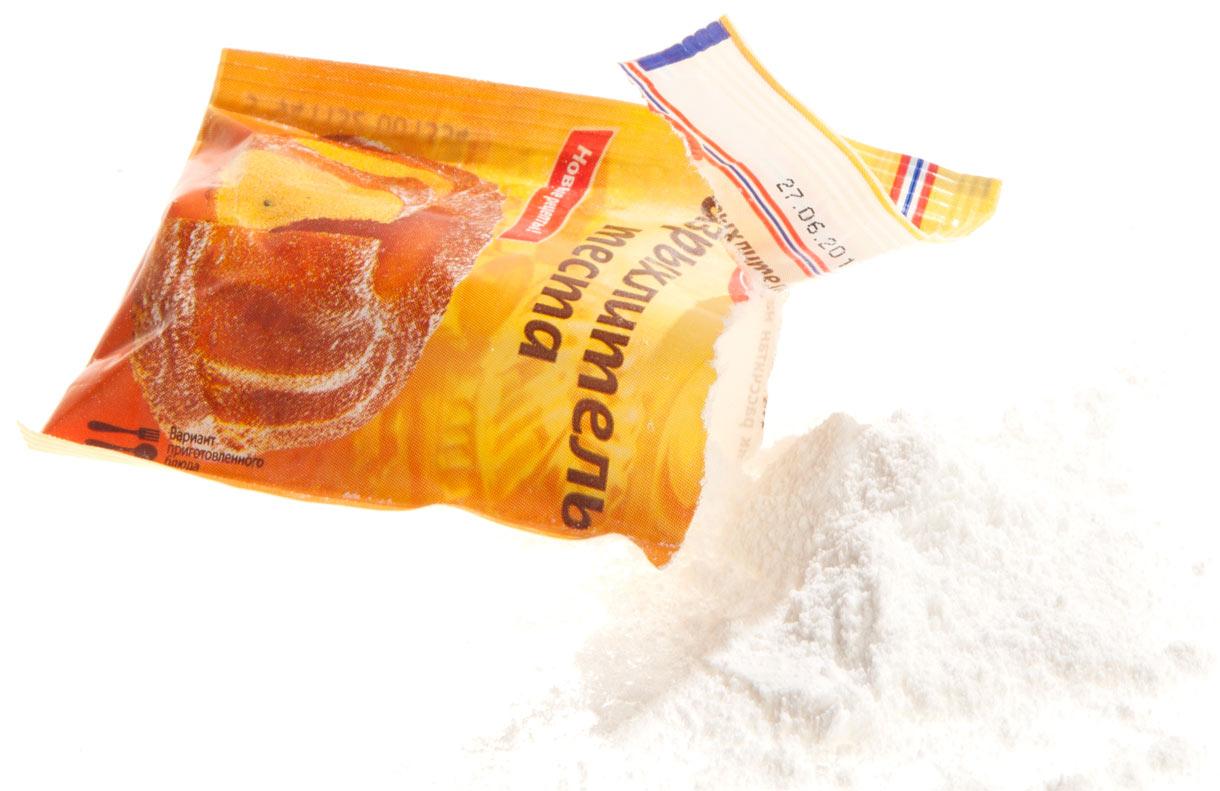
Baking powder works in the same way as regular baking soda and citric acid. It should be added to dry flour, as the reaction between the acid and alkali begins immediately upon contact with moisture.
Many modern recipes use baking powder instead of soda, but in fact, you can replace this ingredient with almost any combination from the table above, taking into account the specifics of the dough recipe.
Tips from chefs
When planning to use a substitute for yeast in a recipe, keep in mind that the result will not always meet your expectations.
- In the recipe for bread and buns, live (fresh, pressed) yeast can be replaced with dry yeast or sourdough.
- pancakes, pies, and cake layers can be baked with soda or baking powder;
- It's best not to change the recipe for bread machines, as all ingredients are calculated based on the specific features of the specific device.