What can replace sugar in baking?

Content
Just beginning to explore the diversity of modern cooking, home cooks often wonder what can replace sugar in baked goods and healthy recipes. In this article, we'll explain the role of natural sugar, what sugar substitutes exist, and whether it's possible to substitute one product for another without significantly compromising the flavor and texture of the finished dish.
Sugar and its properties
Everyone knows that sugar can quickly give the body a boost of energy, activate brain activity, and stimulate the production of the joy hormone.
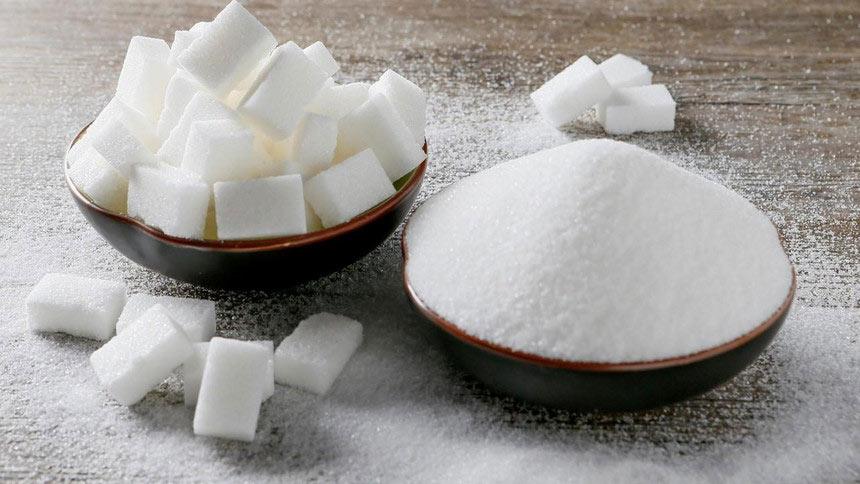
It's worth considering what you can replace sugar with in your favorite recipes:
- when switching to PP (proper nutrition involves the use of natural substitutes);
- when losing weight (There is no point in going on any diet unless you also reduce your sugar intake);
- with diabetes mellitus (There are special sweeteners for diabetics that do not cause blood glucose spikes.)

Before deciding how to replace sugar in baked goods, it's important to understand the role this ingredient plays in a particular recipe (besides giving the dish its characteristic sweet taste):
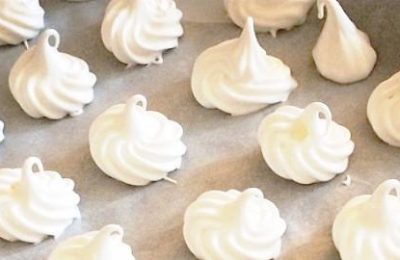
- in confectionery based on whipped egg whites (for example, biscuit or meringue), the ingredient ensures whipping to elastic peaks and obtaining a dense, long-lasting mass;
- in yeast baked goods sugar is a nutrient medium for yeast and is also responsible for the formation of a golden brown crust;
- in other types of baking, Using a sugar substitute also won't give you a crispy, golden brown crust.
Experienced cooks know quite a few options for replacing sugar in baked goods and desserts, both commercially and at home. We suggest taking a closer look at which sugar substitutes can be used in baking, and which are only suitable as sweeteners for drinks and desserts.
Coconut sugar
Coconut sugar is produced from the inflorescences of the coconut palm. It looks significantly different from the white sugar we're used to, with a rich, dark hue. However, the product lacks the characteristic coconut flavor.
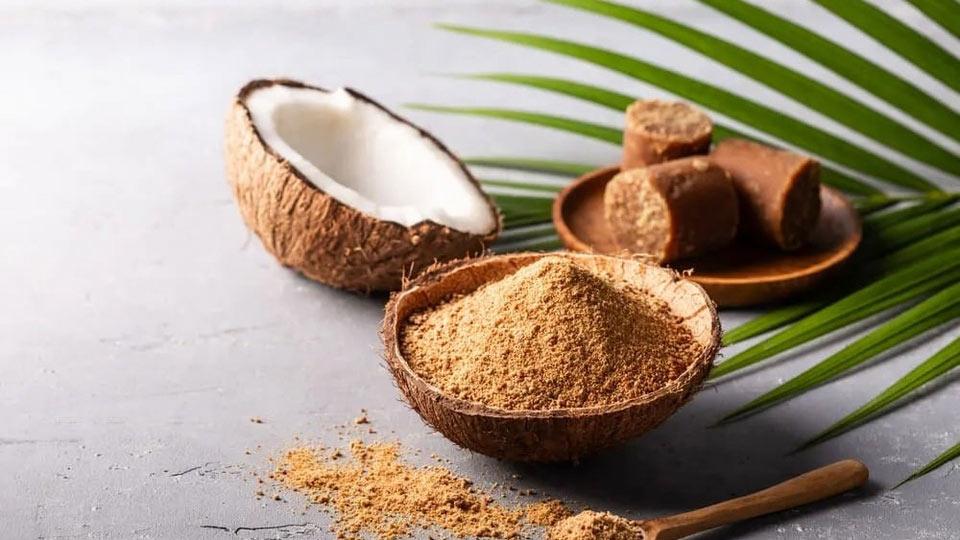
Moreover, the product can replace sugar, and if ground, then powdered sugar, in many recipes, which is why it is widely used in cooking today.
Natural syrups
Natural syrups include sweeteners obtained from:
- maple sap;
- dates;
- Jerusalem artichoke;
- agave;
- mulberries;
- chicory;
- carob fruits.
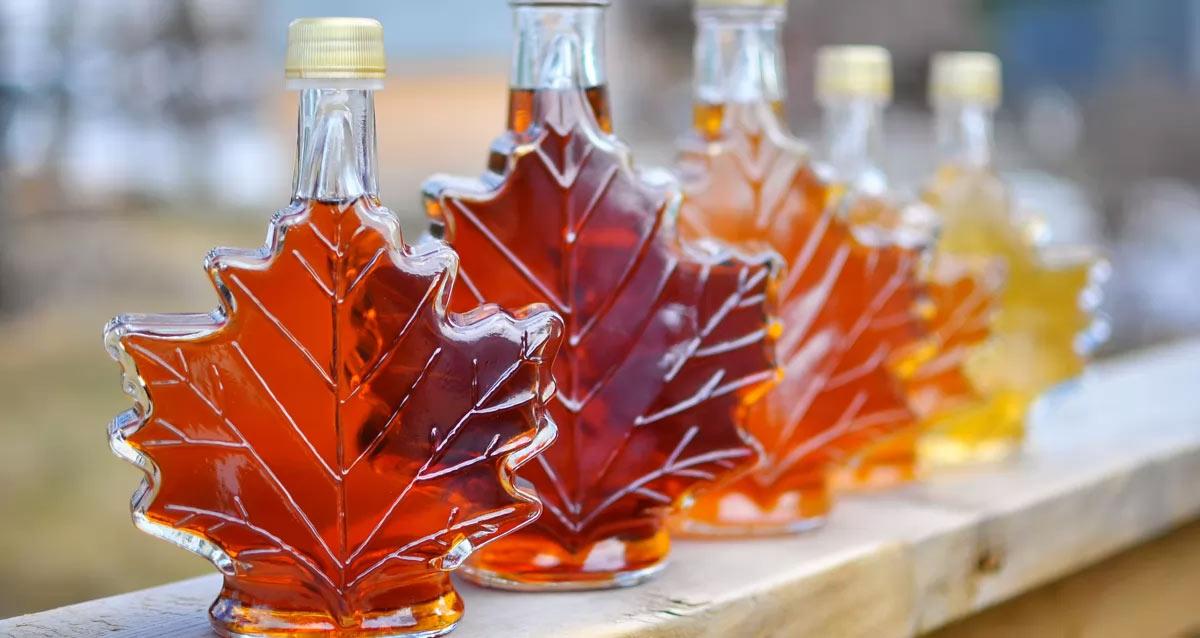
These sweeteners can be safely added to baked goods and various desserts, and used in cake frosting. Moreover, using natural syrup is better than using store-bought pure fructose.
Natural honey
One of the most popular questions among beginning cooks is whether it is possible to replace sugar with honey, since this product is natural and even sweeter.
It is important to take into account a number of nuances:
- If the producer fed the bees with sugar, then such honey is not the best substitute;
- honey is significantly sweeter (less volume is needed);
- the consistency of honey requires adjustment of the amount of liquid component in the recipe;
- honey cannot be heated above 60℃, as it loses all its beneficial properties and becomes carcinogenic (harmful to health);
- Honey is very high in calories (100 grams contains 304 kcal), so replacing it is not advisable when losing weight;
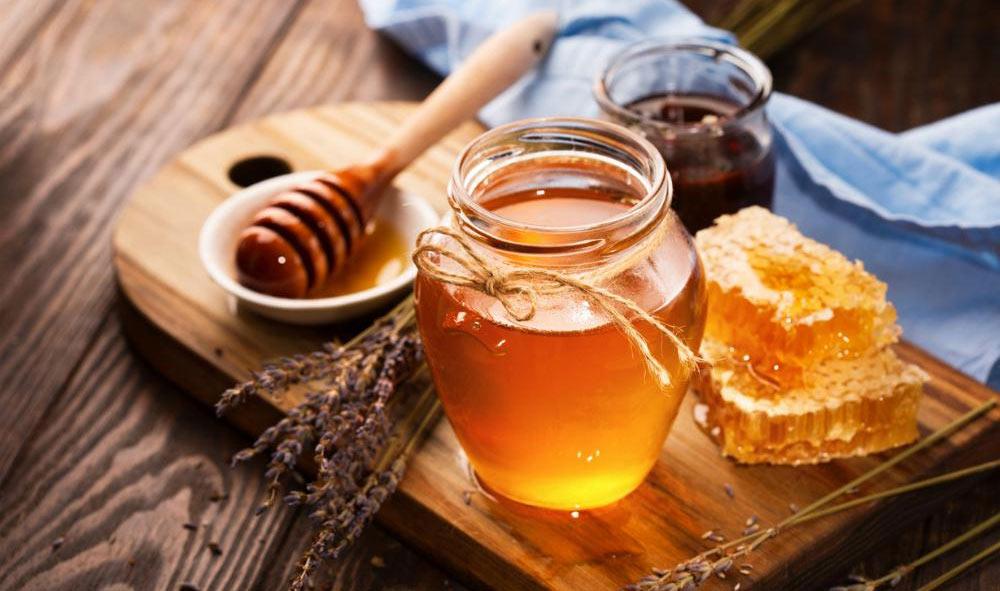
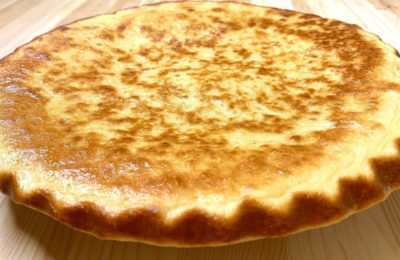
If you replace sugar with honey in the dough, the baked goods will not be as fluffy. The finished product will be denser, moister, and darker in color.
Stevia
Most often, the product is a white crystalline powder synthesized from the leaves of the Stevia rebaudiana plant, but you can also find crushed dried stevia leaves or a liquid extract on sale.
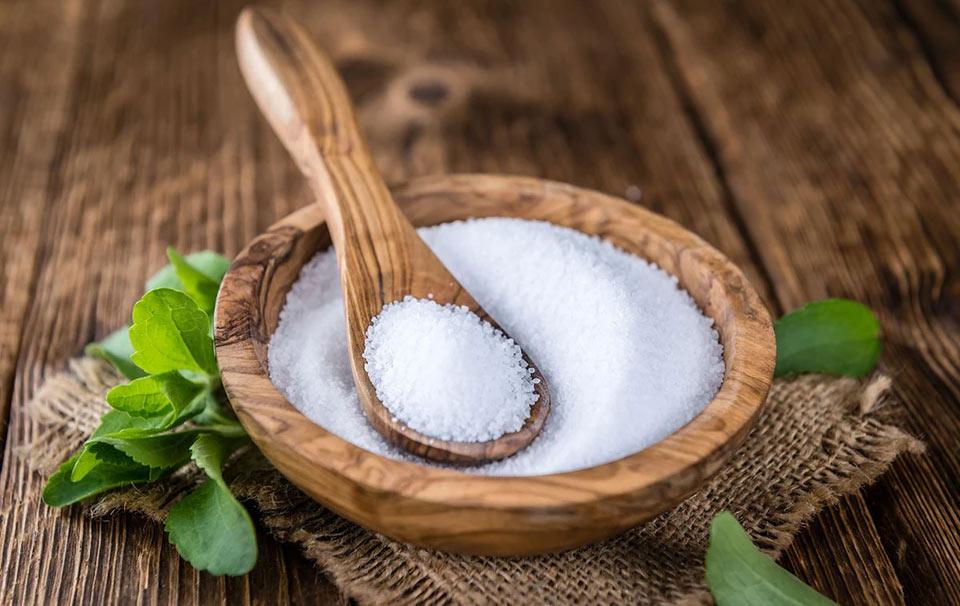
Recommended proportions when replacing sugar with different types of stevia:
| Sugar | Stevioside (crystals) | Powder (dried leaves) | Liquid extract |
| 1 tsp | on the tip of a knife | 1/4 tsp | 2-6 drops |
| 1 tbsp. | on the tip of a knife | 3/4 tsp | 1/8 tsp |
| 1 glass | 1/3 tsp – 1/2 tsp | 1-2 tbsp. | 1-2 tsp |
Erythritol (erythritol)
The product is also called “melon sugar” – it is a bulk sweetener with the following benefits:
- absence of pronounced aroma and foreign notes in the taste;
- low calorie content (only 24 kcal per 100 g);
- zero GI;
- zero fat, protein and carbohydrate content;
- the ability to heat up to 180℃, which allows it to be used in baking;
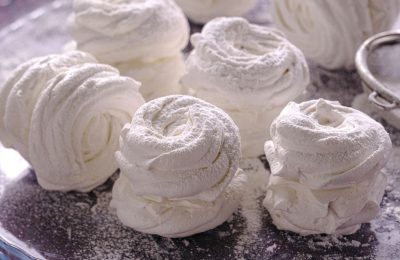
This substance is often found in keto and healthy recipes, as well as recommendations for vegans and diabetics. It's ideal for making sugar-free meringues, marshmallows, sponge cakes, and other recipes based on whipped egg whites.
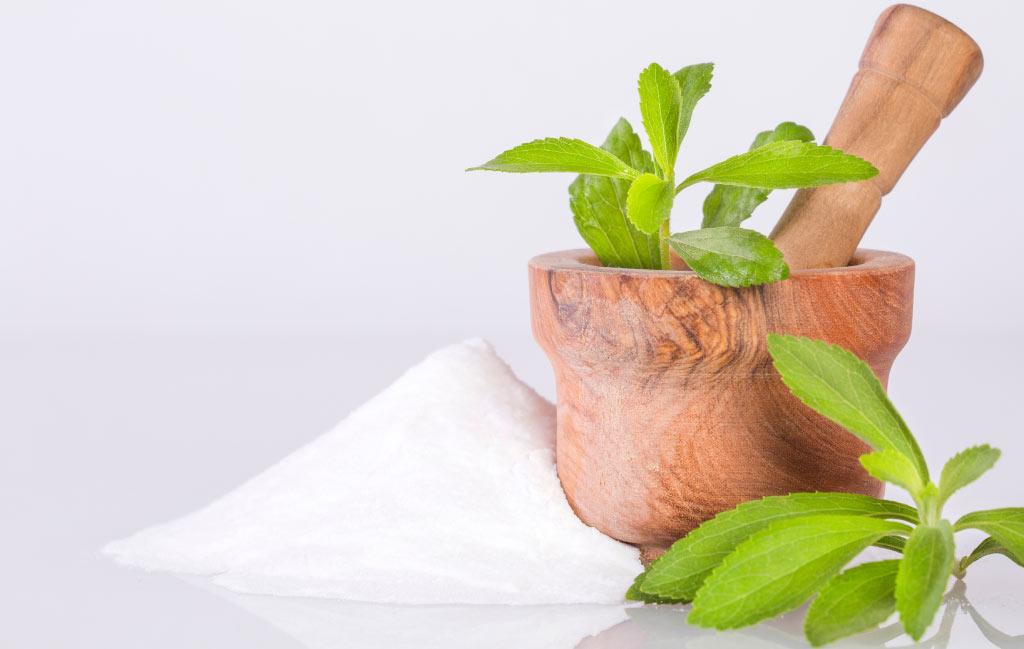
It's important to note that the substance is poorly soluble in liquids and the human gastrointestinal tract does not digest erythritol, which is why, at high doses, the sweetener can cause digestive upset. Cases of allergic reactions to erythritol have also been reported.
Erythritol also doesn't retain moisture well, so desserts and baked goods made with it are best eaten fresh, as they will become dry on the second day.
Isomalt (isomaltite, palatinite)
Besides adding a sweet taste to a dish, isomalt:
- prevents caking of the finished product;
- has a low GI;
- has an average caloric content (236 kcal per 100 g);
- has probiotic properties;
- does not contribute to the formation of a golden brown crust on baked goods.
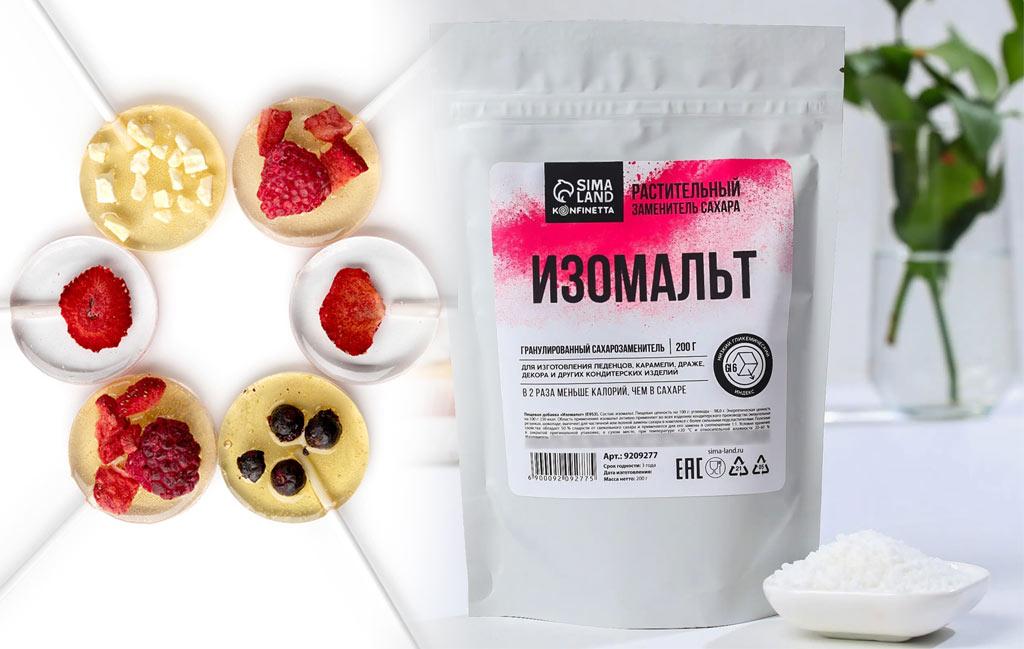
In confectionery, this product is widely used in the production of mousses, caramel, chocolate, marshmallows, and halva. It is also useful for those who want to enjoy sugar-free fruit preserves.
Inulin
Among the main advantages:
- beneficial effect on the gastrointestinal tract;
- the presence of thickening properties, which makes inulin an ideal component for creams and sauces;
- gives baked goods a bright palette of flavors, imitating the presence of fatty components;
- high solubility in liquid media;
- creating a beautiful golden brown crust on baked goods.
Prebiosvit
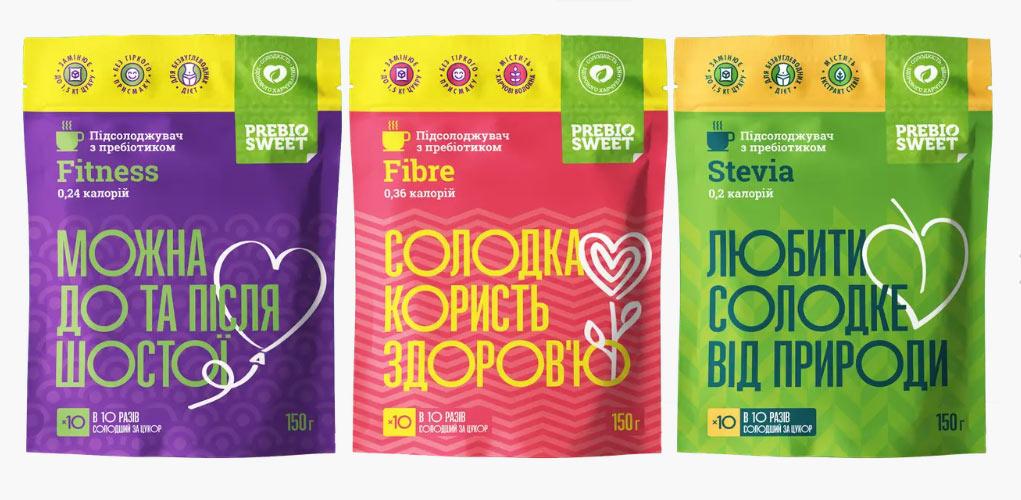
A domestically produced sweetener that uses a blend of modern sugar substitutes based on several components:
| Product name | Compound |
| Prebiosvit "Fitness" | Erythritol + Lactulose + Sucralose |
| Prebiosvit "Stevia" | Erythritol + Lactulose + Stevia |
| Prebiosvit "Fiber" | Erythritol + Inulin + Sucralose |
Among the undeniable advantages of the product:
- the optimal ratio of intense and bulk sweeteners, taking into account the recommended daily intake;
- sweetness 10 times more intense than sugar;
- zero calories – ideal for those thinking about giving up sugar to lose weight;
- complete absence of carbohydrates;
- the presence of prebiotics that normalize the functioning of the gastrointestinal tract.
The sweetener is an intense one, so it is necessary to dose it in the recipe according to the manufacturer’s recommendations.
Pastry Chef's Advice
For more information on the use of various types of sugar substitutes in confectionery, watch these videos:
Read also: