What can I substitute for cocoa in baking?

Content
Cocoa powder is an essential ingredient in any chocolate baked goods and many desserts, so it's important for an experienced cook to know what can be used as a substitute for this ingredient in various recipes and when it shouldn't be used.
Physicochemical properties of cocoa powder
When choosing cocoa powder, it is important to pay attention to such an important parameter as fat content:
| No. | Type | Fat content | Application |
| 1 | Fatty | 22-24% | drinks (hot chocolate), icing, sponge cake |
| 2 | Bold | 17-22% | drinks (cocoa), baked goods |
| 3 | Ordinary | 14-17% | bakery |
| 4 | Low fat | up to 14% | bakery |
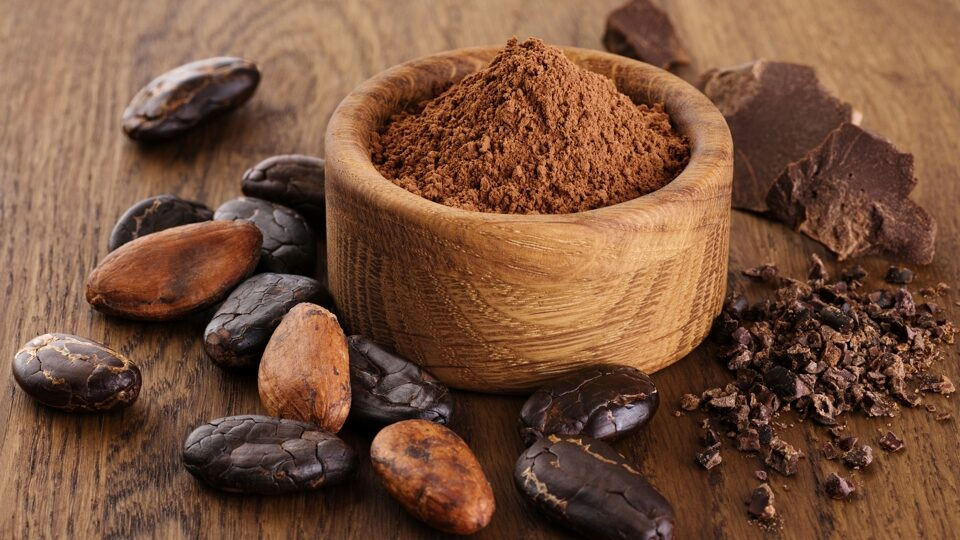
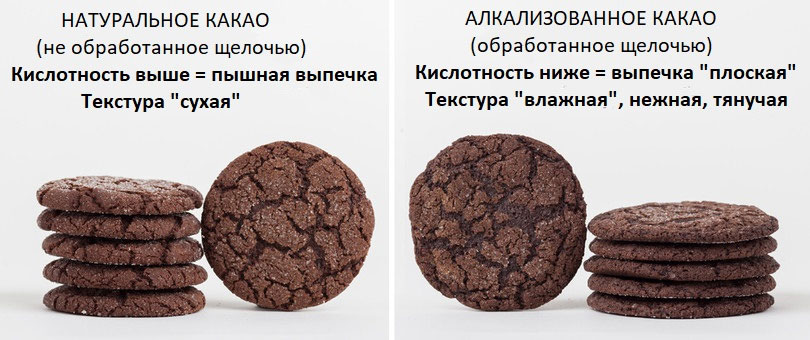
Cocoa powder obtained by alkalization has a number of special properties:
- the shade of the powder is darker and more saturated;
- the taste is softer and more chocolatey, without harsh bitterness;
- The product dissolves much better in liquid media.
Today, this type of cocoa powder is recommended for use in a wide variety of drinks, as well as confectionery creams and glazes. However, in recipes that combine cocoa with baking soda to achieve a slaking effect, it's better to use classic cocoa, which has a higher acidity level.
Cocoa powder substitutes
Beginner home cooks who are just learning how to make desserts and baked goods at home often wonder what can replace cocoa powder in a particular recipe.
Next, we'll take a detailed look at the cocoa substitutes available in cooking and how to replace cocoa powder in baked goods, muffins, cakes, and various desserts.
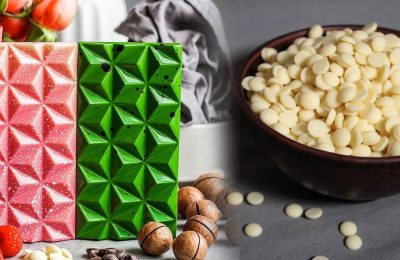
Chocolate
Microwave-melted confectioners' chocolate can be added instead of cocoa powder:
- in yeast and yeast-free dough (if you added cocoa to flour, then the chocolate should be combined with the liquid ingredients);
- in biscuit dough (with chocolate the cakes turn out even more fluffy and tender);
- in cookies or cakes potatoes;
- in cream or ganache.
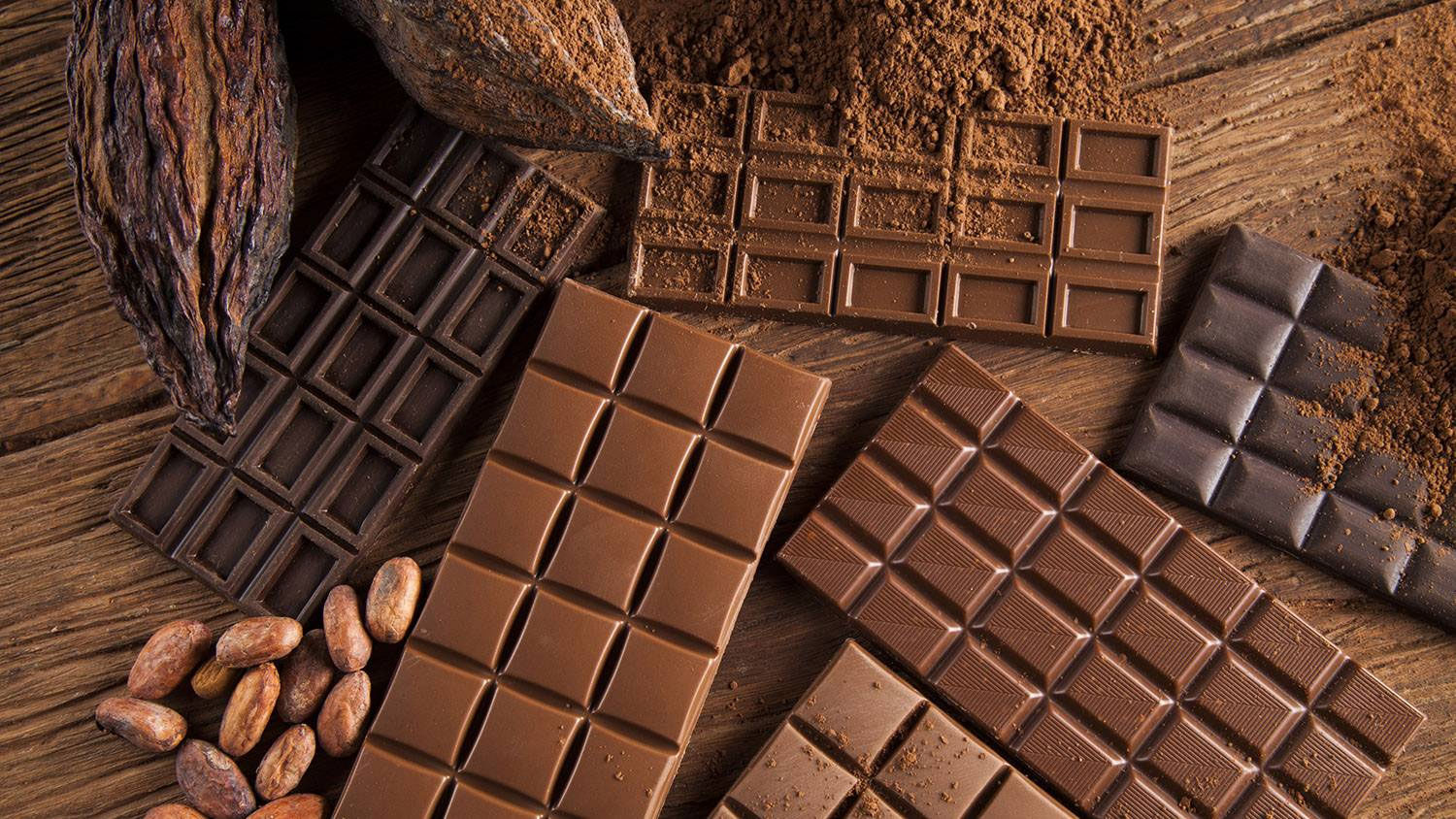
If we're talking about 75% dark chocolate, a 100-gram bar contains 36.5 grams of fat, 36.5 grams of cocoa solids, and 25 grams of sugar. This means that if a recipe calls for 50 grams of cocoa solids in a sponge cake or muffin, you'll need to use 130 grams of chocolate instead. It's also important to remember that chocolate already contains sugar, meaning you'll need to recalculate the amount in the recipe, reducing it by approximately 30 grams.
If you decide to use chocolate as a substitute for cocoa in baked goods, the flavor will improve, but the cost will increase significantly. While this substitute is suitable for home use, it's not suitable for making cakes or muffins for sale.
Carob
When wondering what you can substitute cocoa powder for in recipes, be sure to check if carob is available in your area, as it's a good substitute for both hot chocolate and desserts.
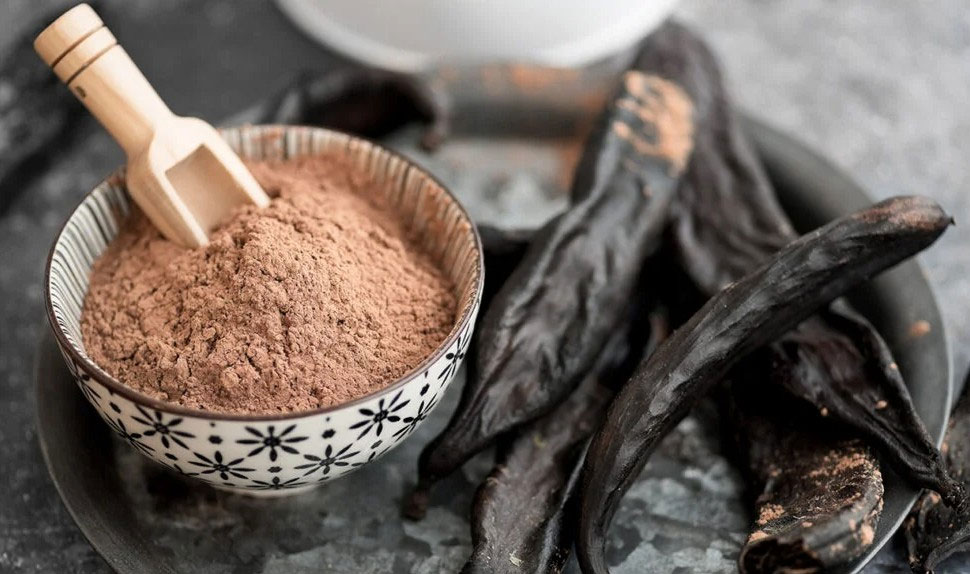
Among the characteristic features of the product:
- no need to recalculate the volume of cocoa in the recipe;
- the ability to thicken dough perfectly (the amount of flour can be reduced slightly);
- natural sweetness, which allows you to reduce the amount of sugar in the recipe;
- low acidity (will not extinguish soda);
- hypoallergenic (carob can be given to children who are allergic to cocoa and chocolate).
Chicory
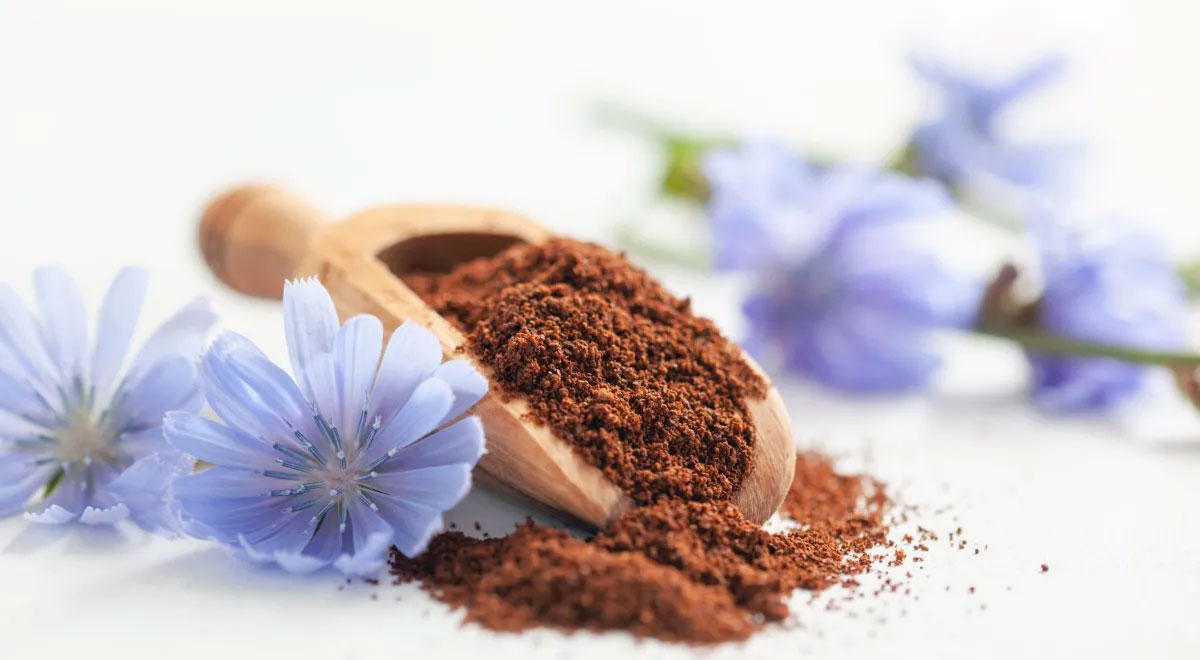
Chicory powder has a very strong flavor with a distinct bitterness. Adding it to a biscuit, cake, or other baked good in the amount recommended for cocoa is guaranteed to ruin the flavor of the finished dish. In smaller quantities, you'll get a slight coffee flavor rather than a chocolatey one, and the result will still be significantly different from what you expect.
Nesquik
To understand why Nesquik, which resembles cocoa, shouldn't be added to baked goods, just look at its ingredients. Sugar is listed first on Nesquik's ingredients list, while cocoa powder accounts for only 17% of the total volume, some of which is also made up of maltodextrin (essentially starch), soy lecithin, and other minerals.
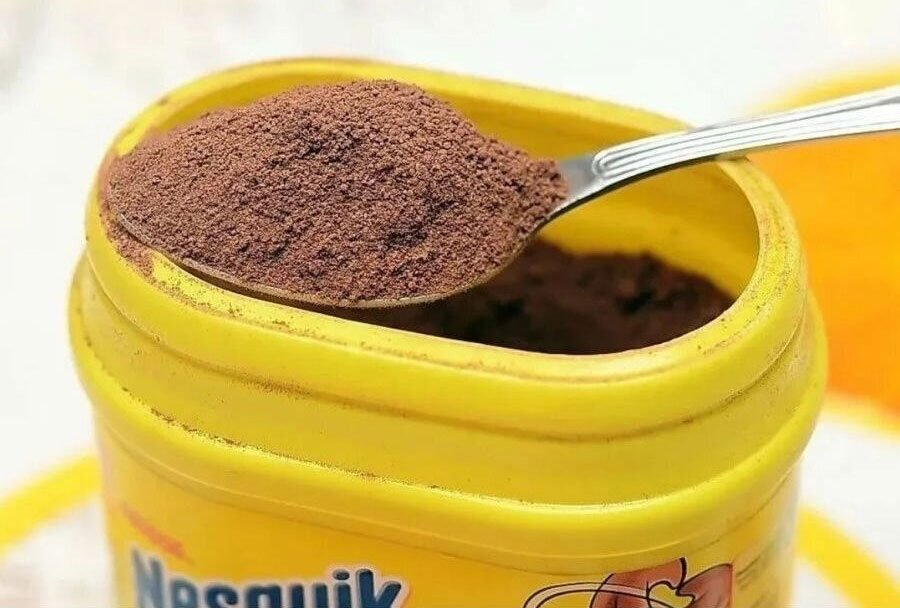
A similar problem exists with the drink "Khrutka," which recently appeared on the Russian market. Its composition is 83% carbohydrates, only 5.3% protein, and only 2.8% fat, which is even less than that of the foreign-made powder from Nesquik.
Coffee
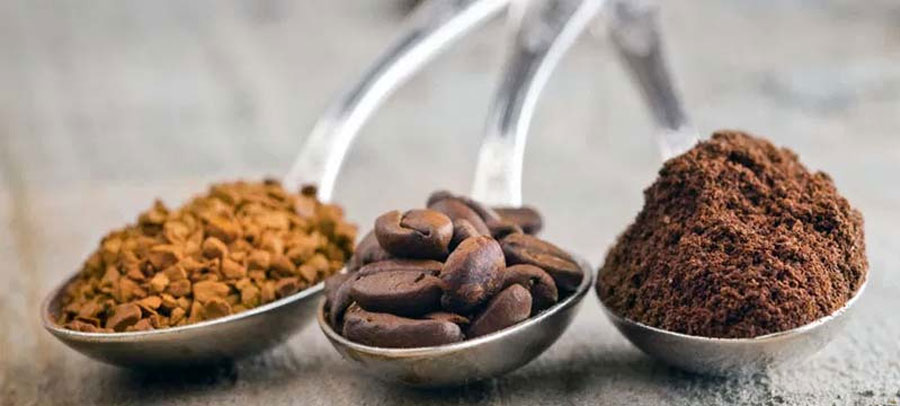
Don't try to substitute coffee for cocoa powder in a 1:1 ratio. You're guaranteed to dislike the result, as the coffee will impart a strong bitter note and a completely different aroma from chocolate.
Conclusion
We invite you to share your experience of replacing cocoa powder with alternatives, and describe the results of your experiment in the comments.