What can I use instead of milk in baking?

Content
Planning to make a favorite recipe at home, but don't have the standard milk listed on the ingredients list? We'll tell you how to substitute milk in desserts, pancakes, cakes, and a variety of baked goods, and how the results may differ depending on which alternative you use.
Milk in the dough recipe

Milk has a number of important properties:
- liquid consistency;
- neutral pH (6.3-6.7 units);
- the ability to increase water absorption by dough;
- moderate fat content (for baking, it is recommended to use milk with a fat content of 2.5-5.5%).
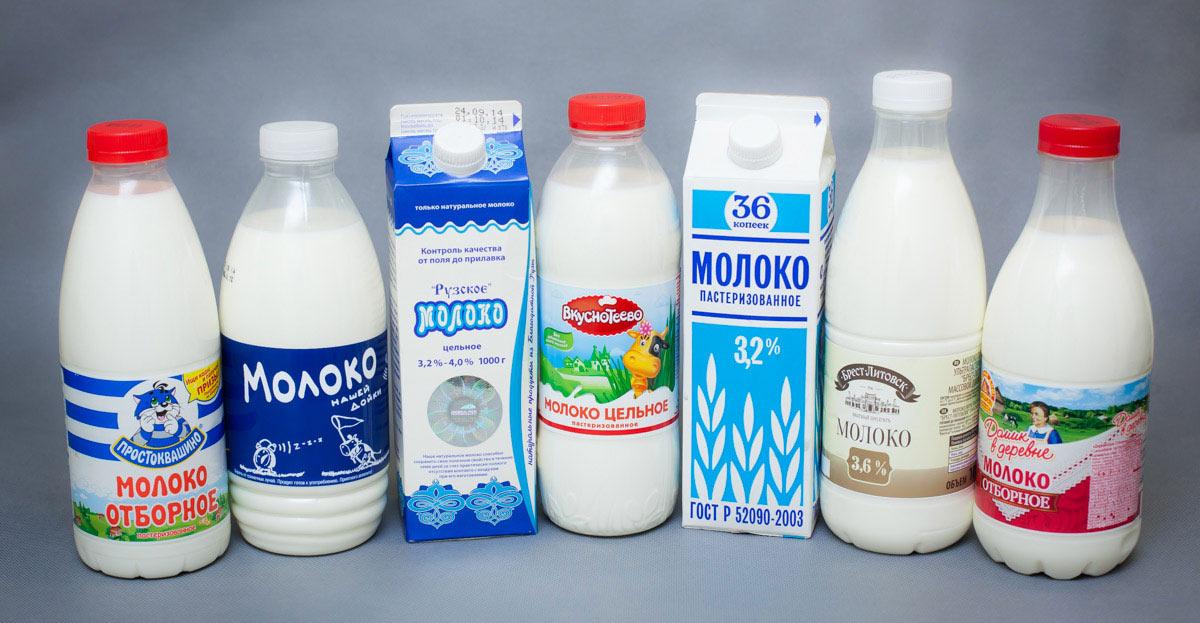
Accordingly, when choosing a substitute for milk in baked goods or other dishes, it is necessary to consider these basic parameters, since any significant deviations from them can affect:
- dough consistency (especially important if you plan to bake the product in a bread machine);
- the process of activating the release of carbon dioxide for a lush, porous texture;
- taste qualities of the finished product.
Basic milk substitutes
Replacing milk in dough can be dictated by various reasons:
- If you simply don't have the necessary ingredient in the fridge and don't have time to run to the store, any of the substitutes below will do.
- Milk allergy (lactose intolerance) - in this case, any dishes containing fresh milk or cream should be excluded from the menu of children or adults with allergies, but fermented milk or lactose-free products can be used instead.
- When observing a fast or a vegan diet, it is permissible to replace milk in recipes only with dairy-free products.
For your convenience, we've compiled all the milk substitute options in baked goods and desserts, dividing them into three main groups:
| Dairy | Fermented milk products | Dairy-free |
| 1. Dry milk | 1. Sour milk | 1. Lactose-free milk (plant-based) |
| 2. Condensed milk | 2. Kefir | 2. Lactose-free cream (vegetable) |
| 3. Cream | 3. Ryazhenka | 3. Beer |
| 4. Dry cream | 4. Sour cream | 4. Carbonated water |
| 5. Yogurt | 5. Plain water |
Milk substitutes
Dry milk
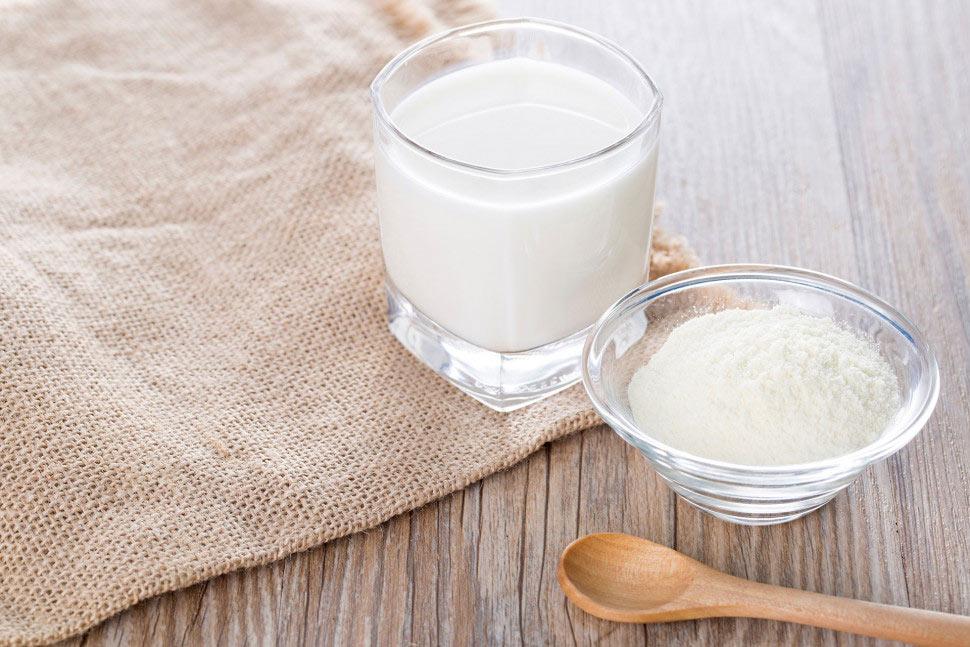
It is recommended to add water to powdered milk, not the other way around. The resulting solution has the same properties as fresh milk.
Condensed milk
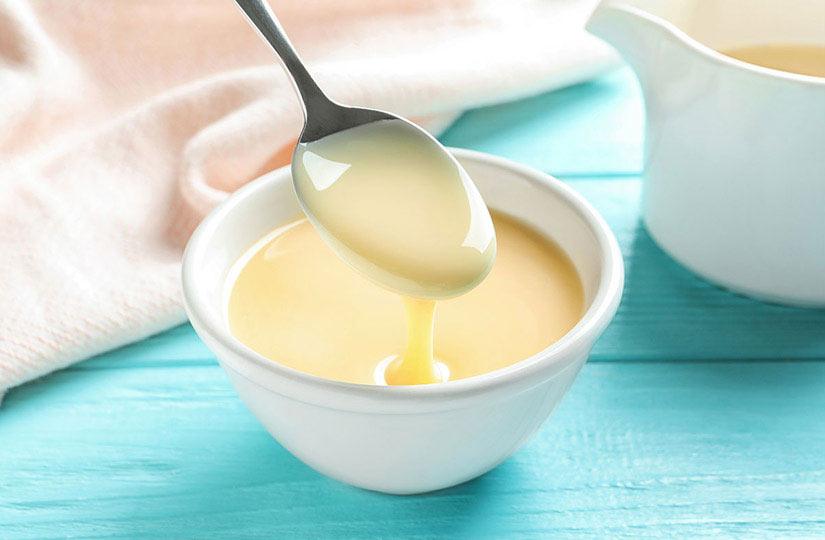
However, when using this substitute, you should adjust the amount of sugar in the recipe, as milk obtained from condensed milk is quite sweet.
Classic cream
You can get classic milk from cream by simply diluting it with water in the right proportions.
The universal formula will be as follows:
X*Sfat = Y*Mfat
Where:
- X – volume of cream;
- Sfat – fat content of cream;
- Y – volume of milk;
- Mfat – milk fat content.
Dry cream
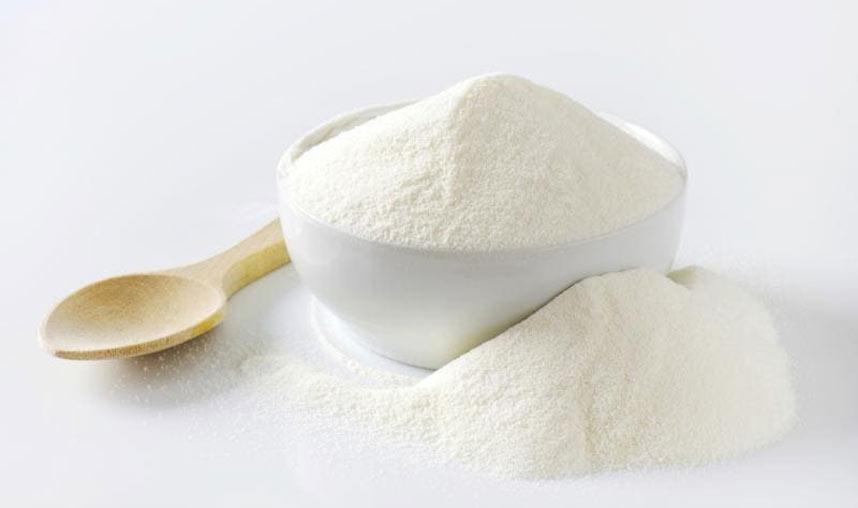
This substitute, like all the previous ones, completely replaces milk in any recipe without significantly changing the consistency and taste of the finished dish.
Fermented milk substitutes
| Product | Acidity | Consistency | Reaction with soda |
| Milk | 6.3-6.7 units | liquid | No |
| Sour milk | 4.3-5.8 units | medium/liquid | Yes |
| Kefir | 4.3-4.4 units | medium/liquid | Yes |
| Ryazhenka | 4.8-5.0 units | thick | Yes |
| Sour cream | 4.6-4.8 units | thick | Yes |
| Yogurt | 4.6-4.7 units | thick | Yes |
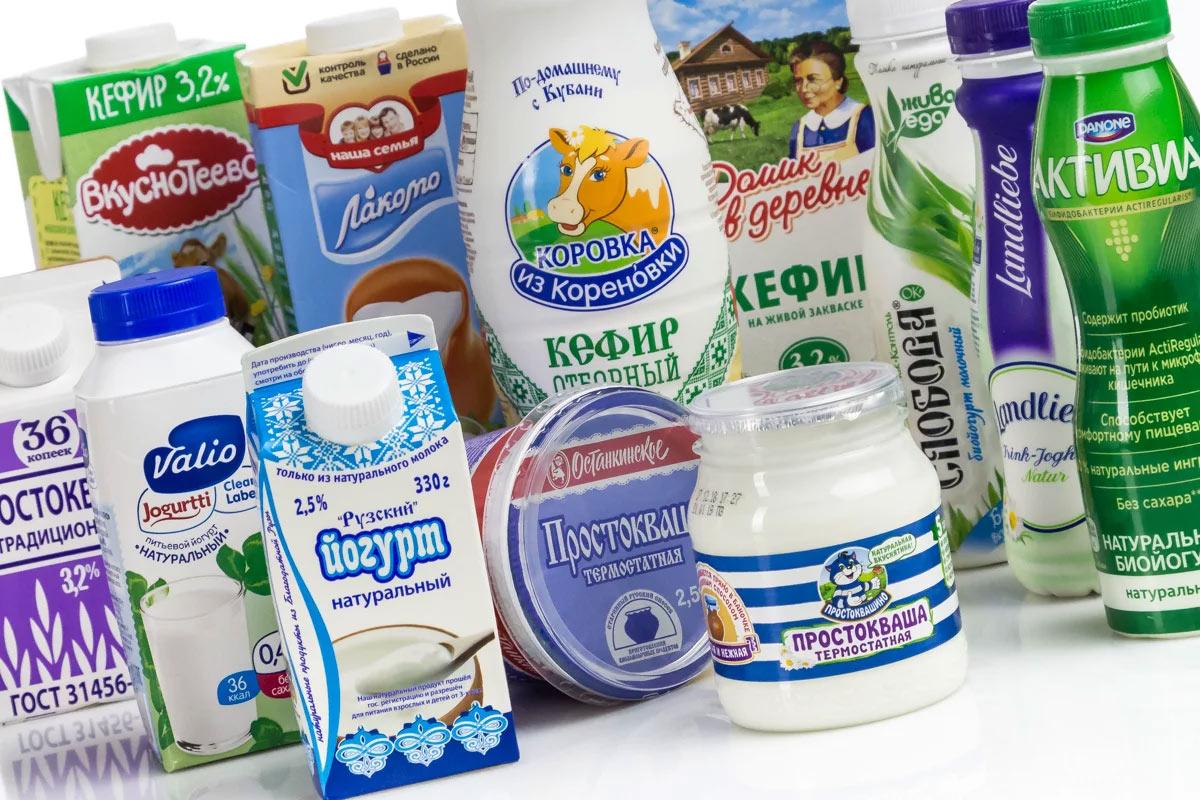
It's important to understand that any fermented milk products are ideal for mixing dough with baking soda, as they act as natural acid suppressors for alkali, providing a vigorous reaction with the release of carbon dioxide, which causes the dough to rise and forms its porous texture.
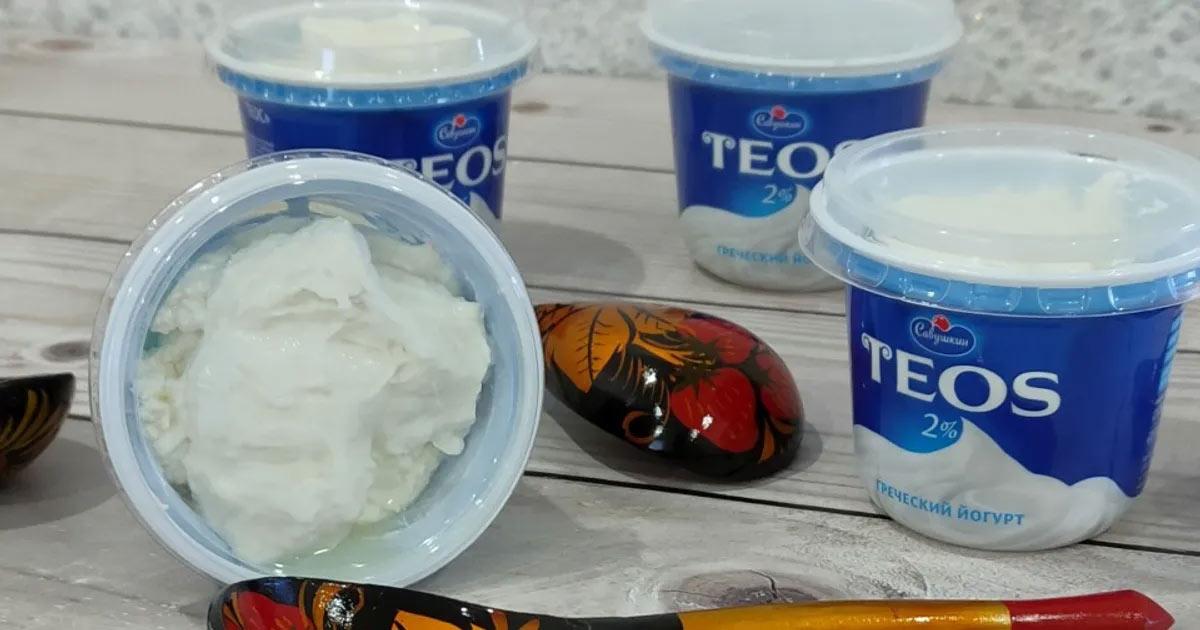
Of all the fermented milk products, the best option for baking is neutral Greek yogurt, which is often added to yeast dough for sweet pastries.
Full-fat sour cream or fermented baked milk (ryazhenka) are great for baking muffins. Recipes for muffins with both milk and sour cream can be found on our website.
Dairy-free substitutes
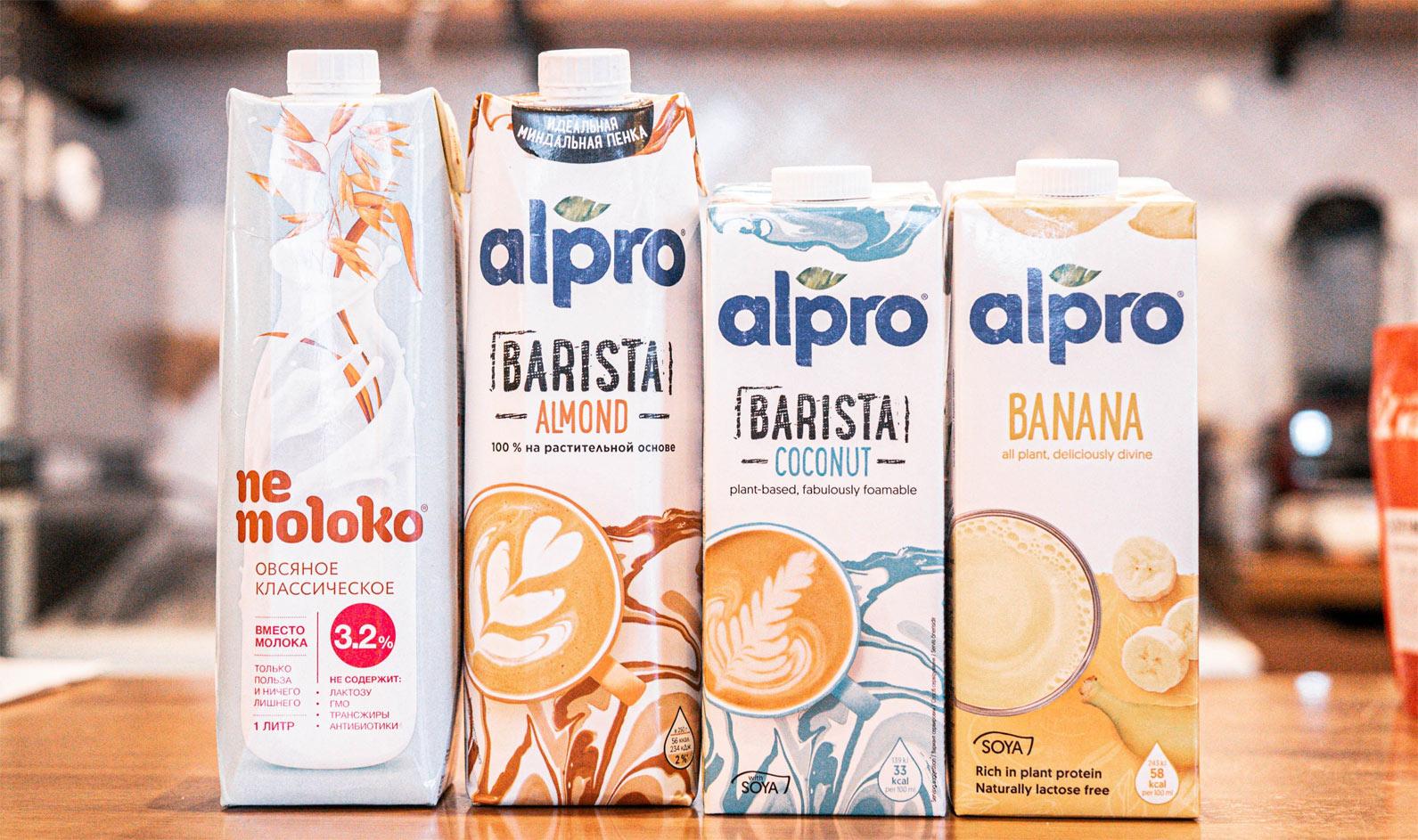
Lactose-free milk
Today, you can find many different types of plant-based milk on supermarket shelves:
- soy;
- rice;
- oatmeal;
- barley;
- coconut;
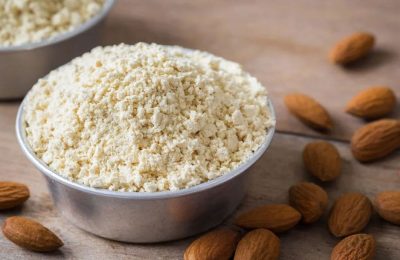
- almond;
- pistachio, etc.
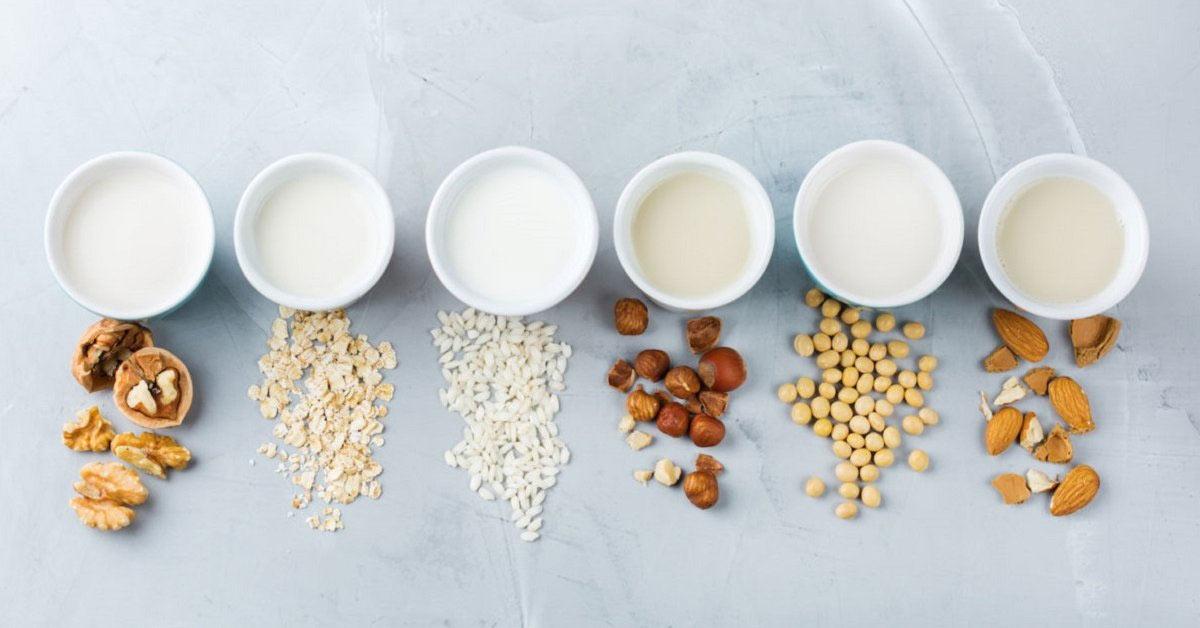
All types of lactose-free milk can be a perfect substitute for traditional milk. They can be drunk straight, used in milk-based porridge, or added to dough. Cinnamon or other spices can help mask the characteristic flavor of some lactose-free milks, but many home cooks appreciate the unique flavor that alternative milks add to baked goods.
The only significant difference is the relatively high calorie content of lactose-free products. A 100-gram serving of plant-based milk substitute can contain between 55 and 155 kcal, while cow's milk contains approximately 43-45 kcal. Also, some types of plant-based milk (almond, pistachio) are strictly prohibited for those with allergies to the corresponding nuts.
Lactose-free cream
Beer
You can use beer to bake delicious cookies or pizza crusts, or to knead dough for pies or chebureki, but this ingredient cannot replace milk in a biscuit or cake crust recipe.
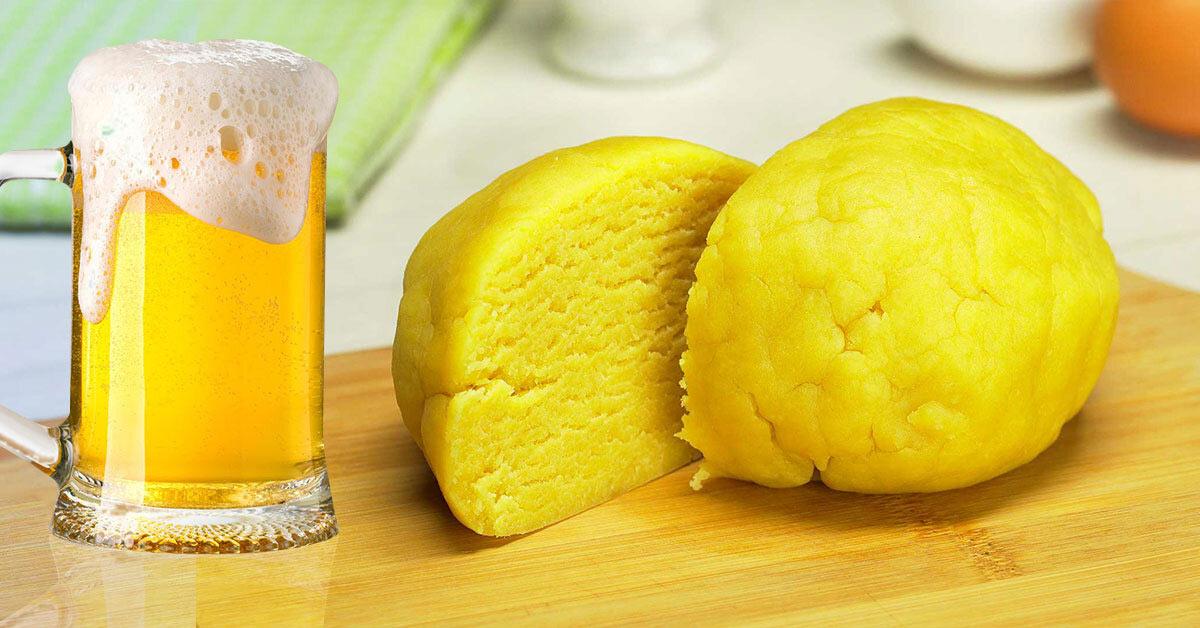
Interesting fact! Baked goods containing beer are completely safe for children. During the baking process, all the alcohol evaporates under the influence of high temperatures, giving the dough its fluffiness and a pleasant malty aroma.
Water
A common question that home cooks ask is whether milk can be replaced with regular or sparkling water in baked goods. Yes, this substitution is entirely possible if you plan to bake:
- thin pancakes;
- pizza dough;
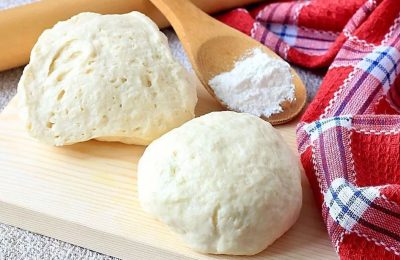
- yeast dough;
- unleavened dough.
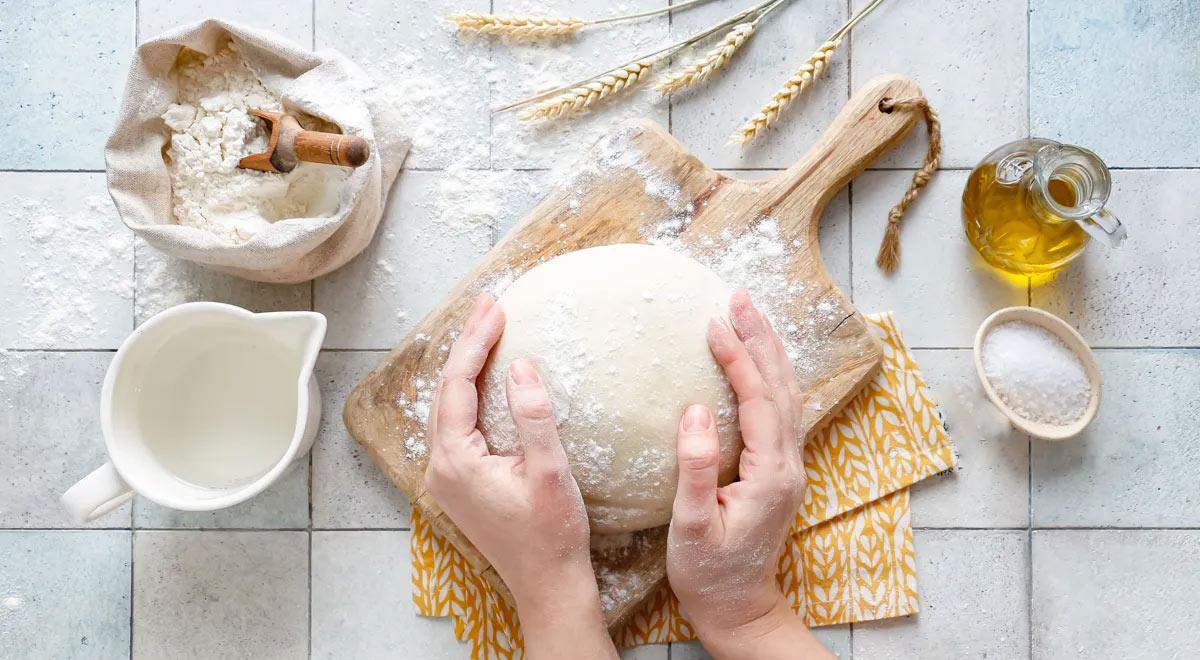
In general, dough made with water will be a little tougher, denser, and crumblier, and the flavor may not seem as rich as with milk dough, but if the baked goods are filled, this nuance will not be very noticeable.