What can I use instead of parchment paper for baking?

Baking paper is a handy tool for pastry chefs. Today, we'll discuss the features of the household and professional varieties available on the market, as well as what you can use as a home substitute for parchment paper.
Purpose of cooking paper
Special wax paper can be used:
- as a protective layer when baking cookies, cake layers, meringues, sponge cakes or meringue rolls, as well as a wide variety of bakery products;
- as tracing paper for drawing (for example, when creating chocolate decorations for a cake);
- as a thick waterproof napkin (for example, when assembling and decorating a cake);
- as a packaging material.
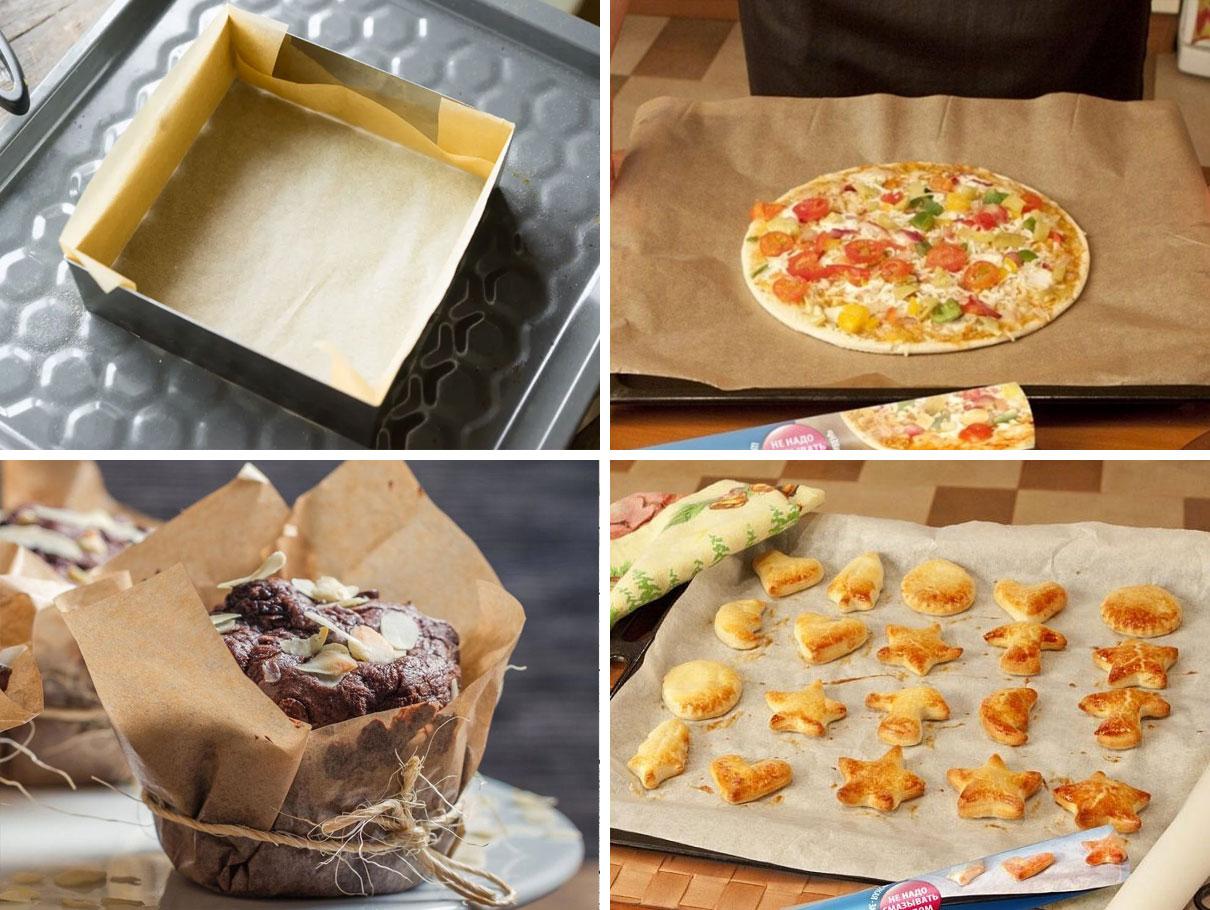
The benefits of using high-quality baking paper at home are undeniable:
- reliable protection of molds from carbon deposits;
- reusable;
- making it easier to wash dishes after cooking;
- reducing the amount of fat in the final product;
- absence of foreign odors.
You'll find many useful tips on using regular siliconized parchment in this video:
Next, we'll take a closer look at how to make the right choice of paper based on its intended use and what can be used as a substitute at home.
Baking paper and possible alternatives
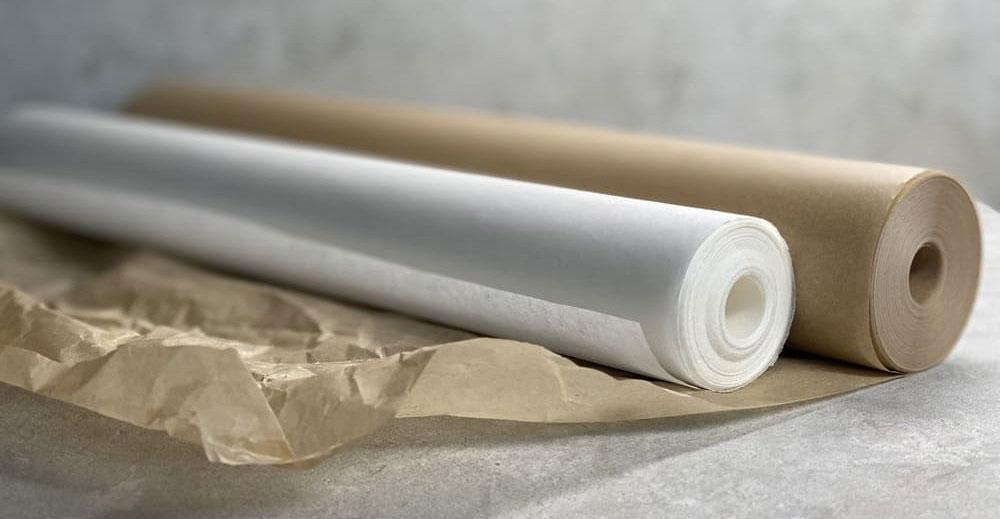
The main use of parchment paper is baking various foods in the oven or microwave. Thick, silicone-coated varieties of baking paper are best suited for this purpose:
- Thin white or brown paper (up to 40 microns) with a single-sided silicone coating is a more affordable option for home use. It can tear during use and be difficult to remove from baked goods. This paper is typically rated for temperatures of 220-240°C.
- Brown (40–52 microns) with a double-sided silicone coating – professional, widely used in bakeries. Withstands heat up to 300°C.
- Paper with silicone added to the cellulose is more expensive during production, but offers several advantages: the non-stick component is more evenly distributed and present not only on the surface but also within the fiber structure. It can withstand temperatures up to 300°C.
If the idea of baking pies or cookies suddenly came to you, we'll tell you what you can try instead of parchment paper for baking in the oven.
Option No. 1 – regular parchment or tracing paper.
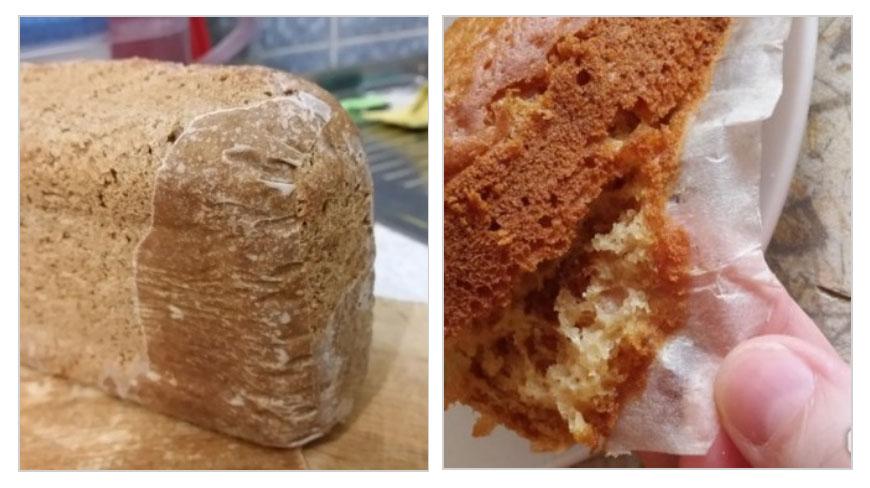
Uncoated paper is also often sold in stores as “bakery paper,” but requires additional impregnation with vegetable oil or margarine.
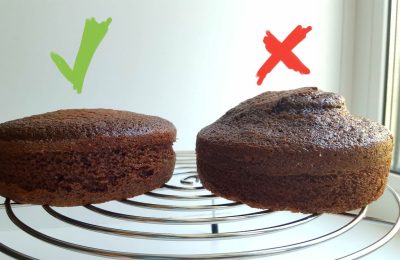
Experienced home cooks warn that even after soaking, this type of parchment may not separate from yeast dough products. The following photo clearly demonstrates the result of unsuccessfully using unsoaked parchment.
Option #2 – Baking foil
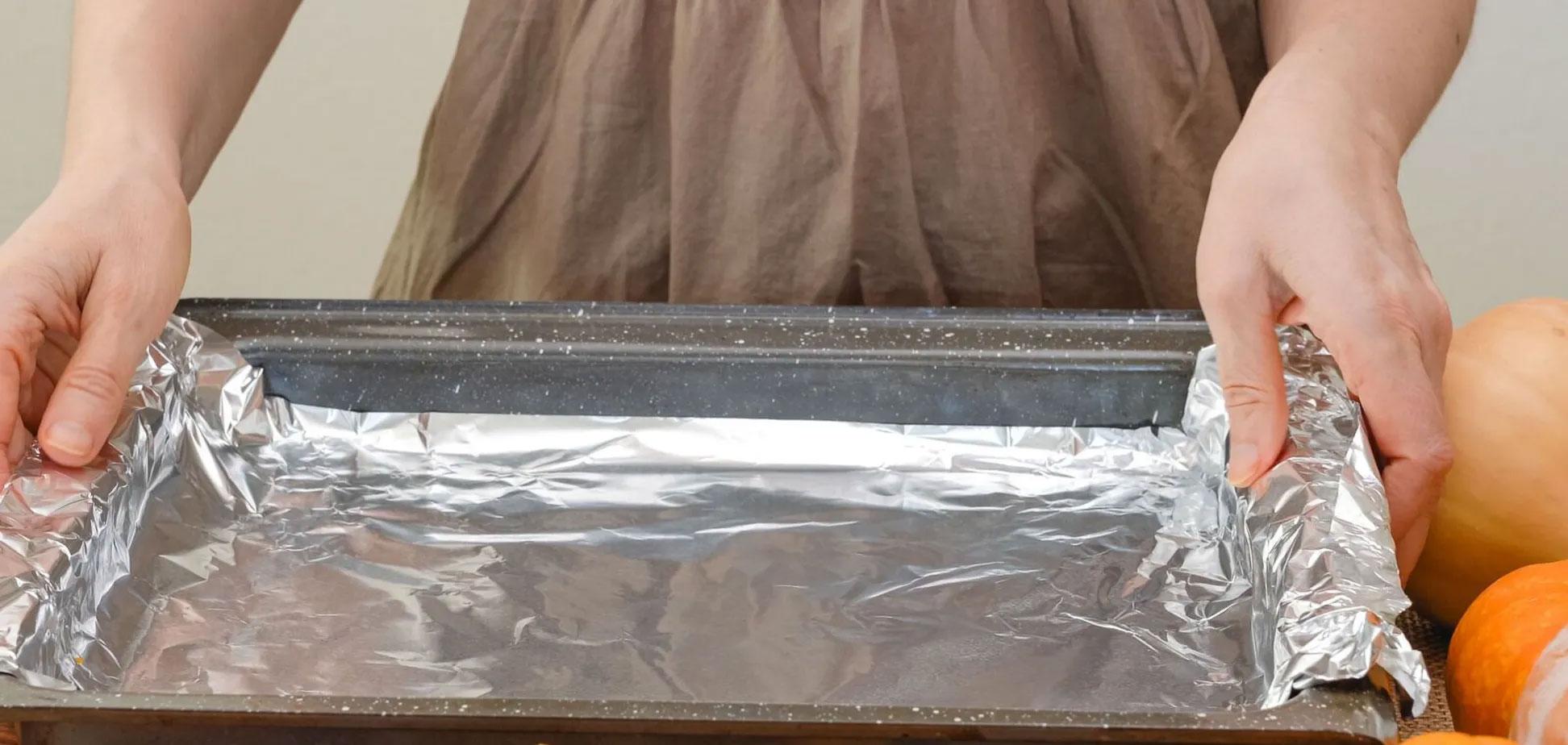
However, experienced cooks pay attention to the following features of its use:
- You cannot use foil instead of paper in the microwave!
- If you plan to bake dough products, be sure to line the foil with the shiny side up and grease it with oil;
- The foil sheet is only 10-12 microns thick, and it also gets quite hot, so your pies or cake layers can quickly burn on the bottom;
- Foil should not be used with foods that contain acids, as the chemical reaction will cause aluminum particles to pass into the food itself.
Option #3 – silicone mat
If you've repeatedly encountered the consequences of using poor-quality, sticky parchment and want to know what you can permanently replace parchment paper with without the need to additionally grease the surface, then purchase a modern silicone mat that fits your baking sheet.
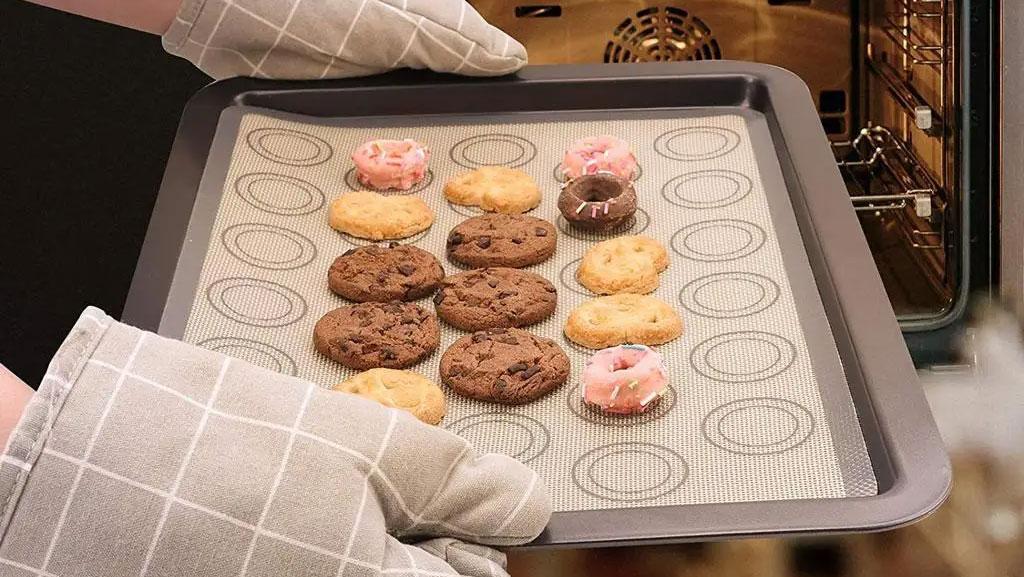
This type of coating has many advantages, because a high-quality silicone mat:
- completely safe for health;
- withstands temperatures of 250-300°C;
- not afraid of acidic environments;
- does not stick at all and comes off easily from any type of baked goods;
- easy to wash by hand or in the dishwasher;
- will last for quite a long time (more than one year).
Option #4 – baking sleeve
In some cases, a special cooking sleeve can replace baking paper. This thin plastic "tube" can withstand temperatures of 200-230°C.
A sleeve is a great idea if you're looking for a substitute for parchment paper when baking bread or a sweet roll.
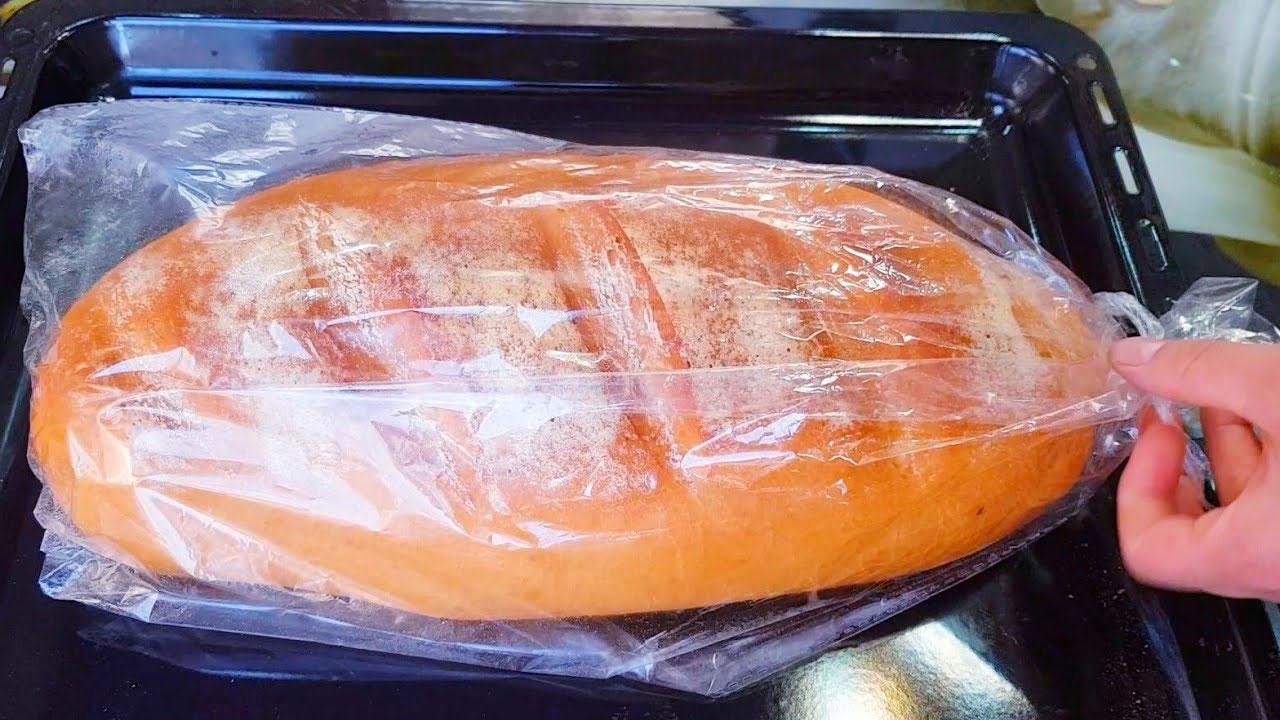
The only thing to keep in mind is the shorter cooking time. On average, baked goods in this special bag cook 5-10 minutes faster, so check the oven frequently.
Option #5 – special utensils
If you want to always cook in the oven and bake any dish without using paper, foil, or other protective layers, then buy special molds (glass or silicone) or cookware with a protective coating (non-stick or ceramic).
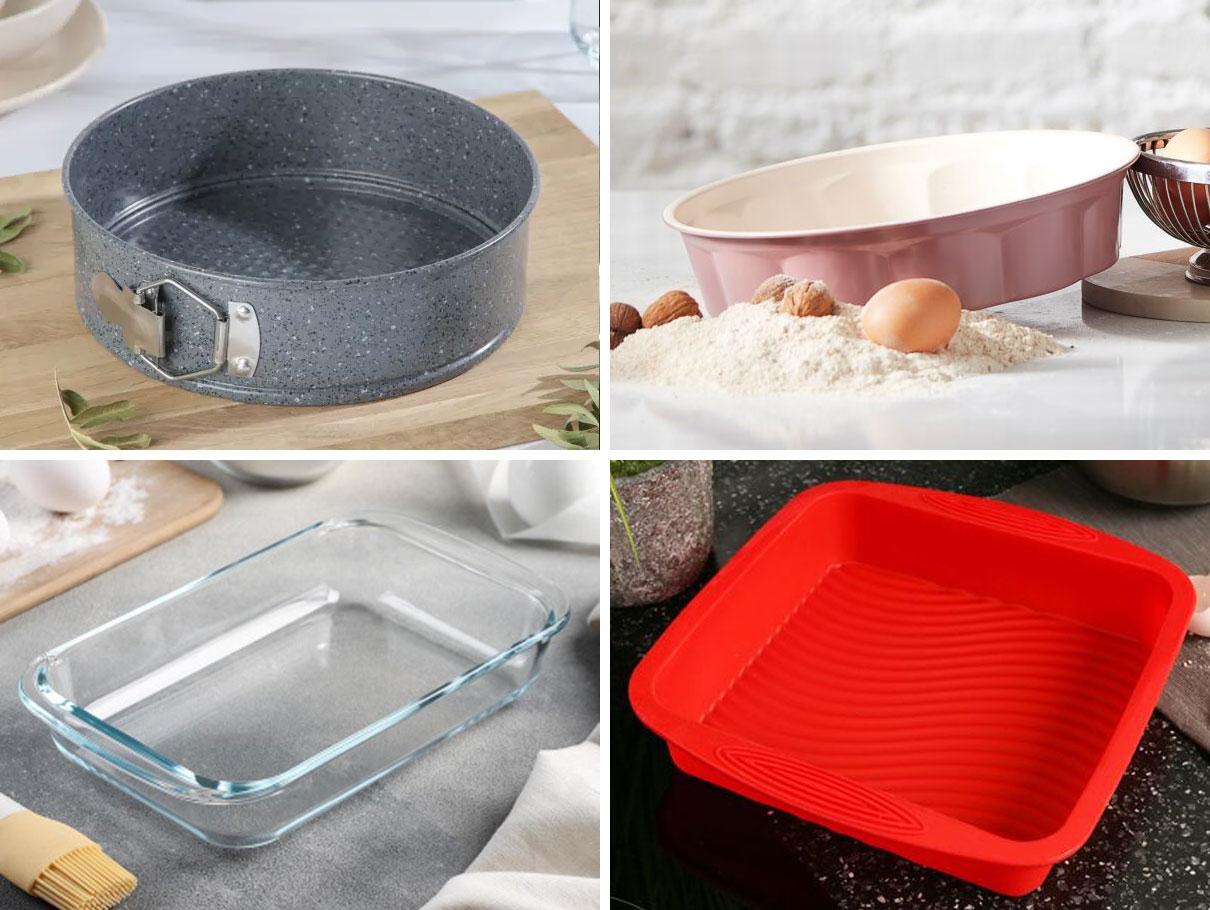
Naturally, each type of such cookware still requires proper training in how to use it, as damaging the thin protective coating (either mechanically or by overheating above 260°C) can not only ruin the expensive pan itself, but also cause harm to one's health.
Option No. 6 – protective layer
The main purpose of parchment is to create a special layer to prevent the bottom of the baked goods from burning and sticking to the pan.
If you only have a regular baking sheet, you can bake cookies, buns, cake layers, or pizza on it without paper, simply by greasing the surface with vegetable oil or margarine and sprinkling it with flour, semolina, or breadcrumbs.
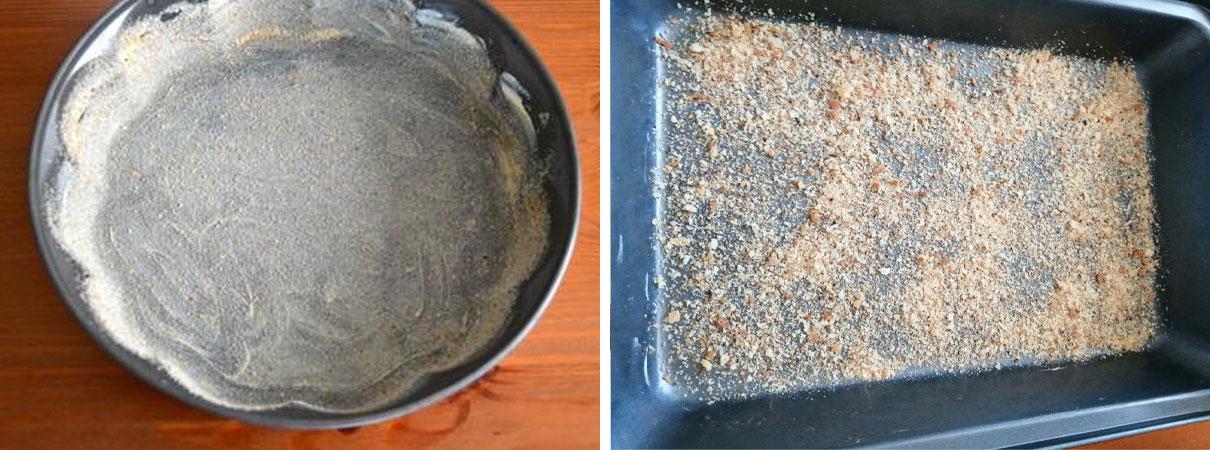
The only downside is that it will be more difficult to clean the form after use.
Other areas of application
If you're looking for a substitute for thin white parchment paper for transferring designs while decorating your cake, you can use:
- plain uncoated tracing paper;
- thin bag (if there will be no contact with hot products);
- acetate film;
- any paper for drawing.
You can transfer the design onto thick cardboard or office paper using regular carbon paper.
To carefully assemble and decorate a cake at home, you can place regular office paper on the edge of the plate and cover the work area with thin cling film to prevent cream and ganache from getting on it.
Now you know what you can use as a substitute for silicone-coated parchment paper at home and what to pay special attention to when using various alternatives. What do you use instead of baking paper if you're ready to bake and you're out of parchment? Share your experiences in the comments.