What can I use instead of baking powder?

Content
Baking powder, also known as baking powder, is widely used in cooking to make fluffy, soft doughs (like cakes, sponge cakes, shortbread, and choux pastries). Today, we'll discuss how to substitute store-bought baking powder at home and what types of baked goods can be baked with this substitute.
How does baking powder work?
Classic baking powder, which is sold in stores, contains only three ingredients:
- sodium bicarbonate (soda);
- ammonium carbonate (not always present);
- citric acid;
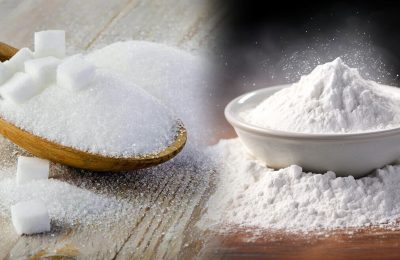
- corn starch or flour.
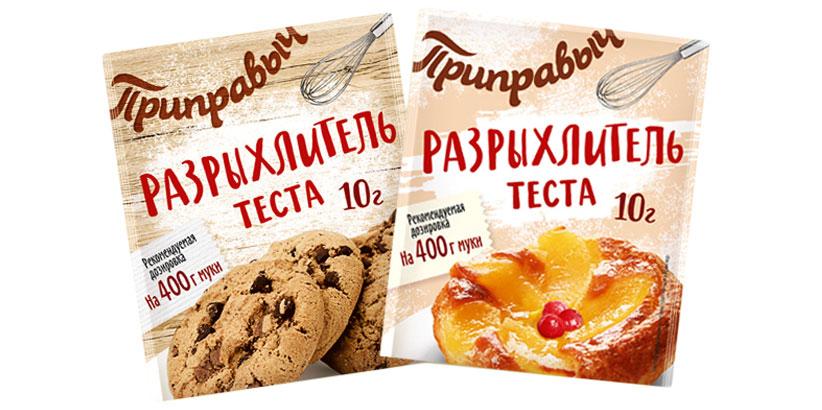
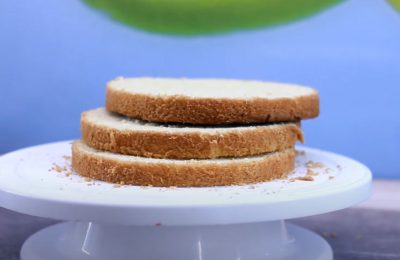
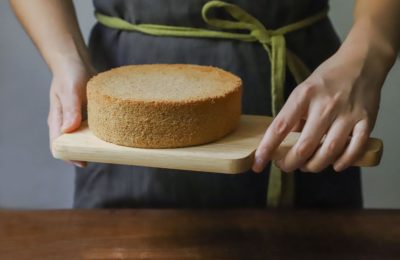
When preparing the dough, 10 grams of baking powder (equivalent to 1 teaspoon of powder) is mixed with flour and gradually added to the mixture. Upon contact with moisture, the citric acid dissolves and reacts with the baking soda, causing intense carbon dioxide bubble formation. This gives the dough its fluffy, porous texture, which is clearly visible in the cross-section of the finished cake, biscuit, or pie. The higher the temperature, the more intense the reaction, so the dough rises best during the oven baking stage.
Replacement options
So, let's take a look at the top 5 ideas for replacing baking powder, some of which were known to our ancestors even before baking powder was packaged in 10-gram packets, and some of which are the real-life experiences of chefs and pastry chefs.
Option #1 – Homemade Baking Powder
After analyzing the ingredients of store-bought baking powder, you'll realize that making your own is easy and simple at home. Many cooks use this life hack regularly, as making a natural homemade baking powder substitute is much cheaper than buying individual packets at the store.
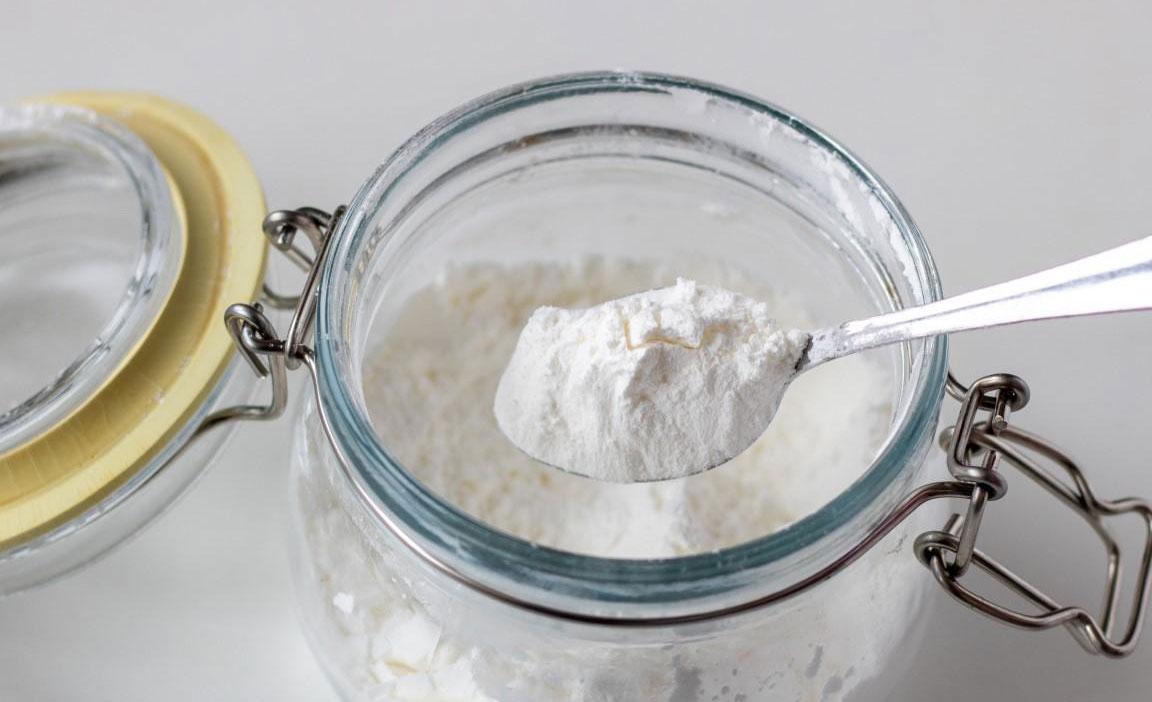
To prepare homemade baking powder we need to put in a container:
- soda – 5 tsp;
- citric acid – 3 tsp;
- starch (you can just use flour) – 12 tsp.
When preparing the product, it's best to use clean, dry glass, ceramic, or wooden utensils. Homemade baking powder can be stored for a long time in an airtight glass container. The main thing is to prevent moisture and condensation from forming.
This homemade baking powder substitute can be used in shortbread, sponge, rich, and choux pastries, adding approximately 1 teaspoon (this is how much a standard 10-gram packet contains).
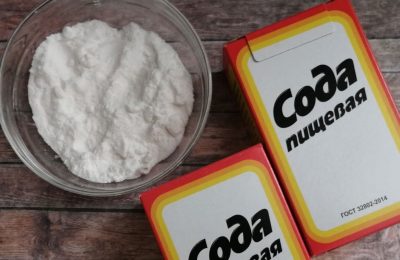
Option #2 – regular baking soda
Experienced cooks know that baking soda can be used in place of baking powder, but they do not recommend using it in recipes without an additional oxidizer, as some of the powder may not react, which will impart an unpleasant, characteristic flavor to the dish.
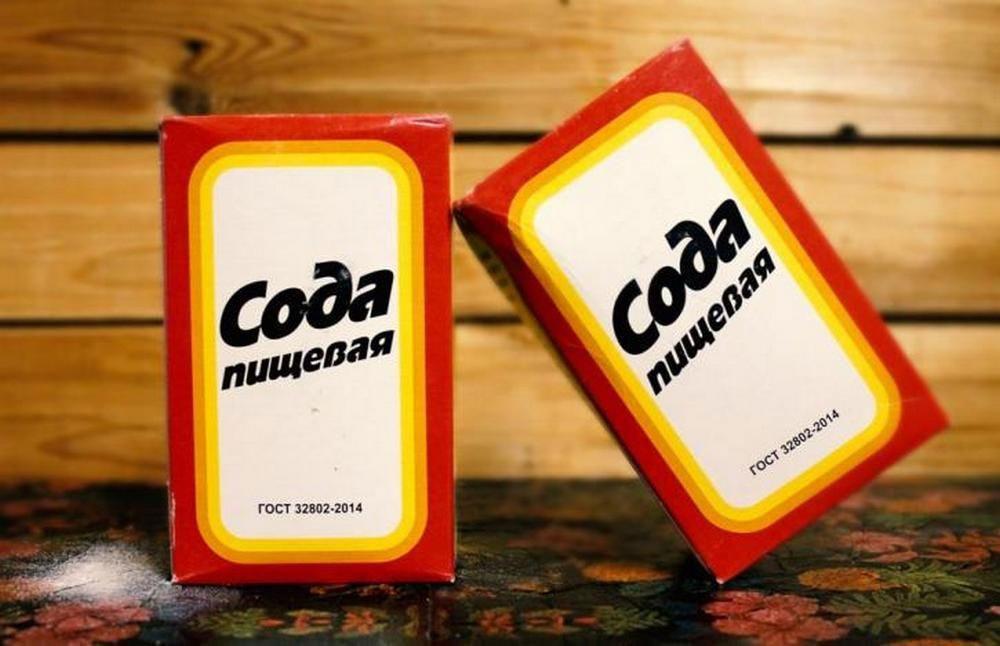
Pastry chefs who know how to replace baking powder with soda recommend using this ingredient in dough if its recipe already contains natural oxidizers:
- natural honey (for example, choux pastry for honey cake layers);
- fermented milk products (kefir, sour cream, etc.);
- natural juices or fruit puree.
Also, 1 teaspoon of baking soda will work in a pancake batter recipe made with whey, and will also make the texture of syrniki and cottage cheese casseroles more tender and fluffy.
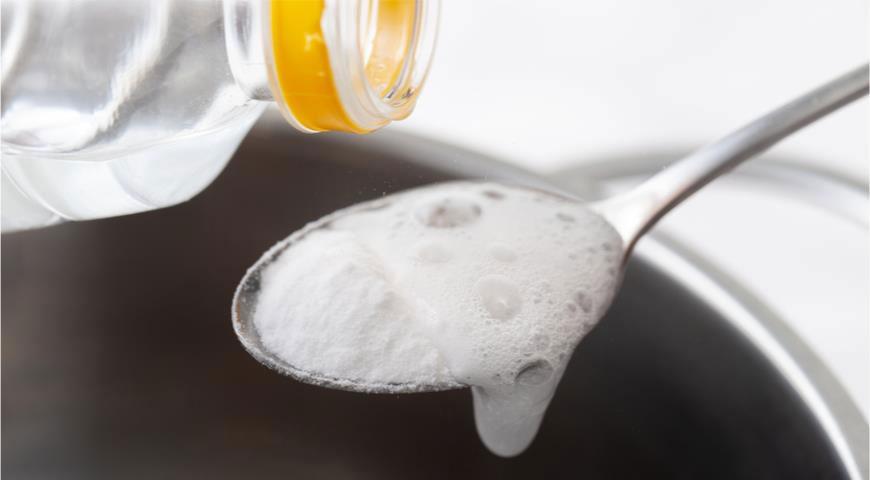
Option #3 – baking soda quenched with vinegar
Depending on the recipe, two options for use are possible:
- Add baking soda to the flour and vinegar to the liquid component. The baking soda is slaked during the kneading process. The downside is that there's no way to ensure all the baking soda reacts (if any particles remain, a characteristic aftertaste will develop).
- We dissolve the baking soda in vinegar and add it to the dough after the initial reaction. This method is most often used in classic charlotte and apple pie recipes, as well as in pancake, cupcake, and muffin recipes.
Option #4 – strong alcohol
Another option for replacing traditional baking powder to achieve a rising effect in baked goods is strong alcohol (vodka, cognac, rum). If the classic recipe doesn't specify how much alcohol to add, feel free to use 1 tablespoon per 1 kg of dough.
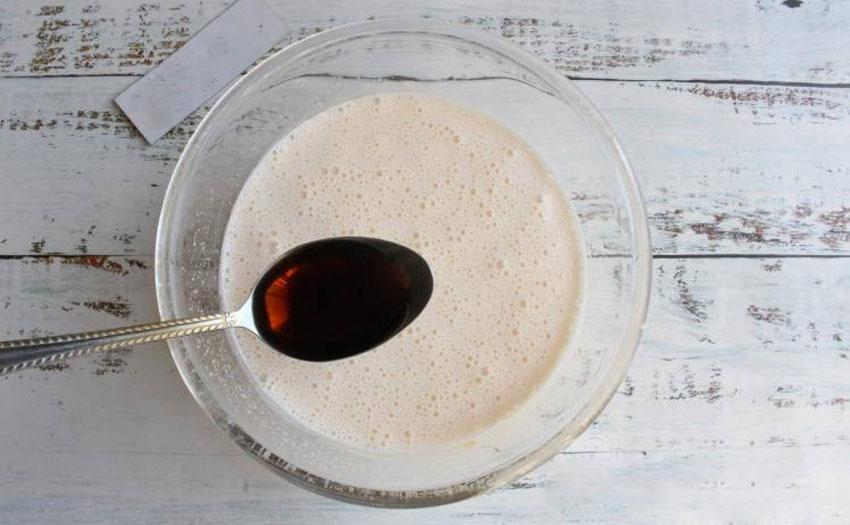
This method is best suited for making shortcrust pastry (for cookies) and also improves the texture of yeast dough made with a pre-dough starter. Rum, cognac, or vodka make the dough looser, resulting in airier baked goods and crisper cookies.
Option No. 5 – highly carbonated mineral water
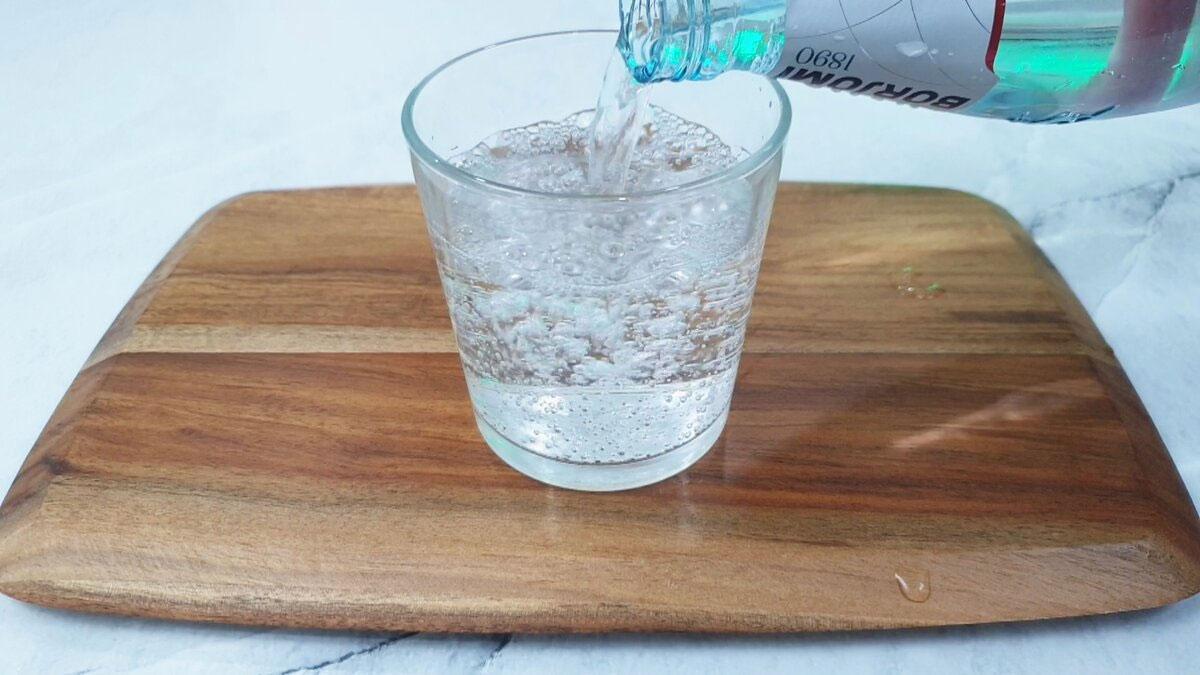
It's worth keeping in mind that, unlike baking soda, the amount of gas bubbles produced when mixing dough with mineral water will not increase during the baking process. You can use highly carbonated mineral water to make pastries, unleavened dough, or choux pastries.
Is it possible to do without baking powder at all?
We've covered in detail how to replace baking powder, but there are times when you can do without this ingredient altogether.
For a recipe for this perfect sponge cake without baking powder or soda, watch this video:
Another situation where you don't need to worry about substituting baking powder is if you plan to bake with self-raising flour. Ready-made mixes, often available in supermarkets, typically already contain all the ingredients needed for rising and baking in the optimal ratios, meaning there's no need to add baking powder or soda to the dough.