5 Common Mistakes When Whipping Cream

Content
Cream is considered one of the most sought-after ingredients in confectionery, as it's often used in dessert creation. It's used in making crèmes, mousses, caramels, and other desserts.
Stores offer a wide variety of this product, offered by different manufacturers and with varying fat content. Depending on the type and composition of the cream, the methods for restoring the dessert if the cream curdles during whipping will vary.
To avoid wasting an expensive product, it's worth knowing in advance what problems a novice pastry chef might encounter when whipping cream. This article will cover these issues. I'll also share ways to fix the problem if something does go wrong.
5 mistakes that cause cream to curdle and separate when whipped
Cream is a product made from whole milk by separating the upper layer of fat. Cream can then be used to make butter, ice cream, and sour cream. It also serves as a stand-alone product, used as an ingredient in desserts.
All types of cream vary in fat content. This article, which discusses how to save cream that has separated, focuses on cream with a fat content of 33-35%. This type of cream is made from cow's milk and is therefore considered natural.
This is important, as you can find plant-based products in stores—not even coconut cream, but completely artificial ones. They differ in taste and texture from the natural product, and therefore the rules for handling them are completely different.
When working with a natural product, specific problems arise that explain why cream separates.
There are five main reasons why this situation might occur.
1. Incorrect fat content
Pastry chefs typically choose high-fat cream. Only with this type of cream can they form a dense mass that will remain stable during further processing. Whipping cream with a lower fat content is simply pointless, as it's not designed for this type of work.
Cream with 10% fat is chosen for making coffee, while 20% fat is suitable for sauces. Cream with 33-35% fat is considered the most delicious and best for whipping.
2. The storage temperature regime was violated
Cream, being a dairy product, must be kept cold. To do this, place it in the refrigerator, where it remains at a temperature of 2-8°C. However, cream should not be stored in the freezer. Excessively low temperatures for a natural product will cause the cream to liquefy, separating into butter and whey. Furthermore, it's important to remember that tampering with the packaging will reduce the shelf life of the product by half.
If the cream turns into flakes while whipping, it means the product was frozen. In this case, the temperature control is also incorrect, and if there is any unused cream left, you should wait until it warms up sufficiently.
3. Using unrefrigerated cream
Cream for custard, mousse, and other desserts must form a dense mass and hold its shape. This requires it to be chilled. It should be refrigerated for at least 4 hours immediately before use.
If you need to prepare quickly and are short on time, you can put the cream in the freezer, but for no longer than 15 minutes. This will quickly cool the product, but it's important not to overcook it.
Additionally, pastry chefs often place the bowl and whisk used for whipping the cream in the freezer. It's important to keep all utensils dry and clean. This helps speed up the whipping process.
Working with warm or slightly chilled cream will not produce the desired results. Such cream will simply not whip or will separate during cooking.
4. The cream was whipped too quickly.
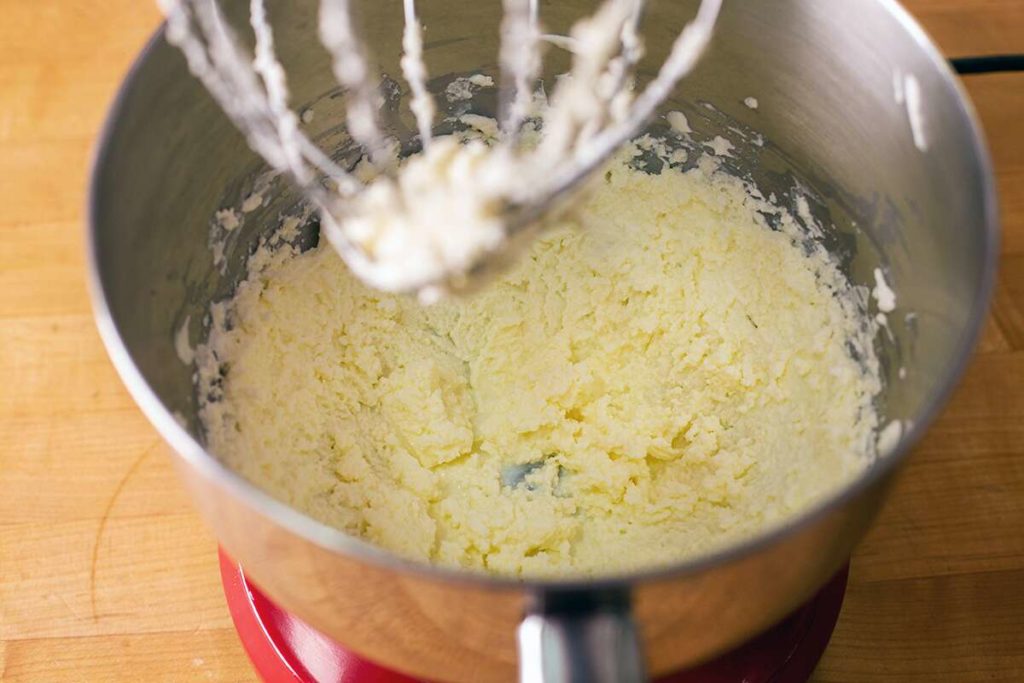
When whipping cream, never rush. Using a mixer at high speed will cause the cream to whip into butter and quickly curdle.
When using a mixer, it's important to increase the speed gradually and not rush. Start with low speeds, otherwise you risk overwhipping the cream.
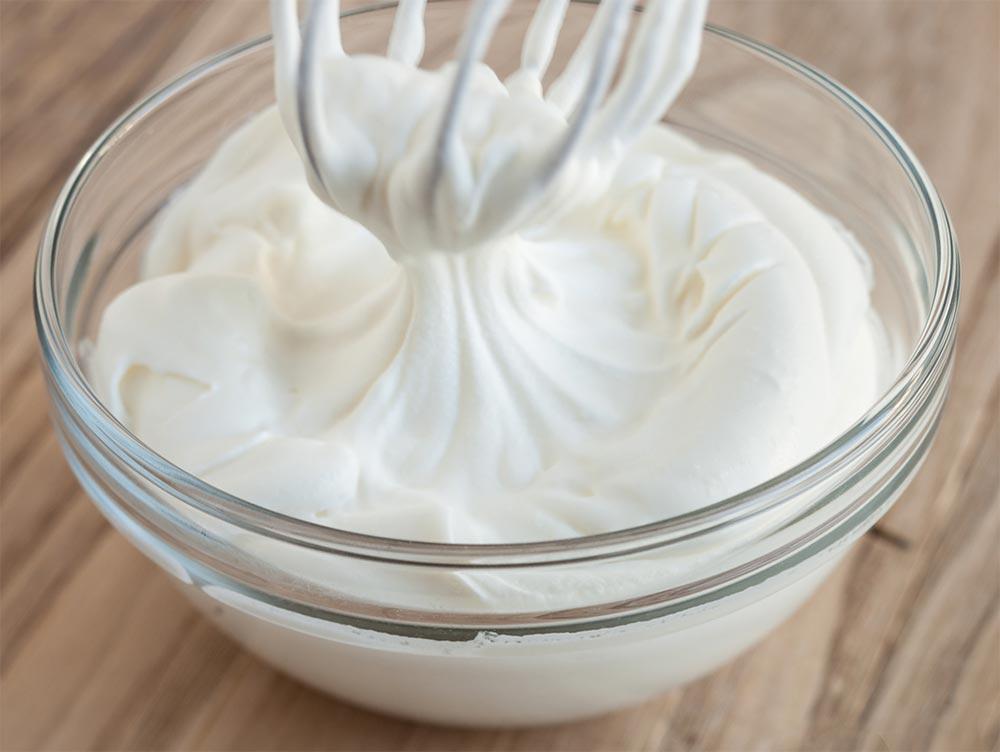
5. The cream was whipped for too long.
Whipping cream for too long is also a bad idea, as it's extremely sensitive to various influences. Often, novice pastry chefs, striving for a stable consistency, whip cream for a long time, unaware that this can ruin the mold.
If you whip cream for too long, it will begin to separate, separating into butter and whey, after which you will urgently need ideas on how to revive the resulting substance.
For example, when making ganache, cream and chocolate often curdle if they're stirred too long and too vigorously. Similarly, cream and condensed milk often curdle when whipped at high speed. Once the cream reaches the desired volume, reduce the speed to low and stir it in with the condensed milk, rather than whisking with a mixer.
What to do if the cream has curdled
If the cream doesn't work out during the preparation process, the resulting mixture doesn't necessarily have to be discarded immediately. There are several ways to fix the problem. To restore the shape, you'll need to use a double boiler. Place the container with the separated cream in it, warm it slightly, and whisk constantly. The heat will help the lumps begin to melt.
When most of the lumps have dispersed, remove the container from the water bath and continue stirring until the consistency becomes completely homogeneous.
After this, you need to put the final result in the refrigerator and let the cream cool.
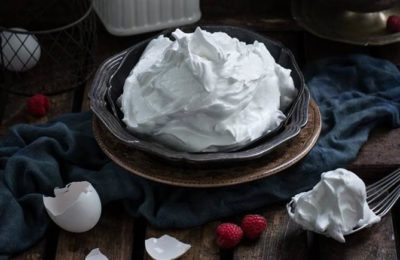
The chilled version is then removed from the refrigerator and whipped with a whisk, without using a mixer, until soft. This cream is then ideal for tiramisu, mousses, and other desserts. Its soft consistency also makes an excellent alternative to whipped cream.
However, the cream rehabilitated in this way won't whip to a firm consistency. If you need this kind of whipping cream, you'll have to go back to the store.
Is there anything you can do with over-whipped cream?
While whipping the cream, it's important to stop the mixer occasionally to check the resulting consistency. When it becomes stiff enough, stop whipping immediately and turn off the mixer.
If you continue to beat the resulting mixture, you risk creating cream that will turn into curds. If the final result is too thick, lumpy, or clumpy, you need to make the consistency more fluid. To do this, add the remaining liquid cream to the mixture and slowly whisk it together, without using a mixer.
Conclusion
Cream is a demanding ingredient that requires careful attention and strict adherence to cooking techniques. The slight difficulties involved in its preparation are offset by its delicate, rich flavor and its ability to be used in a variety of desserts.
You can try to rehabilitate a poorly formed mass, and when you don’t want to mess with it, the separated cream is well suited for muffins and biscuits if the recipe calls for sour cream, which is replaced with whipped cream.
Thus, even a product that seems unsuccessful at first glance may ultimately be beneficial.