How to tell if the meringue is ready

Content
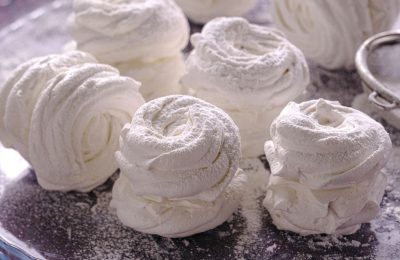
Whipped egg white desserts are among the most popular and, at the same time, the most difficult to prepare. Today, we'll take a detailed look at how to properly bake egg white meringue in the oven, how to tell when the roll is done, and how to tell if the meringue needs to continue cooking for a while.
Features of making meringue
Each dessert containing baked meringue has its own unique preparation process. Our website offers detailed recipes with photos and cooking instructions:

Before we discuss how to tell if a meringue is ready, it's worth clarifying that the quality of the finished product is largely influenced by the following important factors:
- the density of the protein whipping (when whipped, the protein cream should be thick and homogeneous);
- the size of the product (the thicker the layer, the more likely it is that the mass inside will not bake well);
- compliance with recommended parameters (temperature and cooking time may vary in different recipes).
Recommendations from confectioners
Depending on whether you want to get completely dried meringues that will be crispy, or a roll base that should remain flexible for rolling, the recommendations may vary.
How to bake meringues
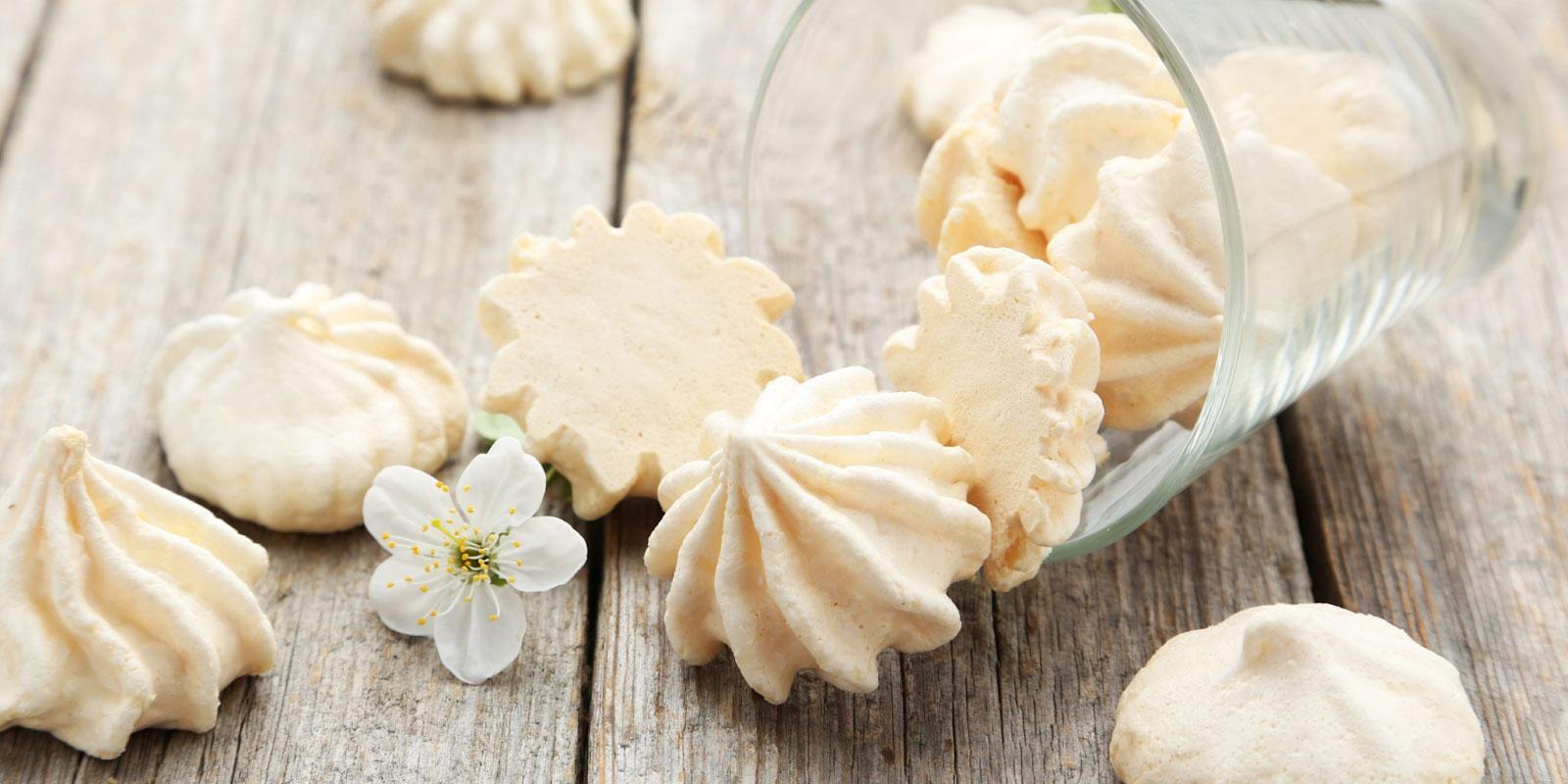
Place parchment paper on a baking sheet and pipe meringue using a piping bag or a syringe, using the protein cream prepared according to the recipe.
The temperature of the mixture should be between 22-25°C. Many believe that it's better to beat cold egg whites, but if you're planning on baking the meringue, the porous structure created by beating warm egg whites is much better.
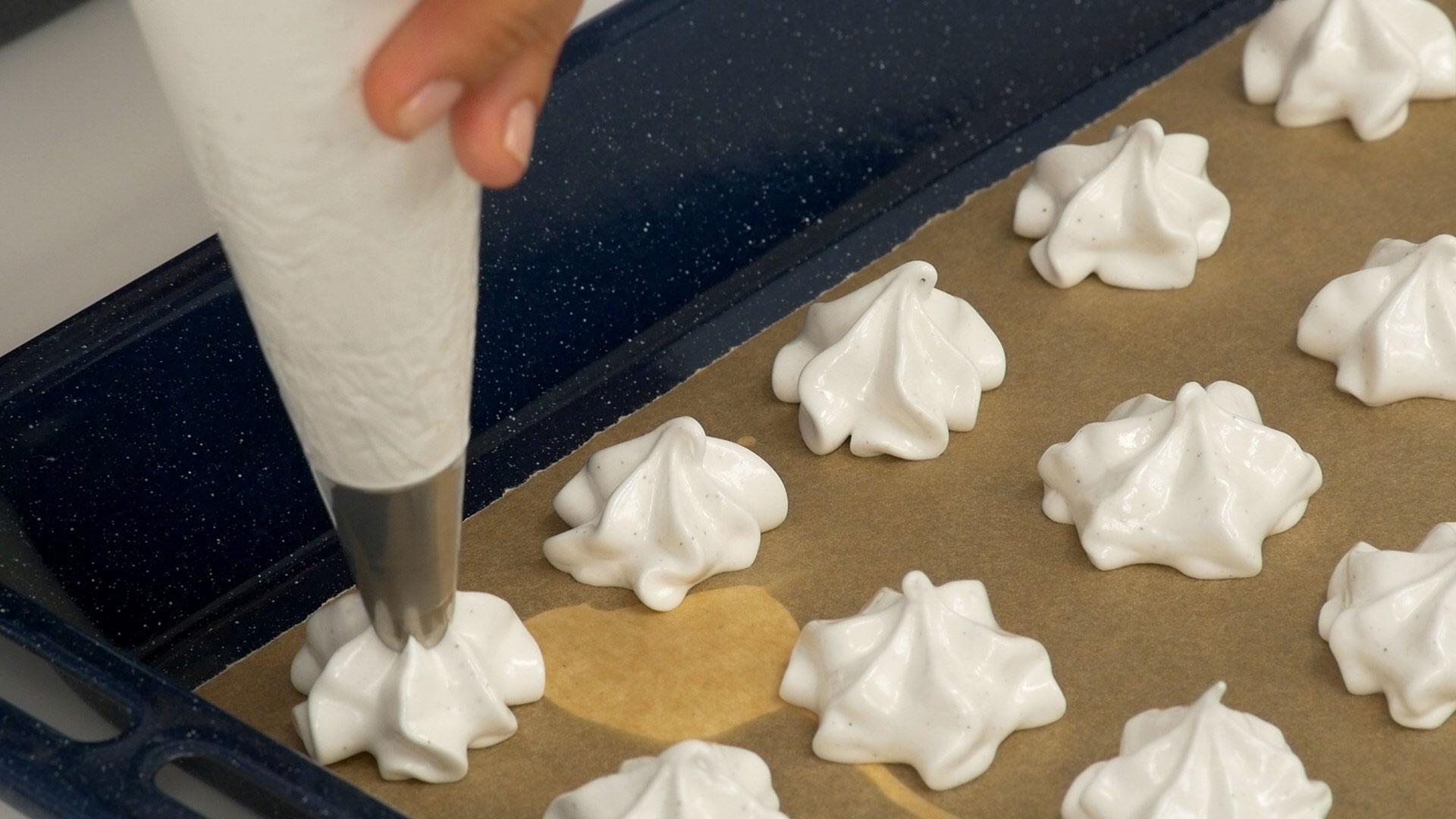
In practice, confectioners have developed the following recommendations:
- at temperature 110-150°C you can get tender and soft cakes inside (naturally, baking will happen faster and will take about an hour), but there is a high probability of cracks appearing;
- at temperature 90-110°C in 1.5 hours you get crispy, but sometimes not completely dried out meringues;
- at temperature 70-90 °C In 2-2.5 hours you can make perfectly crispy, non-sticky inside and not overcooked sweets.
By the way, meringues for the Pavlova dessert are dried in a similar way, but they should not be cooked to a crispy state, but left slightly soft inside.
Every oven bakes differently, so you always have to adjust to the nuances of cooking in a gas or electric oven, with or without convection. Therefore, it's important to know how to tell when the meringue is ready, or at least when it's safe to open the oven door.
We recommend focusing on the following points:
- The appearance of a delicate caramel color on the surfaceThis sign alone doesn't mean the meringue is completely ready, but it does indicate that the top layer is already strong enough that opening the door won't ruin the dessert.
- The sound when tapping on the crustTake one cake and test its doneness by tapping it with a spoon. If the crust doesn't dent and you hear a slight crunch, the meringue is baked well.
- Visual inspectionBreak one meringue apart and make sure the cakes are completely dry and there is no sticky, stringy mass inside.
When explaining how to tell if a meringue is ready, experienced cooks sometimes conceal the fact that they place several "control" meringues of different sizes on a baking sheet, which they can then use to easily check the readiness of the entire batch.
For more information on all the secrets of making meringue, watch this video:
How to bake a meringue roll
Knowing when a delicate meringue roll is done and ready to roll is a science in itself, as the ideal combination is a dense, crispy crust and a soft, dense texture inside.
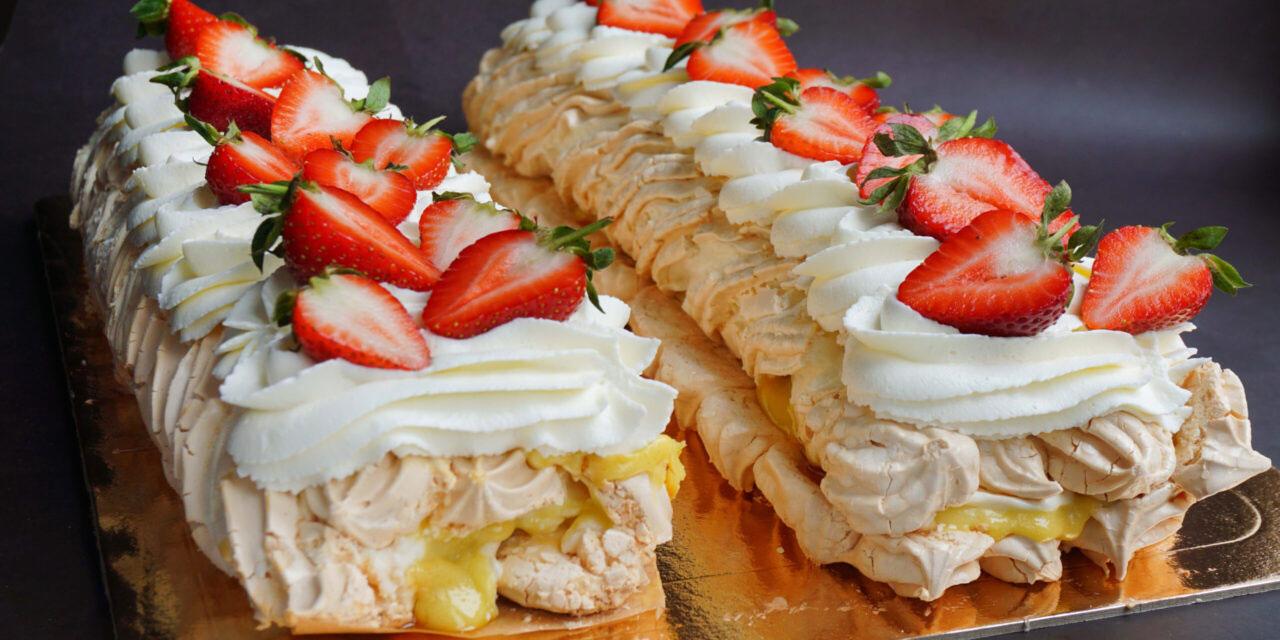
It is important not to over-dry the meringue, otherwise it will be impossible to roll it into a roll.
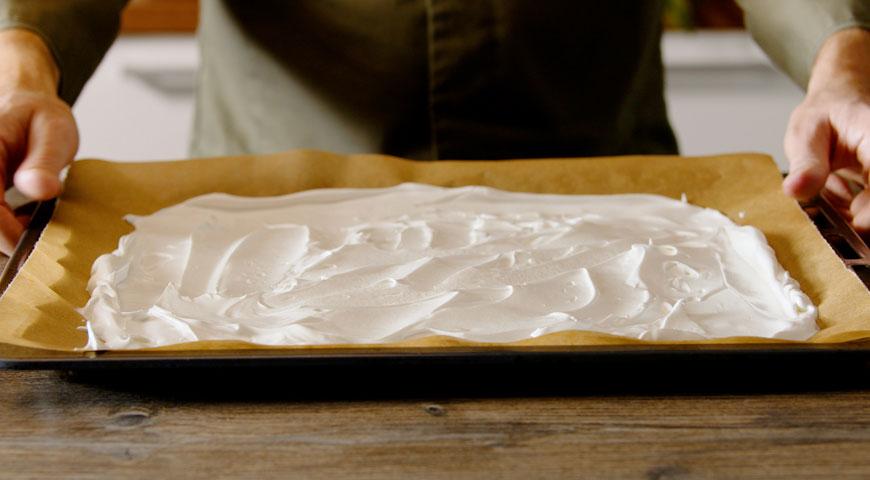
How exactly do you know when the meringue for the roll is ready?
- At least 25 minutes should pass from the start of baking in a well-heated oven.
- Visually, the top layer may change shade slightly, but it may also remain white (this is not important when working with a roll).
- When tapped, the meringue should produce a characteristic dry sound.
- When pressed, it should yield but not crack.
For more information on how to tell if a meringue roll is done, as well as possible differences depending on the recipe, watch this video:
How to Bake Macaroni
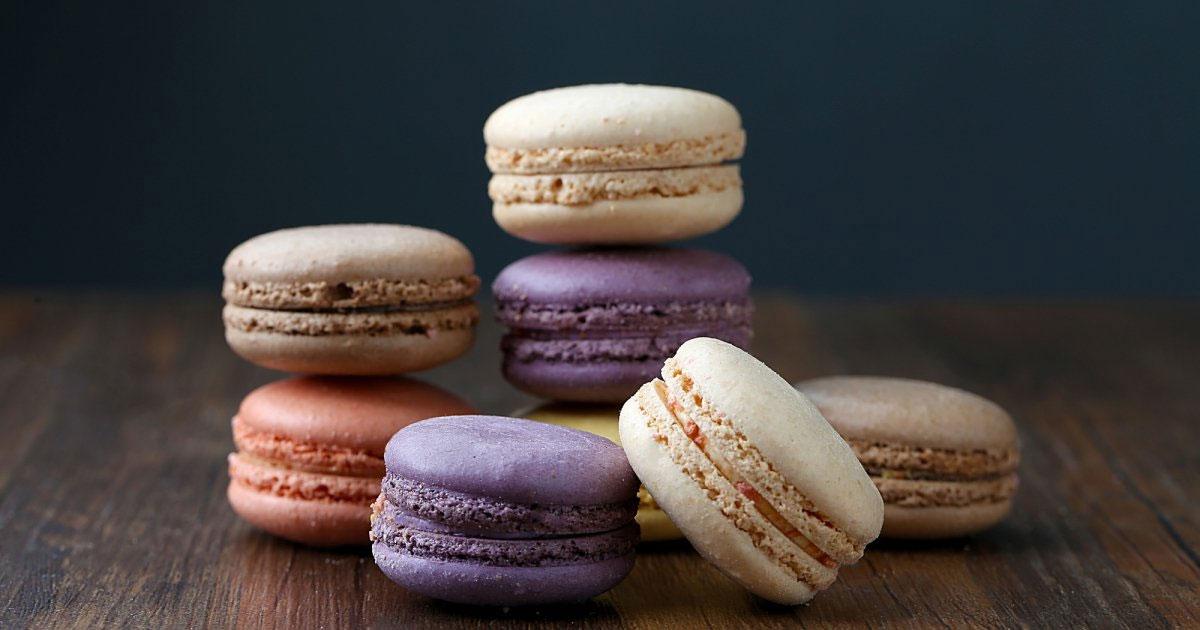
Place the macarons on a silicone mat or parchment paper, but don't place them directly in the oven. Instead, let them bake for 20-30 minutes, allowing a thin, dry crust to form on the surface of the meringue. Also, remove any excess air and compact the newly-poured caps. Experienced pastry chefs recommend tapping the baking sheet lightly on the countertop to achieve this.
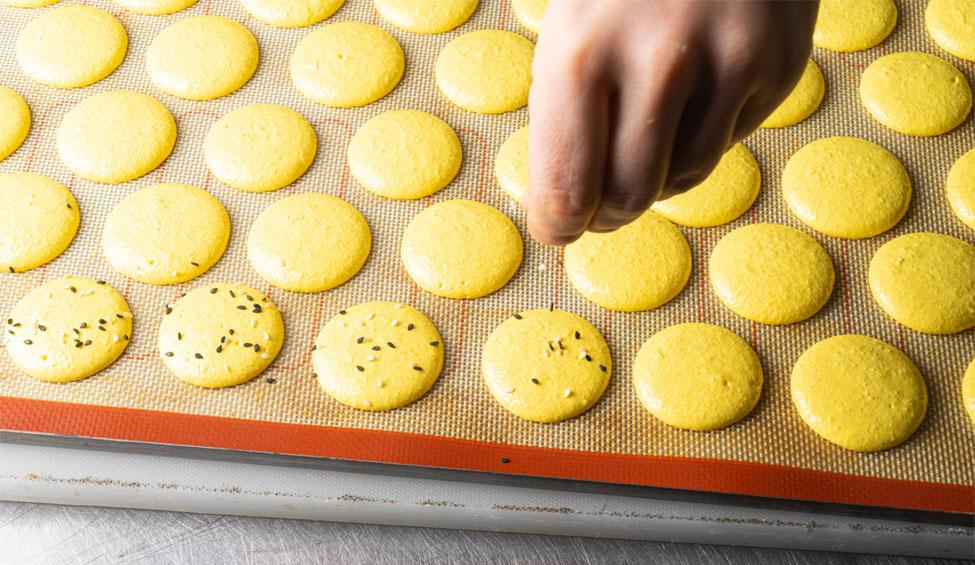
It's best to bake macarons in an electric oven, as maintaining precise temperature control is crucial. Place the macarons in an oven preheated to 150°C (300°F) and immediately reduce the temperature to 140°C (275°F). The total baking time is 10-15 minutes, but it's recommended to open the door and rotate the baking sheet after 5-6 minutes.
The baking technology for macarons is described in more detail in this video:
How do you know when your meringue is ready? Share your experiences and meringue drying tips in the comments.