How to Work with Cake Fondant: A Beginner's Guide

Content
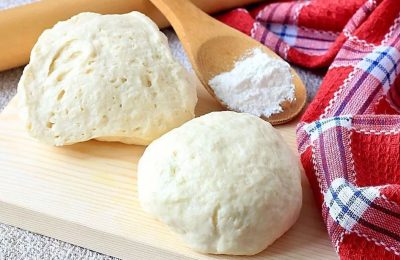
Dreaming of learning how to make beautiful, eye-catching holiday cakes at home? Start by learning the basics of how to use fondant to cover and decorate cakes. In this article, we offer a complete guide for beginners on working with sugar paste. We'll explain how to properly use store-bought fondant and homemade sugar dough, and we'll also provide a detailed step-by-step guide to covering a holiday cake at home.
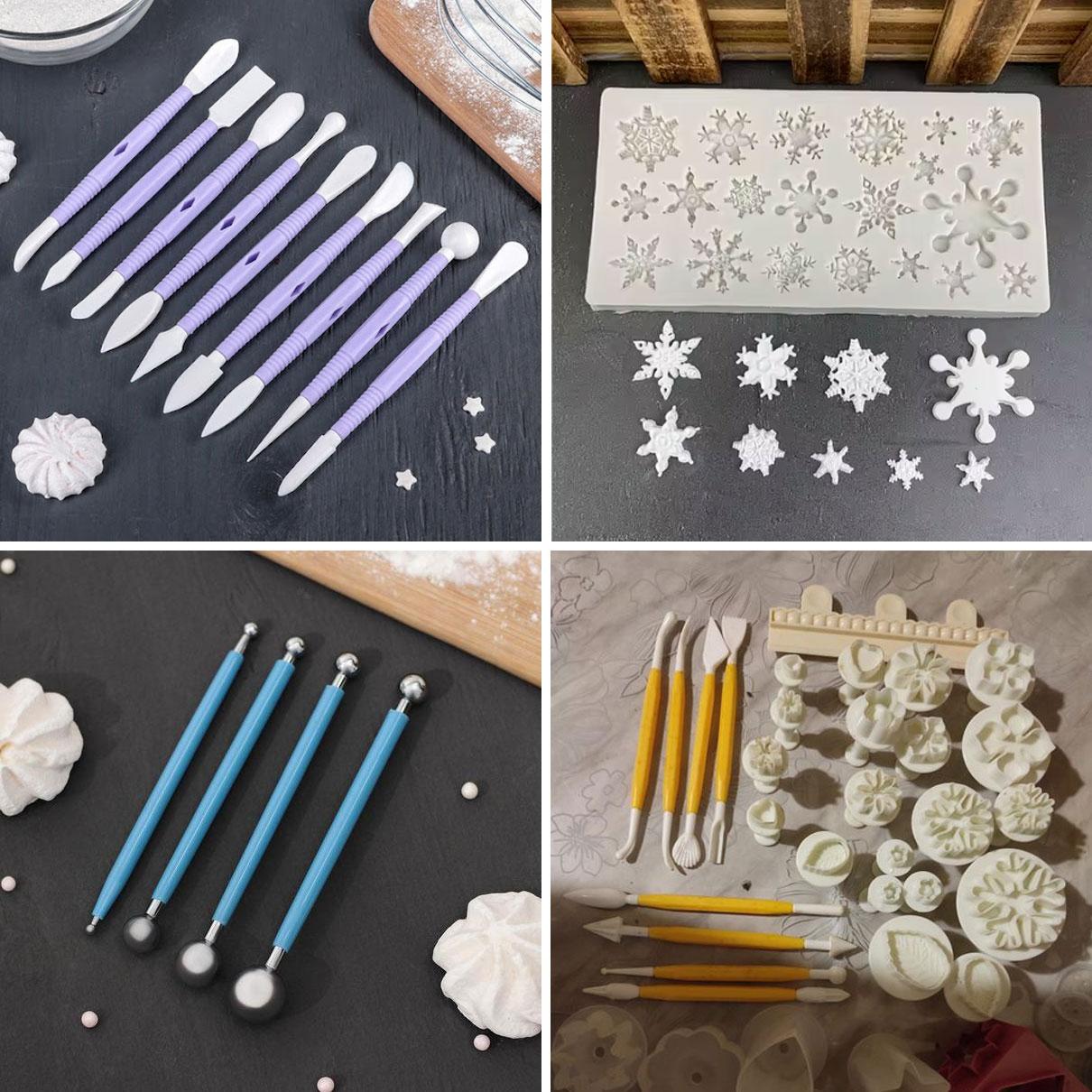
Tools for working with mastic
When decorating cakes and working with mastic in general, it is convenient to use:
- a silicone mat with special markings (to roll out the coating to the required diameter);
- with a scraper and spatulas (for leveling cream or confectionery glaze);
- a smooth silicone or acrylic rolling pin (allows you to get a perfectly smooth surface without folds);
- roller knives;
- iron (indispensable when covering large cakes);
- relief rolling pins, mats, molds (for creative decoration of confectionery products);
- cuttings, veiners, molds (when creating complex multi-component decor);
- special stacks for sculpting complex elements;
- rotating cake stand.
Types of mastic
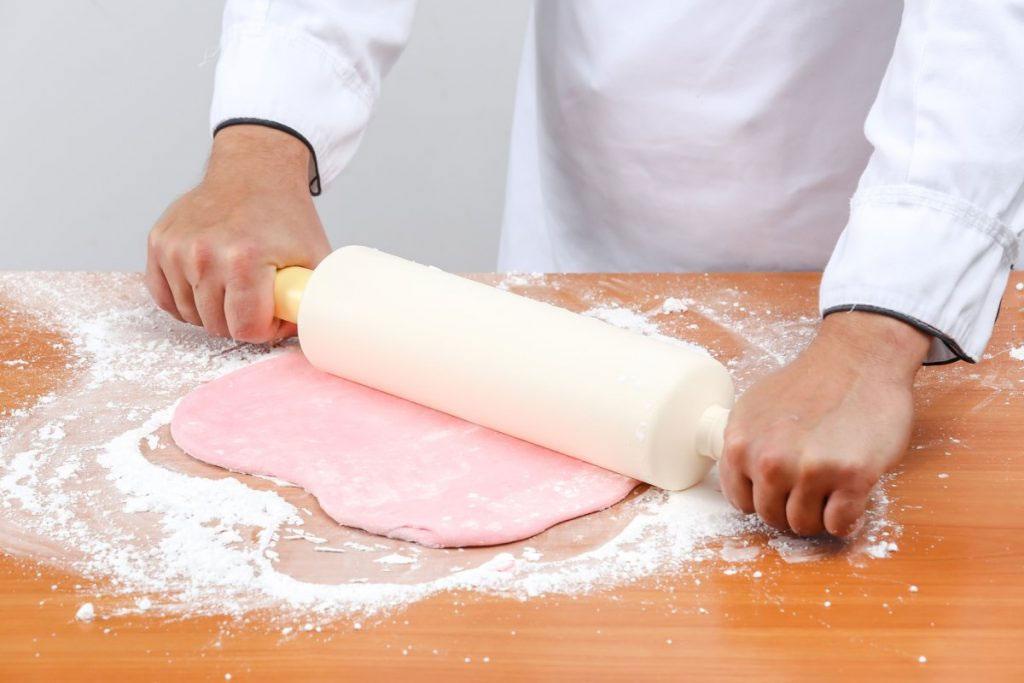
Homemade mastic doesn't have such a long shelf life, but many prefer it for its taste. Depending on the ingredients and recipe, there are several types of mastic:
- sugar;
- gelatinous;
- dairy;
- honey;
- marzipan;
- from marshmallows;
- floral (with a special adhesive component SMS for extremely thin rolling).
Sugar dough, properly prepared at home, is softer and more elastic, making it easier to work with. Furthermore, the craftsman can prepare a mastic with the appropriate properties for each type of project:
- for covering the cake – soft, pliable and elastic;
- for sculpting decorations - denser, better fixing and quick drying;
- for making the finest petals - adhesive, allowing the mass to be rolled out into a very thin layer.
Recipe for universal sugar paste
Gelatin mastic recipe
Marshmallow fondant recipe
Honey mastic recipe
How to work with store-bought mastic
Most likely, you will buy a fairly hard sugar paste at the store, since to extend its shelf life, mastic is kept at low temperatures.
Decorating cakes with mastic
Decorating a cake with fondant coating is not difficult, but it does require some skill.
Helpful tips
For beginning pastry chefs who don't yet know how to properly work with cake fondant, the following tips will be helpful:
- Be sure to isolate the fondant from the cake filling. To do this, you can apply a thin layer of rich buttercream to prevent the sugar dough from becoming too wet.
- In order for the mastic to lay evenly, the surface must first be well leveled.
- A thin mastic coating must be placed on a well-cooled cake surface.
- It is best to apply the mastic and all the decorations to the cake shortly before handing over the order to the client (on the day of serving the cake on the festive table).
- To ensure a perfectly smooth surface (without creases), use a culinary iron.
- It is important to cover the cake with fondant quickly, as the cooling sugar mass may begin to crack and will be less able to take shape after cooling.
Step-by-step algorithm
Whether you're working with homemade fondant or store-bought, the step-by-step recipe for covering a cake is as follows:
- Roll out the sugar dough to a thickness of 2-3 mm (the diameter should be generous).

- Cool the cake.
- Place a piece of mastic sheet over the rolling pin and carefully transfer it to cover the cake on top.
- To decorate a classic round cake, you must first carefully smooth and iron the top, and only then begin covering the side surface.
- Once again, carefully smooth out all surfaces with an iron.
- Trim off excess edges.
- Trim the bottom edge.
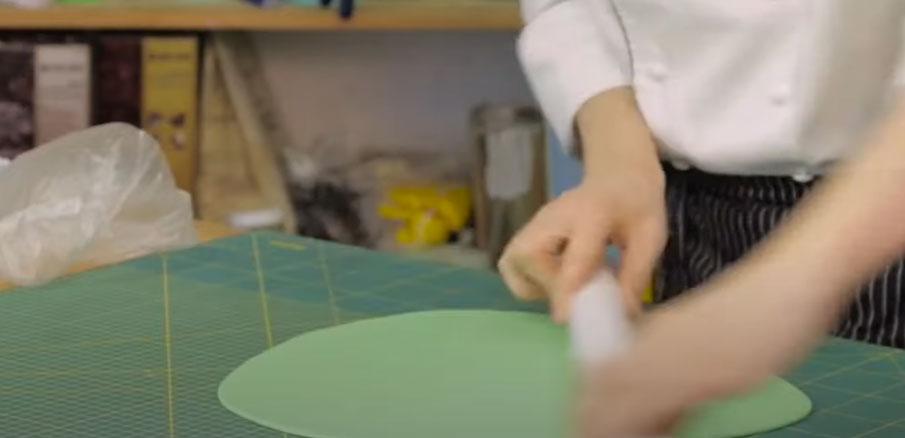
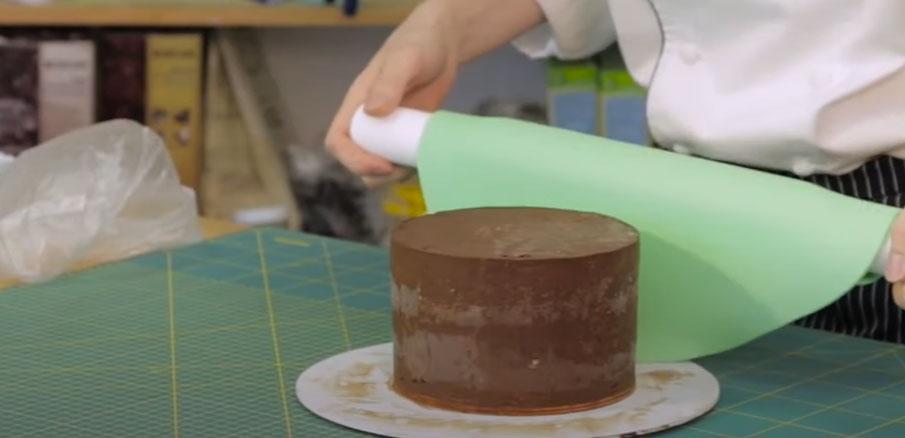
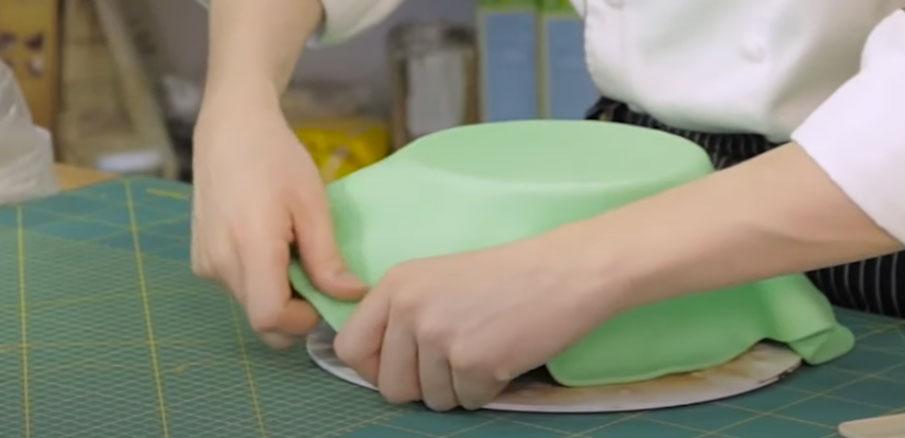
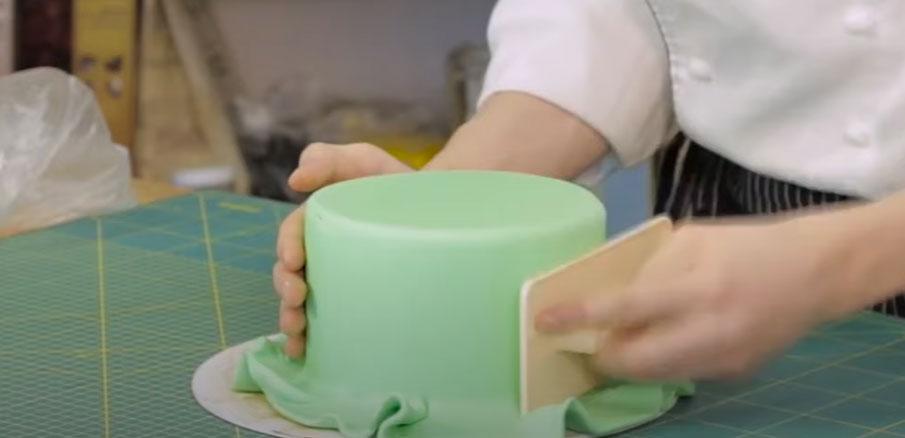
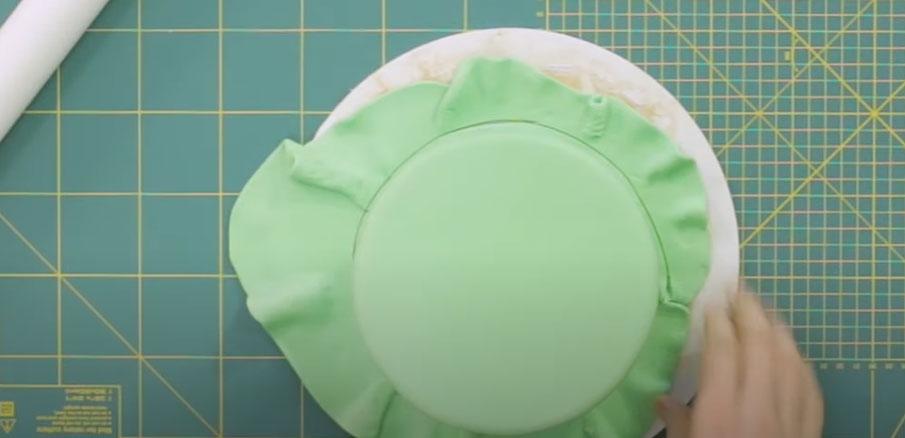
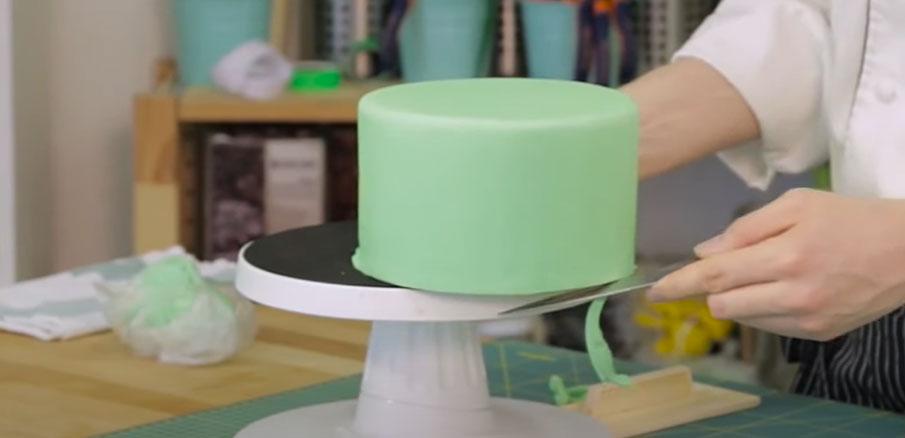
Next, you can begin the process of decorating the cake.
Possible problems
Molding decorative elements from mastic

For those who want to learn how to create their own mastic decor at home, the following tips will be helpful:
- To ensure the rigidity of three-dimensional figures, reinforcing elements (for example, wooden skewers) are often used.
- To glue the fragments together, the joint is coated with water or pasteurized protein.
- It is better to prepare large decorations in advance, since such figures can take several days to dry.
- After drying, mastic flowers are stored in a place protected from humidity and temperature changes, as any moisture can quickly ruin the delicate petals.
- The cake is decorated immediately before being given to the customer (or even better, before serving).
- Assembly and decoration of multi-tiered structures with complex, exclusive mastic decor can be carried out at the venue.
Top 5 Questions About Working with Mastic
2. How long does it take for mastic to dry?
Typically the drying process takes 6-24 hours.
3. Is it possible to revive dried mastic?
You can warm up the mastic, after which you'll need to knead it thoroughly. If the sugar dough has dried out so much that it simply crumbles, it's impossible to restore its original structure.
4. Is it dangerous to eat mastic?
Yes, all types of fondant (both homemade and store-bought) are edible. However, if fondant figures have been stored for a long time, it's best to use them as non-edible decorations, as the sweet paste is an ideal breeding ground for bacteria.
5. What can replace mastic?
One of the most popular analogues of sugar dough is marzipan.
Fondant Cake Design Ideas
Now you know how to cover a cake with sugar paste at home and can try your hand at implementing the easy and original holiday cake decorating ideas shown in the photos.