What kind of oil should I use to grease a baking pan?

Content
We'll discuss homemade baking, the specifics of choosing and preparing various baking pans for baking biscuits, pies, Easter cakes, bread, muffins, casseroles, and other delicious treats made from various types of dough. We'll also explain why greasing isn't always necessary, and which oil is best if you do need to grease the surface.
Types of baking pans and their features
The choice of shape largely depends on the type of baked goods you plan to prepare.
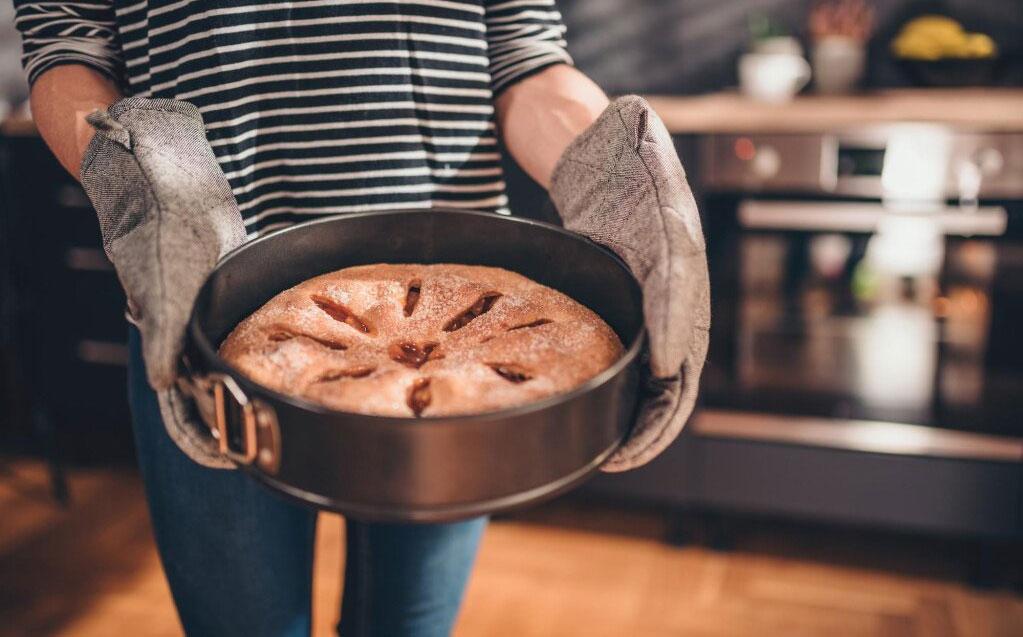
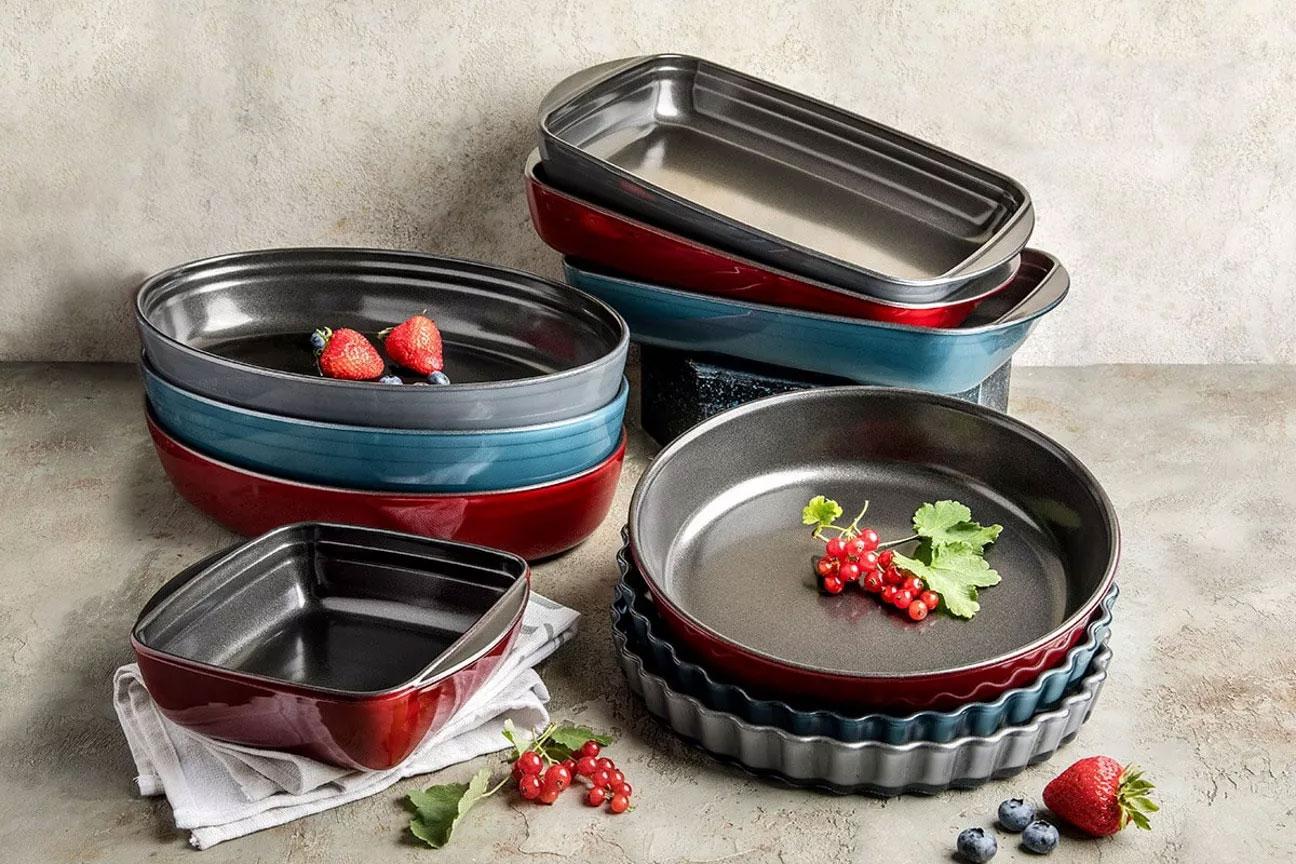
Metal molds
The most common type of baking pan for any baked goods, available in a wide range of formats:
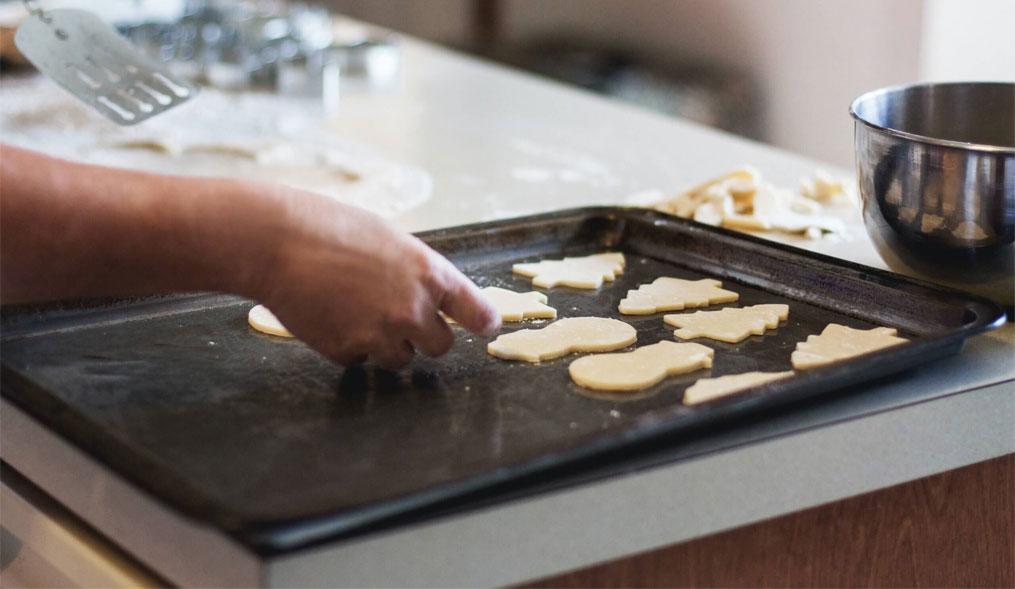
Do I need to grease the baking pan? Just a couple of decades ago, any home cook would have definitely recommended greasing a metal roasting pan, but today, when using a baking pan, you can use alternatives to prevent the dough from burning:
- foil backing;
- coated parchment paper (note that uncoated parchment paper sheets may also stick to the dough);
- siliconized paper;
- silicone mat.
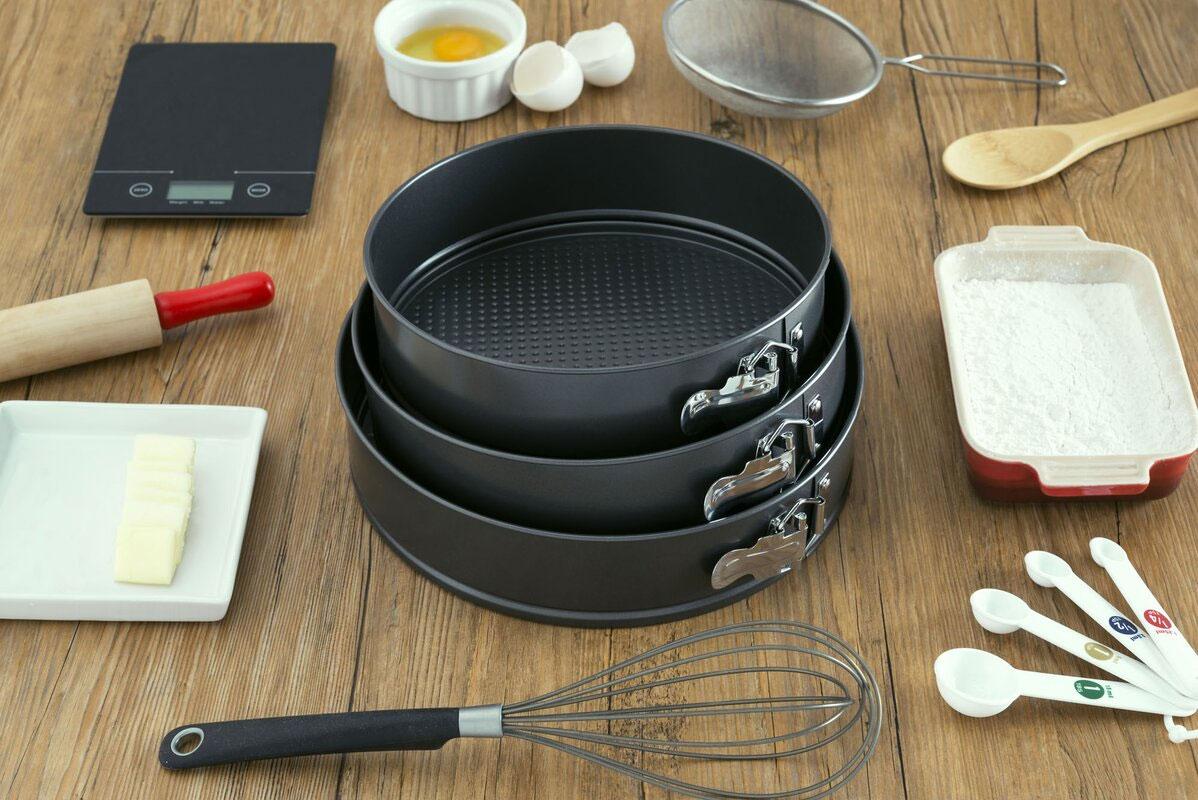
Do I need to grease a springform cake pan or charlotte pan? No, there's no need to grease the inside of such a pan; lining the bottom with parchment paper is sufficient. The tighter grip of the dough on the sides of the metal pan will allow the cake to rise better and turn out as fluffy and plump as possible.
Removing the finished sponge cake from this pan is very easy, just run a sharp knife along the side wall before opening the rim lock.
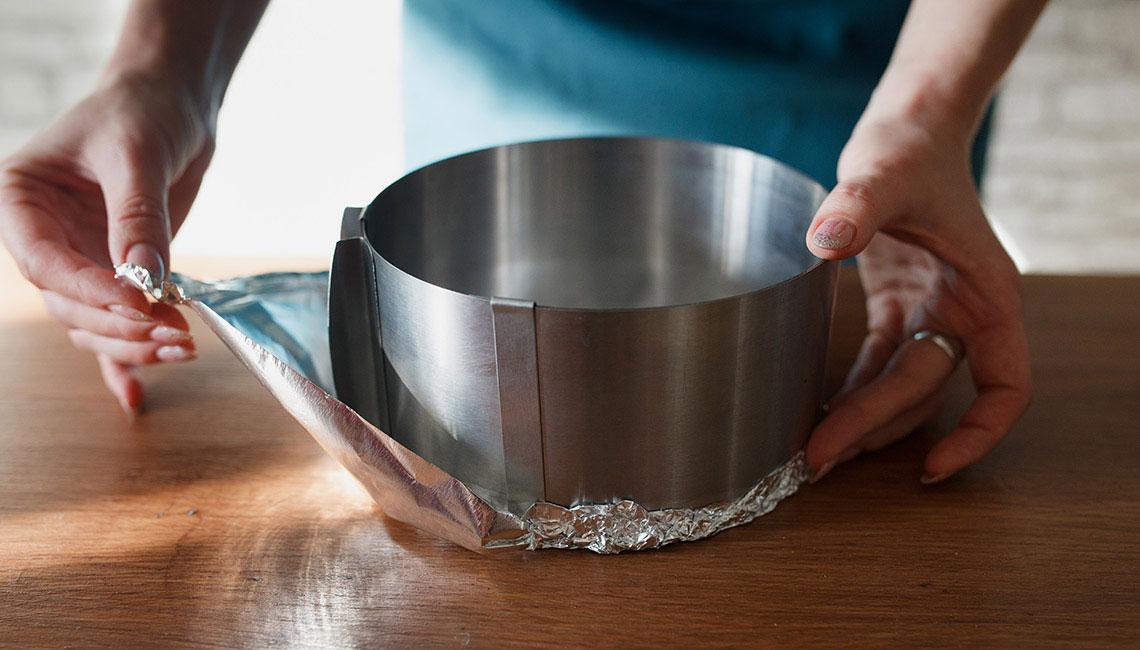
The inner surface of the ring is not treated with anything, and the bottom is made of thick foil, fixed to the outside of the ring.
Line this type of pan with parchment paper, so it's generally recommended to grease the pan with some kind of fat (we'll discuss how to grease this type of baking pan below). To prevent the dough from sticking to the sides of the pan and to ensure easy removal after cooking, create a "cushion" under the dough—a thin layer of fat sprinkled with flour or semolina.
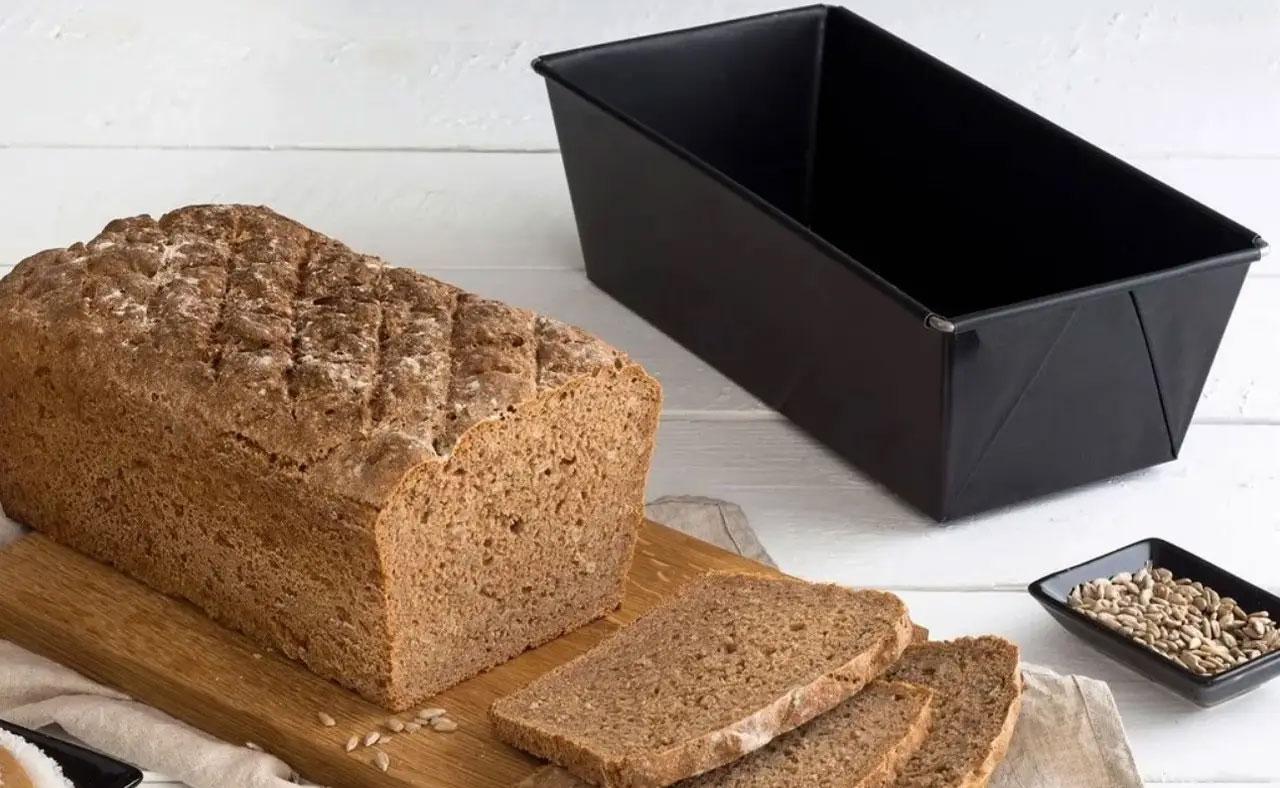
Non-stick pans
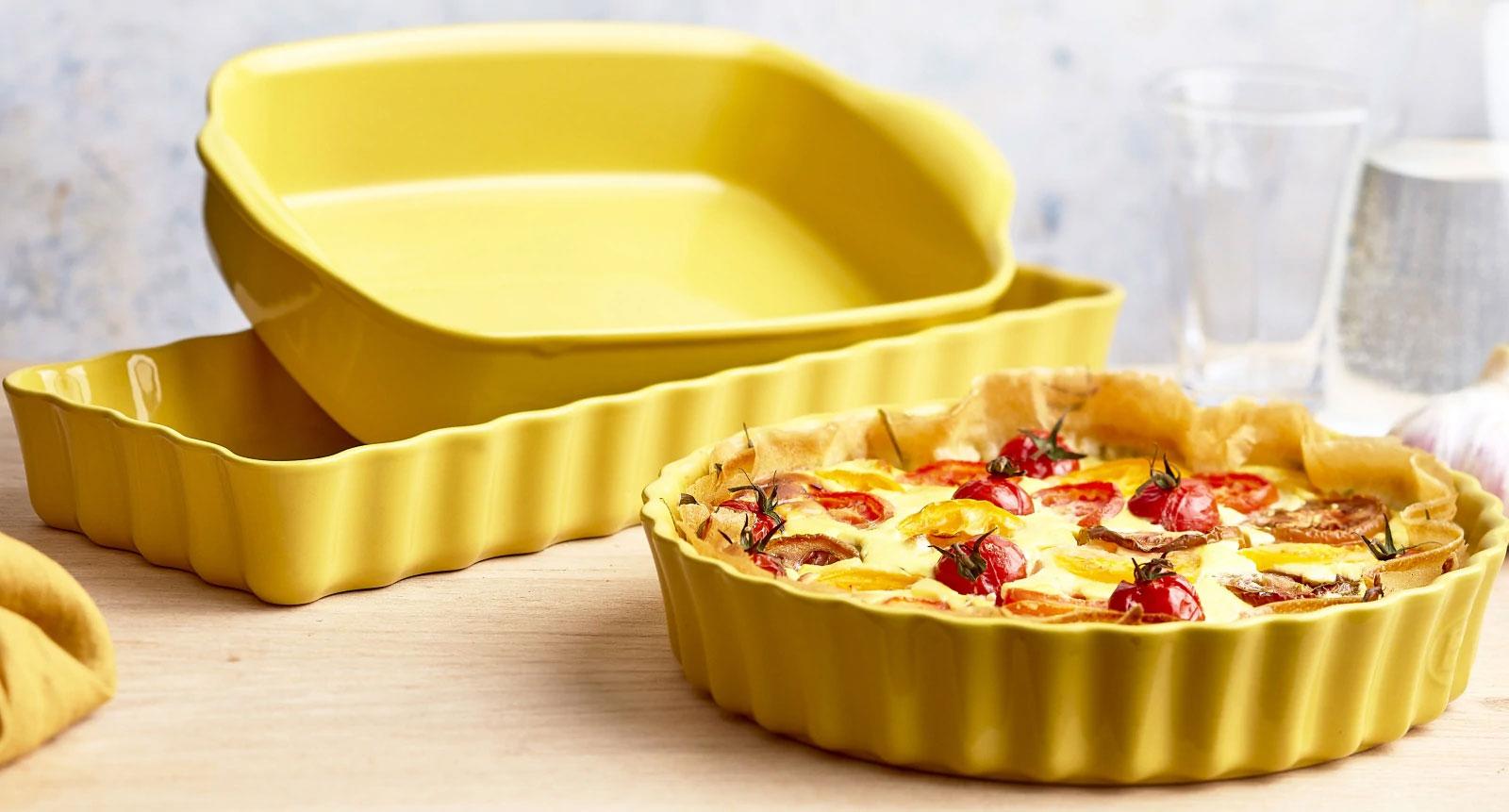
Glass and ceramic molds
Silicone molds
Silicone is one of the most modern materials in the pastry chef's toolbox. Silicone molds offer many undeniable advantages:
- withstand high temperatures and freezing;
- allow you to implement any design;
- do not require greasing;
- separates perfectly from finished baked goods;
- easy to clean.
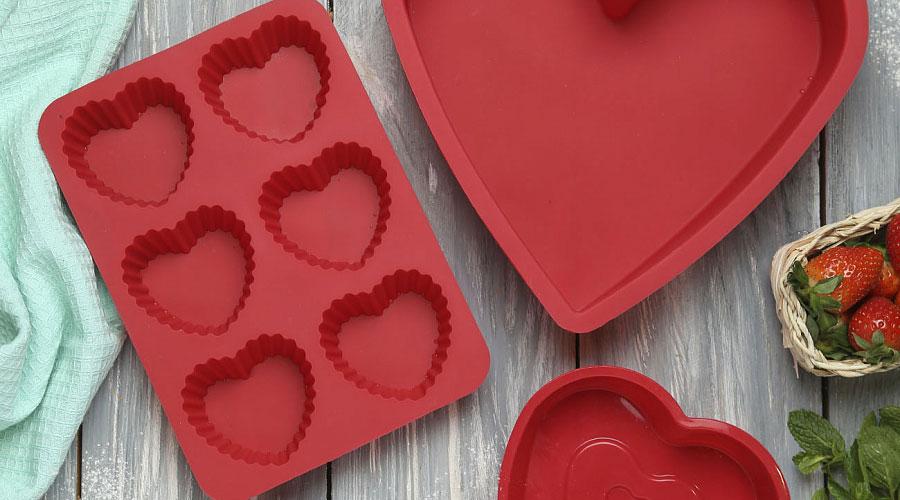
You often read reviews from homeowners along the lines of, "I bought a silicone mold and forgot about my problems!" If you want your mold to last as long as possible and truly appreciate all its benefits, choose products made of dense, high-quality silicone with a perfectly smooth interior.
When is it necessary to grease the mold?
Having familiarized yourself with the features of modern cookware, you've realized that in many cases, the question of what to grease a baking pan with to prevent sticking is largely a non-issue. However, if you're planning on baking and don't have parchment paper or foil at home to cover metal pans (or if you plan to use non-split pans), the surface that will be in direct contact with the dough needs to be greased.
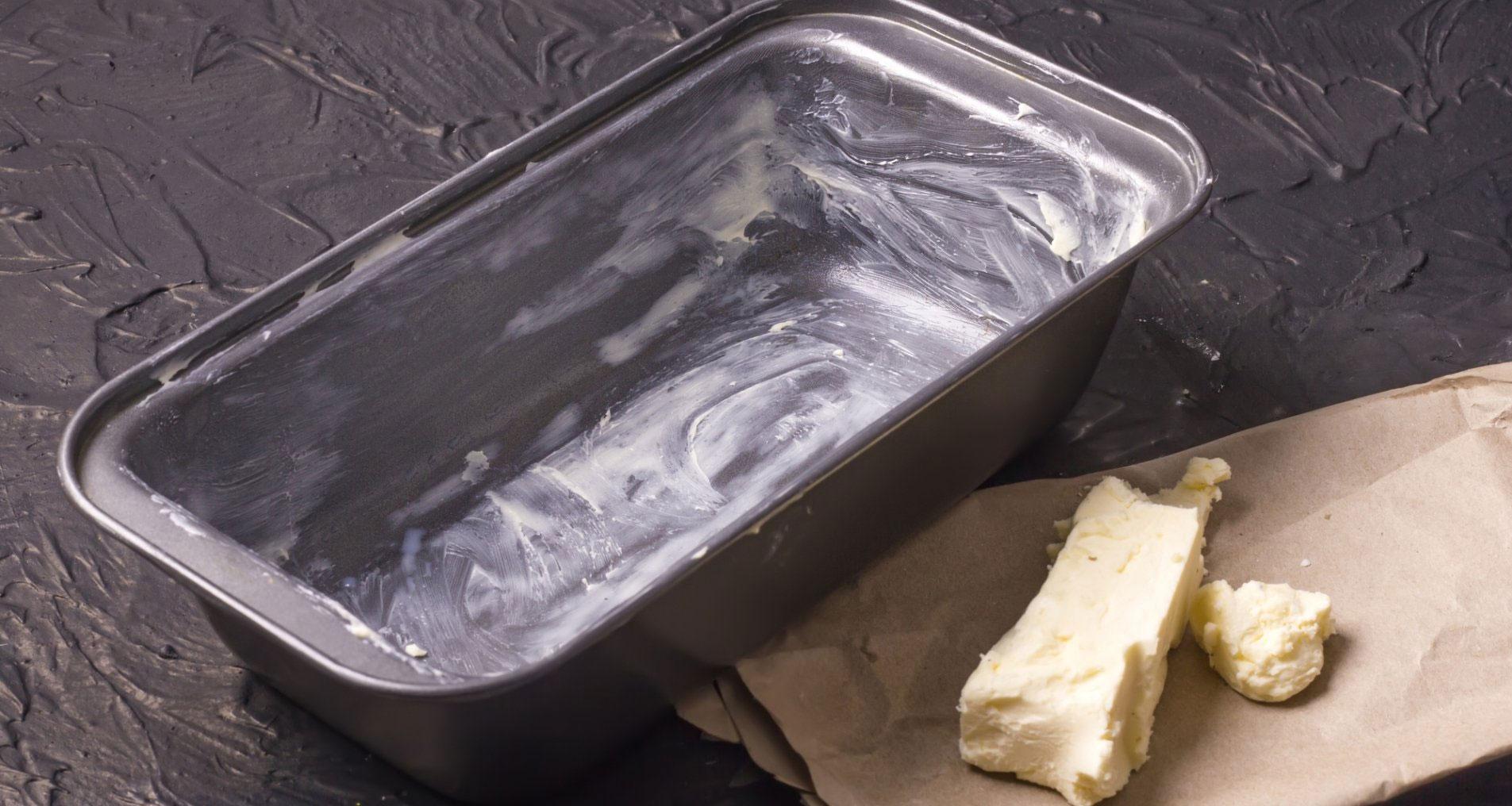
How to grease a baking pan
When choosing which oil to use for greasing a baking pan, it is recommended to choose options that do not contain water.
You can also cover the form with:
- any vegetable oil (without a strong aroma);
- lard;
- with melted butter;
- coconut oil;
- non-stick emulsion;
- special culinary lubricant (fat in aerosol form).
In most cases, greasing the baking pan helps prevent the dough from sticking to the sides of the pan, but some baked goods can absorb fat, which can negate this effect and make the finished product difficult to remove, even after greasing the pan. If you encounter this problem, use the "cushion" method—creating a layer of flour or semolina between the layer of fat on the surface of the pan and the dough to prevent absorption.