7 Common Mistakes That Cause Sponge Cake to Fall When Baked in the Oven

Content
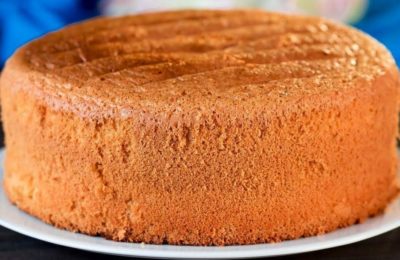
Sponge cake is the most common type of cake. This versatile baked good is quite easy to prepare, but keep in mind that sponge cake can easily collapse after baking. To prevent this, it's important to understand the reasons for this, which we'll discuss in detail in this article.
Why does the sponge cake sink after baking?
After being placed in a preheated oven, a crust begins to form on the surface of the dough, trapping air inside, causing its molecules to expand. A sudden drop in temperature compresses the air, causing the sponge cake to collapse. The molecular walls burst and cannot be repaired. Therefore, it's impossible to restore the sponginess of the dessert, even if you return it to a hot oven.
Next, let's look at why a sponge cake settles after baking in different cases:
| Characteristics of fallen biscuit | Possible reason for cake settling |
| The cake did not rise or increased in volume only slightly. | Eggs not beaten enough or dough not mixed well. |
| The sponge cake rose, but began to sink in the oven while baking. | You opened the oven while it was baking, slammed it shut, and cold air came in. Another possible cause could be a loose oven door, allowing cool air to escape through the crack. |
| The cake is burnt on top, but still raw inside. | The oven temperature is too high or the baking position is incorrect. If the cake is in the center, move it slightly lower. |
| The sponge cake rose well, but after you took it out of the oven, it fell. | Opening the door completely too early is a mistake. I recommend waiting 5-10 minutes after baking, turning off the heat and leaving the cake in the oven. |
| The cake was fluffy, but sank in the center as it cooled. The edges, however, remained high. | A sudden temperature change. They were taken out of the oven too early after baking. |
| The sponge cake rises well, but a bump appears in the center. | To avoid this, I recommend wrapping the sides of the pan with foil. |
| The entire cake or its bottom part turns out underbaked or seems “rubbery”. | The eggs and flour are not mixed well enough. |
By taking into account the reasons for settling, you will be able to bake a fluffy and fully baked sponge cake.
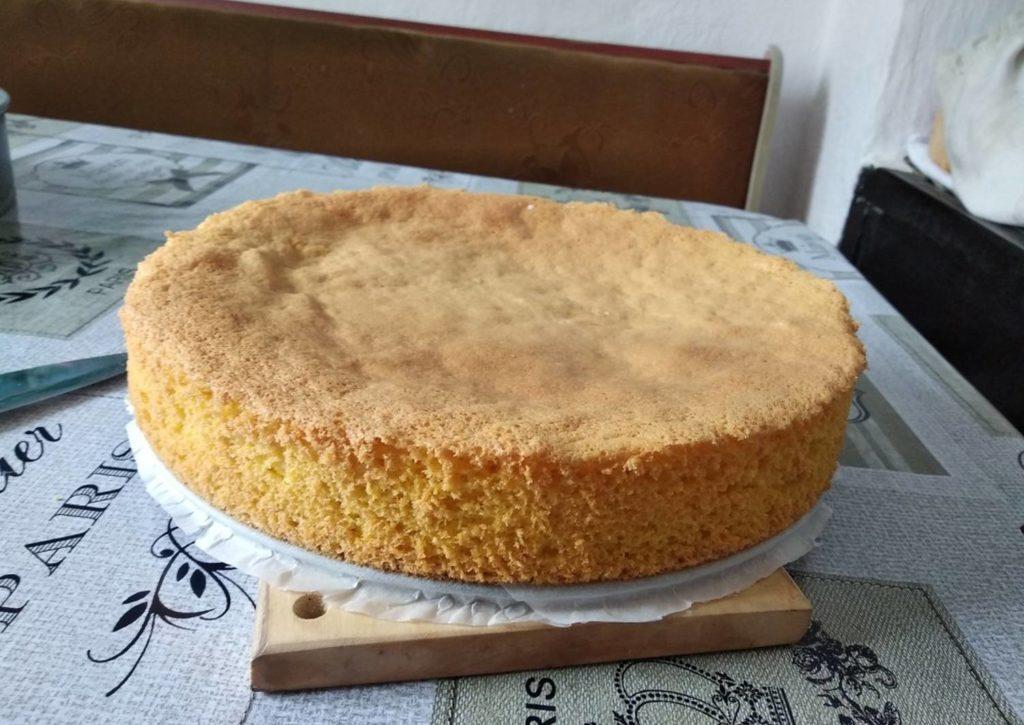
7 common mistakes
There are several mistakes that can cause a fluffy and flavorful sponge cake to collapse, leaving you disappointed. To avoid this, I recommend familiarizing yourself with the causes in advance and taking all the nuances into account when preparing the dessert. Below, we'll examine each of these mistakes in detail.
Poorly beaten eggs
A high-quality sponge cake batter should be as airy as possible, meaning it should contain a large amount of air. Therefore, it's essential to thoroughly beat the egg whites, which also add volume. With a 500-watt mixer, the recommended beating time is 7-8 minutes. If you have a more powerful mixer, 5 minutes is sufficient; if you have a less powerful mixer, about 10 minutes. Poorly beaten eggs won't hold the batter together for long, causing the cake to collapse.
I recommend separating the yolks from the whites beforehand and whisking them thoroughly separately, then carefully combining them. This will increase the chances of a fluffy sponge cake. Also, make sure the bowl you use is dry and clean. Don't mix the ingredients with a spoon.
Intensive mixing of the dough
Another common mistake that causes sponge cakes to sink is overmixing the dough when adding flour. The dry ingredient should be gradually added to the sweet mixture in small portions, gently but thoroughly mixing the ingredients with a silicone spatula using folding motions from the edges to the center. I also recommend sifting the flour beforehand (preferably several times) to aerate it. I also recommend strictly following the proportions specified in the recipe.
The oven temperature is too high when baking
Avoid preheating the oven to 180°C (350°F) before baking the sponge cake. Too much heat can also cause the cake to collapse. The optimal baking temperature for sponge cake is 160°C (320°F), with 35 to 40 minutes being sufficient for the cake to bake completely.
The oven is not preheated enough
If the oven temperature is too high, the sponge cake will rise and brown quickly, but the center will remain raw. If the oven isn't hot enough, the center of the cake won't rise and will remain sunken. Therefore, choosing the optimal baking temperature is crucial. I recommend placing the cake on the middle rack in a preheated oven at 160°C.
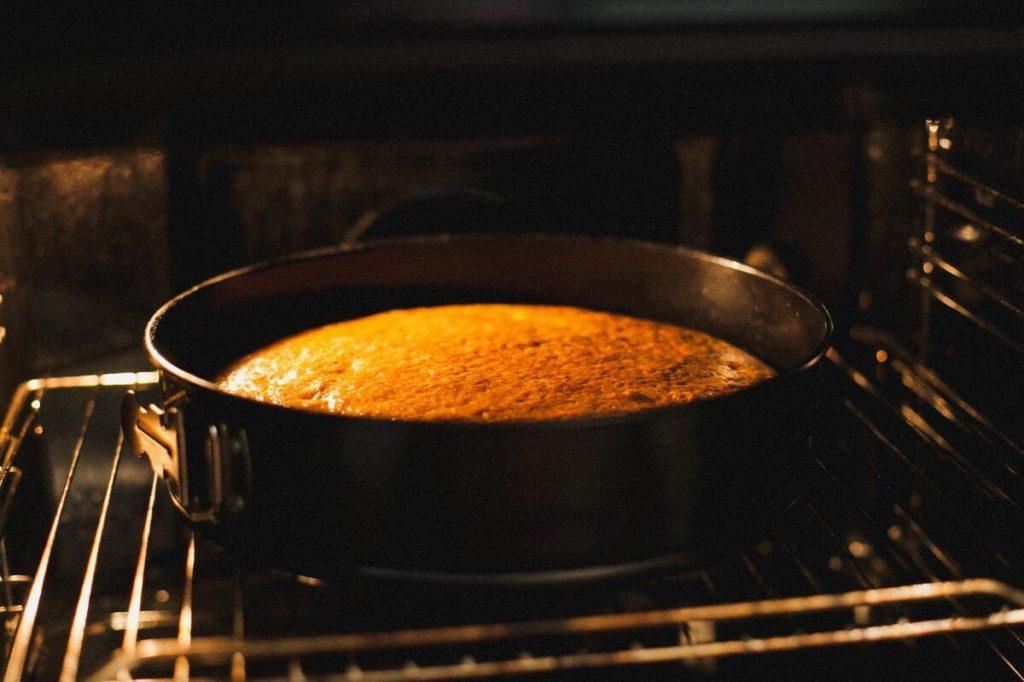
Long wait
Once you've started preparing the sponge mixture, don't waste a minute. After thoroughly whisking the eggs, move straight to mixing the dough, and then to baking. Waiting too long is a common cause of sponge cakes sinking in the oven. So, prepare everything you need in advance: grease the pan with butter, dust it with flour/semolina, or line it with parchment paper, and preheat the oven. The shorter the time the dough sits at room temperature, the more air it will retain.
A sharp change in temperature
A sudden temperature change will inevitably cause the sponge cake to settle. Therefore, I strongly recommend against checking the cake's readiness by constantly opening the oven door during the first half hour of baking. Only after the specified amount of time has passed should you check the cake for doneness. You can only monitor the dessert's progress through the oven glass. After 35 minutes, I recommend turning off the heat and waiting another 7-10 minutes with the door slightly ajar. Then, open the oven completely. After another 10 minutes, remove the finished dessert.
Wet dishes
The right bowl is crucial for making a fluffy sponge cake. Before whisking the eggs, be sure the bowl is completely dry, as excess moisture will affect the quality of the batter and cause the sponge cake to collapse. The baking pan should also be free of moisture.
What to do if the biscuit has fallen?
Many homemakers wonder if it's possible to restore the fluffy texture of a sponge cake if it has fallen after baking. Unfortunately, it's not possible. I recommend taking all possible baking mistakes into account and baking a new layer. You can decorate and serve the fallen dessert, but the baked goods won't have that special airiness. This layer can be used to make a regular pie, a roll with a layer of jam or condensed milk. It also makes a delicious "potato cake," tiramisu, or cheesecake base. You can also crush the layer into crumbs and use it to make strudel, replacing the breadcrumbs.
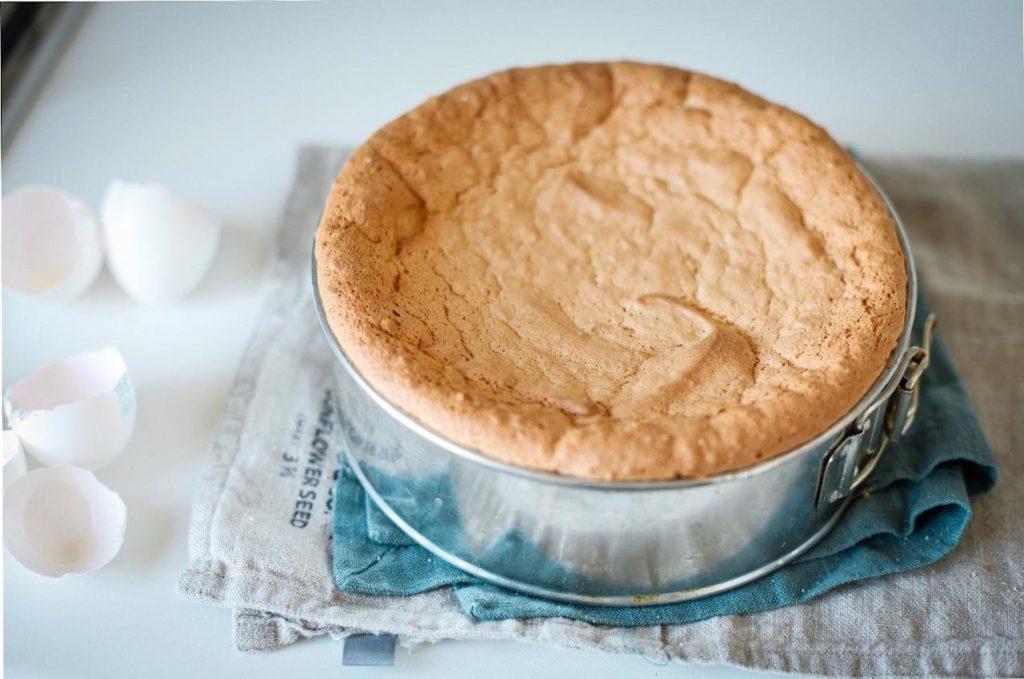
Secrets of a fluffy sponge cake
What to do to prevent the sponge cake from sinking:
- Use cookware and food at approximately the same temperature. The lower the better.
- Sift the flour 2-3 times to oxygenate it.
- Beat the whites thoroughly, preferably separately from the yolks, and then combine both mixtures.
- Reduce mixing speed when adding dry ingredients to the beaten eggs. If you beat the ingredients too vigorously, air will escape and the batter will settle before it starts baking.
- Use completely dry dishes.
- Fill the form no more than halfway.
- Preheat the oven and cook at the optimal temperature (160°) for 35–40 minutes.
- To help the cake release easily from the pan, place it briefly on a damp terry towel. Make sure it's completely cool before cutting.
If the recipe uses yolks, beat them separately with granulated sugar, and beat the whites with a small amount of salt.
What you shouldn't do if you want a fluffy sponge cake:
- Use aluminum bowls for whisking ingredients. This can cause oxidation and discoloration. It's better to use enamel, ceramic, or glass bowls.
- Keep the dough at room temperature for a long time.
- Keep the oven door open during baking.
- Once ready, take out the baked goods immediately.
By following these simple rules, you can bake an excellent, fluffy sponge cake.