Homemade baking powder

Content
Although baking powder is readily available at any supermarket, many cooks prefer to make their own. In this article, we'll explain how to make classic baking powder at home and how to properly store the mixture to preserve its lifting power.
Baking powder
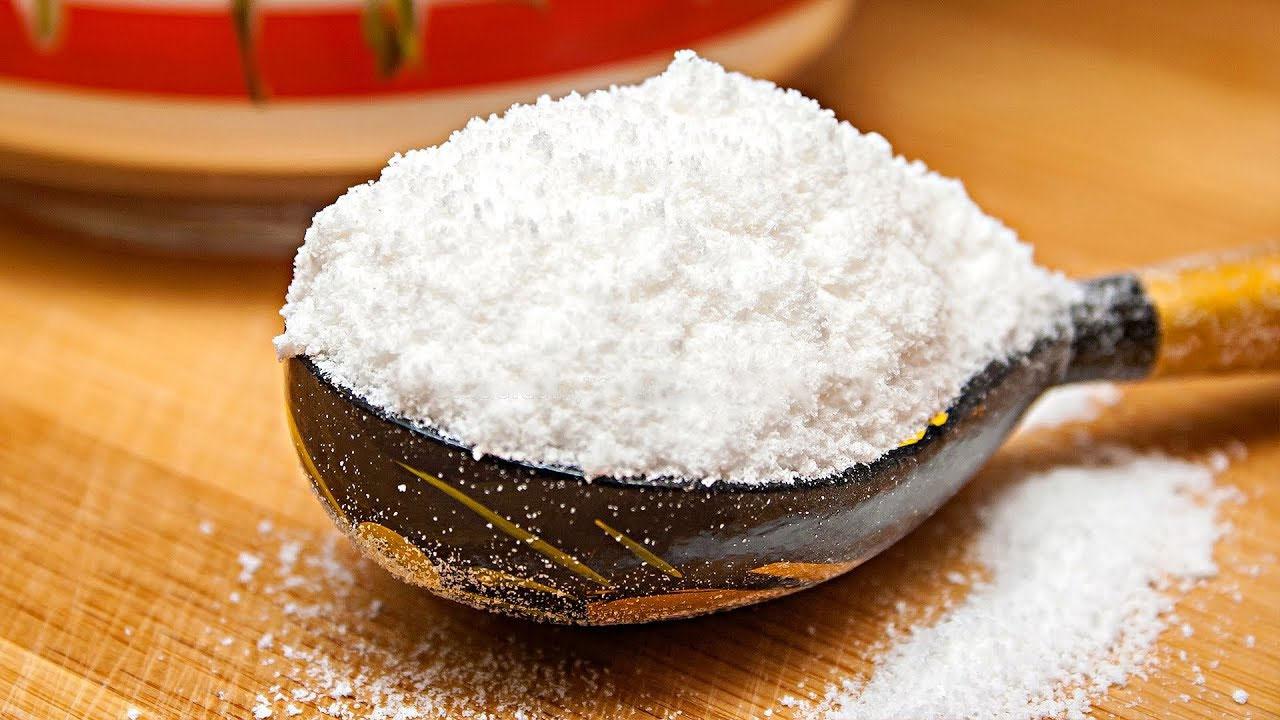
Although adding baking soda and various acids to dough has been practiced since time immemorial, the first "baking powder" appeared commercially only in 1843. DeLand & Co. introduced a dry mix for making yeast-free baked goods to the American market. It's worth noting that the product didn't gain much popularity, as most home cooks preferred to make their own baking powder the old-fashioned way.
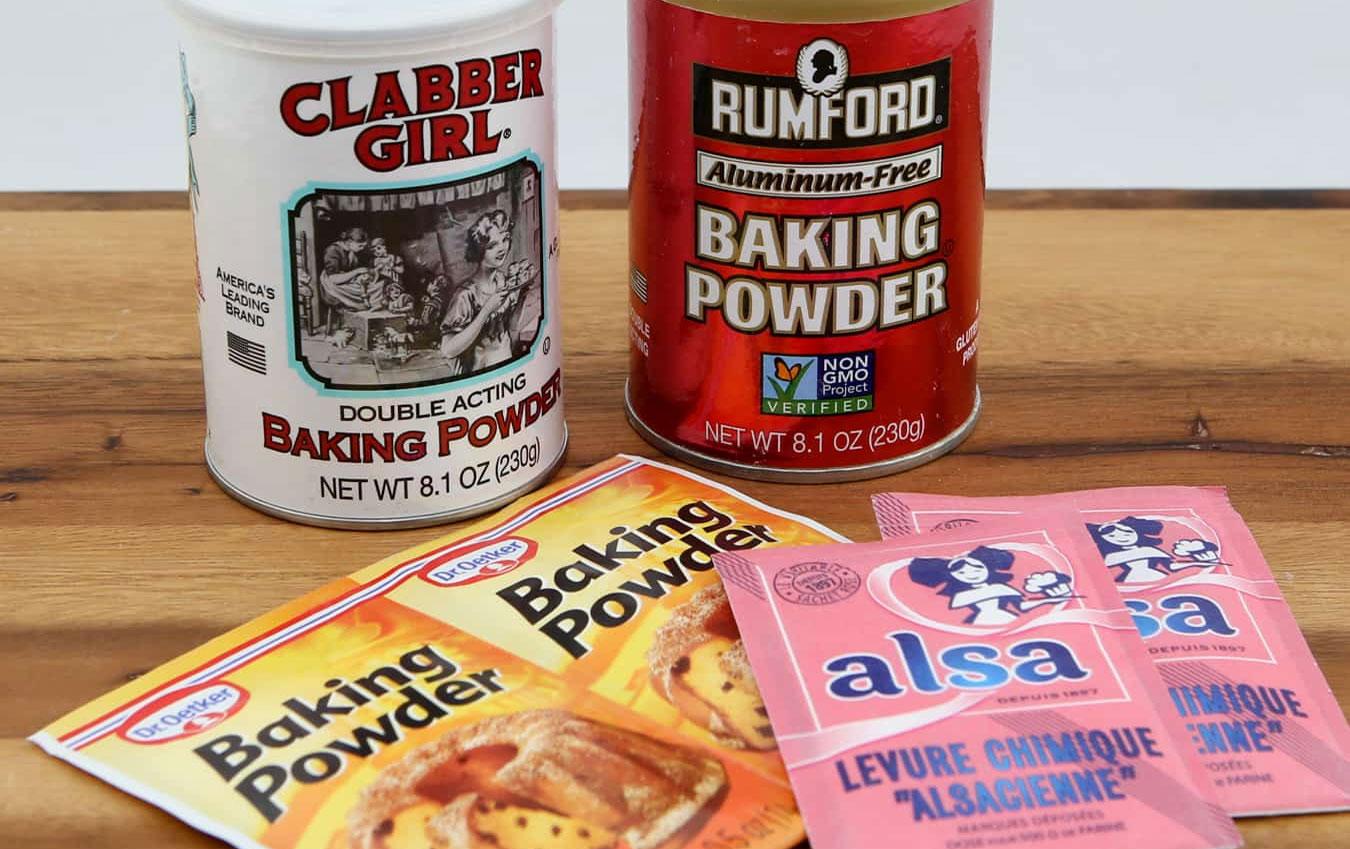
The classic composition of Dr. Oetker baking powder included the following ingredients:
| No. | Ingredient | Marking | Volume |
| 1 | Baking soda | E500ii | 125 g. |
| 2 | Cream of tartar | E336 | 250 g |
| 3 | Ammonium carbonate | E503i | 20 y. |
| 4 | Rice flour | — | 25 g. |
Subsequently, many manufacturers offered dry mixes with similar effects, trying to experiment with components to achieve maximum lifting power and ensure a longer shelf life.
Homemade baking powder recipe
Accustomed to using store-bought baking powder, not all home cooks realize that you can easily make your own. Homemade baking powder is even cheaper than store-bought, but by making your own baking powder, you can always be sure it's fresh and will ensure your dough rises well.
There are many different recipes for baking powder. We'll tell you how to make a classic baking powder at home using baking soda and citric acid, as well as the correct mixing ratio.
Recipe #1 (before use)
To make classic baking powder at home right before use, simply take equal parts of three basic ingredients:
| No. | Ingredient | Quantity |
| 1 | Baking soda | 1 tsp |
| 2 | Citric acid | 1 tsp |
| 3 | Cornstarch | 1 tsp |
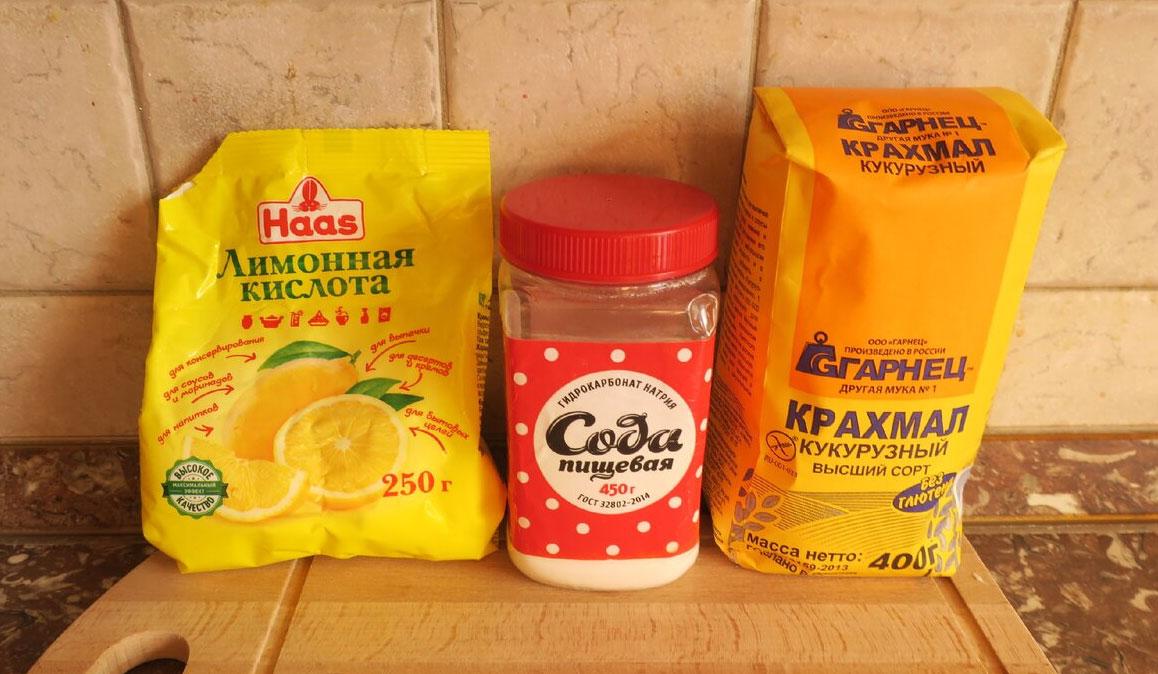
The dry mixture must be prepared in a completely dry container. Ceramic or glass containers are best.
Recipe #2 (for long-term storage)
If you bake frequently and want to make baking powder at home for future use, it's best to use a recipe that uses slightly different proportions and a larger amount of leavening agent, which prevents the baking soda and citric acid from reacting prematurely. You can also use flour instead of starch in this recipe for storage.
| No. | Ingredient | Proportions in spoons |
| 1 | Baking soda | 5 tsp |
| 2 | Citric acid | 3 tsp |
| 3 | Flour | 12 tsp |
The rest of the preparation involves simply mixing the ingredients, so making the homemade mixture is as quick and easy as possible.
Recipe No. 3 (with cream of tartar)
Buying cream of tartar is more difficult than the ingredients for a classic recipe, but home-brewers may have this ingredient. Cream of tartar forms naturally during the aging process of wine.
| No. | Ingredient | Proportions in spoons |
| 1 | Baking soda | 1 tsp |
| 2 | Citric acid | 2 tsp |
| 3 | Cornstarch | 1 tsp |
This video explains step-by-step how to make excellent cream of tartar-based baking powder at home:
Storage Features
The best way to store homemade baking powder is in an airtight glass jar. Simply pour the dry mixture into an airtight jar immediately after preparation and place it on a shelf where it will be protected from direct sunlight and sudden temperature fluctuations.
Features of use
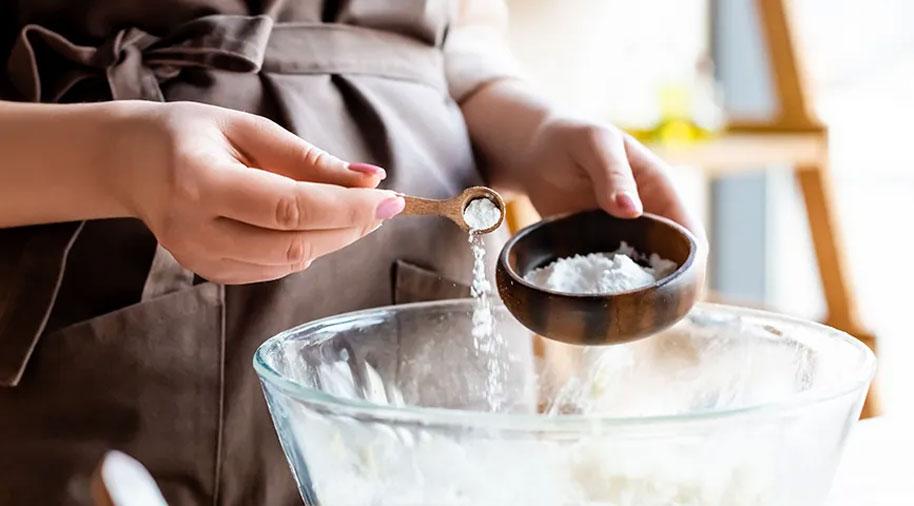
Both store-bought and homemade baking powder must be added to the flour before use, thoroughly mixing the dry ingredients to ensure the most even distribution.
If such yeast-free dough sits for too long before baking, the process of carbon dioxide release will be completed and the dough will no longer rise during baking.